How Many Antlered Deer Residents Can Take
It can be incredibly confusing to keep up with all the deer hunting regulations in South Carolina, especially when you're trying to figure out exactly how many antlered bucks you can take in a given season. Nobody wants to accidentally break a rule after putting in all that hard work, and the last thing you need is a run-in with a game warden. This guide is here to demystify the antlered deer limits for South Carolina residents, ensuring you understand your tags and how to use them legally and effectively.
The Basics of South Carolina's Antlered Deer Limit for Residents
For many hunters, pursuing a mature buck is the highlight of the deer season. South Carolina offers generous opportunities, but it’s crucial to know the specific regulations that apply to resident hunters for antlered deer. These limits are set to manage the deer population, promote healthy herds, and provide sustainable hunting opportunities across the state. Without these rules, it would be easy to overharvest, especially in areas with high deer density.
Understanding the Statewide Cap
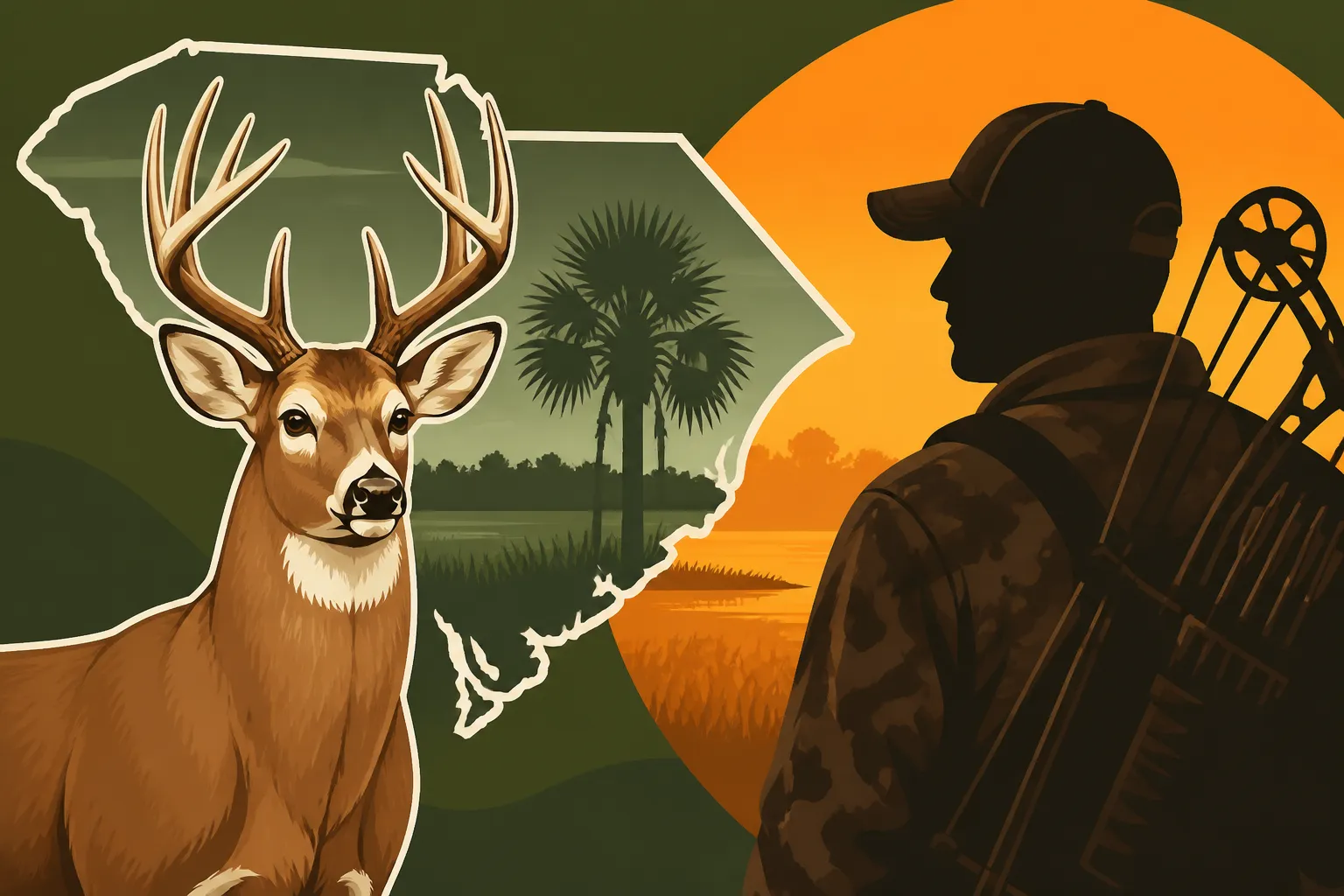
As a resident hunter in South Carolina, you're permitted to harvest a maximum of five antlered deer per hunting season. This isn't a per-zone limit or a daily limit; it's a hard cap for the entire statewide season, regardless of whether you're hunting in the lowcountry swamps or the upstate mountains. This comprehensive limit means you need to manage your tags carefully if you plan to hunt multiple times or in different regions. For instance, if you take two antlered bucks in Zone 4 during its early opener, you only have three remaining for the rest of the season, even if you travel to Zone 1 later in the year.
This five-buck limit is designed to be fair and equitable, allowing most hunters ample opportunity to pursue their passion while still maintaining a robust breeding population. It reflects the overall health of the deer herd, which, as discussed in our deep dive into the South Carolina Deer Population Estimate, remains strong in many areas. It's a system that balances hunter success with biological sustainability, a critical component of conservation efforts here in the Palmetto State.
Why These Limits Exist
The limits on antlered deer aren't arbitrary; they are the result of extensive biological research and population management strategies by the South Carolina Department of Natural Resources (SCDNR). The primary goals behind these regulations are:
- Population Control and Balance: While South Carolina has a healthy deer population, an unchecked harvest of bucks could skew the buck-to-doe ratio too heavily, impacting breeding success and herd health. The five-buck limit helps maintain a more balanced ratio, ensuring a sustainable future for the deer.
- Quality Deer Management: By limiting the number of antlered deer, there's a greater chance for younger bucks to mature and express their full antler potential. This doesn't mean every hunter is solely after a trophy, but it does contribute to a healthier age structure within the buck population, which benefits the entire ecosystem.
- Fair Chase and Opportunity: With a statewide limit, resources are managed to ensure that as many hunters as possible have a fair chance at harvesting deer. It prevents a few individuals from disproportionately impacting the local buck population, especially on public lands where pressure can be high. This is part of the broader framework of South Carolina Deer Season Structure Explained.
- Data Collection and Monitoring: Every harvested deer that is reported provides valuable data to SCDNR. These numbers help biologists track population trends, understand harvest rates, and adjust future regulations as needed. The statewide antlered limit ensures that the data collected is consistent and meaningful, allowing for better management decisions down the road.
Navigating Antlered Deer Tags and the Game Check System
Understanding the numerical limit is just one part of the equation; knowing how to legally acquire and use your tags, and then properly report your harvest, is equally important. South Carolina has a modern system that relies heavily on individual hunter responsibility.
Acquiring Your Resident Deer Tags
To legally hunt antlered deer in South Carolina, you'll need the appropriate licenses and tags. As a resident, this typically involves a few key steps:
- Base Hunting License: First and foremost, you'll need a valid South Carolina resident hunting license. There are various options available, which you can explore in more detail in our guide on South Carolina Resident Hunting License Options. This is your foundation for all hunting activities in the state.
- Big Game Permit: In addition to your base license, you must purchase a Big Game Permit. This permit is what grants you the privilege to hunt deer and other big game species. The cost for residents is relatively low, making it accessible to many. You can find information on the South Carolina Resident Big Game Permit Cost to plan your budget.
- Deer Tags: Once you have your Big Game Permit, you will automatically receive your allocated deer tags. These tags are mailed to you and are physical tags that must be attached to the deer immediately after harvest. For residents, this includes five antlered tags, corresponding to your statewide limit, and two antlerless tags per day. Remember, those antlerless tags are for deer without visible antlers, which often applies to does but can also include young bucks.
Many hunters find the easiest way to manage their licensing and tag acquisition is through the Go Outdoors SC website or mobile app. This digital platform streamlines the process, allowing you to purchase licenses, permits, and even report harvests directly from your phone. It's a seamless system designed to make compliance as easy as possible. You can also visit a local license vendor or an SCDNR office.
The Critical Step of Reporting Your Harvest
This is where many new hunters, and even some seasoned ones, can get tripped up. South Carolina mandates that all harvested deer, antlered or antlerless, be reported through the Game Check system. This isn't just a suggestion; it's a legal requirement and a cornerstone of SCDNR's wildlife management efforts.
- Immediate Tagging: The moment you harvest an antlered deer, you must immediately validate and attach one of your antlered deer tags to the animal. This tag must remain affixed until the deer is processed for consumption or taxidermy. Don't wait until you get back to camp or home; it needs to be done at the kill site.
- Reporting Via Game Check: Once tagged, you then have 24 hours to report the harvest through the Game Check system. This can be done in several ways:
- Online: The Go Outdoors SC website is the most common method. You simply log in, select "Report a Harvest," and follow the prompts. You'll need information like the tag number, date, time, county, game zone, and whether it was antlered or antlerless.
- Mobile App: The Go Outdoors SC app offers the same functionality, making it incredibly convenient to report right from the field, assuming you have cell service.
- By Phone: There's also a dedicated phone line for reporting, which can be useful if you're in an area with poor internet connectivity.
- What to Report: For an antlered deer, you'll specifically report it as such, noting the number of points on each antler and the county of harvest. This data is crucial for tracking deer populations, antler growth trends, and localized harvest pressure, as detailed in our guide on South Carolina Deer Reporting Requirements.
Failing to report your harvest within the 24-hour window can result in fines and penalties. SCDNR relies heavily on this data, so being diligent with your reporting helps contribute to better hunting seasons for everyone in the long run.
Practical Considerations for Managing Your Tags
Having five antlered deer tags as a resident is a pretty good deal, but it requires a bit of strategy to make the most of your season, especially when you're thinking about those bigger bucks.
Maximizing Your Opportunities Throughout the Season
South Carolina's deer season is famously long, particularly in the coastal zones, which allows for extended opportunities. Our article on How South Carolina's Four Zones Split the Calendar provides excellent detail on these varying dates. Here's how to think about your five antlered tags:
- Early Season Management: If you're hunting in Zone 4, where archery season often opens in mid-August, you might be tempted to fill a tag early. But consider the long game. Is it worth using one of your limited antlered tags on a younger buck in August, knowing that the rut is still months away? Many hunters choose to focus on antlerless deer during the warm early season to stock the freezer, saving their antlered tags for when buck activity picks up.
- The Rutting Advantage: The rut is when mature bucks are most active and vulnerable, driven by the urge to breed. Knowing when the rut peaks in your target zone is key. Whether you're Hunting the Rut in the Coastal Zones or Hunting the Rut in the Upstate Zone, saving your antlered tags for this prime window can significantly increase your chances of encountering and harvesting a truly impressive buck. Many hunters intentionally pass on smaller antlered deer until this time.
- Late Season Scramble: As the season winds down, especially in January for Zone 1, hunters often have remaining tags. This can be a great time to capitalize on late-season food sources or catch bucks that have been pressured all year but are still moving. If you've been conservative with your tags, you'll have options in these colder months.
It's all about thoughtful tag allocation. If you're using a scouting app like GoHunt, you can track buck movement patterns, historical harvest data, and even property boundaries to make informed decisions about when and where to deploy your valuable antlered tags.
Planning Your Hunt for Antlered Success
Success with your five antlered tags often comes down to careful planning and strategy, not just luck.
- Scouting is King: Before the season even begins, diligent scouting can make a huge difference. Use trail cameras, walk potential hunting areas, and look for sign like scrapes, rubs, and tracks. Identify bedding areas, travel corridors, and preferred food sources. The more you know about the deer in your area, the better you can position yourself for a shot at an antlered deer.
- Targeting Specific Animals: While South Carolina doesn't have antler point restrictions statewide, many hunters practice their own form of quality deer management. They might decide to only target bucks of a certain age class or antler size. If you're after one of the Best South Carolina Counties for Big Bucks, you'll need to be patient and selective, which inherently means conserving those five precious antlered tags.
- Understanding Pressure: Public lands, such as those found in the Francis Marion National Forest or Sumter National Forest, can see significant hunting pressure. Being aware of this can help you adjust your tactics, perhaps by walking further off the beaten path or hunting during weekdays when pressure is lower. On private land, you might have more control over the pressure, allowing for more consistent opportunities.
- Flexibility and Adaptability: Weather patterns, changes in food availability, and hunting pressure can all impact deer movement. Don't be afraid to adjust your plans if what you're doing isn't working. If the acorns aren't dropping in your usual spot, move to a different food source. If the wind shifts, reposition your stand. Your five antlered tags are a finite resource, so make every hunt count.
Common Misconceptions and Clarifications
Even with clear rules, sometimes there are nuances or misunderstandings that can cause confusion. Let's clear up a few common points related to resident antlered deer limits.
Differences from Nonresident Limits
It's crucial for residents to understand that their antlered deer limits are different from those imposed on nonresident hunters. This is a common point of contention and confusion, but the distinction is clear:
- Resident Advantage: South Carolina residents are granted a more generous five antlered deer limit. This is a common practice in many states, prioritizing in-state hunters who contribute directly to the state's economy and conservation efforts through their taxes and license purchases.
- Nonresident Restrictions: Nonresidents have a more restrictive limit on antlered deer. This isn't meant to penalize nonresidents but to ensure that the primary hunting opportunities are preserved for the state's own citizens, especially given the state's liberal season structure. If you have hunting buddies from out of state, make sure they are fully aware of the Why the Nonresident Antlered Limit Is Lower before they plan their trip.
Always double-check the current regulations, especially if you're hunting with individuals who fall into different residency categories. What's legal for you might not be legal for them.
Special Considerations for Youth and Landowners
While the five-antlered-deer limit applies generally to resident hunters, there are a couple of situations that sometimes come with unique rules or opportunities:
- Youth Hunters: South Carolina is very supportive of youth hunting, often providing special youth weekends where young hunters can get out in the field. These special provisions are typically aimed at introducing new hunters to the sport and may have different tag requirements or supervision rules. Always check the current year's digest for specific youth hunting regulations, as these can change to encourage participation or adapt to specific conservation goals. Our guide on South Carolina Youth Deer Weekend covers these in detail.
- Landowners: If you own land in South Carolina, you might be eligible for certain landowner permits or exemptions, though the statewide antlered deer limit generally still applies to individual hunters, regardless of land ownership. Landowners often have more flexibility with antlerless deer to manage local populations, particularly if they are experiencing crop damage. However, for personally harvested antlered deer, the standard resident tag limits usually hold. Farmers dealing with significant deer damage can apply for South Carolina Deer Damage Permits for Farmers, which are different from individual hunter tags.
It's always best practice to consult the most current South Carolina Hunting & Fishing Regulations Digest, available online through SCDNR's website or at license vendors. Regulations can occasionally change, and staying informed is your best defense against unintended violations.
Disclaimer
The information provided in this guide is for general informational purposes only and is not a substitute for the official regulations published by the South Carolina Department of Natural Resources (SCDNR). Hunting laws and regulations can change, and it is the responsibility of each hunter to verify and comply with all current federal, state, and local laws before hunting.