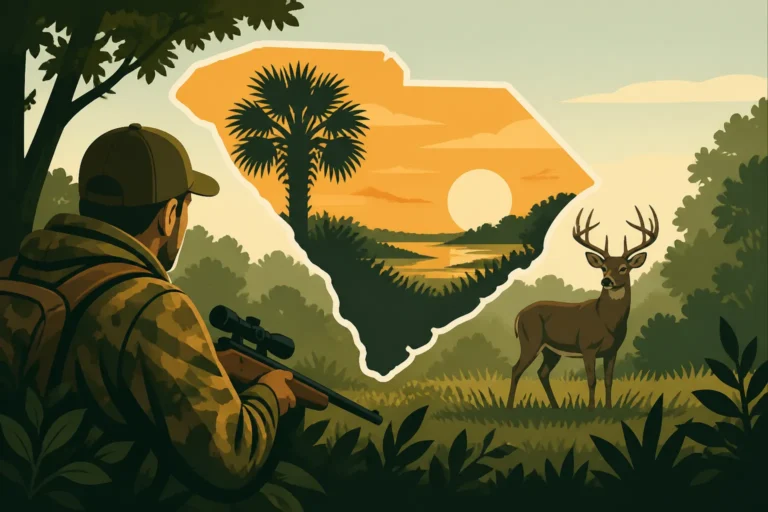
Why the Nonresident Antlered Limit Is Lower
It's incredibly frustrating when you're planning an exciting nonresident hunt in South Carolina, only to discover that the rules for how many antlered deer you can tag are different, and often lower, than what residents enjoy. You might feel like you're getting the short end of the stick, or simply not understand why the rules are set up this way. This guide is here to shed some light on the reasoning behind South Carolina's nonresident antlered deer limit, helping you understand the regulations and make the most of your hunting trip.
Understanding South Carolina's Deer Management Philosophy
South Carolina, like many states, employs a complex deer management strategy designed to balance hunter opportunity, herd health, and the ecological impact of deer populations. This isn't just about giving everyone a chance to hunt; it's about ensuring a sustainable future for the deer and the habitats they rely on. When it comes to setting limits, especially for nonresidents, there are several layers of thought that go into those decisions.
Balancing Hunter Opportunity and Herd Health
The primary goal of the South Carolina Department of Natural Resources (SCDNR) is to maintain a healthy, stable deer population across the state. This means setting harvest limits that prevent overharvesting, particularly of mature bucks, while also allowing enough antlerless harvest to control overall herd numbers and minimize agricultural damage. For residents, who are typically hunting within their home zones and contributing to the state's conservation efforts year-round through their taxes and license fees, the limits are often set to provide ample opportunity to fill their freezers while still encouraging selective harvesting.
However, nonresidents represent a different dynamic. While their license fees are crucial for funding, the state also has to consider the cumulative impact of potentially thousands of additional hunters, many of whom might be seeking a trophy buck. If there were no distinction, the pressure on the antlered buck population, especially in prime areas, could quickly become unsustainable. The SCDNR wants to ensure that South Carolina remains a fantastic deer hunting destination for everyone, but that long-term sustainability often means making careful distinctions in harvest limits. It’s a delicate dance between satisfying hunter demand and protecting the resource.
Resident Prioritization and Public Land Funding
Another significant factor is the concept of resident prioritization. Residents of South Carolina pay state taxes, contribute to local economies, and are often deeply invested in the local conservation landscape. Their hunting license fees, and other associated expenditures, form a direct and consistent funding stream for the state's wildlife management programs, including public lands and enforcement. This continuous investment often translates into greater hunting opportunities, including higher antlered deer limits, as a recognition of their ongoing contribution.
Nonresidents, while certainly welcome and vital contributors through their own license purchases, typically have a more transient connection to the state's resources. The higher cost of nonresident licenses and the more restrictive bag limits are partly designed to compensate for this difference in ongoing investment and to give preference to the hunters who are permanently invested in the state’s ecological health. Think of it this way: residents are often considered the primary stewards, and the regulations reflect that stewardship. This doesn't diminish the nonresident hunter's passion or contribution, but it does highlight the state's commitment to its local hunting community. You can find more details on general South Carolina Hunting Licenses and What They Cost, including resident options.
The Specifics of Nonresident Deer Tags and Limits
Navigating the various deer season structures can be a bit like deciphering an ancient scroll, especially with different rules for residents and nonresidents. South Carolina's system is designed to be as clear as possible, but understanding the why helps immensely.
Antlered Deer Limits for Nonresidents
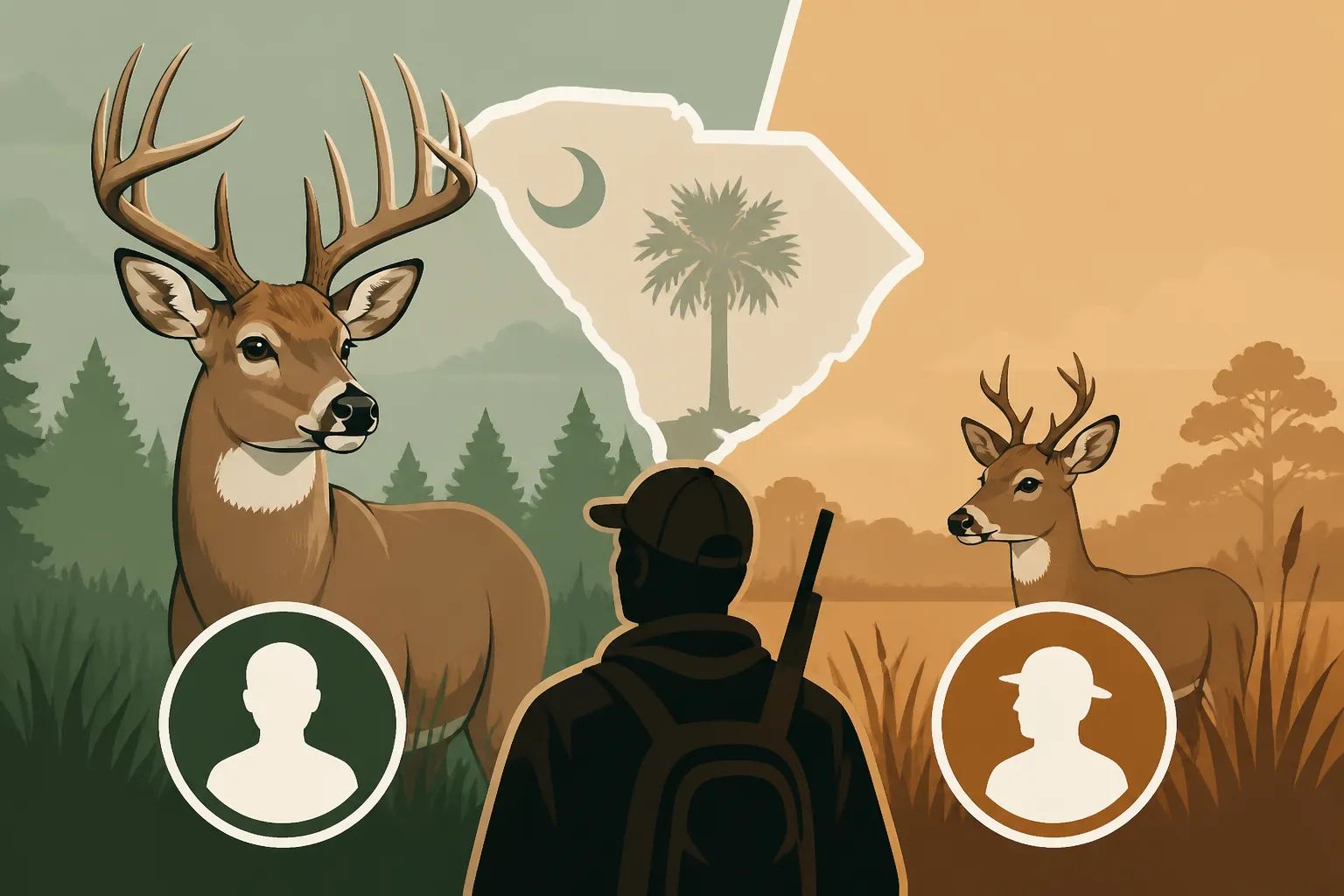
Currently, nonresidents hunting in South Carolina are limited to two antlered deer per season. This is a significant difference compared to residents, who typically receive three antlered tags as part of their base big game permit. The two-antlered buck limit for nonresidents is a direct reflection of the management philosophy discussed earlier – it helps spread out the harvest pressure and ensures that a greater proportion of mature bucks remain in the population for breeding and future hunting opportunities.
This limit applies statewide, regardless of which of South Carolina's Four Game Zones you might be hunting in. So whether you’re chasing deer in the early opening Zone 4 Coastal Plain or the later opening Zone 1 Upstate, that two-buck limit stays the same. It's crucial for nonresidents to be aware of this and plan their hunts accordingly. For instance, if you're taking a guided hunt on a Lowcountry plantation, your guide will likely reinforce this limit strictly. It’s not just a suggestion; it’s a legal requirement. When planning your trip, make sure to read up on South Carolina Nonresident Hunting License Options to ensure you have all the necessary permits.
Antlerless Opportunities and Statewide Bag Limits
While the antlered limit is more restrictive for nonresidents, the good news is that antlerless deer opportunities are far more generous and, in many cases, identical to those for residents. Both residents and nonresidents can typically harvest two antlerless deer per day when antlerless season is open, provided they have the appropriate tags. These tags can be purchased as "bonus" tags beyond the initial allocation. This focus on antlerless harvest is a key component of effective deer management, as it helps control the overall deer population density, which in turn can lead to healthier individual deer, less browse pressure on habitat, and reduced vehicle collisions.
So, even with a lower antlered limit, a nonresident hunter still has ample opportunity to fill their freezer with venison. This flexibility in antlerless harvest allows hunters to contribute to herd management while still having a productive hunt. Always check the current regulations for the specific game zone you plan to hunt, as antlerless seasons can vary in length and specific rules. Knowing the South Carolina Statewide Antlerless Bag Limit is just as important as knowing the antlered limits.
Economic and Conservation Considerations
The regulations surrounding nonresident hunting in South Carolina aren't just arbitrary rules; they're carefully crafted policies that weave together economic benefits with robust conservation goals. It's a system designed to fund wildlife efforts while protecting the very resource hunters cherish.
Nonresident License Revenue and Its Impact
Let's be clear: nonresident hunters are a vital economic force in South Carolina's conservation landscape. The fees for nonresident hunting licenses and big game permits are significantly higher than those for residents, and this revenue directly supports the SCDNR's various programs. This includes everything from wildlife research and habitat improvement projects to law enforcement and hunter education initiatives. When you buy a nonresident license, you're not just buying the right to hunt; you're investing in the future of South Carolina's wildlife.
For example, a nonresident annual hunting license combined with a big game permit costs substantially more than a resident equivalent. This higher price point, alongside the millions of dollars nonresidents spend on lodging, food, fuel, guide services, and gear, forms a critical pillar of the state's rural economies and conservation budget. Without these funds, many of the programs that ensure healthy deer herds, vibrant public hunting lands like the Francis Marion National Forest, and continued hunting opportunities simply wouldn't exist or would be severely underfunded. This economic contribution helps justify providing access, even with a lower antlered limit.
Minimizing Pressure on Specific Buck Age Structures
One of the less obvious but extremely important conservation goals behind the nonresident antlered limit is managing the age structure of the buck population. If all hunters, resident and nonresident alike, had equally liberal antlered limits, there would be immense pressure on young, prime-aged bucks. While harvesting younger bucks is not inherently bad, a healthy deer population benefits from having a good proportion of older, mature bucks for breeding purposes and to pass on strong genetics.
By limiting nonresidents to two antlered deer, the SCDNR subtly reduces the overall harvest pressure on bucks, allowing more younger bucks to survive and mature into older age classes. This leads to a more balanced herd with a healthier age structure, which can result in better breeding cycles and, eventually, the potential for more mature, trophy-class bucks for all hunters in the future. It’s a long-term strategy that pays dividends for the resource and, ultimately, for the quality of the hunting experience. When SCDNR looks at the South Carolina Deer Herd Size and aims to improve it, these limits play a crucial role. This proactive management helps maintain a vibrant hunting tradition.
Navigating South Carolina Hunting as a Nonresident
So, you're a nonresident and you've got your two antlered tags. How do you make the most of your South Carolina hunt? It's all about strategy, planning, and taking advantage of the diverse opportunities the state offers. Don't let the lower antlered limit discourage you; it just means you need to be a bit more intentional.
Maximizing Your Hunting Opportunities
With a two-antlered deer limit, every buck becomes a considered decision. This isn't necessarily a bad thing; it encourages you to be more selective and potentially hold out for a more mature animal. Here are some ways to make your nonresident hunt count:
- Prioritize Quality Over Quantity for Bucks: Instead of shooting the first legal buck you see, consider passing on smaller deer, especially early in your trip. Focus on scouting and identifying areas that hold older bucks. Your first tag might be for a solid meat deer, but maybe you save that second tag for a true wall-hanger.
- Embrace Antlerless Harvest: Remember those generous antlerless limits? Take full advantage! Filling your cooler with delicious venison by harvesting does helps manage the herd and provides you with plenty of meat for the year. This also allows you to be more patient with your buck tags. For more on this, check out South Carolina Statewide Antlerless Bag Limit.
- Focus on Diverse Hunting: South Carolina offers fantastic opportunities beyond just deer. Consider combining your deer hunt with a hog hunt, which has very liberal rules, or even small game. This adds variety to your trip and increases your overall success rate, even if you don't fill both buck tags. Hunting South Carolina's Year-Round Feral Hogs is a popular option.
- Scout Thoroughly: Before you even set foot in the woods, spend time scouting from afar. Use aerial maps, topographical features, and public land boundary tools to identify pinch points, bedding areas, and food sources. This is even more critical when you have fewer tags to work with. A great resource is Scouting South Carolina Public Land Before Season.
- Understand Zone Differences: Familiarize yourself with the specific season dates and nuances of the game zone you'll be hunting. The rut timing, preferred food sources, and hunting pressure can vary significantly between the Upstate, Midlands, and Lowcountry regions. Understanding South Carolina's Four Game Zones is essential.
Utilizing Digital Resources for Planning
In today's age, technology is your best friend when it comes to planning a successful hunt, especially as a nonresident. Gone are the days of just relying on paper maps and word-of-mouth.
- SCDNR Website: The official South Carolina Department of Natural Resources website is your first stop. It has all the current regulations, season dates, license information, and links to purchasing permits. Make sure you check this every year, as rules can change.
- Mapping Apps: Tools like GoHunt or OnX Hunt are indispensable. These apps provide detailed property boundaries, landowner information (where available), WMA boundaries, topography, and aerial imagery. They can help you identify public access points, potential food sources, and travel corridors, saving you valuable time on the ground. For instance, GoHunt's mapping features can show you precisely where you can legally hunt and what the terrain looks like, which is invaluable for a nonresident.
- Go Outdoors SC App: This is the official app for purchasing licenses and permits, and it often has maps and other helpful features. It's also where you'll go for South Carolina Deer Reporting Requirements after you've harvested a deer.
- Online Forums and Social Media: While you need to sift through a lot of noise, hunting forums and local South Carolina hunting groups on social media can offer valuable insights into local conditions, deer movement, and even specific areas (though always verify information with official sources).
By leveraging these resources, even with a lower antlered limit, nonresidents can significantly enhance their chances of a successful and rewarding hunt in the Palmetto State.
Resident vs. Nonresident Antlered Deer Limits and Costs
To help illustrate the differences we've discussed, here's a breakdown of the typical antlered deer limits and associated costs for resident and nonresident hunters in South Carolina. Please note that license fees and regulations can change, so always consult the official SCDNR website for the most current information before planning your hunt.
| Category | South Carolina Resident | South Carolina Nonresident |
|---|---|---|
| Annual Hunting License | ~$12-15 | ~$150-180 |
| Big Game Permit | ~$6-8 (includes 3 antlered deer tags) | ~$90-110 (includes 2 antlered deer tags) |
| Total Minimum Cost | ~$18-23 | ~$240-290 |
| Antlered Deer Limit | 3 per season | 2 per season |
| Antlerless Deer Limit | 2 per day (with purchased bonus tags) | 2 per day (with purchased bonus tags) |
| WMA Permit (if needed) | ~$30-35 (for designated Wildlife Management Areas) | ~$75-80 (for designated Wildlife Management Areas) |
| Federal Duck Stamp | Required for migratory waterfowl hunters (same for all) | Required for migratory waterfowl hunters (same for all) |
Note: Costs are approximate and subject to change. Always verify current prices and requirements on the SCDNR website or via the Go Outdoors SC App before purchasing.
Disclaimer
Please remember that hunting regulations, seasons, and license requirements in South Carolina can change. Always consult the official South Carolina Department of Natural Resources (SCDNR) website or their most current hunting digests for the most accurate and up-to-date information before planning any hunting trip.