How Many Antlered Deer Nonresidents Can Take
One of the biggest questions I hear from fellow hunters looking to experience the incredible deer hunting opportunities here in South Carolina is about the antlered deer limits for nonresidents. It can feel a bit confusing trying to parse through regulations, especially when you're coming from out of state with different rules. This guide is here to cut through that confusion and give you a clear, in-depth understanding of how many antlered deer you can expect to tag as a nonresident hunter in the Palmetto State.
Understanding South Carolina's Nonresident Antlered Deer Limits
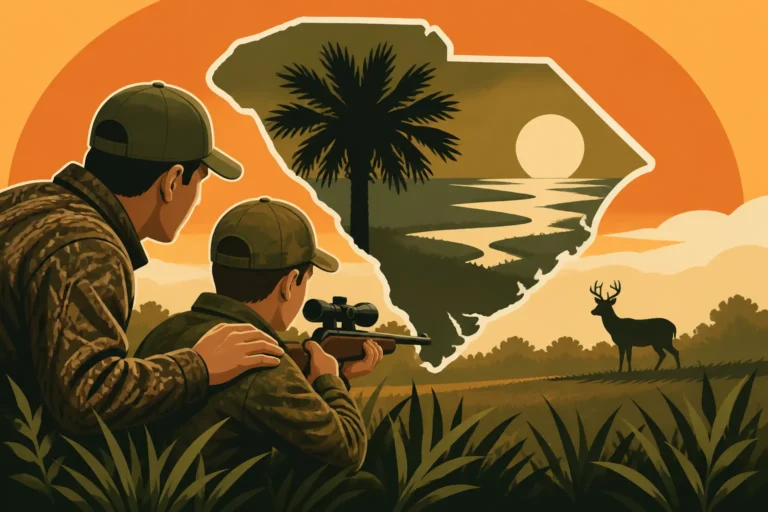
Let's get right to the heart of it: as a nonresident hunter, you are permitted to harvest two antlered deer per license year in South Carolina. This is a statewide limit, meaning it applies no matter which of the four game zones you choose to hunt in, from the sprawling Lowcountry swamps to the rugged Upstate mountains.
This two-antlered deer limit is a significant distinction from the resident limit, which allows for five antlered deer per season. Many hunters scratch their heads at this difference, but it's part of a broader deer management strategy aimed at balancing hunting pressure and harvest rates, while also recognizing that nonresident hunters are often here for a shorter, more concentrated period. The goal is to offer fantastic hunting opportunities without overtaxing the herd, especially concerning mature bucks. Each antlered deer you harvest must have at least one antler that is five inches or more in length, a standard biological definition for an "antlered" deer here. This ensures that young bucks, often referred to as "button bucks" with tiny nubs, are protected, giving them a chance to mature. This regulation is consistently enforced, and it’s critical for every hunter, resident or nonresident, to understand it clearly before heading into the woods.
Navigating Licensing and Permits for Nonresidents
Before you even think about chasing those South Carolina whitetails, understanding the required licenses and permits is paramount. It’s not just a single license; there are a few pieces of paper (or digital files, thanks to modern technology) you’ll need to have in order to legally hunt in our state.
Essential Nonresident Hunting Credentials
First and foremost, you'll need a general nonresident hunting license. This is your base ticket to hunt most game species in South Carolina, including deer. Beyond that, to legally pursue white-tailed deer, you must also purchase a South Carolina Big Game Permit. This permit specifically authorizes you to hunt big game animals, which includes deer, turkey, and bear. Without both of these, you're not legally covered for deer hunting. You can purchase these licenses and permits conveniently online through the Go Outdoors SC portal, which many hunters find incredibly user-friendly. Some hunters even leverage tools like GoHunt to plan their trips, and it's always a good idea to confirm the latest regulations directly through the official state channels when using such tools.
It's really important to get these sorted out well in advance of your trip. Don't wait until the day before opening weekend, especially if you're traveling a long distance. There's nothing worse than arriving at your hunting camp, all geared up and ready to go, only to realize you've missed a critical step in the licensing process. Trust me, I’ve seen it happen, and it’s a deflating experience for everyone involved. Ensure you carry proof of your licenses and permits with you at all times while hunting. Whether it's a physical copy or stored securely on your phone via the Go Outdoors SC app, having it readily accessible is a must. You can find more detailed information on what these will cost you by checking out our guide on South Carolina Hunting Licenses and What They Cost.
Understanding License Validity and Purchase Options
South Carolina hunting licenses typically run on an annual cycle, from July 1st to June 30th of the following year. So, if you purchase your license in, say, September, it'll be valid until the end of June. This is important to remember if you plan multiple trips within a single calendar year, as your license might carry over, but a new license will be required for the next July-June cycle. For nonresidents, there are often various options beyond the standard annual license, such as multi-day or shorter-term licenses for those only visiting for a brief hunt. Always check the Go Outdoors SC portal for the most current offerings. This flexibility can be great for those who can only swing a quick weekend hunt rather than a full season.
Many first-time nonresident hunters wonder about the actual purchase process. The Go Outdoors SC platform is pretty straightforward. You'll create an account if you don't already have one, select your nonresident hunting license, add the big game permit, and proceed to checkout. It's similar to any online shopping experience. Just make sure all your personal information is accurate, as this is tied directly to your hunting credentials. After purchase, you'll receive a confirmation, and you can print your licenses or save them digitally. For more details on this process, check out our guide on Buying a License on Go Outdoors SC.
The Impact of Game Zones on Your Hunting Strategy
While the two-antlered deer limit is statewide, South Carolina’s unique game zone structure absolutely impacts when and where you can hunt. Understanding these zones is crucial for any nonresident planning a successful deer hunt.
The Four Game Zones and Their Influence
South Carolina is divided into four distinct Game Zones (Zones 1, 2, 3, and 4), each with its own specific deer season dates. For a nonresident, this means that while your limit of two antlered deer remains constant, the opportunity to fill those tags changes dramatically depending on which zone you choose. Zone 4, along the coast, typically has the earliest opening dates, often in mid-August for archery season. In contrast, Zone 1 in the Upstate mountains usually opens much later. This staggering of seasons allows hunters to potentially extend their season by hunting different zones, or to focus on a particular zone's rut timing.
For instance, if you're hoping to hunt early-season deer in the heat, your best bet might be to focus on coastal counties in Zone 4. If you prefer cooler weather and perhaps a more traditional fall rut hunt, you might consider areas further inland or in the Upstate. Planning around these zone differences is a key part of your nonresident deer hunting strategy. Our in-depth article on South Carolina's Four Game Zones provides a fantastic overview that every traveling hunter should read.
Strategic Planning for Your Antlered Deer Harvest
Given the two-antlered deer limit, nonresidents often become very strategic about which deer they choose to harvest. Unlike residents with more tags, every antlered buck you see needs to be evaluated carefully against your objectives. Are you looking for meat? A trophy? Or just enjoying the experience of a successful hunt? This often means passing on younger bucks that a resident might take, saving those precious tags for a more mature animal. Many nonresidents will focus heavily on scouting before their trip, using mapping tools and information from the SCDNR to identify areas with good deer populations and habitat.
This often leads to discussions about when the rut peaks in various areas, as many hunters specifically target this high-activity period for a chance at a mature buck. For example, some nonresidents might specifically plan their trip around Hunting the Rut in the Coastal Zones, hoping to capitalize on increased deer movement and vulnerability. It's all about maximizing your chances with those two valuable antlered tags.
Here's a quick reference table outlining the key differences for antlered deer hunting:
| Feature | South Carolina Resident Hunter | South Carolina Nonresident Hunter |
|---|---|---|
| Annual Antlered Deer Limit | 5 antlered deer | 2 antlered deer |
| Required Base License | Resident Hunting License | Nonresident Hunting License |
| Additional Permit | Big Game Permit | Big Game Permit |
| Antler Minimum | One antler 5 inches or more | One antler 5 inches or more |
| Season Dates | Vary by Game Zone | Vary by Game Zone |
| Reporting | Required via Game Check | Required via Game Check |
Reporting Your Harvest and Other Key Nonresident Considerations
Successfully harvesting an antlered deer in South Carolina is an exciting moment, but your responsibilities don't end there. Proper reporting and understanding other regulations are crucial, especially for nonresident hunters.
The Importance of Game Check
South Carolina requires all harvested deer (both antlered and antlerless) to be reported through the Game Check system. This is a vital part of our state's deer management program, providing valuable data on harvest numbers, hunter effort, and population trends. As a nonresident, you might not be familiar with this system, but it's straightforward. You can report your deer online via the SCDNR website, through the Go Outdoors SC mobile app, or even by phone. The deadline for reporting is typically within 24 hours of harvest. Failing to report your deer can lead to penalties, so make sure this is a priority after you've taken care of the animal.
When you report, you’ll need to provide information such as the county of harvest, the game zone, whether it was antlered or antlerless, and the date of harvest. For antlered deer, you may also be asked about the number of points and an estimate of antler spread. This data is critical for monitoring the overall health and population of our deer herd, helping the SCDNR make informed decisions for future seasons. Our article on Reporting a Deer Through South Carolina Game Check offers a step-by-step guide to this process.
Transporting Your Harvest Out of State
Another significant consideration for nonresidents is the transportation of your harvested deer. South Carolina, like many other states, has specific regulations regarding the importation and exportation of deer carcasses and parts, primarily to prevent the spread of Chronic Wasting Disease (CWD). While CWD has never been detected in South Carolina, the state takes proactive measures to keep it that way. This means you generally cannot transport a whole deer carcass or certain high-risk parts (like the brain or spinal cord) across state lines.
Typically, you'll need to bone out your deer or ensure that only boned-out meat, cleaned skull plates, or taxidermy-ready hides are transported. Always check the most current regulations from the SCDNR before your trip home, as these rules can change. This can impact how you field dress and process your deer, especially if you plan to take it directly home for butchering. Knowing this ahead of time will help you prepare the necessary coolers and processing tools. For more details on these regulations, take a look at our article on Why You Cannot Bring a Deer Carcass Into South Carolina, which also touches on export rules.
Other Nonresident-Specific Tips
Beyond licenses and reporting, there are a few other bits of advice for nonresidents. Always be mindful of South Carolina WMA Permit Requirements if you plan to hunt on Wildlife Management Areas. These areas often have additional permits, specific hunt dates, and sometimes even quota hunts. Researching your specific hunting location is crucial. Also, remember that South Carolina Statewide Antlerless Bag Limit is generally generous, allowing nonresidents to harvest up to two antlerless deer per day in most areas, provided they have a valid big game permit. This can be a great way to fill your freezer, even if you're being selective with your antlered tags. Lastly, always be aware of the South Carolina Hunter Education Requirements, ensuring you meet the criteria, whether through a past course or an apprentice license.
Disclaimer
Please remember that hunting regulations can change. While this guide provides comprehensive information based on current South Carolina Department of Natural Resources (SCDNR) rules, it is always your responsibility to verify all regulations directly with the SCDNR before hunting. This article is for informational purposes only and should not be considered legal advice.