Why Zone 1 Opens Six Weeks Later Than the Coast
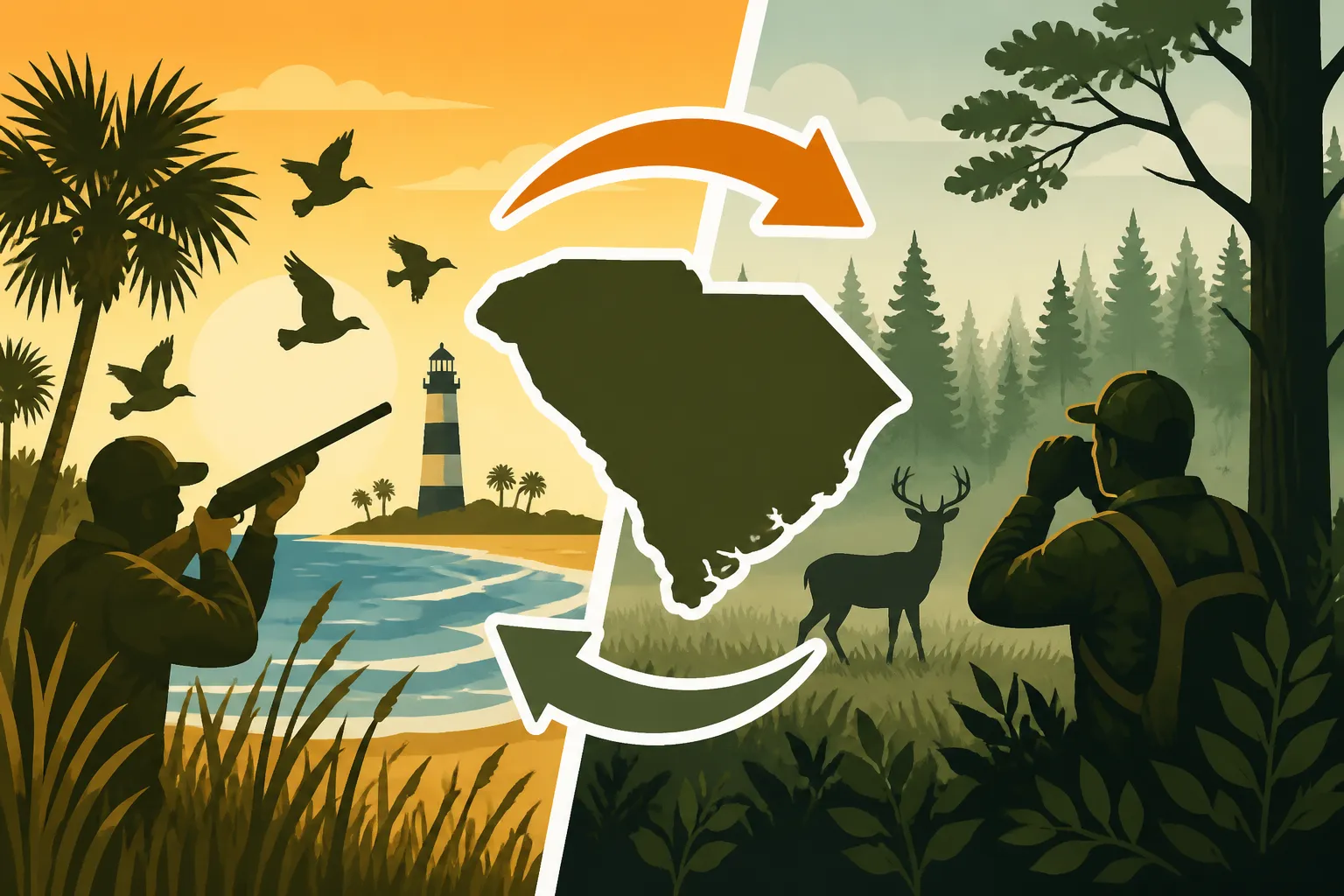
It can be incredibly confusing, can't it? You hear talk about deer season kicking off with a bang in mid-August down on the coast, but if you're like many of us who hunt the Upstate, you're still weeks away from your own opener. That six-week difference in deer season start dates between South Carolina's coastal areas and the mountainous Zone 1 can feel a little arbitrary if you don't know the reasoning behind it. This guide will dive deep into why Zone 1 opens a full six weeks later than the coast, helping you understand the biological, historical, and practical reasons for this unique statewide regulation.
Understanding South Carolina's Deer Hunting Zones
South Carolina is a wonderfully diverse state, stretching from the sandy beaches and salt marshes of the Atlantic coast all the way to the foothills and mountains of the Blue Ridge Escarpment. This geographical variety isn't just pretty to look at; it also means vastly different ecosystems and, consequently, different deer populations with unique characteristics. To manage this diversity effectively, the state is divided into four distinct game zones, each with its own specific regulations and season dates.
The Four Zones at a Glance
When you start looking at a map of South Carolina's hunting regulations, you'll quickly realize it's not a one-size-fits-all situation. The state is carved into four distinct zones, creatively named Zone 1, Zone 2, Zone 3, and Zone 4. These zones aren't just lines on a map; they represent ecological and biological differences in the white-tailed deer herds that inhabit them. Understanding these boundaries is the first step to making sense of the staggered season openers. If you're looking for a deeper dive into the specifics, our article on South Carolina's Four Game Zones breaks it all down. For the purpose of explaining the six-week difference, we'll focus primarily on Zone 1 and Zone 4.
The Coastal Plain's Early Start
Down in Zone 4, which encompasses most of the Lowcountry and coastal plain, deer season for archery hunters typically kicks off in mid-August, usually around the 15th. This early opener, which you can learn more about in Hunting the Earliest Coastal Zone Opener, feels almost impossibly early to folks used to hunting northern states, or even our own Upstate. Imagine slinging arrows in 90-degree heat and oppressive humidity, battling mosquitoes the size of small birds! While it presents its own challenges, this early start is deeply rooted in the biological rhythms of the deer herd in that region. The long growing season and abundant food sources often mean fawns are born earlier, and bucks are ready for the rut at a different time than their mountain cousins.
The Upstate's Later Kick-Off
Now, swing your gaze northwest to Zone 1, which covers the mountainous and foothill regions of South Carolina. Here, the archery deer season doesn't typically open until October 1st. That's a full six weeks after the coastal areas. This later start often aligns more closely with what many hunters consider a "traditional" deer season opening, with cooler weather starting to creep in and leaves beginning to turn. For those in the Upstate, this later start is just part of the hunting calendar, but it’s a direct reflection of the different environmental factors at play in the region. If you're focused on Hunting the Latest Upstate Zone Opener, you know this waiting period well.
Biological Factors Driving Season Differences
The primary drivers behind South Carolina's staggered deer season openers are biological: the differences in the white-tailed deer's reproductive cycle and the varying habitat conditions across the state. The South Carolina Department of Natural Resources (SCDNR) doesn't just draw lines on a map; they base these decisions on extensive research and long-term population data to ensure healthy and sustainable deer herds.
Deer Rut Timing Variations
This is perhaps the single most critical factor explaining the six-week difference. The breeding season, or rut, for white-tailed deer varies significantly across South Carolina. In the warmer, more southern latitudes of the coastal plain (Zone 4), the peak of the rut often occurs much earlier in the fall, sometimes as early as late September or early October. This is influenced by factors like photoperiod (daylight length) and, surprisingly, genetics, as some of the coastal deer herds have historic lineages that differ slightly from their Upstate counterparts.
Picture this: you're hunting near Georgetown in mid-September. The bucks are already showing signs of chasing, making scrapes, and generally acting like they've got love on their minds. This early rut means that an earlier hunting season can be effective in harvesting deer when they are most active and vulnerable, helping manage the population effectively. Our guide on Hunting the Rut in the Coastal Zones delves into specific tactics for this early action.
Contrast that with Zone 1, where the deer rut generally peaks much later, typically in late October or even early to mid-November. The cooler temperatures, higher elevations, and different ecological signals in the Upstate push the breeding cycle back. If the season opened in mid-August in Zone 1, hunters would be out long before the deer were truly moving with a purpose related to breeding, making for less effective hunting and potentially misaligning harvest with population management goals. The later opener on October 1st brings hunters closer to the pre-rut activity and eventual peak of the rut, when bucks are most susceptible to calling and seeking out does. For those hunting the mountains, understanding Hunting the Rut in the Upstate Zone is key.
Habitat and Nutrition Differences
Beyond the rut, the very environments the deer live in contribute to the need for varied season dates. The coastal plain, with its longer growing seasons, ample rainfall, and often fertile soils, provides a richer, more consistent food supply for deer for a greater part of the year. This means does can fawn earlier, and fawns can grow quicker, reaching maturity sooner. Bucks also benefit from this consistent nutrition, contributing to earlier antler development cycles.
Think about the abundant agricultural fields, vast swamp bottomlands, and managed timberlands of the Lowcountry. Deer here can find acorns, cultivated crops like soybeans and corn, and lush browse for many months. This rich nutritional base supports a robust deer herd that can sustain an earlier hunting season.
Upstate Zone 1, conversely, features more rugged terrain, shorter growing seasons, and often less fertile soils. While there are still pockets of excellent habitat, the overall availability of high-quality forage might differ. Deer here might have a slightly later fawning season, and fawns might take a bit longer to reach full size due to environmental factors. This slight delay in the overall life cycle of the deer herd naturally pushes back the optimal hunting period. The deer in the mountains are adapted to their environment, and the later season respects this adaptation.
Historical Context and Management Philosophy
The current zone system in South Carolina didn't just appear overnight; it's the result of decades of wildlife management experience, scientific study, and adaptation to changing deer populations and hunter demands.
Evolution of South Carolina's Zone System
For many years, South Carolina had a more uniform statewide deer season. However, as wildlife biologists gathered more data and understood the distinct regional differences in deer biology and habitat, it became clear that a blanket approach wasn't the most effective way to manage the state's diverse deer herds. The SCDNR recognized that what worked for the fertile, early-rutting deer of the Lowcountry wasn't necessarily ideal for the later-rutting, mountain-dwelling deer of the Upstate.
The shift to a zone-based system allowed for more precise, biologically sound management strategies. It acknowledged that a deer in Berkeley County operates on a different internal clock than a deer in Oconee County. This wasn't about making things complicated for hunters; it was about optimizing harvest opportunities while maintaining the health and sustainability of local deer populations. This is a key part of the broader South Carolina Deer Season Structure Explained.
Balancing Hunter Opportunity and Deer Herd Health
The SCDNR's core mission is to provide ample hunting opportunities for sportsmen while ensuring the long-term health and viability of the state's wildlife resources. The staggered season openings are a perfect example of this delicate balance.
By opening the coastal zones earlier, the SCDNR capitalizes on the earlier rut and greater deer activity in that region. This provides hunters in the Lowcountry with an extended season during which deer are moving, giving them more chances to fill their tags. This is especially important in areas with high deer densities, where managing the herd through harvest is crucial for preventing overpopulation and habitat degradation. Our data on South Carolina Deer Population Estimate helps guide these decisions.
In Zone 1, the later opening prevents hunters from being in the woods during a time when deer activity might be lower and the deer are less responsive to hunting pressure. It waits until conditions are more favorable, closer to the rut, which improves hunter success rates and ensures that hunting pressure is applied when it's most impactful for population control. This strategic timing helps to maintain the delicate balance required for a healthy deer herd in the unique Upstate environment. It's a way of saying, "Let's give these deer a bit more time before we start hunting them, to ensure a better quality hunt for everyone and a healthier herd overall."
Practical Implications for Hunters
For those of us who hunt, these staggered seasons aren't just biological trivia; they have real-world impacts on how we plan our year, scout our properties, and even the tactics we employ in the field. Ignoring these differences can lead to missed opportunities or frustration.
Planning Your Hunts by Zone
The most immediate implication is that you simply have to know which zone you're hunting in and plan accordingly. If you have access to land in multiple zones, you effectively have a much longer deer season, allowing you to chase bucks from mid-August all the way through January, depending on the zone and weapon choice. This requires careful calendar management and a good understanding of the specific dates for each zone.
Many hunters, including myself, use digital mapping tools like GoHunt to stay on top of regulations and plan out their season. These apps are invaluable for seeing zone boundaries, tracking WMA rules, and even looking at public land access. When you're trying to figure out if you can squeeze in an early season hunt or if you need to wait, a quick check on a tool like GoHunt can save you a lot of grief. It's also helpful for Scouting South Carolina Public Land Before Season when you're jumping between zones.
A critical piece of equipment for any South Carolina hunter, regardless of the zone, is a current hunting license and all necessary permits. Ensure you understand South Carolina Hunting Licenses and What They Cost and have everything in order before you hit the woods, especially if you plan to hunt across different zones or on Wildlife Management Areas.
Adjusting Tactics for Different Opening Days
An August 15th opener in Zone 4 demands a completely different approach than an October 1st opener in Zone 1.
- Coastal Early Season (August/September): The heat and humidity are brutal. Deer are primarily focused on food and water. You'll often find them hitting ag fields at first and last light, or moving through thick cover during the day. Water sources, natural food plots, and transition lines are key. Scent control is a constant battle, and staying cool and hydrated is paramount. This is where a Warm-Weather Sitting Strategy in South Carolina becomes absolutely vital. You're thinking about thermals differently, and your stand setup might be focused on shaded areas near water.
- Upstate Later Season (October/November): As October rolls around in Zone 1, the weather generally starts to cool down. The leaves begin to change, and deer are entering a different phase of their annual cycle. Food sources like acorns become more prominent, and bucks start to think about the upcoming rut. Scouting for fresh sign, rubs, and scrapes becomes more productive. Deer drives, as outlined in Deer Drives With Three or Four Hunters, can also be effective tactics in certain Upstate terrain as deer activity picks up. You'll find deer more responsive to rattling and grunting calls as the pre-rut heats up.
The Impact on Deer Population Dynamics
Beyond hunter convenience and biological accuracy, the staggered season openers play a crucial role in the overall management and health of South Carolina's deer population. It's a strategic move by the SCDNR to ensure sustainable hunting for generations to come.
Harvest Pressure Distribution
If the entire state opened on the same day, especially a very early date like August 15th, the hunting pressure across South Carolina would be enormous and concentrated. Imagine every hunter hitting the woods simultaneously statewide. This could lead to a massive, early harvest that might not be optimal for long-term population goals in all areas.
By staggering the seasons, the SCDNR effectively distributes hunting pressure over a longer period and across different regions. This allows for a more controlled and sustainable harvest. Hunters in Zone 4 can get their early season fix, while those in Zone 1 wait for their turn. This prevents a "boom or bust" scenario where too many deer are harvested too quickly in certain areas, potentially impacting herd structure or buck-to-doe ratios in an undesirable way. It's a thoughtful approach to managing a healthy statewide herd.
Managing for Regional Rut Peaks
Aligning the season opener with the regional rut peaks is a sophisticated management technique. The rut is a time of increased deer movement and activity, making deer more visible and vulnerable to hunters. By allowing hunters into the woods closer to when the rut kicks off in their respective zones, the SCDNR maximizes hunter success while still managing the herd efficiently.
If Zone 1 opened in August, hunters would primarily be targeting deer moving to and from food and water, often with little to no rut-related activity. While deer are certainly harvested this way, it's not when the herd is most active and visible. By waiting until October, Upstate hunters are present during the crucial pre-rut and early rut phases, increasing the chances of encountering active bucks. This makes for a more exciting and productive hunt, aligning the harvest period with a biologically significant time for the deer. This ensures that the statewide South Carolina Deer Harvest Records accurately reflect a well-managed population.
Ultimately, the six-week difference is a testament to the SCDNR's commitment to scientific, localized wildlife management. It respects the biological realities of deer across South Carolina's diverse landscapes, ensuring both hunter satisfaction and the sustained health of our cherished white-tailed deer population.
Comparing Deer Season Openers: Zone 1 vs. Zone 4
To really visualize the differences we've been talking about, let's lay out the typical contrasts between Zone 1 and Zone 4. Keep in mind that specific dates can shift slightly year to year, so always check the latest SCDNR regulations.
| Feature | Zone 4 (Coastal Plain) | Zone 1 (Upstate/Mountains) |
|---|---|---|
| Typical Archery Opener | Mid-August (e.g., August 15th) | October 1st |
| Difference | Opens approximately 6 weeks earlier | Opens approximately 6 weeks later |
| General Rut Timing | Peaks late September – early October | Peaks late October – early November |
| Primary Terrain | Flat, coastal, swamps, agricultural fields | Hilly to mountainous, mixed forests |
| Early Season Weather | Hot, humid, mosquito-prone | Moderately warm to cool, less humid |
| Key Food Sources (Early Season) | Lush browse, ag crops (soybeans, corn), early acorns | Early acorns, diverse browse, some ag fields |
| Hunting Pressure | Earlier start means dispersed pressure over time | Later start means concentrated pressure, but aligns with higher activity |
This table clearly illustrates why the SCDNR has structured the seasons the way they have. It's a thoughtful system designed to maximize opportunity while preserving the resource.
Disclaimer
Hunting regulations can change, and it is the hunter's responsibility to review and understand all current rules and seasons before heading afield. Always check the official South Carolina Department of Natural Resources (SCDNR) website or their annual regulations guide for the most up-to-date and accurate information. This article is intended for informational purposes only and should not be considered a substitute for official legal guidance or regulations.