South Carolina’s Statewide Turkey Bag Limit
The rustle of leaves underfoot and the distant gobble on a crisp South Carolina morning are what we live for. But let's be honest, nothing throws a wrench into that anticipation faster than trying to decipher the ever-evolving hunting regulations. It's frustrating to plan your season, scout your spots, and practice your calls, only to second-guess whether you truly understand the rules, especially when it comes to something as fundamental as the statewide turkey bag limit. This comprehensive guide is here to untangle the confusion, walk you through the current regulations, explain the recent changes, and ensure you're fully prepared for a successful, legal, and stress-free spring turkey season in the Palmetto State.
Understanding the Current Statewide Turkey Bag Limit
For many years, South Carolina turkey hunters enjoyed a relatively generous bag limit, but just like the seasons themselves, things change. As a veteran lifestyle blogger and avid hunter, I've seen these shifts firsthand, and I know how easy it is to miss an important update. It's not just about knowing the law; it's about understanding the "why" behind it, which ultimately helps us all become better stewards of this incredible resource.
The Numbers: What You Can Take
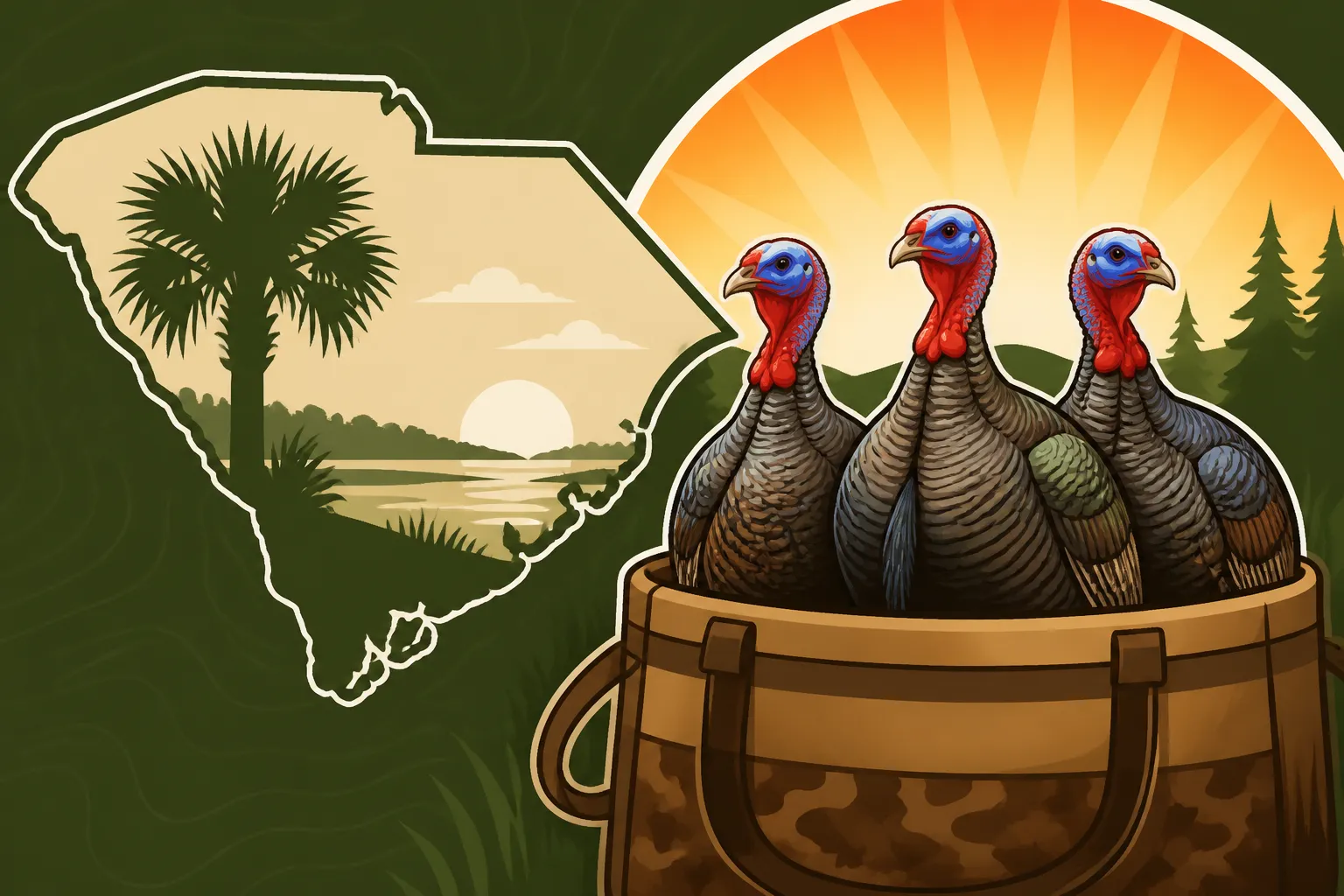
Let's get straight to it: for the 2024 and upcoming seasons, the statewide turkey bag limit in South Carolina has been adjusted. For all hunters, resident and non-resident alike, the limit is now two gobblers per hunter for the entire spring season. This is a significant reduction from previous years, and it's absolutely crucial to engrain this number in your mind before you ever step foot into the woods. It's not two birds per zone, or two birds per week; it's two birds, period, across all legal hunting days and areas in South Carolina that you hunt. This means you need to be very intentional about your hunts and make every shot count.
Gone are the days when you might have been able to fill three tags, or even more, depending on your success. This new, more conservative approach is a direct response to observed trends in the wild turkey population. When you're out there, hearing that distant gobble, remember that each successful harvest is now a larger percentage of your total season opportunity, making the pursuit even more meaningful. It encourages us to be selective and to truly cherish each bird taken, rather than viewing it as just another notch on the belt.
Resident Versus Non-Resident Differences
In the past, there might have been slight variations in overall tag costs or permits for non-residents, but when it comes to the statewide turkey bag limit itself, South Carolina has maintained an equal playing field. Whether you're a lifelong resident who grew up chasing gobblers through the Lowcountry swamps or a visiting hunter eager to experience the call of an Upstate tom, the two-gobbler limit applies universally. This consistency helps simplify the rules, ensuring that everyone operating under a valid South Carolina hunting license understands the same fundamental harvest restriction.
Of course, licensing requirements themselves differ, with non-residents generally needing to purchase a non-resident hunting license and a big game permit, which covers turkey. However, once those administrative steps are taken care of, the number of birds you can legally harvest remains consistent for everyone. It’s important to familiarize yourself with all the nuances of getting licensed, especially if you’re coming from out of state, to avoid any last-minute surprises. You can find all the details on the South Carolina Nonresident Hunting License Options and the general South Carolina Spring Turkey Season Rules to make sure you're squared away.
Zone-Specific Nuances and Statewide Impact
South Carolina is divided into four distinct game zones, each with its own specific deer season dates and, in some cases, slight variations in other hunting regulations. However, for spring turkey season, the two-gobbler statewide bag limit transcends these zones. What does vary by zone are the actual season dates. For instance, Zone 4, the coastal zone, often has an earlier opening date than Zone 1, the Upstate. The statewide limit, however, remains fixed at two gobblers, regardless of which zone you harvest them in or how many zones you hunt.
This means if you're lucky enough to tag a gobbler in the early opener of Zone 4 and then travel to Zone 1 later in the season, you still only have one more tag to fill for the entire spring. The zones dictate when you can hunt, not how many birds you can take within the season. It's a critical distinction. Hunters must keep track of their personal harvest against the statewide limit, regardless of where or when those birds were taken. The SCDNR's Game Check system, which we'll discuss in more detail, is the primary way they track this.
Recent Changes and Why They Happened
The shift to a more conservative turkey bag limit wasn't a snap decision. It was the culmination of years of data collection, scientific research, and observations from hunters and wildlife biologists across the state. Trust me, I know how frustrating it can be when a long-standing tradition or regulation changes. We get set in our ways, and sometimes it feels like "they" are taking something away. But these decisions are typically made with the long-term health of the wild turkey population in mind, and that's something we can all get behind.
The Shift to a Reduced Limit
For years, South Carolina turkey hunters enjoyed a three-gobbler bag limit, which for many was a comfortable number that allowed for a good season. However, starting with the 2024 spring season, that limit was reduced to two gobblers. This was a direct response to declining turkey populations observed across the state and much of the Southeast. Wildlife agencies, including the South Carolina Department of Natural Resources (SCDNR), have been closely monitoring South Carolina Turkey Population Trends for quite some time, and the data pointed to a need for more conservative harvest strategies.
The goal isn't to punish hunters but to ensure that future generations can continue to experience the thrill of turkey hunting. By reducing the overall harvest, the SCDNR hopes to allow the population to rebound and stabilize. It's a delicate balance between providing hunting opportunities and ensuring the sustainability of the species. Think of it as putting money back in the bank; sometimes you have to deposit more than you withdraw to build a healthy balance. This shift is an investment in our shared hunting future.
The End of Jake Harvest
Perhaps one of the most talked-about and impactful changes alongside the reduced gobbler limit is the elimination of jake harvest. Starting with the 2025 spring season, taking jakes will be prohibited in South Carolina. This means only adult gobblers (birds with beards usually 6 inches or longer and often longer spurs) can be harvested. This specific change directly addresses a critical factor in turkey population dynamics: juvenile male survival and recruitment.
Why is this so important? Jakes are essentially "teenage" gobblers, usually 1-year-old birds. While they might strut and gobble, they're often not as successful at breeding as mature toms. More importantly, they represent the future breeding stock. By protecting jakes, the SCDNR aims to increase the number of 2-year-old and older gobblers in the population, which are the primary breeders. This directly relates to the broader issue of Why South Carolina Banned Jake Harvest and helps address declining How Poult Recruitment Fell Since 1988. It's a long-term strategy, and while it might mean passing on a jake that comes into your call, it's for the greater good of the flock.
Conservation Concerns and Population Trends
The decisions made by the SCDNR aren't arbitrary; they are rooted deeply in scientific wildlife management and conservation. Across the Southeast, including here in South Carolina, wild turkey populations have experienced declines over the past few decades. Various factors contribute to this, including habitat loss, increased predation on nests and poults, and, yes, hunting pressure. The data from brood surveys, harvest reports, and population modeling all indicated that a change was necessary to reverse these trends.
The reduced bag limit and the ban on jake harvest are part of a larger, comprehensive strategy to restore wild turkey populations. It's about ensuring a healthy buck-to-doe ratio for deer, but for turkeys, it's about a healthy gobbler-to-hen ratio and robust poult recruitment. Hunters are often the first to notice these changes in the field, witnessing fewer birds, less gobbling activity, or smaller average flock sizes. These regulations are a direct response to those observations and the scientific backing that supports them. It's our collective responsibility as hunters to understand and support these measures, even when they mean adjusting our own traditions. You can learn more about the broader picture by reading about Why South Carolina Turkey Numbers Declined.
Applying the Limit in the Field
Knowing the rules on paper is one thing, but actually applying them when you're out there, heart pounding as a gobbler struts into view, is another. It requires discipline, careful tracking, and an understanding of the immediate steps you need to take after a successful harvest. This is where preparation meets opportunity, and where responsible hunting practices shine.
Tagging and Checking Your Birds
Once you've successfully harvested a gobbler, the clock starts ticking for compliance. South Carolina has clear requirements for tagging and reporting your bird. Immediately after the harvest, you must validate your paper tag (if using physical tags) by writing in the date and time of harvest. If you're using the digital tagging system through the Go Outdoors SC app, you'll validate it digitally right there in the field. This step is non-negotiable and must be done before the bird is moved from the point of kill.
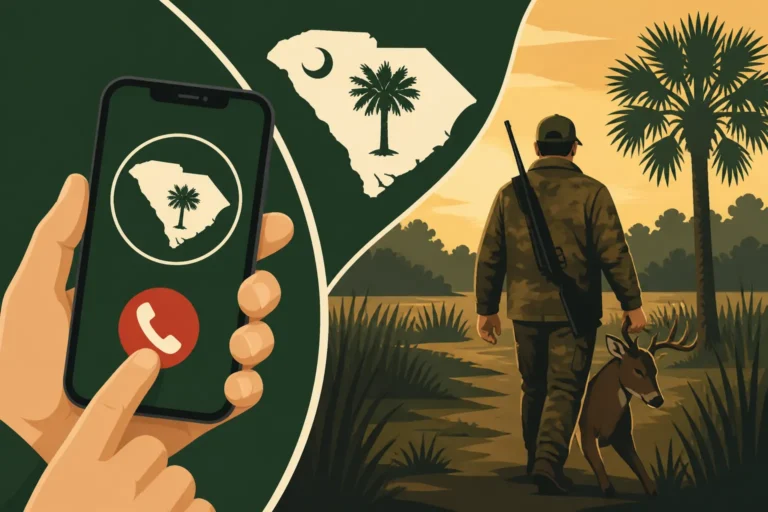
After tagging, the next critical step is reporting your harvest through the SCDNR's Game Check system. This must be done within 24 hours of harvest. You can do this online via the SCDNR website, through the Go Outdoors SC app, or by phone. This system is crucial for the SCDNR to gather accurate harvest data, which in turn informs future regulations and management decisions. Think of it as your final responsibility to the resource. It's not just checking a box; it's contributing vital information that helps ensure the future of turkey hunting in our state. You can read up on South Carolina Turkey Reporting Through Game Check for more specific instructions.
Understanding the Daily and Seasonal Limits
While the statewide limit of two gobblers for the season is paramount, it's also important to understand if there are any daily harvest limits, though typically for turkey, the season limit usually governs. Currently, there isn't a separate daily bag limit that's lower than the statewide two-bird season limit. This means that if you were incredibly lucky, and it's your first hunt of the season, you could theoretically harvest two legal gobblers in a single day, provided you still have both tags available. However, this is an extremely rare occurrence for most hunters.
More often, hunters will spread their two tags across several weeks or even months of the season. The key takeaway is that once you've harvested two gobblers, your spring turkey season is over, regardless of how many days are left on the calendar. This is why careful planning and selective shooting become even more important. You don't want to burn a tag on a marginal bird early in the season if your primary goal is to hold out for a truly mature gobbler. It’s about making good choices and respecting that Making the Most of a Two-Bird Season Limit requires a strategic approach.
Multi-Zone Hunting Implications
For those adventurous hunters who might pursue turkeys across different parts of the state, perhaps starting in the earlier opening coastal Zone 4 and then heading up to the later-opening Zone 1, remember that the statewide bag limit still applies. Your two-gobbler limit is a personal quota that follows you wherever you legally hunt in South Carolina. You don't get two birds per zone; you get two birds total.
This means you need to be meticulous in keeping track of your harvests. Whether you use a physical tag or the digital system provided by Go Outdoors SC, your record of harvested birds is linked to your hunting license. If you've filled one tag in Berkeley County (Zone 4) and then travel to Sumter National Forest (Zone 1 or 2) for another hunt, you only have one remaining opportunity. This system prevents hunters from "zone-hopping" to exceed their personal statewide quota, reinforcing the overarching conservation goals of the SCDNR.
Reporting Your Harvest and Staying Compliant
Compliance isn't just about avoiding penalties; it's about being a responsible member of the hunting community and actively contributing to the health of our wildlife. The SCDNR has put systems in place to make reporting relatively straightforward, but it's up to us, the hunters, to use them correctly.
The Game Check System Explained
The Game Check system is the backbone of South Carolina's harvest monitoring program for big game, including wild turkeys. It's a digital platform designed to collect real-time data on harvested animals. Every hunter who successfully takes a gobbler must report it through Game Check. This system provides critical information to wildlife biologists, allowing them to assess harvest rates, monitor population trends, and make informed management decisions.
You can access Game Check in several ways:
- Online: Visit the SCDNR website and navigate to the Game Check portal.
- Go Outdoors SC App: This is often the most convenient method for hunters in the field. The app allows you to report your harvest from your smartphone, even in areas with limited cell service (though the report won't finalize until you regain connectivity). Many hunters I know swear by apps like GoHunt for their mapping features and use the Go Outdoors SC app specifically for reporting.
- Phone: A dedicated phone line is available for reporting if you prefer that method.
The information typically required includes your license number, the date and time of harvest, the county of harvest, and some basic details about the bird (e.g., adult gobbler). It's a quick process once you're familiar with it, and it's essential for maintaining accurate data on South Carolina Turkey Harvest Numbers.
Consequences of Non-Compliance
Let's be blunt: failing to comply with tagging and reporting requirements can lead to serious consequences. These aren't just minor infractions; they can result in fines, loss of hunting privileges, and even confiscation of equipment. The SCDNR takes these regulations very seriously because they are fundamental to managing our wildlife resources. Imagine the frustration if wildlife managers had inaccurate data because a significant number of hunters weren't reporting their kills; it would undermine all their efforts.
Beyond the legal ramifications, there's an ethical component. As hunters, we are stewards of the land and its wildlife. Deliberately ignoring regulations undermines the integrity of our sport and can negatively impact public perception of hunting. Every time you tag and report a bird, you're not just fulfilling a legal obligation; you're actively participating in the conservation efforts that ensure future hunting opportunities for everyone. It's a small but significant contribution to the bigger picture.
Resources for Hunters
Staying informed is your best defense against accidental non-compliance. The SCDNR provides a wealth of resources, and I always recommend hunters make these their primary sources of information.
- SCDNR Website: The official site is your go-to for the most up-to-date regulations, season dates, and license information. They publish annual hunting and fishing guides that break down all the rules.
- Go Outdoors SC App: Beyond harvest reporting, this app is a fantastic tool for purchasing licenses and permits, viewing regulations, and finding public hunting lands. It's an indispensable digital companion for any South Carolina hunter. Many reputable sources, including GoHunt, refer to the SCDNR for official regulations.
- Local Offices and Game Wardens: Don't hesitate to reach out to your local SCDNR office or a game warden if you have questions. They are there to help and would much rather answer a question beforehand than deal with a violation afterward.
Staying current with changes is crucial. Regulations can be tweaked from year to year, so always check the latest guide before heading afield.
Here's a quick reference table outlining the recent changes for spring turkey season:
| Regulation Aspect | Pre-2024 Season (Approx.) | 2024 Season & Beyond | Rationale |
|---|---|---|---|
| Statewide Bag Limit | 3 Gobblers | 2 Gobblers | Population decline, conservation efforts |
| Jake Harvest | Permitted | Prohibited (starting 2025) | Increase mature gobbler recruitment, future breeding |
| Daily Bag Limit | N/A (Season limit governed) | N/A (Season limit governs) | Focus on seasonal conservation |
| Reporting Requirement | Game Check (within 24 hrs) | Game Check (within 24 hrs) | Data collection, population monitoring |
Maximizing Your Opportunities Within the Limit
With a reduced bag limit, every hunting experience, and especially every harvest, takes on added significance. This isn't about simply punching a tag; it's about making thoughtful decisions in the field, embracing ethical practices, and honing your skills to make the most of your limited opportunities.
Strategic Hunting Through the Season
The two-gobbler limit means you need a more strategic approach to your spring turkey hunting. Gone are the days of perhaps being less selective on opening day. Now, you might consider holding out for more mature birds, especially if you have access to areas known for producing them. This might involve:
- Patience and Persistence: Don't rush a shot. Wait for the bird to commit fully, offering a clean, ethical shot. With only two tags, a missed or wounded bird is a bigger setback than ever.
- Targeting Specific Birds: Learn to distinguish between a mature gobbler and a jake. While jakes will be illegal to harvest from 2025 on, even prior to that, choosing to pass on a jake in favor of a mature tom ensures you're maximizing your limited tags on the most desirable birds. This is part of Adjusting Tactics Now That Jakes Are Off-Limits.
- Leveraging Season Dates: If you hunt multiple zones, plan your trips to coincide with peak gobbling activity in each area, rather than simply hunting the earliest available dates. For example, the breeding rut for turkeys can vary across the state, just like deer. Knowing when the birds are most active in a particular zone can increase your odds. Consider how you might split your time between areas like the Hunting Coastal Rice Field Edges and the Still-Hunting Sumter Forest Ridges.
Ethical Harvesting Practices
Every time we pull the trigger or release an arrow, we make a commitment to ethical hunting. With fewer tags, this commitment becomes even more pronounced.
- Clean Kills: Always strive for a clean, ethical kill. This means knowing your shotgun's pattern, understanding effective ranges for different loads, and practicing your aim. A wounded bird that isn't recovered is not only a lost opportunity but a wasted resource.
- Respect for the Animal: A successful hunt isn't just about the kill; it's about the entire experience and respecting the life you've taken. Take time to reflect on the moment, appreciate the bird, and ensure proper field dressing and care of the meat. This reverence is a hallmark of responsible hunting.
- Legal Compliance: Reiterate the importance of immediate tagging and timely reporting through Game Check. It’s not just a rule; it’s an act of respect for the system that sustains our hunting tradition.
Scouting for Success Under New Rules
Effective scouting has always been crucial for turkey hunting, but with a reduced bag limit, it takes on even greater importance. You want to ensure that when you commit to a spot, you have the best possible chance of encountering a legal, mature gobbler.
- Pre-Season Reconnaissance: Spend time in the woods before the season opens. Look for roosting areas, strut zones, and feeding patterns. Use topographical maps, aerial photos, and tools like GoHunt or the Go Outdoors SC App to identify potential hotspots and travel corridors. This helps immensely when you are Scouting South Carolina Public Land Before Season.
- Listen for Gobbling: In the weeks leading up to the season, conduct early morning scouting trips just to listen for gobbling activity. Knowing where birds are roosting and consistently gobbling can give you a significant advantage. This directly relates to strategies like Roost Hunting South Carolina Gobblers.
- Adapt Your Tactics: The changes in regulations might mean adapting your hunting tactics. If you typically focused on calling in any legal bird, now you might be more selective, focusing on specific characteristics like strong gobbling or visual confirmation of a mature tom. This could involve different calling sequences or decoy setups. For public land, a Run-and-Gun Turkey Tactics on Public Land approach might be best for locating elusive birds, or perhaps you'll focus on patience in a blind.
By focusing on quality over quantity, employing ethical practices, and dedicating yourself to thorough scouting, you can still have an incredibly rewarding and successful spring turkey season in South Carolina, even with a more conservative bag limit.
Disclaimer
Please remember that hunting regulations can change. While every effort has been made to provide accurate and up-to-date information, it is the individual hunter's responsibility to review the most current regulations published by the South Carolina Department of Natural Resources (SCDNR) before engaging in any hunting activities. This article is for informational purposes only and should not be considered a substitute for official SCDNR hunting guides or laws.