South Carolina’s Captive Deer Farm Oversight
It’s a tough situation for many folks when you hear about deer farms, isn't it? On one hand, there’s the genuine interest in raising healthy animals, perhaps for venison or even for genetic improvement for breeding. On the other, there’s a deep, often visceral concern about protecting our wild deer from diseases like Chronic Wasting Disease (CWD) that could decimate our beloved South Carolina whitetail population. This guide is all about peeling back the layers of how South Carolina manages and oversees captive deer farms, addressing those very real anxieties and showing you how the state works to keep our wild herds safe.
Understanding the Landscape of Deer Farming in South Carolina
The idea of "deer farming" might sound a little strange to some, especially those of us who grew up chasing wild whitetails through the piney woods and lowcountry swamps. But it's a practice that exists, and like any agricultural endeavor, it comes with its own set of rules and a good bit of controversy. In South Carolina, these operations are primarily focused on raising deer for venison or, in some cases, for breeding purposes, particularly with an eye toward improving genetics for larger antler growth, which some hunters on private land are intensely interested in.
The Rationale Behind Captive Deer Operations
So, why would anyone even consider raising deer in captivity in a state like South Carolina, where we have such a robust wild population? Well, there are a few reasons. For some, it's about agricultural diversification, treating deer like any other livestock for meat production. Venison has become a popular lean protein, and a controlled environment can ensure a consistent product. Others might be interested in the breeding aspect, raising deer with specific genetic traits to sell to other operations, often for hunting preserves in other states where such practices are more common or regulated differently. There's also a niche market for educational facilities or even petting zoos, though these are far less common than agricultural ventures. It’s a business, plain and simple, and like any business, it seeks to meet a demand. However, this demand always bumps up against the critical need to preserve the integrity and health of our wild deer herd, a tension that drives much of the state’s regulatory efforts.
Historical Context and Evolution of Regulations
Deer farming isn't a new concept, but its regulation, particularly in the context of disease, has evolved dramatically over the past few decades. Historically, regulations were often more relaxed, focusing on basic animal husbandry. However, with the emergence and spread of CWD across North America, states like South Carolina were forced to take a much harder look at how captive cervid facilities could impact wild populations. The fear of CWD jumping from a captive herd to a wild one is a nightmare scenario for wildlife managers, as once CWD is in the wild, it's practically impossible to eradicate. This looming threat prompted our state to tighten its grip on permits, fencing requirements, disease testing, and transport protocols. These stringent measures aren’t just arbitrary rules; they're a direct response to a very real biological threat, designed to keep our state free from this devastating disease. This proactive approach is a cornerstone of why our state takes its oversight so seriously, a critical part of how South Carolina guards against CWD.
The Regulatory Framework: Who Oversees South Carolina's Deer Farms?
When it comes to something as sensitive as captive deer and the potential impact on wild game, you can bet there are multiple layers of oversight. It's not just one agency making all the calls; it’s a collaborative effort, primarily spearheaded by the South Carolina Department of Natural Resources (SCDNR), but often involving state veterinarians and agricultural departments as well. This multi-agency approach is crucial for covering all bases, from wildlife health to agricultural standards.
SCDNR's Role in Protecting Wild Herds
The SCDNR stands as the primary guardian of our wild deer population, and their role in overseeing captive deer farms is paramount. Their mandate is to ensure that these operations pose no threat to the health and genetic integrity of free-ranging deer. This means they are heavily involved in the permitting process for any captive cervid facility, looking at everything from the security of the fencing – to prevent escapes or mixing with wild deer – to the source of the animals themselves. They often collaborate with adjacent states to understand regional disease risks, contributing to the broader strategy of why you cannot bring a deer carcass into South Carolina from CWD-positive areas. The SCDNR also conducts regular inspections of these facilities, making sure that all regulations are being followed to the letter. Their wardens and biologists are on the front lines, responding to any reported escapes or unusual animal health concerns. Without their vigilant oversight, the risk to our wild herds would be significantly higher, and that's something no South Carolina hunter wants to imagine.
Health and Disease Management Protocols
This is where the rubber meets the road. Disease management is arguably the most critical aspect of captive deer farm oversight. South Carolina mandates rigorous health testing protocols for all captive cervids. This includes testing for various diseases, with CWD being at the top of the list. Animals must often undergo post-mortem testing when they die, regardless of the cause, to ensure there are no undetected disease carriers. There are also strict rules about the introduction of new animals to a facility, often requiring a quarantine period and specific health certifications. The movement of deer, whether into, within, or out of the state, is heavily regulated, requiring permits and health certificates to prevent the spread of pathogens. For instance, you can’t just buy a deer from a farm in another state and bring it into South Carolina without it meeting very specific health criteria, all designed to protect our local wildlife. This careful dance of preventing disease is a key reason why South Carolina stays CWD-Free, and the state’s GoHunt platform provides valuable resources for understanding these complex regulations, allowing hunters and farmers to quickly check rules and reporting requirements.
Challenges and Controversies Surrounding Captive Deer Facilities
Let's be honest, captive deer farms, even with the best intentions and stringent regulations, are a source of ongoing debate and concern among hunters and conservationists. The core of this controversy often boils down to a fundamental philosophical difference: should we be "farming" wild animals at all, especially given the risks? These challenges aren't easily solved and require continuous vigilance and adaptation from state authorities.
The Ever-Present Threat of Chronic Wasting Disease CWD
CWD is truly the boogeyman in the room when we talk about captive deer. It’s a neurological disease that is always fatal, spreads easily, and can persist in the environment for years, even decades. The horror stories from states where CWD has become endemic, leading to reduced deer populations and restrictions on hunting, fuel the caution here in South Carolina. Even with the best fencing and biosecurity measures, there’s always a lingering fear of an escape, a breach, or an undetected case that could spread to our wild deer. This is why the state implements robust protocols like the South Carolina's CWD Surveillance Program, actively testing hunter-harvested deer and requiring submission of samples. Any disease outbreak in a captive facility would trigger immediate and severe responses, including depopulation of the herd and intense environmental remediation, which is both costly and heartbreaking. Hunters, using tools like GoHunt to find information on local regulations and disease updates, are often the first line of defense in reporting unusual deer behavior, underscoring this shared responsibility. The fact that the prion that causes CWD can exist in the soil after an infected animal has been there makes containment incredibly difficult and raises the stakes for any captive operation.
Balancing Economic Interests with Wildlife Conservation
Here's where things get tricky. Captive deer operations, like any agricultural enterprise, represent an economic investment for their owners. There are costs associated with land, fencing, feed, veterinary care, and labor. These farmers are often trying to make a living, and they advocate for regulations that allow their businesses to thrive. However, the SCDNR’s primary mission is wildlife conservation, not agricultural promotion. This creates a delicate balancing act. The state must create regulations that are strict enough to protect the wild resource but not so burdensome that they make legal, compliant operations impossible. It's a constant negotiation, ensuring that the economic interests of a few do not jeopardize the ecological health and recreational opportunities for the many who enjoy deer hunting across the state. The debate often involves questions about the legality of certain practices, such as importing deer from out-of-state, even when they're "certified" disease-free. Our state works hard to draw the line to protect its resources.
Navigating Compliance: What Captive Deer Farmers Need to Know
For those who choose to operate a captive deer farm in South Carolina, understanding and adhering to the regulations isn't just a suggestion—it's absolutely critical. Non-compliance can lead to severe penalties, including fines, loss of permits, and even criminal charges, especially if it jeopardizes public health or wildlife. It’s a complex landscape, but clarity on expectations is crucial for successful, legal operations.
Permit Applications and Renewal Processes
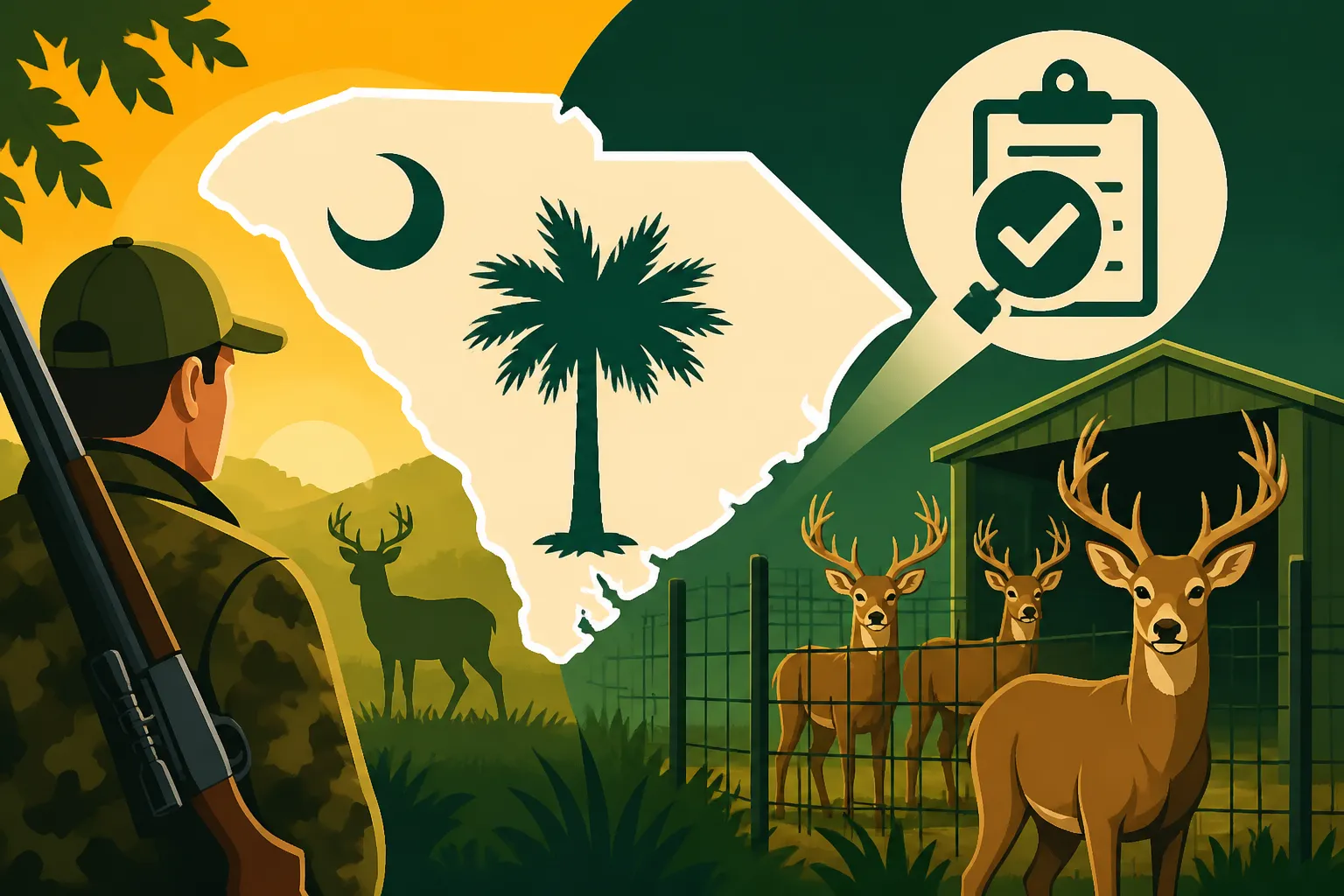
Operating a captive cervid facility in South Carolina is not something you can just decide to do one day. It requires explicit permits from the SCDNR, and the application process is rigorous. Potential operators must submit detailed plans outlining their facility, including fencing specifications, animal sources, intended purpose, and biosecurity measures. The SCDNR will typically conduct site visits to ensure the proposed facility meets all physical requirements, like proper double-fencing to prevent any interaction between captive and wild deer, which is a key part of preventing disease spread. Permits are not granted indefinitely; they require regular renewal, often annually, to ensure ongoing compliance. This means that facilities are consistently reviewed, and any changes to operations must typically be approved by the SCDNR. This constant engagement ensures that standards don't slip over time, a crucial element in South Carolina's captive deer farm oversight. The GoHunt platform might be an excellent first stop for new applicants to understand initial requirements and connect with the right department.
Record Keeping and Reporting Requirements
Transparency and meticulous record keeping are non-negotiable for captive deer farms. Operators are required to maintain detailed records of every deer on their property, including identification tags, birth dates, movement history (purchases, sales, deaths), and any veterinary treatments. This information is vital for disease surveillance and traceability. If a disease outbreak were to occur, these records would be essential for tracking potential spread and identifying at-risk animals or facilities. Furthermore, any animal deaths, illnesses, or escapes must be reported to the SCDNR within a very specific timeframe. This swift reporting allows wildlife officials to investigate promptly and implement necessary containment measures. The state’s ability to effectively test for CWD without a case is directly tied to the diligence of these reporting requirements, as every death can be an opportunity for surveillance. It’s not just about what you do, but how well you document it, because in the world of wildlife disease management, information is power, and it protects everyone's interests.
Key Regulations for South Carolina Captive Deer Facilities
To give you a clearer picture, here's a snapshot of some of the critical regulatory areas that captive deer farms in South Carolina must adhere to. These are broad categories, but they represent the foundational elements of the state's oversight.
| Regulatory Area | Key Requirements | Purpose |
|---|---|---|
| Permitting | Annual permits required from SCDNR; detailed application and site inspection. | Ensure compliance from the outset and continuous review. |
| Fencing | Double-fencing with specific height, gauge, and construction standards to prevent escape and wild deer entry. | Prevent interaction between captive and wild deer, main barrier against disease spread. |
| Animal Identification | All deer must be individually identified with official ear tags. | Enable tracking, disease traceability, and inventory management. |
| Disease Testing | Mandatory CWD testing for all deceased deer over a certain age; other disease testing as required. | Proactive surveillance and early detection of diseases. |
| Movement & Transport | Strict regulations and permits for importing, exporting, or moving deer within the state; health certificates required. | Prevent the introduction and spread of diseases. |
| Record Keeping | Detailed records of all deer (births, deaths, sales, treatments, escapes) kept on file for inspection. | Facilitate disease investigation, inventory, and regulatory audits. |
| Reporting | Prompt reporting of all deaths, illnesses, or escapes to SCDNR. | Enable rapid response and containment in case of a health or security breach. |
| Source of Animals | Strict rules on where captive deer can be acquired, often prohibiting imports from CWD-positive states. | Reduce risk of importing diseased animals. |
This framework, while seemingly exhaustive, is a testament to the state's commitment to safeguarding its natural resources. The aim is to ensure that while some private interests may pursue captive deer operations, they do so in a manner that supports, rather than jeopardizes, the health of South Carolina's cherished wild whitetail deer.
Disclaimer
Please remember that hunting regulations, licensing requirements, and wildlife management rules can change. Always consult the most current South Carolina Department of Natural Resources (SCDNR) regulations and guidelines before planning any hunting trip or engaging in activities related to captive cervids. This content is for informational purposes only and should not be considered legal advice.