Sitting a Field Edge in Late Season
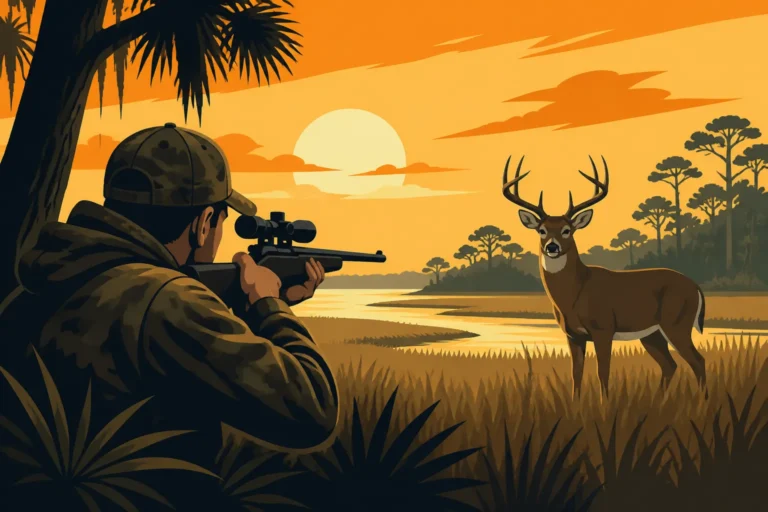
Oh, the late season. It’s a time of year that can test even the most seasoned South Carolina deer hunter. The leaves are down, the woods are quieter than a church mouse, and those big bucks that seemed to be everywhere in October have suddenly turned into ghosts. Many hunters pack it in, but for those of us willing to brave the chill and adapt our strategies, there are still incredible opportunities to fill a tag. This guide is all about one of the most consistent, yet often misunderstood, tactics for these waning weeks: Sitting a Field Edge in Late Season. We're going to dive deep into how to make those field edge sits pay off, from scouting to setup to understanding those wary late-season whitetails.
The Enduring Allure of Late-Season Field Edges
When the lush green buffet of early fall disappears, deer shift their focus dramatically. They're no longer just browsing casually; they're in survival mode, seeking out the most calorie-dense, accessible food sources to fuel them through colder temperatures and prepare for the upcoming spring. This is precisely why field edges, even those that look picked-over, become such magnetic spots.
Food Sources as Magnets When Winter Looms
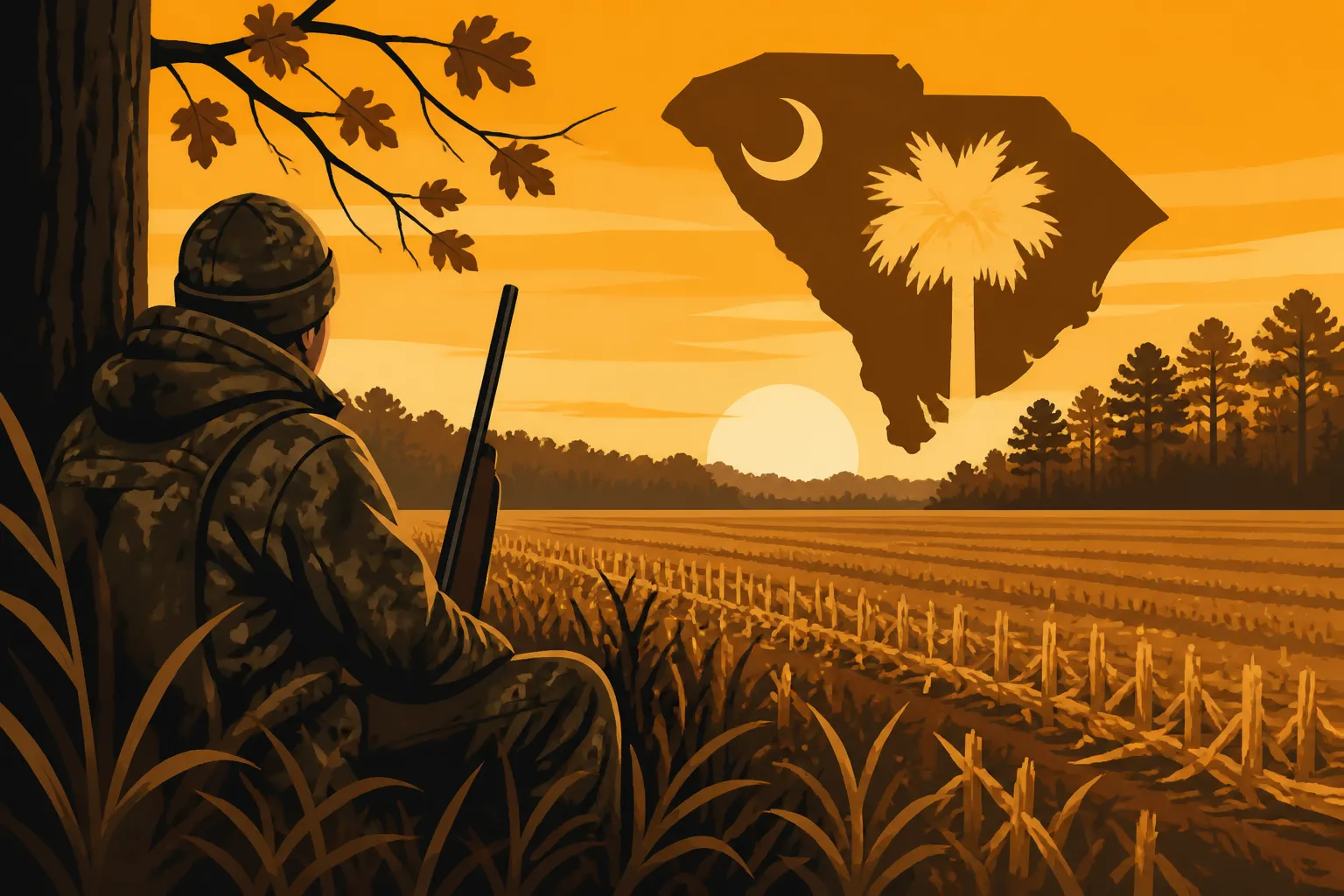
As winter creeps into South Carolina, deer are actively seeking high-energy foods that provide maximum sustenance. The acorn crop, which was so vital in early fall, is often depleted by now, either eaten by deer, hogs, squirrels, or simply gone bad on the forest floor. This forces deer to seek out agricultural fields. Think about fields that held corn or soybeans during the summer; even after harvest, there's usually a significant amount of waste grain left on the ground. These seemingly insignificant kernels and beans become absolute gold for deer. A field of standing corn, if you can find one that hasn't been completely picked clean, is a five-star restaurant for a late-season buck. They'll venture into these fields, especially under the cover of darkness, but often during daylight as well when the hunger pains hit hard.
Beyond the major crops, don't overlook winter food plots. Fields planted with cool-season forages like clover, winter wheat, oats, or brassicas can be absolute hotbeds of activity. These plots stay green and palatable throughout the colder months, offering consistent nutrition. Deer will often prioritize these food sources, especially if they are close to thick bedding cover. When you're scouting, pay close attention to the browse lines on these plants. Are they being heavily fed upon? Are there tracks indicating regular use? Sometimes, even a smaller plot tucked away, providing both food and a sense of security, will outperform a massive, exposed field. You can learn a lot about what deer are focusing on by looking for signs in these plots, whether it's fresh tracks or clipped forage. This shift in diet is a crucial aspect of Late-Season Food Sources for South Carolina Whitetails, and understanding it is half the battle.
Natural Travel Corridors Along the Edge
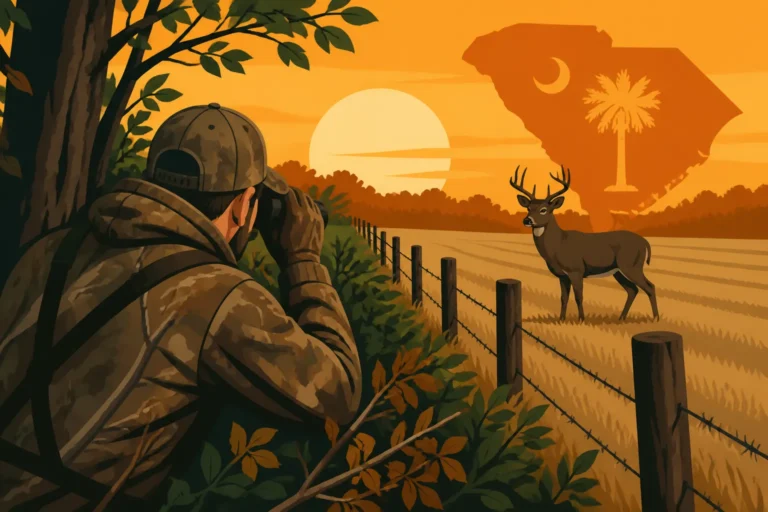
Field edges aren't just about the food they border; they're also prime travel routes. Deer are creatures of habit and efficiency, and they will almost always opt for the path of least resistance or the route that offers the most cover. The transition zone between an open field and a dense wood line, a thick fencerow, or a meandering ditch provides just that. These linear features act like natural highways, funneling deer movement. They offer security by keeping deer close to cover, allowing them to slip in and out of fields undetected.
Consider a field that has a thick, overgrown fencerow running down one side, or a creek bottom that parallels the field edge. These aren't just arbitrary lines on the landscape; they are critical travel corridors. Deer will often follow these lines, especially in daylight, as they transition from bedding areas to feeding grounds. A mature buck might hug the shadows of a timber line, using every bit of available cover to approach an alfalfa field, rather than just walking out into the open. Understanding how deer use these linear features can help you pinpoint the exact spot to set up your stand or blind. For instance, if you're Hunting a Standing Cornfield in Farm Country, pay attention to the transition where the corn meets a wood line – that's often where deer will enter or exit, or even stage before venturing fully into the field. This also applies to things like Reading a Tidal Creek for Deer Movement in coastal areas or how deer navigate Reading a Ridge for Upstate Deer where different habitat types meet.
Strategic Setup for Wary Late-Season Whitetails
By the late season, deer have seen and heard it all. They've dodged hunters for months, and their senses are on high alert. This means your setup needs to be absolutely dialed in. Sloppy entry, poor concealment, or a misplaced stand will result in an empty tag and a frustrated hunter.
Masterful Concealment is Key to Fooling Educated Deer
When hunting educated, late-season deer, masterful concealment isn't just a suggestion; it's a necessity. These animals have been pressured for weeks, if not months, and they are incredibly sensitive to anything that looks out of place. Whether you choose a treestand or a ground blind, your primary goal is to blend seamlessly into your surroundings. For treestand hunters, this means selecting a tree that provides ample natural cover from branches, leaves (what's left of them), or even other trees. Getting higher in a tree can help break up your silhouette, but make sure you're still comfortable and safe. Pay attention to the background behind you – an open sky might make you easily visible to deer approaching from behind the field.
Ground blinds, especially on field edges, can be incredibly effective, but they require careful placement and preparation. You can’t just pop one up the day of your hunt and expect deer to ignore it. Deer will notice a new structure instantly. If possible, set up your ground blind weeks in advance, allowing deer to get accustomed to its presence. Even better, use natural materials to brush it in, making it look like just another part of the landscape. Imagine a pile of brush that’s always been there, not a perfectly rectangular blind. This is where Brushing In a Blind on a Field Edge becomes an art form. You want to integrate fallen branches, tall grass, and even old cornstalks into the blind's exterior, breaking up its outline and helping it disappear. For hunters looking to leverage these tools on public ground, understanding the specific rules for Using a Ground Blind on South Carolina Public Land is essential to avoid any issues. The more effort you put into making your setup invisible, the higher your chances of success.
Wind Direction and Stealthy Entry/Exit Routes
If concealment is crucial, then playing the wind is absolutely non-negotiable for late-season field edge hunting. Deer rely heavily on their sense of smell, especially when approaching open areas like fields. A slight shift in wind can carry your scent directly into their path, sending them spiraling into the next county before you even know they were there. Always, and I mean always, check the wind direction before heading out and choose a stand location that keeps your scent blowing away from where you expect deer to approach or feed. This might mean having multiple stand locations for different wind directions, or being flexible enough to move if the wind shifts unexpectedly during your hunt. Platforms like GoHunt can provide real-time wind conditions and forecasts, allowing you to plan your hunt with precision and choose the optimal setup for the day.
Equally important are your entry and exit routes. By the late season, deer are incredibly sensitive to human intrusion. Storming into your stand, crashing through brush, or walking directly across an open field will educate deer quickly and send them nocturnal. Plan your approach and departure routes to be as discreet as possible. Use natural cover like ditches, creek beds, or dense timber lines to mask your movement. Walk slowly, quietly, and use the cover of darkness (before dawn, after dusk) when possible. If you’re Hunting a Funnel Between Two Swamps, you’d use the swamp edge as cover. For fields, this might mean walking along the deepest part of a ditch or through a thick line of pines bordering the field. Think about where deer might be bedding and ensure your entry path doesn't disturb them. For example, if you're approaching a soybean field, a low-impact path could be a ditch line or a dense patch of woods leading directly to your setup, especially useful when navigating Entry Routes Through Standing Soybeans. Even the seemingly small details, like parking your vehicle out of sight and minimizing noise, contribute significantly to your overall success. Remember that in the late season, a deer spooked is a deer gone. Even if you're high in an Upstate tree, understanding Wind and Thermals on an Upstate Ridge applies universally to field edges as well.
Deciphering Late-Season Deer Behavior
Deer behavior changes drastically as the calendar pages turn. What worked in September might actively hurt your chances in January. Understanding these shifts, from daily routines to how they react to pressure and temperature, is vital for success.
Timing Your Hunts for Peak Activity
Late-season deer, particularly those wary bucks, tend to adjust their schedules based on a few key factors: temperature, daylight, and hunting pressure. While dawn and dusk remain prime times, you might find that midday becomes surprisingly productive during colder spells. When temperatures drop significantly, deer need to feed more frequently to maintain their body heat and energy reserves. This can pull them out of bedding areas and into fields during the warmer parts of the day, especially from late morning to early afternoon, when the sun is highest and offers a bit of warmth. Don't dismiss those midday sits; they can often be when a mature buck, looking for a quick meal before returning to his bed, finally makes an appearance.
Conversely, if South Carolina experiences an unseasonably warm spell in late December or January, deer might become more nocturnal again, similar to early season patterns. They'll wait for the coolest parts of the day to move. Always check the forecast and adapt. What worked yesterday might not work today. This is a contrast to what you might do with a Warm-Weather Sitting Strategy in South Carolina, where you'd focus more on shaded bedding areas or water sources. The colder it is, the more likely you are to see deer actively feeding in fields during daylight hours. Pay attention to how deer move into the field – are they busting out as soon as the sun dips, or are they patiently waiting until full dark? If you can catch them moving just before legal light ends, that's your golden window. Remember, Hunting After a Cold Front can often mean increased deer activity as they recover from the weather change and seek out crucial calories.
The Impact of Pressure and Cold on Deer Movements
Hunting pressure is perhaps the most significant factor influencing late-season deer behavior. After months of orange-clad hunters traipsing through the woods, blowing grunt calls, and running ATVs, deer become incredibly savvy and wary. On public lands, this pressure is often amplified. Deer learn to seek out the thickest, nastiest cover during daylight hours, only venturing into open fields under the cloak of darkness. They will find those hard-to-reach pockets of cover, sometimes just a few hundred yards from a road, that other hunters walk past. This is why when hunting public land, you really need to be aware of Hunting Pressure on South Carolina Public Land and adapt your strategies accordingly.
The cold, however, can be your ally against this pressure. When temperatures consistently drop below freezing, or even just hover in the low 40s and 30s, a deer's need for calories overrides some of its wariness. They simply have to eat more. This increased metabolic demand means they are more likely to risk daylight movement to access prime food sources like field edges. While they will still be cautious, the hunger can drive them. This is where patience, impeccable scent control, and a rock-solid setup become even more critical. You might only get one chance at an educated buck in the late season, and you don't want to blow it with a careless mistake. Knowing how to locate and hunt these undisturbed areas is key to Finding Ground Others Walk Past. Use tools like GoHunt's satellite imagery to scout for overlooked corners, small pockets of cover near fields, or dense thickets that might serve as bedding areas close to your chosen field edge.
Gear and Tactical Considerations for Late Season
Just like you wouldn't wear flip-flops in a snowstorm, you shouldn't head out in the late season with early-fall gear. The conditions demand different equipment and a slightly tweaked mindset.
Essential Cold Weather Gear for Long Sits
Sitting for hours in the South Carolina late-season chill, especially on an open field edge, requires specialized gear to stay comfortable and focused. Layering is paramount. Start with a good moisture-wicking base layer against your skin to pull sweat away. Add insulating mid-layers like fleece or down to trap warmth. Your outer layer should be windproof and water-resistant. Don't skimp on extremities: a warm hat, insulated gloves or mittens (perhaps with a hand warmer pocket), and thick, wool socks are non-negotiable. For your feet, truly insulated boots are a game-changer. There's nothing worse than numb toes to cut a hunt short. When choosing your footwear, consider options like Insulated Boots for a South Carolina January to ensure you can stay on stand as long as it takes.
Additionally, consider bringing a small, portable seat cushion or even a ground pad if you're in a blind. Sitting directly on cold ground or a metal treestand seat will quickly sap your body heat. A thermos filled with hot coffee, tea, or even just hot water can provide a welcome internal warmth boost. Remember, staying warm isn't just about comfort; it's about maintaining focus and minimizing movement caused by shivering. The more comfortable you are, the longer you can sit, and the longer you sit, the better your chances of seeing that elusive late-season buck.
Patience and Adaptability in a Dynamic Environment
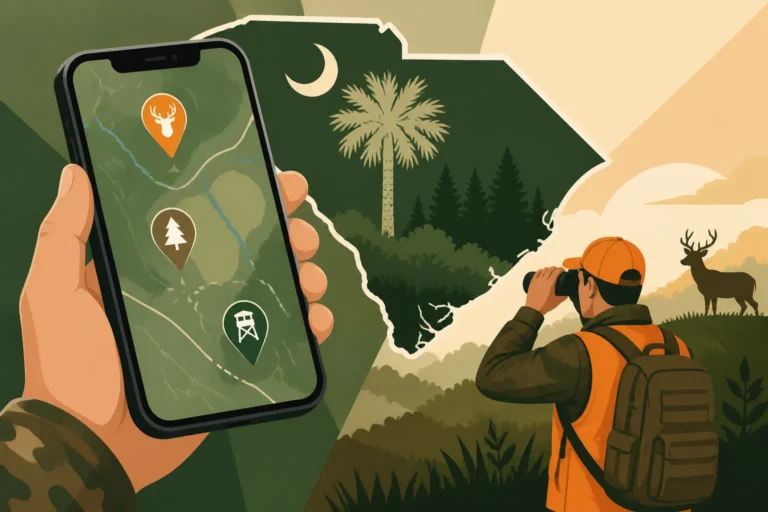
Late-season hunting tests your patience like no other time of year. Deer movements can be sporadic, and you might have long stretches of seeing absolutely nothing. It’s easy to get discouraged, but persistence is key. That big buck might only step out for five minutes right before dark, and if you’ve already packed it in, you’ve missed your shot. GoHunt's mapping features can be particularly helpful here, allowing you to mark observed deer activity, analyze historical data, and even note subtle changes in terrain or cover that might affect deer movement as the season progresses. This kind of detailed information helps you build a more comprehensive understanding of the area, informing your decisions when patterns change.
Beyond patience, adaptability is crucial. Don't be afraid to adjust your plans if what you're seeing (or not seeing) doesn't match your expectations. If deer aren't using one part of the field, perhaps they've shifted to another side with different cover or a different food source. If a cold front moves in, be ready to capitalize on increased midday activity. If a warm front arrives, adjust your timing and focus on dawn and dusk again. Continual Scouting South Carolina Public Land Before Season is always beneficial, but late-season scouting often means adapting on the fly. Look for fresh tracks, new browse, or rub lines that indicate a shift in movement patterns. Using tools like Reading Aerial Photos for Upstate Deer can help you identify these subtle changes in the landscape and how deer might be using them. The late season isn't about rigid adherence to a single plan; it's about observing, learning, and being willing to change your approach to match the deer's current behavior.
Disclaimer
Hunting involves inherent risks, including but not limited to injuries, falls, and exposure to the elements. Always prioritize safety, follow all local, state, and federal hunting regulations, and ensure you have the necessary licenses and permits. The information provided in this guide is for informational purposes only and should not replace professional guidance or proper hunter education. Always practice ethical hunting and good sportsmanship.