South Carolina’s Blaze Orange and Pink Options
One of the most common head-scratchers for South Carolina hunters, whether you're a seasoned veteran or just getting started, is navigating the maze of blaze orange and now, blaze pink requirements. It feels like every season brings new questions about when you really need to wear it, how much is enough, and if that stylish new pink vest is actually legal. It can be frustrating to sort through, but understanding these rules isn't just about avoiding a ticket; it's fundamentally about safety in the woods. This guide aims to demystify South Carolina's blaze orange and pink options, helping you understand the regulations and hunt with confidence.
Understanding the Legal Requirements for High-Visibility Gear
The rules around wearing blaze orange or blaze pink aren't arbitrary; they're designed to keep everyone safe, especially when multiple hunters are sharing the same public or private lands. It's easy to get confused, though, because the requirements can change depending on what you're hunting and when. Let's break down the core regulations that apply to most hunters in the Palmetto State.
Deer and Bear Seasons: The Core Rules
For deer and bear hunting in South Carolina, the law is pretty straightforward when firearms are involved. If you're hunting deer or bear during any firearms season, or even during a primitive weapons season where modern firearms are permitted (which applies to a good portion of the deer season outside of true archery-only periods), you're required to wear an outer garment of solid visible orange or pink. This isn't just a suggestion; it's a legal mandate. This outer garment needs to be worn above the waist, and it must be visible from 360 degrees. This means no camouflaged orange or pink patterns where the high-visibility color is broken up by other patterns. Think solid, unadulterated bright color. It ensures that when another hunter looks your way, there’s no mistaking you for game.
The purpose here is crystal clear: to prevent accidental shootings. With so many folks pursuing deer and bear, especially during peak rifle season, visibility is paramount. Imagine still-hunting through a thick pine plantation or posting up for a deer drive in the Lowcountry. Having that bright pop of color immediately signals "human" to anyone else in the vicinity. This is critical, especially in areas where visibility might be limited by dense cover or rolling terrain. South Carolina Legal Firearms for Deer Hunting explains some of the other gear considerations during these seasons, but none are quite as universally important as blaze orange or pink.
Small Game and Other Seasons: When is it Needed?
While deer and bear seasons get the most attention for blaze orange/pink rules, it's worth noting that the requirements extend to other hunting scenarios as well. Generally, if you're hunting during any open season for small game or furbearers, and there's also an open firearms season for deer or bear concurrently in the same area, then you must also abide by the blaze orange/pink rules. This is where it can sometimes get a little tricky, as small game seasons often overlap with deer seasons, especially earlier in the fall.
For example, if you're out squirrel hunting in a hardwood bottom in the Sumter National Forest during late October, and deer season is wide open for firearms, you'll need to wear your blaze orange or pink. The key takeaway is to always check the local regulations for the specific area and time you plan to hunt. A quick look at the Go Outdoors SC app or the SCDNR hunting guide can clarify any overlaps. It's always better to over-prepare than to find yourself out of compliance, or worse, in a dangerous situation. This applies even if you're targeting rabbit or grouse – if there's deer or bear rifle hunting going on, you need to be visible.
Archery Season Specifics: A Common Question
One of the most frequently asked questions I hear revolves around blaze orange during archery season. Many archers value the stealth and camouflage that allows them to get close to game, and adding a bright color seems counterintuitive. And for good reason! During a designated archery-only season, hunters specifically pursuing deer or bear with archery equipment are generally not required to wear blaze orange or pink. This is because the nature of archery hunting often requires greater concealment, and the effective range of archery equipment is typically much shorter than firearms, reducing some of the long-distance visibility concerns.
However, there's a critical caveat to this. If you are archery hunting during a period when there is also an open firearms season for deer or bear in that same zone or area, then you are required to wear blaze orange or pink. For instance, in many of South Carolina's zones, the archery season starts much earlier than the general firearms season, creating a true "archery-only" window where blaze is not needed. But as the season progresses and firearms hunters join the woods, even if you’re still carrying a bow, those high-visibility rules kick in. This is a common point of confusion, and it’s why understanding South Carolina's Four Game Zones and their respective season dates is so crucial. Always confirm the current regulations, especially if you're bowhunting later in the year.
The "Why" Behind Blaze Orange: Safety First
It's easy to view blaze orange or pink as just another rule to follow, another piece of gear to remember. But behind every regulation, especially those concerning safety, there's a strong, often somber, reason. In the context of hunting, high-visibility clothing is a non-negotiable component of a responsible hunter's kit, not just for compliance but for the well-being of everyone afield.
Preventing Accidental Shootings
The primary, undeniable reason for blaze orange and pink requirements is the prevention of accidental shootings. When you're out in the woods, especially during the hustle and bustle of deer season, visibility can be incredibly tricky. Shadows play tricks, dense undergrowth obscures views, and adrenaline can sometimes make a hunter too eager. Blaze colors provide an unmistakable visual cue that screams "human" to anyone else with a firearm in hand. This sharp contrast to natural colors like brown, green, and gray significantly reduces the chances of a hunter being mistaken for game, or simply not being seen by another hunter.
It's a stark reality that mistakes happen, and the consequences can be tragic. Wearing blaze orange or pink isn't about blaming anyone; it's about adding a layer of protection that mitigates risk. It gives other hunters a clear, unambiguous signal, allowing them to confirm their target and its surroundings before taking a shot. This is especially important in situations like deer drives, where multiple hunters are moving through cover, or when hunters are still-hunting through thick timber where quick glances are often all you get. Think about the thick bottoms and swamps that characterize much of the Lowcountry; without that bright color, a brief flash of movement could be misinterpreted.
Increasing Visibility in Diverse Terrain
South Carolina's hunting landscapes are incredibly diverse, from the dense, dark swamps of the Lowcountry to the rolling, timbered ridges of the Upstate. Each environment presents its own challenges for visibility. In a thick pine plantation, the rows of trees can create tunnel vision, making it hard to see movement off to the sides. In open hardwoods, especially with falling leaves, a hunter in camouflage can blend in almost perfectly with the bark and ground litter. In the deep shadows of river bottoms or early morning fog, even vibrant natural colors can appear muted.
Blaze orange and pink cut through these visual obstacles with remarkable effectiveness. They stand out against almost any natural backdrop, regardless of light conditions or foliage type. Whether you're in the dark understory of Francis Marion National Forest or on an open field edge in the Midlands, that bright color makes you pop. This increased visibility isn't just for other hunters seeing you; it's also about you seeing them. Being aware of other hunters' presence is just as important as them being aware of yours. Using a mapping tool like GoHunt can help you understand terrain, but seeing other hunters is still a critical aspect of safety. Reading Aerial Photos for Upstate Deer can help with understanding terrain, but it doesn't replace visibility in the field.
Historical Context and Evolution of Laws
The concept of high-visibility clothing for hunters isn't new, nor did it appear overnight. It evolved directly from a history of hunting accidents where hunters were mistaken for game. Early safety campaigns often focused on general caution, but as hunting pressure increased and firearm technology advanced, the need for a more direct visual safety measure became apparent. States began adopting blaze orange laws, and over decades, these regulations have proven to be incredibly effective in reducing hunting-related incidents. South Carolina's embrace of these laws reflects a commitment to hunter safety that is shared across the nation.
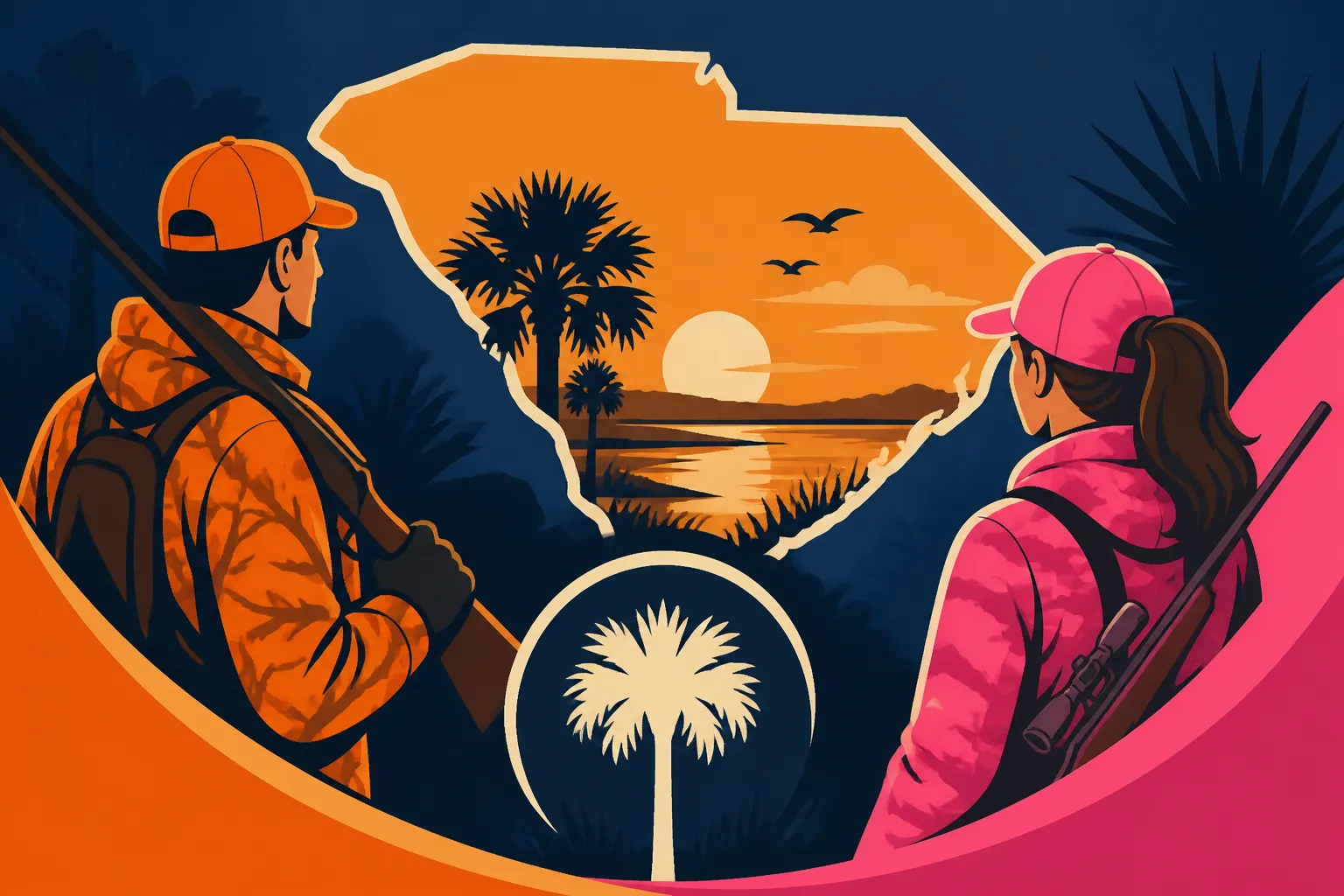
The introduction of blaze pink is a more recent development, primarily driven by efforts to encourage female participation in hunting. While the color choice might seem unconventional to some traditionalists, scientific studies have shown that blaze pink is just as visible, if not more so, than blaze orange to the human eye, particularly against a natural green or brown backdrop. It’s an evolution in safety, offering a choice that some hunters might prefer while maintaining the core safety principle. This proactive approach to safety underscores the importance wildlife agencies place on ensuring that hunting remains a safe and enjoyable activity for everyone.
Blaze Pink: A Modern Option for Hunters
For years, blaze orange was the only high-visibility option for hunters. While effective, it wasn't universally loved, and some hunters felt it lacked a certain aesthetic appeal. Enter blaze pink, a newer option that offers the same crucial safety benefits with a fresh look. Its adoption in South Carolina is part of a broader trend across the country to make hunting more inclusive and accessible.
The Introduction of Blaze Pink in SC
South Carolina officially joined several other states in allowing blaze pink as an acceptable alternative to blaze orange. This move was largely supported by those looking to expand hunting participation, particularly among women and youth, by offering a choice in high-visibility apparel. The logic behind it is simple: if offering a different color encourages more people to participate safely, then it's a win for conservation and the hunting heritage. It reflects a forward-thinking approach by the state's wildlife department to ensure that regulations adapt to changing demographics and preferences while upholding safety standards.
The journey to legalizing blaze pink wasn't without its discussions, but ultimately, the scientific evidence supporting its visibility, combined with the desire for inclusivity, carried the day. This means that hunters in South Carolina now have the flexibility to choose between blaze orange and blaze pink, knowing that both options fulfill the legal requirements for visibility and safety. It's a small but significant step towards modernizing hunting regulations without compromising the critical role high-visibility clothing plays.
Comparing Blaze Pink to Blaze Orange
When it comes to visibility, how does blaze pink stack up against its traditional orange counterpart? Scientific studies, often using colorimetry and human perception tests, have generally concluded that blaze pink is at least as visible as blaze orange, and in some contexts, potentially even more so, especially for individuals with certain types of color blindness. Both colors are highly saturated and exist in spectrums that contrast sharply with the greens, browns, and grays dominant in natural environments. They are specifically chosen because they do not occur naturally in the animals typically hunted, making them an unmistakable signal.
| Feature | Blaze Orange | Blaze Pink |
|---|---|---|
| Visibility | Highly visible against natural backgrounds | Highly visible against natural backgrounds |
| Scientific Basis | Proven effective in preventing accidents | Proven effective, sometimes more visible in studies |
| Traditional Use | Long-standing standard in hunting safety | Newer option, gaining acceptance |
| Color Spectrum | Strong orange-red | Vibrant pink-purple |
| Hunter Preference | Traditional, widely available | Modern, appeals to a diverse range of hunters |
| Legal Status in SC | Fully compliant for required use | Fully compliant for required use |
The key takeaway is that both colors serve the exact same safety purpose: to make you stand out unmistakably as a human hunter. The choice between them often boils down to personal preference or availability. If you find a blaze pink vest or hat that fits well and is comfortable, you can wear it with full confidence that you are meeting South Carolina's visibility requirements. This dual option is particularly beneficial as it caters to a wider array of tastes while maintaining paramount safety.
Benefits and Acceptance Among Hunters
The introduction of blaze pink offers several benefits beyond just compliance. For many, it's about personal expression and comfort. Some hunters, particularly women and younger individuals, simply prefer the aesthetic of pink over orange. If choosing a color they like makes them more likely to consistently wear the required safety gear, then it's a net positive for everyone. It helps break down perceived barriers to entry, making hunting feel more welcoming and inclusive to new demographics.
Acceptance of blaze pink has grown steadily since its introduction. While some traditionalists might still prefer blaze orange, the overwhelming sentiment within the hunting community is one of support for choices that enhance safety and encourage participation. It’s a reflection of how hunting, while rooted in tradition, is also a dynamic activity that adapts to modern times. Whether you choose blaze orange or blaze pink, the most important thing is that you wear it, and wear it correctly, ensuring you are visible to your fellow hunters. This flexibility helps ensure that everyone can feel comfortable and confident, especially when following other safety guidelines like those outlined in South Carolina Hunter Education Requirements.
Practical Considerations for Wearing Blaze Gear
Knowing the rules is one thing, but actually implementing them in the field effectively requires a bit of practical thought. South Carolina's weather can be notoriously warm, even into the deer season, and layering appropriately while maintaining visibility can be a challenge. Beyond that, choosing the right gear and keeping it functional are also important aspects of responsible hunting.
Choosing the Right Gear: Vests, Hats, and Beyond
When it comes to blaze orange or pink, you'll find a wide variety of gear options. The most common are vests and hats, but you can also find full jackets, hoodies, and even backpacks with integrated blaze panels. The South Carolina regulation generally specifies an "outer garment of solid visible orange or pink worn above the waist and visible from 360 degrees." This usually means a vest or a jacket. A hat is a good addition but typically isn't enough on its own to meet the "outer garment" requirement.
When choosing your gear, think about functionality and durability. Look for vests that are lightweight and breathable for warmer early season hunts, but also consider heavier options if you'll be out later in the year when temperatures drop. Ensure the material is tough enough to withstand snags from briars and branches in the dense Lowcountry undergrowth or when climbing over downed timber on an Upstate ridge. The fit is also important; it should be comfortable enough to wear all day without restricting your movement or interfering with your shot. Many hunters find that a simple, well-fitting vest that can be worn over any other hunting clothes is the most versatile option. You want something that you won't even notice you're wearing until you take it off. Blaze Orange Jackets Versus Vests often comes down to personal comfort and layering needs.
Layering and Warm-Weather Hunting Challenges
South Carolina's hunting seasons, especially for deer, start in August in some zones, when temperatures can still be soaring into the 90s with oppressive humidity. This presents a unique challenge for wearing blaze orange or pink. The last thing you want is a heavy, insulated vest on a stifling August morning. The good news is that manufacturers understand this, and there are plenty of lightweight, mesh blaze vests designed specifically for warm weather.
When planning your layering system, start with moisture-wicking base layers to keep you dry. Over that, wear your preferred camo or hunting shirt, and then add your lightweight blaze vest or jacket as the outermost layer. Remember, the requirement is for the blaze color to be visible from 360 degrees and above the waist. This means it needs to be an outer layer, not tucked away under a jacket. For early season, a mesh vest over a long-sleeved camo shirt is often ideal. For cooler days, you can layer a blaze jacket over warmer clothing. The key is to avoid getting overheated while still being compliant. Lightweight Layering for Warm-Weather Sits is crucial for comfort and staying in the woods longer.
Maintenance and Visibility Over Time
Just like any piece of hunting gear, your blaze orange or pink clothing needs proper care to maintain its effectiveness. Over time, exposure to sun, dirt, and repeated washing can cause the colors to fade, reducing their vibrancy and, consequently, their visibility. Always follow the manufacturer's washing instructions, typically cold water and air drying, to preserve the color as much as possible. Avoid harsh detergents or bleach, which can strip the color.
Before each season, or even periodically throughout the season, take a moment to inspect your blaze gear. Is the color still bright and unmistakable? Are there any rips or tears that might diminish its visibility or expose other colors? If your vest or jacket looks dull or faded, it might be time for a replacement. A few dollars spent on a new, vibrant vest is a small price to pay for ensuring your safety. Think of it as an investment in your well-being and the safety of everyone else enjoying South Carolina's fantastic hunting opportunities.
Common Misconceptions and Compliance Tips
Despite the clear intent of blaze orange and pink laws, there are always lingering questions and misconceptions that can lead to confusion or, worse, non-compliance. Let's clear up some of those common points and offer some simple tips to ensure you're always hunting legally and safely.
When You Don't Need Blaze Gear
One of the most common misconceptions is that you always need to wear blaze orange or pink when hunting in South Carolina. This isn't necessarily true. As we discussed earlier, during a dedicated archery-only season for deer or bear, hunters using only archery equipment are typically exempt from the blaze requirement. This is a specific window, usually at the very beginning of the deer season in each zone, before the primitive weapons or modern firearms seasons open. When South Carolina's Archery Season Opens can help clarify those specific dates.
Furthermore, if you are hunting small game outside of any concurrent firearms deer or bear season, you generally don't need blaze orange or pink. For instance, if you're hunting squirrels after deer season has closed, or during a small window when only small game is open, then the requirement wouldn't apply. However, it's crucial to consult the current SCDNR regulations for the specific game zone and time of year you plan to hunt, as season dates and overlaps can change. When in doubt, wear it. No one ever got in trouble for being too visible.
What Constitutes "Visible Above the Waist"
The legal phrasing "outer garment of solid visible orange or pink worn above the waist and visible from 360 degrees" can sometimes lead to interpretation issues. Let's break it down:
- "Outer garment": This means it must be the outermost layer. You can't wear a blaze vest and then put a camo jacket over it. The blaze must be on top.
- "Solid visible orange or pink": This explicitly excludes camouflage patterns that incorporate blaze colors but break them up with other patterns. While some camo patterns have small orange accents, they generally don't meet the "solid visible" requirement. Think bright, unbroken blocks of color.
- "Above the waist": This covers vests and jackets. It doesn't necessarily mean your entire torso, but the primary mass of the garment should be above your belt line.
- "Visible from 360 degrees": This is perhaps the most critical part. It means that no matter which direction another hunter looks at you from, they should see that bright color. A blaze hat, while helpful, doesn't provide 360-degree visibility because it only covers your head. A vest that wraps around your torso is typically what's needed. Be mindful of your backpack; if it covers up too much of your blaze vest, you might need to find a pack with integrated blaze panels or attach a blaze cover.
Checking Regulations Annually
Hunting regulations are not static; they can, and do, change from year to year. New laws are passed, season dates shift, and specific requirements might be updated. Relying on what you remember from last season, or what a buddy told you, is a recipe for potential non-compliance. Every year, before you head afield, make it a habit to check the current South Carolina hunting regulations published by the SCDNR.
You can usually find these online through the SCDNR website, or pick up a physical copy wherever hunting licenses are sold. Additionally, the Go Outdoors SC app often provides convenient access to current regulations and mapping tools. Using resources like GoHunt can also help you stay informed about the latest rules for your hunting area. Taking a few minutes to review these changes ensures you're always legal and safe. This annual review is just as important as checking your gear or patterning your shotgun.
Special Circumstances and WMA Rules
While the general statewide rules for blaze orange and pink apply broadly, South Carolina's vast Wildlife Management Area (WMA) system, as well as specific hunting methods, can sometimes have additional or slightly different requirements. It's vital to be aware of these nuances, especially when hunting public lands.
WMA Specific Blaze Orange Rules
Hunting on South Carolina's Wildlife Management Areas often comes with its own set of rules, which can sometimes be more stringent or specific than statewide regulations. This is largely due to the higher hunting pressure many WMAs experience, and the need to manage diverse hunting activities in close proximity. Always, always check the WMA-specific regulations for the area you plan to hunt. These details are usually found in the annual SCDNR hunting guide under the WMA section, or sometimes posted at WMA entrances.
For example, some WMAs might have different blaze requirements during certain seasons, or stricter definitions of what constitutes "adequate" blaze coverage. While the general rules for firearms deer and bear seasons will apply, there might be other specific dates or hunt types where blaze orange/pink is required even if it wouldn't be on private land. This is particularly true for quota hunts or special managed hunts where hunters might be concentrated in certain areas. Think of the rules for Hunting the ACE Basin for Deer or Donnelley WMA Deer Quota Hunts – these areas often have detailed regulations beyond the basic statewide guidance. Never assume; always verify.
Mentored Youth and Blaze Requirements
South Carolina encourages youth participation in hunting through programs like the mentored youth hunting license. These programs allow young, unlicensed hunters to gain experience under the direct supervision of a licensed adult. When it comes to blaze orange or pink, the same rules generally apply to mentored youth as they do to adult hunters during firearms seasons. If the adult mentor is required to wear blaze, the youth hunter must also wear it.
This is critical for the safety of the youngest hunters, who might be less experienced in identifying game or understanding safe shooting lanes. Ensuring they are highly visible is a foundational aspect of their safety education. The mentor is responsible for ensuring the youth is properly equipped and understands all safety protocols, including wearing appropriate high-visibility clothing. It's a great opportunity for experienced hunters to pass on not just hunting skills, but also a deep respect for safety rules and responsible hunting practices.
Dog Hunting and Driver/Standers
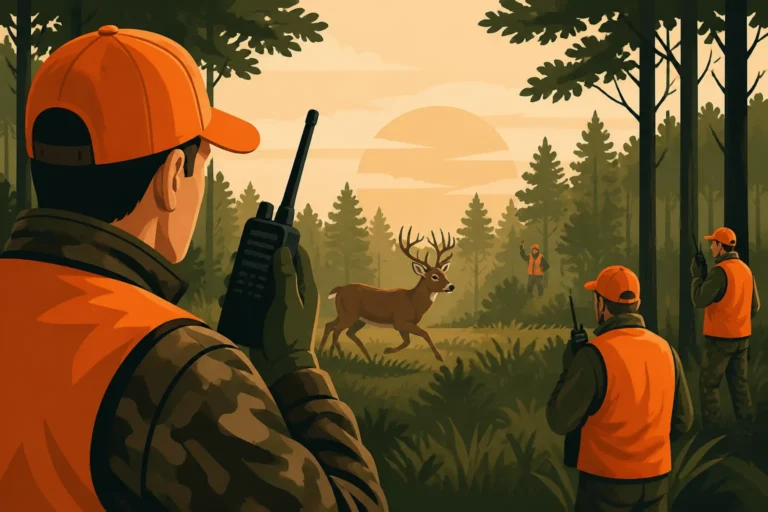
In parts of South Carolina, particularly the Lowcountry, dog hunting for deer is a long-standing tradition. This method often involves drivers pushing deer through cover towards standers positioned along roads or property lines. In these scenarios, visibility becomes even more paramount due to the movement of both humans and dogs, and the often fast-paced nature of the hunt. Both the drivers pushing through the woods and the standers waiting for deer are required to wear blaze orange or pink during firearms deer season.
For standers, it's crucial to be highly visible not just to other hunters in your own party, but also to anyone else who might be in the area. Drivers, often moving through dense thickets, rely on their blaze gear to signal their presence. The 360-degree visibility rule is particularly important here. Wearing a blaze orange or pink vest and a hat is typically considered the minimum for these activities. The increased activity and potential for quick shots make high visibility an absolute must for everyone involved. Deer Drives on South Carolina Public Land and Posting a Drive Around a Lowcountry Swamp are prime examples where such visibility is non-negotiable for safety.
Disclaimer
This article is for general informational purposes only and does not constitute professional advice. Laws, prices and regulations vary by location and change over time. Consult a qualified professional for guidance on your specific situation.