Minimum Draw Weight for South Carolina Deer
When you're getting ready to head into the South Carolina woods with your bow, one of the first questions on many hunters' minds, especially newer archers or those exploring new gear, is about draw weight. It's a fundamental aspect of your setup, and truthfully, it can feel like a bit of a maze trying to figure out if your bow is truly up to the task or if you're pushing yourself too hard. This guide is here to cut through the confusion and help you understand the minimum draw weight requirements for deer hunting in our beautiful state, and more importantly, what "effective" draw weight really means for a clean, ethical harvest.
The Official Line: South Carolina's Archery Regulations
Let's start with the hard facts. When it comes to the legal minimum draw weight for hunting deer with a bow in South Carolina, the regulations are pretty straightforward, but it's vital to understand them completely. It's not just about what's written; it's about the spirit of the law and ensuring you're prepared for the field.
Understanding the Regulations
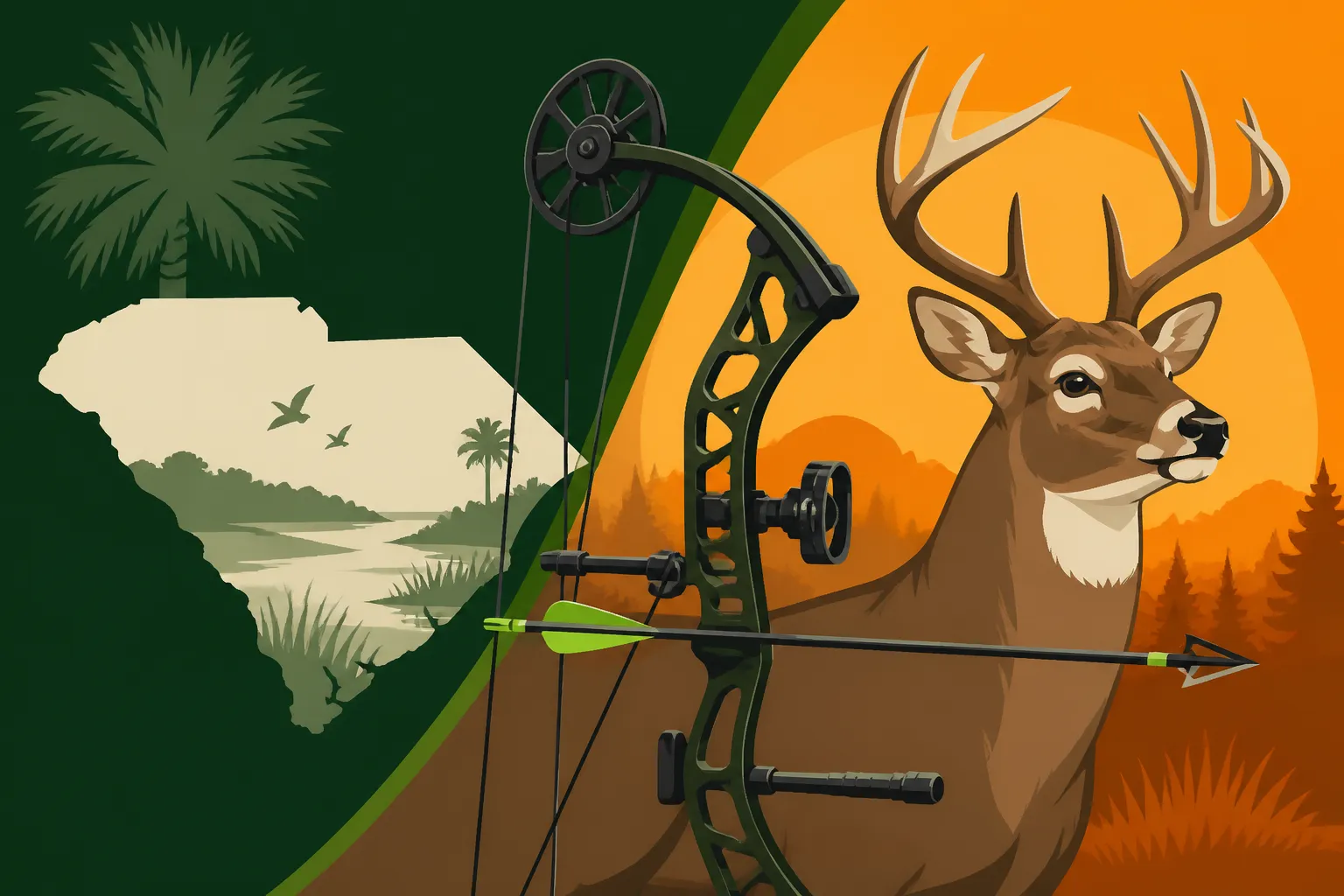
South Carolina's Department of Natural Resources (SCDNR) sets the rules to ensure ethical hunting practices and minimize the suffering of game animals. For archery deer hunting, the regulation states that a bow must have a minimum draw weight of 30 pounds. This applies to recurves, longbows, and compound bows alike. It's a baseline, a floor, if you will, to ensure that the equipment used is capable of delivering an arrow with sufficient force to harvest a deer humanely. This minimum is in place to prevent underpowered bows from being used, which could lead to wounded animals and tracking nightmares. While 30 pounds might sound low to some seasoned archers, it's considered the absolute bare minimum for adequate penetration on a whitetail deer, especially if you consider factors like shot placement and arrow/broadhead selection. For those new to the sport, or even veterans just getting back into it, understanding this initial hurdle is paramount. Before you even think about Bowhunting South Carolina's Long Archery Season, confirming your equipment meets this standard is your first step.
Beyond the Letter of the Law
While 30 pounds is the legal minimum, it's really just that—a minimum. Experienced archers will tell you that relying solely on the minimum draw weight might not always be the most effective or ethical approach, depending on your specific hunting scenario and personal capabilities. Imagine you're deep in the Lowcountry, stalking through thick palmetto and cypress stands, and a nice buck steps out at 25 yards. You've got your 30-pound bow, and legally, you're good to go. But what if the shot isn't perfectly broadside? What if a small branch is grazed, or the deer's shoulder bone is hit? That minimum kinetic energy might not be enough for a clean pass-through, leading to a difficult, if not impossible, recovery. This is where personal responsibility comes in. Just because it's legal doesn't mean it's optimal. Many hunters, even those with lower draw weights, will often practice diligently and select highly efficient broadheads to maximize their chances. When checking out areas for your hunt, using mapping tools like GoHunt can help you identify potential shot distances and cover, helping you better prepare your setup.
Why Draw Weight Matters Beyond the Legal Minimum
The legal minimum is a starting point, but the true importance of draw weight lies in its direct impact on arrow performance in the field. It’s not just about launching an arrow; it’s about making sure that arrow has the power to do its job effectively and humanely.
Kinetic Energy and Arrow Penetration
Draw weight is directly correlated with the kinetic energy (KE) and momentum your arrow carries. Simply put, a higher draw weight generally means more stored energy, which translates to a faster, more powerful arrow. Why is this so crucial? Because kinetic energy and momentum are what drive your broadhead through the animal. A deer's hide, muscle, and bone are tough. Without sufficient KE and momentum, your arrow might not achieve the necessary penetration for a lethal shot, especially on larger-bodied deer or if you encounter tougher resistance like a shoulder blade. Think about hunting in areas where deer might be larger, perhaps in the rich farmlands of the Midlands, or even a robust buck in the Upstate. A 40-50 pound draw weight on a compound bow, paired with a well-matched arrow, will deliver significantly more energy than a 30-pound setup. This extra energy greatly increases the probability of a complete pass-through, which is what every bowhunter strives for. A pass-through creates two wound channels, maximizing blood loss and making tracking much easier. This is a critical factor to consider when preparing your equipment, alongside your choice of Broadheads for Swamp Timber Shots or open fields.
Ethical Harvest and Animal Welfare
As hunters, we bear a significant responsibility for the animals we pursue. An ethical harvest means striving for the quickest, most humane kill possible. In archery, this largely comes down to shot placement and arrow penetration. If your bow setup lacks the power to consistently achieve adequate penetration, even with good shot placement, you run the risk of wounding an animal without recovering it. This is a heartbreaking scenario for any hunter and goes against the core principles of ethical hunting. It's not about proving your strength; it's about respecting the animal and making sure you've done everything in your power to ensure a clean harvest. While 30 pounds can kill a deer, a bow set at a higher, yet comfortable, draw weight often provides a larger margin for error in real-world hunting conditions. Deer don't always stand perfectly still, and shots aren't always textbook. Having the extra punch can make the difference between a quick recovery and a lost animal. Thinking about the responsibility we carry, consider the broader context of South Carolina Deer Herd Size and how each individual harvest contributes to the overall health and management of the population.
Factors Affecting Effective Draw Weight in the Field
It's easy to get caught up in the numbers—the 30-pound minimum, the 60-pound maximum, and so on. But the real world of hunting is far more complex than a laboratory test. Several factors come into play that can drastically impact how effective your chosen draw weight truly is when you’re out in the woods.
The Role of Archer's Form
You might have a bow set at 60 pounds, which sounds like plenty of power, but if you can't comfortably hold it at full draw, maintain proper form, and execute a smooth release, that 60 pounds means very little. In fact, it's often detrimental. An archer struggling with a too-heavy draw weight will inevitably develop poor form: hunched shoulders, torqueing the bow, anticipating the shot, or punching the trigger. All these form breaks lead to inconsistent accuracy, and an inaccurate shot, no matter how powerful, is unethical and ineffective. It's far better to shoot a 40-pound bow with perfect, repeatable form than to struggle with a 60-pound bow and deliver erratic shots. Your effective draw weight isn't just about what the bow scale reads; it's about what you can comfortably and accurately shoot, shot after shot, under pressure. Practicing with your bow and truly understanding your capabilities is paramount. Using resources like GoHunt to mark shooting lanes or potential shot distances during your scouting trips can help you simulate real-world scenarios and test your comfort level.
Arrow and Broadhead Selection
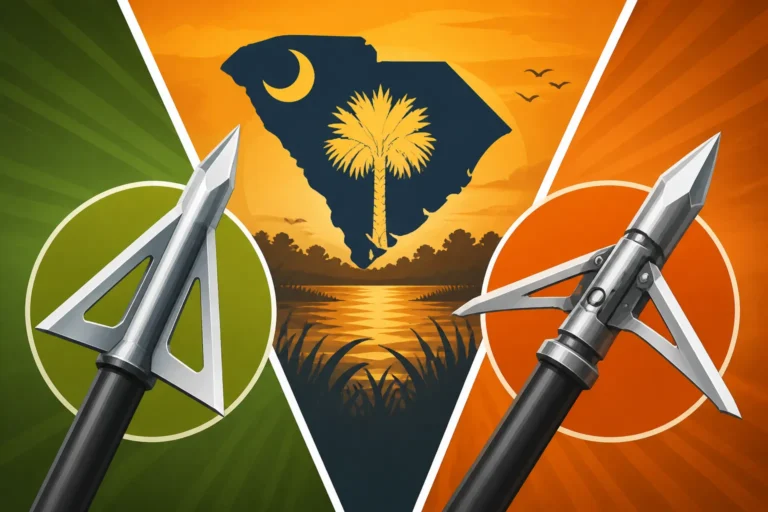
The arrow you choose and, crucially, the broadhead you put on it, play an enormous role in how well your bow's draw weight translates into penetration. A heavy arrow carries more momentum, which is key for busting through bone and maintaining penetration, even at lower kinetic energy levels. Similarly, your broadhead choice is incredibly important. A fixed-blade broadhead, especially a two-blade design, often provides superior penetration compared to many mechanical broadheads, particularly at lower draw weights, because it has less resistance upon impact and doesn't expend energy deploying blades. Mechanical broadheads, while offering a wider cutting diameter, require more kinetic energy to perform effectively. If you're shooting a 30-40 pound bow, a razor-sharp, fixed-blade broadhead on a moderately heavy arrow is often a more ethical and effective choice than a large mechanical broadhead. This synergistic relationship between your bow, arrow, and broadhead is what truly determines your hunting effectiveness. You can dive deeper into specific choices with guides like Arrow Weight for Short Shots.
Shot Placement and Distance
No amount of draw weight can compensate for poor shot placement. The vitals of a deer—the heart and lungs—are relatively large targets, but they are protected by bone and muscle. A well-placed arrow from a 30-pound bow into the vital triangle will be far more effective than a poorly placed arrow from a 70-pound bow. Moreover, shot distance is a critical variable. As an arrow flies, it loses kinetic energy. A 30-pound bow might be adequate for a 15-yard shot, but that same setup might struggle to achieve ethical penetration at 30 yards. Always know your effective range and stick to it. This means practicing at various distances and honestly assessing your accuracy and penetration capabilities. Hunting in areas with thick cover, such as those discussed in Hunting Lowcountry Swamp Deer, might naturally limit your shot distances, making lower draw weights more viable, whereas hunting a powerline cut or field edge might present longer shots. Always check your setup to ensure it's capable of clean, ethical kills at the distances you plan to shoot.
Choosing Your Ideal Draw Weight for South Carolina Deer
So, how do you decide what draw weight is right for you? It's a balance of legality, ethics, and personal capability. It’s about being realistic and setting yourself up for success, not just meeting the bare minimum.
Prioritizing Comfort and Accuracy
The single most important factor in choosing your draw weight is comfort and the resulting accuracy. If you're struggling to pull your bow back, your muscles will be shaking, your form will suffer, and your accuracy will plummet. A lighter draw weight that you can consistently pull, hold, and shoot accurately will always be more effective than a heavy draw weight that causes you to wobble and miss. Think about a long sit in a Treestand Setups in Francis Marion National Forest—after an hour or two, can you still smoothly draw your bow if a deer appears? Or will fatigue set in, making your shot wobbly? Start with a draw weight you can comfortably manage for multiple repetitions without excessive strain. You should be able to draw your bow smoothly without pointing it at the sky or shaking to get to full draw. For many adult hunters, this sweet spot for a compound bow often falls between 40-60 pounds, offering a good balance of power and manageable effort. Recurve and longbow archers often shoot slightly lower, but again, comfort and control are key.
Progressive Training and Strength Building
If your current comfortable draw weight is below what you'd ideally like to hunt with, or if you're just starting, don't despair! You can absolutely build up your strength. Archery muscles are specific, and consistent practice is the best way to develop them. Start with a comfortable weight and focus on perfect form. As you get stronger, you can gradually increase your draw weight in small increments (2-5 pounds at a time). Use a bow with adjustable draw weight, or invest in a set of resistance bands that mimic the drawing motion. Regular practice sessions, focusing on smooth draws, holding at full draw, and controlled releases, will not only build the necessary muscle but also ingrain good habits. Remember, consistency is key. You're not training for a one-time lift; you're building endurance for repeated, accurate shots in the field. This progressive approach applies whether you're aiming for longer shots or simply want more confidence in your close-range capabilities. If you're looking for more general information on licenses and requirements, check out South Carolina Hunting Licenses and What They Cost.
Testing Your Setup in Realistic Scenarios
Once you've settled on a draw weight and have your arrow and broadhead combination ready, the real test begins: practice under conditions that mimic hunting. Don't just shoot targets at a static range. Practice from an elevated stand if you plan to hunt from one. Practice after walking a quarter-mile, simulating a stalk. Practice in hunting clothes. How does your accuracy hold up when you're a little tired, or when drawing from a seated position? This kind of realistic practice is invaluable. Set up your GoHunt app to measure distances to various markers, then practice shooting at them quickly, simulating a deer appearing. Pay attention to how your arrows penetrate different target materials. Are you consistently getting pass-throughs? Can you group your shots tightly enough to hit vitals from various distances and angles? This critical self-assessment will give you the confidence that your chosen draw weight, combined with your skill and equipment, is truly ready for the demands of a South Carolina deer season.
Here’s a quick overview of how draw weight and related factors can impact your hunt:
| Factor | Lower Draw Weight (e.g., 30-40 lbs) | Higher Draw Weight (e.g., 50-70 lbs) | Key Consideration for SC Hunters |
|---|---|---|---|
| Legal Minimum | Meets SC's 30 lb requirement | Exceeds SC's 30 lb requirement | Always ensure you meet the 30 lb minimum. |
| Archer Comfort | Easier to draw and hold, less fatigue | Requires more strength, potential for fatigue | Prioritize comfort for consistent accuracy, especially on longer sits. |
| Accuracy | Easier to maintain good form, typically more accurate | Can compromise form if too heavy, less accurate | A comfortable draw weight leads to better shot placement. |
| Kinetic Energy (KE) | Lower KE, less power | Higher KE, more power | Crucial for penetration, especially on larger deer or tougher angles. |
| Momentum | Lower momentum, less force for busting bone | Higher momentum, better for bone impact | Helps with pass-throughs and tracking. |
| Arrow Speed | Slower arrow, more trajectory drop | Faster arrow, flatter trajectory | Faster arrows mean less deer reaction time, flatter shots. |
| Broadhead Choice | Fixed blade generally preferred for penetration | Can use fixed or mechanical, more versatility | Match broadhead to KE for optimal penetration. |
| Ethical Harvest | Requires precise shot placement, good arrow/broadhead | Provides more margin for error, greater penetration | Always strive for a quick, humane kill. |
| Hunting Scenarios | Ideal for close shots in thick cover | Good for varied distances, open areas | Consider typical shot ranges in your hunting area (e.g., Hunting Coastal Rice Field Edges vs. Still-Hunting Sumter Forest Ridges). |
Ultimately, the minimum draw weight for South Carolina deer hunting is 30 pounds. But effective hunting goes far beyond that number. It's about your personal strength, your commitment to practice, and the synergistic performance of your entire archery setup. Choose wisely, practice often, and hunt ethically.
Disclaimer
This article is for general informational purposes only and does not constitute professional advice. Laws, prices and regulations vary by location and change over time. Consult a qualified professional for guidance on your specific situation.