Dove Hunting South Carolina Opening Weekend
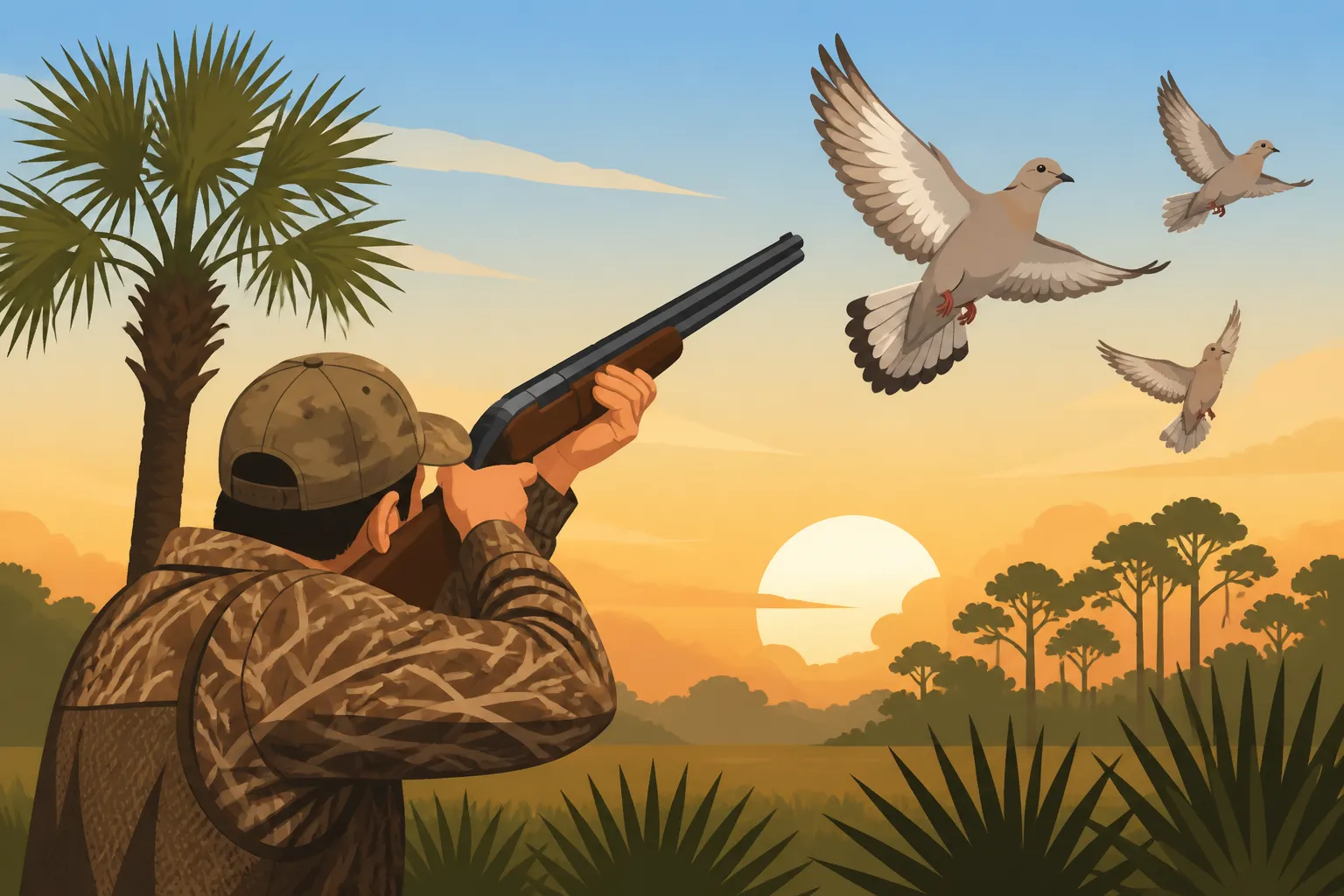
The arrival of early September in South Carolina brings with it a palpable excitement for many hunters: the opening day of dove season. For folks across the state, from the Lowcountry to the Upstate, this isn't just another hunting trip; it's a cherished tradition, a social gathering, and a chance to kick off the fall hunting calendar. Yet, the chaos, crowds, and sheer unpredictability of opening weekend can be a real headache, making it tough to find a good spot, stay safe, and actually bring home some birds. This guide is here to walk you through everything you need to know to navigate the unique challenges and maximize your success dove hunting South Carolina opening weekend, ensuring you have a memorable and productive experience.
Understanding South Carolina's Dove Season Structure
South Carolina's dove season is eagerly anticipated each year, often marking the unofficial start of the fall hunting seasons. It’s a time when hunters reconnect with friends and family, shake off the summer rust, and enjoy some fast-paced action. But to truly make the most of it, you need a solid grasp of how the season is structured, especially for that thrilling opening weekend.
The Importance of Opening Weekend
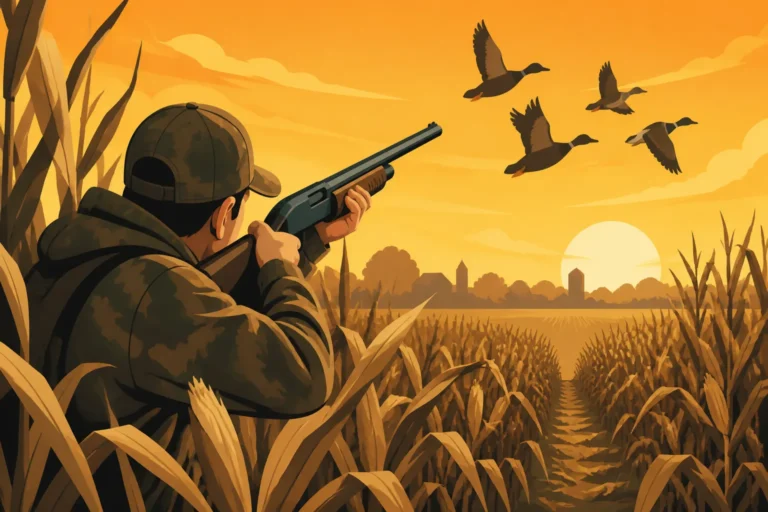
Opening weekend for dove season in South Carolina isn't just another hunt; it's a cultural event. Fields across the state, both public and private, come alive with activity. You'll find families setting up elaborate camps, friends sharing stories, and the air buzzing with anticipation long before the first shot is fired. This early season typically offers the freshest birds that haven't been pressured much, making for some of the best shooting opportunities of the year. The doves are often still patterned to predictable feeding and watering areas, making them slightly more susceptible to well-placed decoys and strategic field setups.
However, this also means competition. Public fields can be packed, and even private land will see increased hunter density. Understanding that opening weekend is often a balance between prime opportunity and managing crowds is key. It's about being prepared for a lively atmosphere, exercising patience, and always prioritizing safety. The sheer volume of birds available, especially in well-managed fields, makes it worth the effort. Often, the first few hours of opening day offer the most consistent action as doves move from roosts to feeding areas, providing a fantastic, albeit brief, window of opportunity.
Dove Zones and Their Impact
South Carolina traditionally divides its dove season into multiple segments, with the first segment usually kicking off in early September. While there aren't distinct "dove zones" in the same way there are deer zones (like those explained in South Carolina's Four Game Zones), the general statewide season dates usually remain consistent, offering a unified opening. What does impact your hunt, however, is the regional availability of prime habitat and the pressure birds experience. Areas with abundant agricultural fields, particularly those planted with sunflowers, millet, corn, or wheat, will naturally attract and hold more doves.
Coastal regions, for instance, might have different agricultural practices or access points compared to the Upstate or the Midlands. Knowing what types of crops are prevalent in your chosen hunting area can give you a significant advantage. For example, if you're hunting in the Pee Dee region, known for its extensive agriculture, you might find more large, managed dove fields. In contrast, in more rural, timber-heavy areas, you might be looking for smaller, cut grain fields or isolated watering holes. The overall success of opening weekend often hinges on local agricultural cycles and whether fields have been cut, creating accessible food sources for doves. It's crucial to check the current year's SCDNR regulations, as season dates can shift slightly, and local field conditions are always changing.
License and HIP Requirements for Dove Hunters
Before you even think about setting foot in a dove field, you absolutely must ensure your licensing is squared away. This isn't just a suggestion; it's a legal requirement that can lead to hefty fines if overlooked. In South Carolina, all hunters need a valid hunting license. For residents, this typically means a base hunting license, while non-residents will need their respective non-resident license. You can find detailed information on costs and options in our guide on South Carolina Hunting Licenses and What They Cost.
Beyond the base hunting license, migratory bird hunters, including dove hunters, have an additional requirement: the Migratory Bird Hunter Record Card, often called HIP certification. HIP stands for Harvest Information Program, and it’s a federal program that helps wildlife agencies gather data on migratory bird harvests. Without current HIP certification, your hunting license isn't valid for migratory birds. This certification is usually a simple, quick process you can complete when you purchase your license, either online through the Go Outdoors SC portal or at an authorized vendor. Don't forget this crucial step! The SCDNR also tracks harvest data, and having accurate information from hunters helps them make informed management decisions to ensure healthy dove populations for years to come. Remember, you'll also be subject to bag limits, which are strictly enforced, so be sure to know the current South Carolina Dove Daily Bag Limit.
Pre-Season Scouting: Laying the Groundwork for Success
You wouldn't build a house without a blueprint, and you shouldn't attempt opening weekend dove hunting without some serious pre-season scouting. This is where success truly begins, allowing you to identify the best fields, understand bird movement, and select your prime setup location long before the crowds arrive. Skipping this step is a surefire way to end up in a less productive spot, feeling frustrated while other hunters are having all the action.
Identifying Prime Dove Habitat
Doves are creatures of habit, and their habits revolve around food, water, and grit. Prime dove habitat almost always includes agricultural fields that have been recently harvested or specifically planted for doves. Think sunflowers, millet, corn, and wheat fields. After harvest, these fields leave scattered grains on the ground, which doves absolutely feast on. Look for fields with bare earth or very short stubble, as doves prefer to feed in open areas where they can easily see predators. Proximity to water is also critical. Doves need to drink frequently, especially in early September's warm South Carolina weather, so fields near ponds, creeks, or even drainage ditches are often magnets.
Beyond food and water, doves also need grit (small gravel or sand particles) to help with digestion, and they love power lines, dead trees, or tall snags to perch on between feeding cycles. These perching areas serve as loafing spots and observation points. As you scout, look for these key elements: active feeding fields, a nearby water source, accessible grit, and plenty of perching opportunities. A field that combines all four is a goldmine. Pay attention to fields that have varied crop types or different stages of harvest, as this can concentrate birds. Even a small patch of sunflowers next to a larger cornfield can be a hot spot.
Locating Public and Private Dove Fields
Finding a place to hunt doves on opening weekend in South Carolina can feel like a daunting task, especially with the high demand. For those without private land access, public hunting opportunities exist, primarily through Wildlife Management Areas (WMAs) managed by the South Carolina Department of Natural Resources (SCDNR) or designated public dove fields. Many WMAs have specific public dove fields, often planted with dove-attracting crops. It's vital to check the SCDNR website for lists of these fields and any special rules, such as quota hunts or specific sign-in procedures. Some of these public fields might even require a special South Carolina Public Dove Field Draw Rules, so plan ahead.
For private land, establishing relationships with landowners is invaluable. Farmers, in particular, are often looking for help managing dove populations that can decimate crops. Always approach landowners respectfully, well in advance of the season, and be prepared to offer assistance in exchange for hunting access. Websites like GoHunt can be useful tools for identifying landownership boundaries, which can help in your efforts to secure permission. Whether public or private, always scout the field itself. Look for actual bird activity – doves flying in and out, feeding on the ground, or perched on power lines. Fresh droppings are another excellent indicator of active use.
The Role of Aerial Maps and Scouting Apps
In today's hunting world, technology is your best friend when it comes to scouting. Aerial maps, available through satellite imagery on platforms like Google Earth or dedicated hunting apps such as GoHunt, are indispensable for pre-season reconnaissance. Before you ever step foot in a field, you can virtually scout dozens of potential locations from your computer or phone. Look for large agricultural fields, especially those near water sources or dense cover. Identify potential flight corridors, perching trees, and easy access points. These apps allow you to mark waypoints, measure distances, and understand the lay of the land without disturbing any birds or wasting valuable time driving around aimlessly.
When using these tools, pay close attention to field edges, fence lines, and breaks in timber – these are often natural flight paths for doves. Note where power lines run, as doves frequently use them as loafing and staging areas. While apps like GoHunt provide an excellent starting point, nothing beats putting boots on the ground. Once you've identified promising areas virtually, make a physical visit. Confirm crop types, assess field conditions (has it been cut?), and observe actual dove movement. This combination of digital and on-the-ground scouting provides the most comprehensive preparation, greatly increasing your chances of finding that perfect opening day spot. For details on using digital tools, you might find our guide on Scouting With the Go Outdoors SC App helpful, though it focuses more on deer, the principles apply.
Essential Gear for Opening Day Success
You can have the best-scouted field and perfect timing, but without the right gear, your opening weekend dove hunt can quickly become uncomfortable or unproductive. From your firearm to your seating, every piece of equipment plays a role in your enjoyment and success. Don't underestimate the early September heat in South Carolina; forgetting key comfort items can ruin your experience faster than anything else.
Shotgun and Ammunition Choices
For dove hunting, a fast-handling shotgun is paramount. Doves are notoriously erratic flyers, capable of incredible aerial acrobatics, so quick target acquisition and follow-through are essential. Most dove hunters opt for 12-gauge or 20-gauge shotguns, with both semi-automatics and over/unders being popular choices. Semi-autos offer faster follow-up shots, which can be a huge advantage when multiple doves are zipping past, while over/unders are classic, reliable choices. When considering your firearm, you might want to review our insights on Shotguns for South Carolina Dove and Quail.
As for ammunition, stick to lighter loads with smaller shot sizes. Dove hunting is a volume game, and lighter loads allow for less recoil and quicker recovery for subsequent shots. Typically, hunters use 7.5 or 8 shot. These smaller pellets create a dense pattern, increasing your chances of hitting these small, fast-moving targets without over-penetrating and damaging the meat. You'll be shooting a lot, so bring plenty of shells – a couple of boxes per hunter is a good starting point, sometimes even more if the birds are flying hot. Always match your choke to the expected range of your shots; a modified or improved cylinder choke is often a versatile choice for the varied ranges you'll encounter in a dove field. We delve into more detail on specific sizes in Shot Size for Quail and Dove.
Decoys, Chairs, and Blinds
Doves are social birds, and they are naturally drawn to other doves, making decoys incredibly effective. A simple spread of dove decoys, especially spinning-wing decoys like MOJO Doves, can significantly increase your success by attracting birds into shooting range. Place decoys strategically around your shooting position, mimicking doves feeding on the ground or perched on a low fence. The spinning wings of mechanical decoys catch doves' attention from a distance, luring them closer.
Comfort is non-negotiable for a long sit in a dove field, particularly on opening day. A comfortable dove stool or chair is essential. You'll be spending hours scanning the skies, and a good seat will prevent fatigue and allow you to stay focused. Many hunting chairs come with backrests or even small coolers built-in. A small, portable ground blind or a few camo netting panels can help you break up your outline against the background, making you less visible to wary doves. Natural cover, like standing corn or a thick fencerow, can also serve as an excellent blind. Our guide on Dove Stools and Field Gear offers more specific recommendations.
Hydration, Sun Protection, and Comfort Items
South Carolina in early September means heat and humidity. Ignoring these factors can quickly lead to discomfort or, worse, heat-related illness. Hydration is critical. Bring a large cooler filled with water, sports drinks, and ice. Dehydration can creep up on you without realizing it. Sun protection is equally important. A wide-brimmed hat, sunglasses, and plenty of sunscreen are absolute must-haves. Light-colored, breathable clothing (even camo) will help reflect the sun and keep you cooler. Look for fabrics that wick moisture away from your skin. You might find our post on Warm-Weather Clothing for South Carolina Hunters especially useful for selecting appropriate attire.
Beyond the basics, consider insect repellent, especially for mosquitoes and gnats, which can be prolific in damp fields. A small first-aid kit for minor cuts, scrapes, or insect bites is also a smart addition. And don't forget a game vest or a bucket with a mesh bottom for your harvested birds. This allows air circulation, which is crucial for cooling down birds in warm weather. A multi-tool or a good knife for cleaning birds later is also helpful. Being prepared for the elements ensures your focus stays on the birds, not on your discomfort.
Mastering Opening Day Tactics
Opening day for dove season in South Carolina is a high-energy affair, and while luck certainly plays a role, thoughtful tactics are what truly set successful hunters apart. It's about more than just pointing and shooting; it's about understanding bird behavior, setting up effectively, and making ethical choices in the field.
Field Position and Setup Strategies
Your chosen spot in the dove field can make or break your hunt. Doves typically follow predictable flight paths between roosting areas, feeding grounds, and water sources. Observe these patterns during your pre-hunt scouting, or even for the first 30 minutes of opening morning. Look for "funnel points" where doves naturally congregate or are forced to fly lower, such as a gap in trees, a low spot in a fence line, or the corner of a field. Setting up along these routes will put you in the thick of the action.
Position your blind or chair to have a clear shooting lane in the direction of the expected flight path, but also allow for shots at incoming or outgoing birds. Use existing cover to your advantage, whether it's the edge of a standing corn patch, a brush pile, or a fencerow. If you're using decoys, place them where they are highly visible to incoming birds, mimicking birds feeding on the ground or perched realistically. A spinning-wing decoy set higher than the surrounding vegetation can really draw attention. Remember, doves have excellent eyesight, so remaining still and concealed is just as important as your setup. Many of the principles from our guide on Working a Dove Field on Opening Day apply directly here, even if your specific field isn't "worked" in the traditional sense.
Reading Dove Flight Patterns
Doves aren't always going to fly a straight line. They often dip, dive, and weave, especially when approaching a field or sensing danger. Learning to "read" their flight patterns is a skill that comes with practice but can be honed quickly. Pay attention to how they approach: Are they coming in high, looking to drop down? Are they hugging a tree line? Are they circling a specific spot before committing?
If birds are coming in high, they might be scouting the field or heading to a different area. Adjust your position if possible, or try to draw them down with decoys. If they are flying low and fast, be ready for quick, instinctive shots. Sometimes, a flock will make several passes before committing; use these passes to anticipate their next move and prepare for a shot. Wind is also a huge factor. Doves, like airplanes, will typically land into the wind and can be pushed around by strong gusts. Factor wind direction into your setup, as birds will often approach from a particular angle relative to the wind. Understanding these nuances allows you to position yourself for the best possible shot opportunities, minimizing wasted shells. Our article on Pass-Shooting Doves Over a Water Hole offers insights into how doves behave near critical water sources, which can be extended to flight patterns over fields.
Shot Selection and Conservation
When doves are flying thick and fast, it's easy to get excited and start "sky-busting"—shooting at birds too far out of range. This is often unproductive, leads to wasted ammunition, and can cripple birds that fly off to suffer. Practice good shot selection. Wait until doves are well within your effective range, typically 20-35 yards, before raising your gun. This ensures a clean, ethical kill and maximizes your chances of a quick retrieve.
Conservation is paramount. The goal isn't just to shoot doves; it's to enjoy the hunt responsibly and contribute to the sustainability of the population. Be mindful of your bag limit, and stop hunting once you've reached it. Always make a diligent effort to retrieve every downed bird. Doves are small, and they can be notoriously difficult to find in tall grass or thick cover, especially in the heat. A good retrieving dog is invaluable here, but if you don't have one, mark where the bird falls and walk directly to that spot immediately after the shot. Spreading out your hunting pressure over multiple segments of the season, rather than solely focusing on opening day, can also help ensure future opportunities.
Navigating Public Land Challenges on Opening Weekend
Public land in South Carolina offers fantastic opportunities for dove hunting, but opening weekend on these areas can present unique challenges. It's not just about finding the birds; it's about navigating crowds, understanding specific regulations, and maintaining hunter etiquette.
Managing Crowds and Hunter Etiquette
Public dove fields, especially those known for good bird numbers, will be crowded on opening weekend. Expect to share the field with many other hunters, their dogs, and often their families. This isn't necessarily a bad thing; it's part of the opening day experience. However, it absolutely requires heightened awareness and strict adherence to hunter etiquette.
The most important rule is safety. Always know where other hunters are located and establish clear shooting lanes. Never swing your gun in another hunter's direction. Communicate with those around you. If you're walking into a field, make your presence known. Claim a reasonable spot and be respectful of others' space. Don't crowd another hunter or set up too close to a known "hot spot" if someone else is already there. Often, the best approach is to arrive early, claim a spot, and then spend some time walking around to meet your neighbors and establish safe zones. Politeness and good humor go a long way in fostering a positive atmosphere. Remember, everyone is out there to enjoy the day, and a little courtesy ensures everyone has a better experience.
Locating Less-Pressured Areas
While main public dove fields will see heavy pressure, there are often ways to find less-pressured areas if you're willing to work a bit harder. This is where your scouting, both digital and on-the-ground, really pays off. Look for fields that are slightly off the beaten path, require a longer walk, or are simply smaller and less obvious. These spots might not offer the same sheer volume of birds as a prime, large-acreage WMA field, but the birds you do find might be less wary.
Sometimes, the edges of these primary fields, away from the typical entry points and parking areas, can be productive. Doves often skirt the edges of heavy pressure, using cover to move in and out. Also, consider smaller pockets of habitat that might not be designated as official "dove fields" but still hold birds. This could be a small, cut grain field on the border of a WMA, a power line right-of-way, or even a remote pond surrounded by scattered agriculture. Tools like GoHunt can help you identify these smaller, overlooked patches of potential dove habitat by overlaying public land boundaries with satellite imagery, allowing you to identify areas that might not be immediately obvious on a basic map. A little extra legwork can often lead to a more peaceful and productive hunt.
Rules and Regulations Specific to Public Fields
Hunting on South Carolina's public lands, particularly WMAs, comes with a specific set of rules and regulations that can differ from private land. It's your responsibility to know these rules before you hunt. Beyond your general hunting license and HIP certification, you will often need a WMA permit to hunt on these lands. Details on this can be found in our South Carolina WMA Permit Requirements guide.
Specific dove fields on WMAs might have their own unique regulations, such as sign-in/sign-out procedures, designated shooting hours that differ from statewide sunrise/sunset, or restrictions on the number of shells you can possess. Some might even prohibit the use of certain types of decoys or require blaze orange when walking to and from your stand (though typically not while actively dove hunting). Always check the SCDNR website or signage at the WMA entrance for the most up-to-date rules for the specific area you plan to hunt. Ignoring these regulations can result in fines and loss of hunting privileges, so be diligent in your research.
Post-Hunt Practices and Ethical Considerations
The hunt doesn't end when the shooting stops. What you do after the last bird falls is just as important as your setup and shooting skills, ensuring you respect the game, the land, and your fellow hunters. Ethical practices extend beyond the hunt itself, covering everything from retrieval to disposal.
Retrieving Downed Birds
In the heat of the moment, with doves flying fast and the adrenaline pumping, it can be easy to lose track of where a downed bird falls. However, making a diligent effort to retrieve every single bird is a fundamental ethical responsibility for any hunter. Wounding a bird and not recovering it is a wasted life and a disrespectful act. As soon as you shoot, mark the spot where the bird falls with a distinct landmark – a tall tree, a fence post, a bush. Walk directly to that spot immediately after the shot. Don't wait for another bird to fly by; prioritize the retrieval of the one you just shot.
If you're hunting with a group, communicate. Call out "dead bird" and point to the spot. A good retrieving dog is an absolute game-changer for dove hunting, significantly increasing your recovery rate, especially in thicker cover. If you don't have a dog, be patient and thorough in your search. Doves are small and their camouflaged plumage can make them incredibly hard to spot in tall grass or crop stubble. Search in ever-widening circles around the fall point. The effort you put into retrieving your birds reflects your respect for the game and the act of hunting.
Cleaning and Transporting Your Harvest
Once you've retrieved your doves, proper care is essential, especially in South Carolina's warm September weather. Doves are delicious table fare, but like any game, they spoil quickly if not handled correctly. The first step is to clean them as soon as possible. Field dressing doves usually means breasting them out – simply removing the breast meat, which is the primary edible portion. This minimizes waste and makes them easy to transport.
Keep the breast meat cool. Immediately place the cleaned breasts in a cooler with ice. Do not stack them directly on top of each other in a warm game bag. Proper cooling is crucial to prevent spoilage and ensure the best flavor. When transporting your doves, be aware of South Carolina's regulations. Typically, migratory birds must have one fully feathered wing attached when being transported from the field. This allows game wardens to identify the species and ensure bag limits are being observed. Once you get home, you can remove the wing before packaging the meat for the freezer. A rapid cooling process is essential, which means having a well-stocked cooler ready at your vehicle is a smart move. Our guide on Cleaning a Rifle After a Humid Sit might seem unrelated, but the principles of maintaining gear in humidity apply to maintaining your harvest as well.
Respecting Landowners and Fellow Hunters
This might seem like common sense, but respecting landowners and fellow hunters is foundational to the future of our sport. If you're hunting on private land, treat it as if it were your own, or better. Pick up all your spent shells, empty water bottles, and any other trash you generate. Leave the field cleaner than you found it. Close all gates, avoid driving off designated paths, and be mindful of any specific requests from the landowner. A thank-you call or a small gesture of appreciation after the hunt can go a long way in securing future access. Remember, your actions reflect on all hunters.
On public land, this respect extends to your fellow hunters. Maintain safe distances, avoid sky-busting in a way that might "educate" birds for everyone else, and be courteous. If a retrieving dog from another party wanders into your area, be patient and allow the dog to work. Share insights on bird movement if appropriate, and always be willing to help a fellow hunter, whether it's finding a downed bird or offering a spare shell. A positive and respectful atmosphere ensures that dove hunting remains an enjoyable tradition for everyone involved and helps protect public access for future generations.
Beyond Opening Weekend: Sustaining Your Season
While opening weekend might be the most anticipated day for South Carolina dove hunters, the season extends beyond that initial burst of activity. Smart hunters know how to adapt their strategies and continue to find success throughout the fall.
Adapting to Later Season Shifts
As the season progresses, dove hunting changes significantly. The initial high-flying, less-pressured birds of opening weekend quickly become wary and educated. They learn to avoid fields with heavy hunter presence and become much more elusive. By the second and third splits of the season, local birds may have been shot at multiple times, and their behavior will reflect that pressure. They'll fly higher, come into fields more cautiously, and often feed during off-peak hours.
This is when you need to adapt. Move away from the heavily pressured fields. Seek out smaller, overlooked grain fields, isolated patches of cover, or even brushy areas where doves might be loafing between feeding flights. Pay attention to migratory patterns; as cooler weather arrives, new waves of doves might move into the state, offering fresh opportunities. Water sources become even more critical later in the season, as natural water dries up. Focusing on small, secluded ponds or creeks can be highly effective. The key is flexibility and a willingness to explore new spots and tactics as the season evolves.
Exploring Other Dove Hunting Opportunities
South Carolina's multi-segment dove season offers plenty of chances to hunt beyond the initial rush. The second and third splits, often occurring in October and November, or even into January, can provide excellent hunting for those willing to brave cooler temperatures and adapt their approach. While these later seasons might not have the same massive influx of birds as opening day, they can offer more consistent, if slower, hunting for educated birds.
Consider seeking out different types of fields or cover during these later segments. Doves might shift their diets from scattered grains to natural seeds found in pastures, powerline cuts, or even overgrown clear-cuts. Don't be afraid to experiment with different decoy setups or even try jump-shooting isolated pockets of birds if you're not seeing much action from a static blind. Sometimes, a field that was overlooked or unproductive on opening weekend might become a hotspot later in the season as other food sources are depleted or weather patterns change. The diverse landscape of South Carolina means that there are always new opportunities to uncover.
The Importance of Habitat Management
For hunters who own or manage private land, active habitat management is one of the most impactful ways to ensure consistent dove hunting success year after year. This involves more than just planting a patch of sunflowers; it's about creating and maintaining a complete dove ecosystem. Planting food plots, such as millet, sunflowers, or wheat, is a primary component, but rotation and timing are critical. Planting different crops that mature at different times can provide a continuous food source throughout the season, holding birds longer. For those interested in the intricacies, our guide on Setting Up a Dove Field Before Opening Day details the preparation required.
Beyond food, consider providing reliable water sources and grit, if they aren't naturally abundant. Creating open areas with bare ground for feeding, and providing tall trees or power lines for perching and loafing, complete the picture. Controlled burns, disking, and mowing can also be effective tools for making seed available and improving overall habitat quality. The SCDNR offers resources and guidance for landowners interested in wildlife habitat management, and investing in these practices not only benefits doves but often a host of other small game species as well. Healthy, well-managed habitat is the ultimate key to a sustainable and fruitful dove hunting tradition in South Carolina.
Disclaimer
Please note: Hunting regulations and licensing requirements can change. Always consult the latest South Carolina Department of Natural Resources (SCDNR) regulations before heading into the field. This guide is for informational purposes only and does not supersede official state regulations.