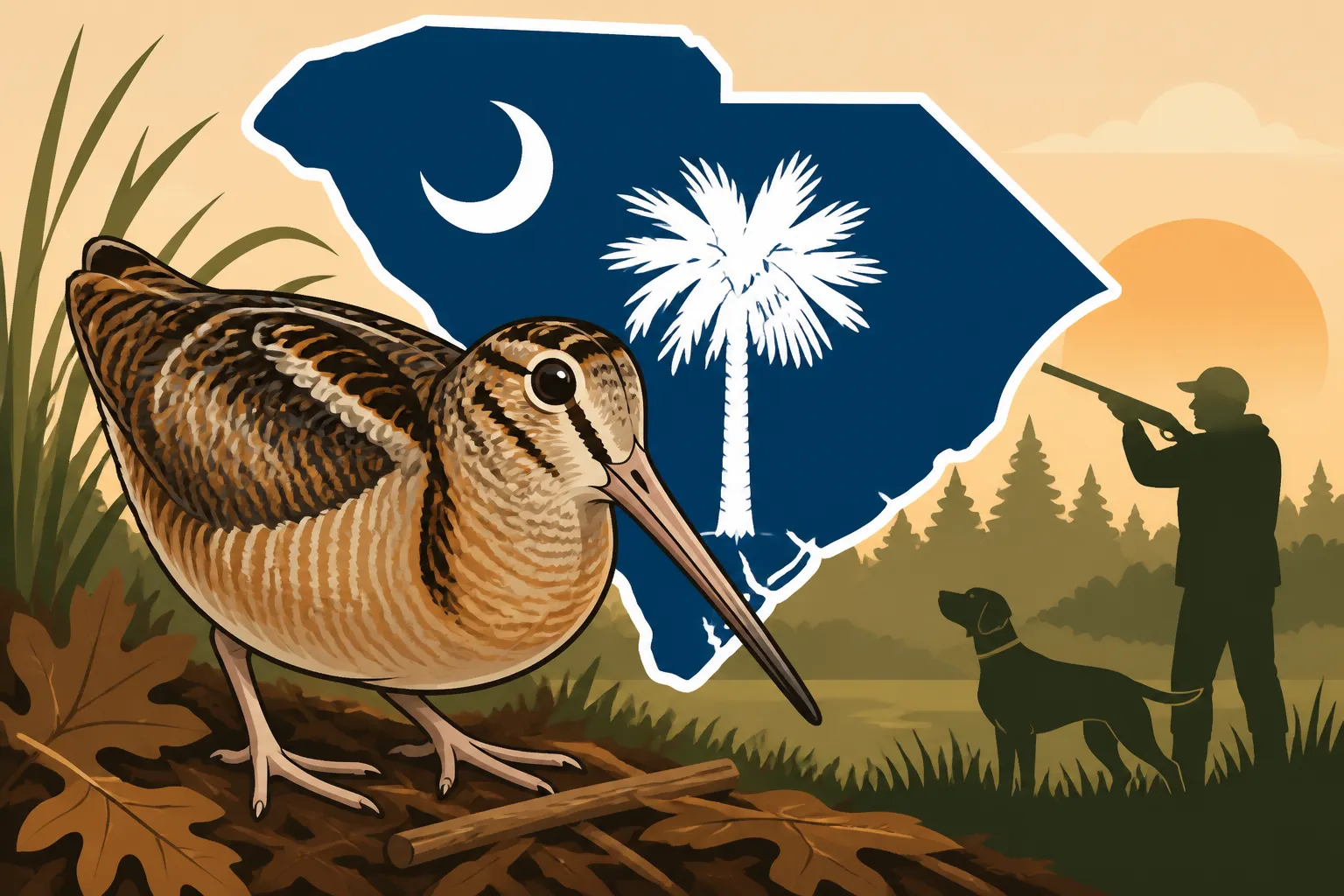
South Carolina Woodcock Season Dates
Many hunters in South Carolina dedicate their season to the pursuit of whitetail deer or the spring gobbler, often overlooking the thrilling, fast-paced action that comes with hunting migratory game birds like the American woodcock. However, figuring out the specific South Carolina woodcock season dates can be a bit tricky, as they differ from other small game and require special considerations. This guide will walk you through everything you need to know to plan a successful "timberdoodle" hunt, from understanding the official dates and regulations to finding their preferred haunts in the Palmetto State.
Deciphering South Carolina's Woodcock Season Dates
Unlike some resident game species, woodcock seasons are set annually in conjunction with federal guidelines for migratory birds, meaning the dates can shift slightly year to year. It's crucial to consult the South Carolina Department of Natural Resources (SCDNR) regulations well in advance of the hunting season.
The Official Season Framework
Historically, South Carolina's woodcock season typically opens in December and runs through early to mid-January. This timing is no accident; it aligns with the peak of the woodcock migration as these unique birds move south from their breeding grounds in colder climates, seeking milder weather and unfrozen ground for feeding. Hunters in the Lowcountry, especially, often find their best opportunities later in the season as more birds push down the Atlantic Flyway. The season is relatively short, often only about 30 days, which makes planning essential. You can usually find the official dates published on the SCDNR website by late summer or early fall, often alongside other migratory bird seasons.
For instance, in recent years, hunters might expect the season to kick off around December 18th and conclude around January 31st. These dates are designed to give hunters a window to intercept the birds as they move through and winter in South Carolina. Missing this narrow window means waiting another year, so knowing these specific dates is the absolute first step to any successful woodcock outing. It’s not a season you can just stumble into; it requires a bit of foresight and commitment.
Bag and Possession Limits
Alongside the specific season dates, understanding the legal bag and possession limits is paramount for ethical and responsible hunting. Woodcock typically have a daily bag limit of three birds. This limit applies to the number of birds you can harvest in a single day. The possession limit, which is the maximum number of birds you can have on your person or in your immediate control (like in your vehicle or at your camp) at any given time, is usually nine birds, or three times the daily bag limit.
These limits are set to ensure the sustainability of the woodcock population, which has faced challenges in some parts of its range. While woodcock are not as abundant as some other small game, their populations are carefully monitored, and these limits help manage harvest pressure. Always double-check the current year's SCDNR regulations, as these numbers can occasionally be adjusted based on population surveys and migratory bird management plans. It’s also important to correctly identify woodcock in the field, as they can sometimes be confused with snipe by inexperienced hunters, though their flight patterns and preferred habitats are quite distinct.
Table: South Carolina Woodcock Season Overview (Typical)
Here’s a general overview of what you can expect for South Carolina’s woodcock season. Always confirm with the official SCDNR regulations for the current year, as dates can vary slightly.
| Category | Typical Information |
|---|---|
| Season Dates | Mid-December to Late January (approx. Dec 18 – Jan 31) |
| Daily Bag Limit | 3 Woodcock |
| Possession Limit | 9 Woodcock |
| Shooting Hours | One-half hour before sunrise to sunset |
| Required Licenses | SC Hunting License, Migratory Bird Permit (HIP) |
| Non-Toxic Shot | Not generally required, but always check WMA rules |
Understanding Woodcock Migration and Habitat in South Carolina
Hunting woodcock successfully in South Carolina isn't just about knowing when the season is open; it's about understanding why they're here and where they like to hang out. These birds are true migrants, and their presence is very much tied to the larger patterns of cold weather and the availability of suitable habitat.
The Atlantic Flyway Connection
Woodcock are primarily forest-dwelling shorebirds, and they undertake significant migrations. South Carolina sits squarely in the Atlantic Flyway, a major migratory route for countless bird species, including woodcock. As autumn deepens and winter truly sets in across the northern states, cold fronts and freezing ground push these birds southward. They follow a relatively predictable path, gradually arriving in South Carolina, often in good numbers, by December. The peak of their presence usually coincides with the coldest parts of our winter, often from late December through January. This means that a successful hunt can often hinge on tracking weather patterns further north. A prolonged cold snap in, say, Pennsylvania or New England, could mean a fresh influx of birds into the Palmetto State a few days later.
It's a dynamic hunt, unlike pursuing resident game. You might hunt a prime spot one weekend and find only a few birds, then return after a major cold front and find it teeming with "timberdoodles." This migratory aspect makes woodcock hunting excitingly unpredictable and relies heavily on being in the right place at the right time. For hunters interested in other migratory birds, understanding this flyway concept is similar to what you’d consider for pheasants further north or even for species like the South Carolina Mourning Dove Migration Timing.
Ideal Habitat in the Palmetto State
Woodcock aren't found just anywhere. They have very specific habitat preferences that are key to finding them. Unlike deer that might be found across a broad spectrum of forests, or turkeys that prefer more open timber, woodcock gravitate towards young, regenerating forests. Think thickets, dense brush, old field edges that are growing back, and particularly moist, soft soil areas like creek bottoms and swamp edges. They need this thick cover for protection from predators and that soft earth for probing with their long bills to find their primary food source: earthworms.
In South Carolina, this means focusing your efforts on areas with early successional growth, often found in recent timber cuts or along the edges of agricultural fields that have been left to grow wild. The Lowcountry and parts of the Midlands offer excellent opportunities due to their abundant bottomland hardwoods, creek drainages, and areas with rich, moist soil. You might find them surprisingly close to human development in overgrown lots or abandoned pastures, but the best spots are usually in the more remote reaches of Hunting South Carolina Bottomland Hardwoods. Look for areas with a mix of young pines, sweetgum, privet, and other dense undergrowth, especially where water is present or the soil stays damp. You can often spot their tell-tale "borings"—small, pencil-sized holes in the ground where they've probed for worms—which are clear indicators of their presence.
Regulations and Essential Gear for Woodcock Hunters
Preparing for a woodcock hunt involves more than just knowing the season; it also requires the right permits, equipment, and an understanding of specific rules governing migratory bird hunting.
Licensing and Federal Requirements
Before you even step into the field, you'll need the appropriate licenses. For any small game hunting in South Carolina, a valid South Carolina hunting license is your fundamental requirement. This applies to both residents and non-residents, though the costs will differ. Beyond that, because woodcock are migratory birds, there's an additional, crucial step: you must obtain a Migratory Bird Permit, also known as HIP (Harvest Information Program) certification. This is a federal requirement for anyone hunting migratory birds, including doves, ducks, geese, and woodcock. It’s typically free but mandatory, and it helps wildlife agencies gather vital harvest data. You can usually get your HIP certification when you purchase your regular hunting license, or add it later through the Go Outdoors SC system. Remember to also check for specific WMA permit requirements if you plan to hunt on public lands, as some Wildlife Management Areas might have additional stamps or permits required. A common misconception is that you also need a Federal Duck Stamp for woodcock, but that's actually only required for hunting ducks and geese. While woodcock are migratory birds, they fall under a different regulatory umbrella that doesn't necessitate the duck stamp. You can learn more about migratory bird requirements by checking out information on South Carolina HIP Certification for Bird Hunters.
Shotguns, Ammunition, and Blaze Orange
When it comes to firearms for woodcock, lighter is generally better. Woodcock are small, quick-flying birds, and they inhabit incredibly thick cover. A fast-swinging shotgun is ideal. Most hunters opt for a 20-gauge or 28-gauge, as these offer a good balance of maneuverability and sufficient payload. A 12-gauge can certainly be used, but in the dense habitat woodcock prefer, a lighter gun can make a long day of walking much more enjoyable. For ammunition, smaller shot sizes are the way to go, typically 7 ½ or 8 shot. These provide a dense pattern to account for the bird's small size and rapid flight. You're usually taking shots at relatively close range, often under 25 yards, so tight chokes aren't necessary; an improved cylinder or modified choke is often perfect.
Regarding non-toxic shot, it's generally not required for woodcock hunting on private land, but it's always wise to confirm if you're hunting within a specific WMA or other public land that might have special rules. Some WMAs, particularly those managed for waterfowl, may have blanket non-toxic shot regulations, so it's best to be prepared or confirm beforehand. Finally, don't forget your blaze orange! While woodcock season falls outside the primary rifle deer season in most zones, South Carolina still requires hunters to wear a visible amount of blaze orange (or blaze pink) when hunting small game during daylight hours. This is crucial for safety, especially if you're hunting with a party or on public land where other hunters might be present. Think of it similarly to the gear considerations for Shotguns for South Carolina Dove and Quail.
Footwear and Field Protection
Hunting woodcock means walking, and often, it means walking through some seriously rough stuff. Their preferred habitat is typically thick, wet, and can be quite thorny. Good, sturdy footwear is non-negotiable. Waterproof boots are highly recommended, as you'll often be crossing damp creek bottoms, wet swales, and moist soil. Even if the ground looks dry, the undergrowth can be laden with dew or recent rain, soaking your feet quickly. Furthermore, in the Lowcountry and other coastal plain areas, venomous snakes like cottonmouths and rattlesnakes can still be active during warmer winter days, making snake boots a very wise investment. These boots provide crucial protection against punctures from thorns and potential snakebites.
Beyond your feet, tough outer clothing is essential. Investing in durable briar pants or chaps will save your legs from countless scratches and tears from dense tangles of greenbrier, blackberry, and other thorny vegetation. A good hunting vest with plenty of pockets for shells, water, and perhaps a small game bag is also invaluable. You might be breaking through thickets, so having your essentials securely stowed and easily accessible is a big plus. Preparing for the demanding terrain is just as important as knowing the season dates; otherwise, you'll be heading home early and uncomfortable. For similar reasons, many hunters wear Brush Pants for South Carolina Fencerows when chasing rabbits or other small game.
Effective Tactics for Hunting Woodcock in South Carolina
Hunting woodcock is a unique experience. It's less about sitting and waiting and more about active pursuit, often with a good bird dog. Success hinges on scouting, understanding bird behavior, and being prepared to move through challenging cover.
Scouting for "Timberdoodles"
The first step to a successful woodcock hunt, once you’ve confirmed the South Carolina Small Game Season Rules, is finding the birds. Since woodcock are migratory and their numbers can fluctuate, active scouting is invaluable. As mentioned earlier, woodcock primarily feed on earthworms, so they need moist, soft ground where they can probe with their long bills. Look for their distinctive "borings"—small, pencil-sized holes in the soil—as well as their "splashings," which are small, white, chalky droppings. These are clear signs that woodcock are actively feeding in an area.
Prime scouting locations include the edges of lowland swamps, creek bottoms, areas of young, regenerating timber (often recent clear-cuts), and abandoned agricultural fields that are growing into thickets. Use mapping applications like GoHunt to identify areas with appropriate habitat—look for low-lying areas, dense green patches indicating young growth, and proximity to water sources. These tools can help you narrow down potential spots without spending hours walking unproductive ground. Pay attention to how the habitat changes after rain; a dry area might become perfect woodcock cover after a good soaking. The more you scout, the better you'll get at identifying these subtle but crucial indicators.
Working Cover and Flushing Birds
Once you've identified potential woodcock habitat, the real fun begins: working the cover to flush birds. This is where a good bird dog truly shines. Pointers, setters, and flushers like spaniels are invaluable for scenting out these camouflaged birds, holding them on point, or flushing them from dense cover. A well-trained dog will allow you to position yourself for a shot as the bird flushes. Without a dog, it becomes a much more challenging "walk-up" hunt, requiring you to move slowly and methodically through the thickets, hoping to kick birds into the air.
When hunting without a dog, focus on systematically covering likely areas. Walk in a zig-zag pattern, pausing frequently. Woodcock are masters of camouflage and will often sit very tight, flushing only when you are almost on top of them. Their flight is erratic and often described as a "twittering" ascent, making them a challenging target. You need quick reflexes and a smooth swing to connect. Expect shots to be close, quick, and often partially obscured by brush. It's a humbling but incredibly rewarding experience when you connect. Remember, these hunts are often short bursts of action, so maintaining focus and readiness is key.
Timing Your Hunt with Migration
Given their migratory nature, timing is everything for woodcock in South Carolina. While the season spans several weeks, the best hunting often occurs after a significant cold front has pushed through the northern states. This weather system will literally funnel birds down the flyway, increasing their density in our warmer southern climes. Keep an eye on weather forecasts for states north of South Carolina. When sustained cold weather hits up there, anticipate a fresh wave of woodcock arriving in the Palmetto State within a few days to a week.
Conversely, a warm spell in South Carolina during the season might see some birds move further south into Georgia or Florida, or simply spread out more thinly. The best days are often those crisp, clear days immediately following a cold front. This dynamic movement means that the same patch of woods that held dozens of birds one week might be nearly empty the next, only to fill up again with another push of migrants. This is why knowing the South Carolina Woodcock Singing Ground Surveys is important, as these studies help track populations and provide insights into their movements, although these surveys are typically conducted in spring on breeding grounds, they offer a wider understanding of the species. It’s a hunt that rewards flexibility and attention to broader weather patterns.
Disclaimer
Please remember that hunting regulations, season dates, and license requirements can change. Always consult the most current South Carolina Department of Natural Resources (SCDNR) regulations before planning any hunting trip. This guide is for informational purposes only and should not be considered a substitute for official legal advice or current regulations. It is the hunter's responsibility to know and obey all applicable hunting laws.