South Carolina Raccoon Season Dates
If you're looking to head into the South Carolina woods after raccoons, you know how frustrating it can be to pin down the exact dates and rules. Between private land regulations, the often-confusing variations on Wildlife Management Areas (WMAs), and special provisions for nuisance control, it feels like you need a law degree just to figure out when you can legally pull a trigger or set a trap. This guide is here to clear up that confusion, giving you the detailed breakdown of South Carolina's raccoon season dates and everything you need to know to pursue these wily critters successfully and lawfully.
Understanding Statewide Raccoon Hunting Seasons on Private Land
For many folks, raccoon hunting is a cherished tradition, a chance to get out with dogs or simply enjoy a quiet night hunt. The good news is that South Carolina offers a pretty generous season for raccoons on private land, giving hunters ample opportunity to enjoy the pursuit. However, "generous" doesn't mean "unregulated," and knowing the precise dates is paramount to staying on the right side of the law.
General Season Dates for Hunting Raccoons
Across the vast majority of private lands in South Carolina, the recreational hunting season for raccoons typically runs from September 15th through March 15th. This broad window provides a long stretch of time, from the tail end of summer's heat into the cooler days of winter, offering varied conditions for hunters. This aligns closely with many of the broader South Carolina Small Game Season Rules, making it convenient for those who enjoy pursuing multiple species. Whether you're chasing them with a pack of hounds or still-hunting, these dates generally apply.
It's important to understand that this season is specifically for recreational hunting. If you're out there with a .22 rifle, a shotgun, or your trusty dog pack, these are the dates you need to stick to. You're required to have a valid South Carolina hunting license, which you can easily acquire through the SCDNR's Go Outdoors SC system. If you're a resident, exploring the different South Carolina Resident Hunting License Options will help you find the best fit, while nonresidents should look into South Carolina Nonresident Hunting License Options. Always double-check the current year's regulations because, while these dates are generally consistent, minor adjustments can occur. Imagine planning a trip only to find out the season shifted a week, putting your hunt outside legal parameters – that’s a frustrating scenario we all want to avoid.
Night Hunting Regulations for Raccoons
One of the most classic ways to hunt raccoons is under the cover of darkness. The thrill of tracking a treed raccoon by the beam of a headlamp, listening to the hounds work, or even just sitting quietly waiting for movement, is an experience unique to coon hunting. South Carolina allows night hunting for raccoons on private land, but there are specific rules you absolutely must follow to do it legally and safely.
You can use artificial lights, whether from a vehicle or on foot, to locate and harvest raccoons at night. However, there are limitations on the firearms you can use, particularly during certain periods. Between March 2nd and September 14th, you cannot use a centerfire rifle larger than a .22 long rifle when night hunting. This means your .223 or .308 is out of bounds for raccoons during those months, even if you’re on private land during the open season. During the main hunting season (September 15th – March 1st), these restrictions generally ease, allowing for a wider array of legal firearms, though it’s always wise to stick to smaller calibers that are effective and cause less damage to the pelt. Using buckshot for raccoons at night is also generally prohibited. These detailed rules are similar to what you might find if you're looking into South Carolina Night Hunting Rules for South Carolina Coyotes, where specific calibers and methods are also outlined for nocturnal pursuits. Having the right tools and knowing the specific regulations for each time of year is key to a successful and compliant hunt. It’s also crucial to remember that general safety protocols like knowing your backdrop and positively identifying your target are amplified in the dark.
Navigating Raccoon Hunting and Trapping on Wildlife Management Areas (WMAs)
Hunting and trapping on South Carolina's public lands, specifically the Wildlife Management Areas (WMAs), comes with its own set of rules and seasons that often differ significantly from private land regulations. This is where many hunters get tripped up, assuming that statewide private land dates apply everywhere. Trust me, they do not, and getting caught on a WMA outside the designated season can lead to a hefty fine and loss of hunting privileges.
Specific WMA Raccoon Seasons
Each WMA in South Carolina is managed under its own specific set of regulations, and this absolutely includes raccoon hunting and trapping seasons. While the private land season is a broad brushstroke, WMA dates are like fine-point details. Many WMAs will restrict raccoon hunting to specific periods, often coinciding with other small game seasons, or even designating specific furbearer seasons that are much shorter than the statewide private land dates. For example, some WMAs might only allow raccoon hunting during daylight hours within the general small game season, while others might have a short, dedicated night hunting period that requires a special permit or sign-in.
It is absolutely imperative that before you even consider stepping foot on a WMA to hunt raccoons, you consult the latest SCDNR WMA regulations for that specific area. You can usually find these online through the SCDNR website, or via the GoHunt app if you're using a digital mapping tool that integrates WMA regulations. Ignoring this step is akin to driving blind into a legal minefield. Imagine setting up your traps on a WMA, thinking the private land season applies, only to find out you're a month early or late according to WMA rules. That’s not only a waste of your time and effort but also a potential violation. This is why resources like the South Carolina Wildlife Management Areas guide are so valuable; they lay out the complexities that public land hunters face.
Trapping Regulations on Public Lands
Beyond hunting with firearms or dogs, trapping is another effective method for managing raccoon populations, especially on WMAs where active habitat management might require stricter control over certain furbearer species. Similar to hunting, trapping regulations on WMAs are typically more restrictive than on private land.
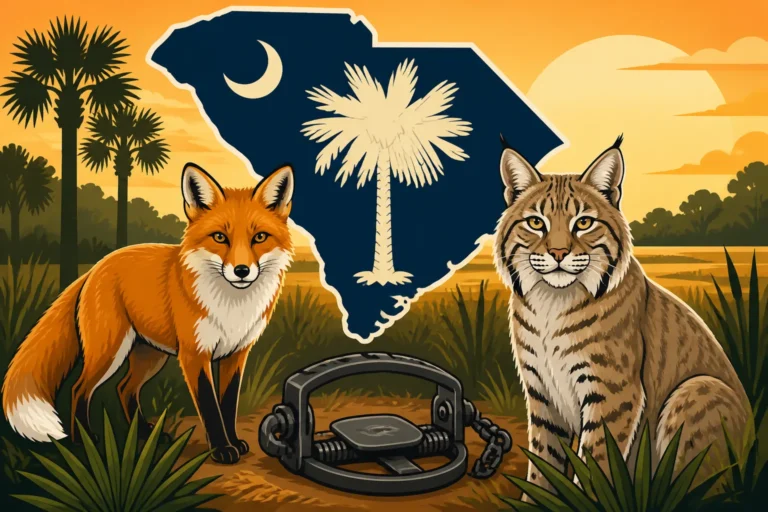
On private land, the general trapping season for raccoons runs from October 1st to March 15th. However, on WMAs, these dates can be much narrower. Some WMAs might not allow trapping at all, while others will have very specific windows and may even require special permits or checking in and out with WMA personnel. You'll also need a valid South Carolina Trapping License Requirements in addition to your regular hunting license if you plan to trap. It’s a good idea to familiarize yourself with general furbearer trapping practices and regulations, as detailed in resources like Trapping South Carolina Raccoon and Bobcat, because these skills are directly transferable. When you're dealing with public lands, transparency and adherence to rules are paramount. The SCDNR has put a lot of effort into managing these areas for a variety of species and public uses, and respecting those rules ensures everyone can continue to enjoy them. Always check the individual WMA guidelines, as failure to do so is a common pitfall for even experienced hunters.
Year-Round Options: Nuisance Control and Trapping Beyond Hunting Seasons
While South Carolina has defined hunting and trapping seasons for raccoons for recreational purposes, there are special provisions for dealing with these animals when they become a problem, causing damage to property or agricultural interests. This distinction between recreational pursuit and nuisance control is crucial to understand, as it can allow for year-round removal under specific circumstances.
Raccoon Depredation and Nuisance Permits
Raccoons are incredibly adaptable creatures, and their opportunistic nature means they can sometimes cause significant issues for homeowners, farmers, and even businesses. They can raid gardens, damage outbuildings, get into chicken coops, and even cause structural damage trying to find shelter. When raccoons are actively causing or about to cause damage to crops, livestock, or property, they are considered nuisance animals, and different rules apply.
In South Carolina, a landowner or their agent (someone acting on behalf of the landowner) can take raccoons causing damage year-round, without needing a special hunting license or permit. However, this is not a free pass for recreational hunting outside of season. The methods used for nuisance control are usually restricted to traps, nets, or firearms. If you're using a firearm, you still need to be mindful of local ordinances regarding discharge, especially in more populated areas. It’s critical to remember that this "nuisance" exemption is specifically for damage control, not for leisure. This is similar to the approach taken with other prolific species; for instance, you'll find parallels in South Carolina Feral Hog Regulations, where property damage often dictates year-round control measures. When considering taking a nuisance animal, it's always wise to document the damage they are causing, as this evidence supports your action if questioned. Tools like the GoHunt app can help you keep track of property lines and even document your observations of nuisance activity.
Trapping for Control and Commercial Purposes
Beyond the recreational trapping season, trapping for control or even for commercial fur harvest often falls under the same guidelines for nuisance animals on private land. The general private land trapping season, as mentioned, is October 1st to March 15th. However, if raccoons are a consistent problem, a landowner can utilize trapping methods year-round, within certain legal parameters.
For those interested in commercial fur harvesting, understanding these nuances is essential. While the fur market for raccoons might fluctuate, consistent trapping during the cooler months, when pelts are at their prime, can be a profitable endeavor. Even outside of prime fur season, controlling raccoon populations can protect other wildlife, like ground-nesting birds, whose nests are often raided by raccoons. The regulations around trapping, including trap types, placement, and checking frequency, are quite detailed and are designed to be humane and effective. You can find more specific information on these aspects by looking up the furbearer regulations in the SCDNR manual. This careful balance of allowing control while regulating recreational harvest ensures that South Carolina's raccoon population remains healthy and manageable, protecting both the animals and the interests of landowners.
Essential Gear, Strategies, and Why Regulations Matter for Raccoon Hunters
Successfully hunting or trapping raccoons in South Carolina involves more than just knowing the dates. It requires understanding the right gear, employing effective strategies, and appreciating the deeper reasons behind the regulations. This holistic approach not only increases your chances of success but also ensures you're a responsible and ethical outdoors person.
Gear and Tactics for South Carolina Raccoons
Whether you're hitting the swampy low country or the rolling uplands, proper gear makes all the difference when pursuing raccoons.
Hunting Gear:
- Firearms: A .22 long rifle is the classic choice for raccoon hunting. It's quiet, effective at close ranges, and generally doesn't damage the pelt excessively. During night hunts in the warmer months (March 2 – Sept 14), remember the restriction to .22 long rifle or smaller rimfire. A shotgun with small shot sizes can also be used, particularly if you're hunting during the day or prefer that method.
- Lights: For night hunting, a good headlamp is indispensable. Many coon hunters also use powerful handheld spotlights to locate treed raccoons. Look for lights with red or green filters, as some argue these are less disruptive to the animal's eyes.
- Dogs: A well-trained pack of coonhounds is, for many, the quintessential way to hunt raccoons. Dogs like Black and Tans, Blueticks, Redbones, and Walkers are bred for this. GPS collars, like those from manufacturers like Garmin or Dogtra, are a game-changer for keeping track of your hounds in dense South Carolina cover.
- Footwear and Clothing: Dependable waterproof boots are a must, especially if you're navigating lowcountry swamps or wet bottomlands. Snake boots are a wise investment, given the prevalence of venomous snakes in South Carolina. Lightweight, durable clothing that can withstand briars and thickets is also key, and consider insect repellent during warmer hunts.
- Navigation: A reliable GPS unit or a mapping app like GoHunt on your phone can be invaluable, especially when navigating unfamiliar WMA boundaries or deep woods at night. Knowing your location helps you stay within legal hunting areas, such as those covered in South Carolina Public Hunting Land in South Carolina.
Trapping Gear:
- Trap Types: Foothold traps (coil spring or long spring) in sizes #1.5 to #2, or cage traps, are common. Check local regulations for any specific restrictions on trap size or type. Body-gripping traps (like Conibear 110 or 120) can be effective but often have stricter placement rules, especially on public land, to prevent catching non-target animals.
- Baits and Lures: Raccoons are omnivores, so a wide variety of baits work, including sweet items like marshmallows, commercial lures, or oily fish. Experimentation can pay off!
- Tools: A trowel, sifter, and kneeling pad are useful for trap setting. Gloves are essential to minimize human scent.
Strategic Approaches
- Scouting: Look for signs of raccoon activity: tracks in mud, scat, den trees (often hollow trees or rock crevices), and feeding areas near water or agricultural fields. Raccoons are often found along creek bottoms, field edges, and around water sources.
- Time of Day/Night: Raccoons are primarily nocturnal, so night hunting is often the most productive. However, they can be active during the day, especially in cooler weather or if food sources are abundant.
- Weather: Cold, clear nights are often excellent for dog hunting, as scent holds well. Avoid hunting during heavy rain or extremely windy conditions, which can disperse scent.
- Pelt Care: If you're harvesting for fur, learn proper skinning and fleshing techniques to maximize the value of your catch. Rapid cooling of the carcass is vital in South Carolina's warmer climate to prevent spoilage.
The Importance of Adhering to Regulations
Understanding and respecting South Carolina's raccoon hunting and trapping regulations isn't just about avoiding fines; it's about ethical hunting and conservation. The South Carolina Hunting Licenses and What They Cost contribute directly to wildlife management programs, including research and habitat work that benefits all game species, including raccoons. These regulations are in place to ensure healthy wildlife populations, manage interactions between humans and wildlife, and maintain public safety.
Hunting and trapping are privileges, not rights, and responsible participation is crucial for ensuring these traditions continue. By being informed, using appropriate gear, employing ethical tactics, and always double-checking the latest SCDNR guidelines, especially for specific areas like the Sumter National Forest Hunting sections or other WMAs, you contribute to the sustainability of South Carolina's rich natural resources and the vibrant outdoor heritage we all cherish.
Disclaimer
Please note that hunting regulations, seasons, and licensing requirements can change. While every effort has been made to provide accurate and up-to-date information, it is the hunter's responsibility to consult the official South Carolina Department of Natural Resources (SCDNR) regulations annually before engaging in any hunting or trapping activities. This guide is for informational purposes only and should not be considered a substitute for the official legal documentation.