South Carolina Disability Hunting Permits
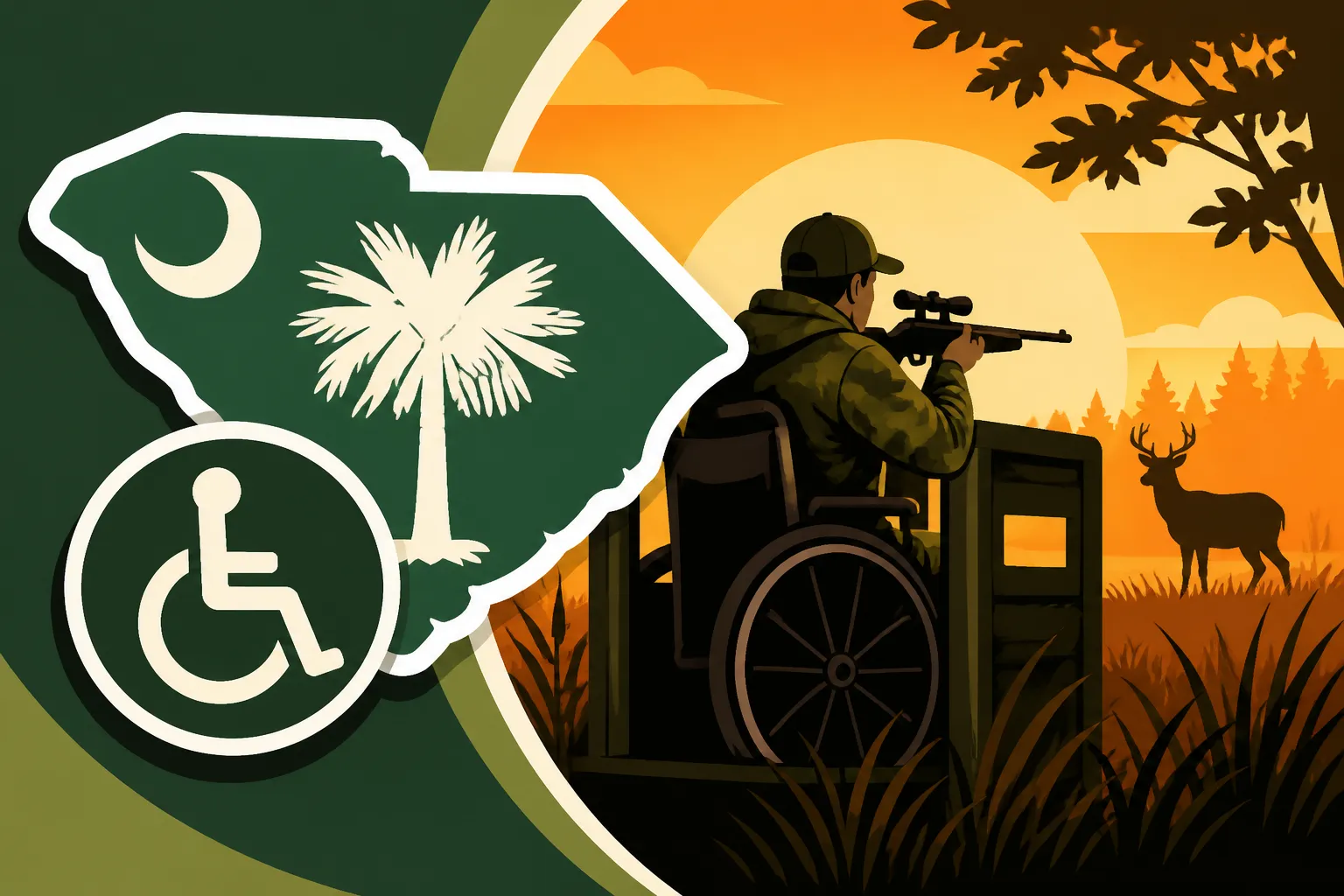
It's incredibly frustrating when a passion like hunting, something that connects us to the outdoors and our heritage, becomes physically challenging due to a disability or injury. You might feel like the woods you once roamed are now out of reach, or that the effort required to get to a stand or pull a bow is just too much. Thankfully, South Carolina understands these barriers and offers specific disability hunting permits and programs designed to help you stay in the game, ensuring that a physical limitation doesn't have to mean the end of your hunting season.
Understanding South Carolina's Commitment to Inclusive Hunting
South Carolina's Department of Natural Resources (SCDNR) has made genuine strides in creating a more inclusive hunting environment. They recognize that the joy and challenge of the hunt shouldn't be exclusive to those without physical limitations. It’s about recognizing that everyone deserves the chance to participate, to experience the tranquility of the forest, the thrill of the chase, and the satisfaction of a successful harvest. These permits aren't just bureaucratic checkboxes; they're a bridge to continued outdoor participation for many, validating the fact that your spirit for hunting is as strong as ever, even if your body needs a little extra help.
Why Disability Permits Matter
Imagine loving to deer hunt, but a debilitating injury or a progressive condition means you can no longer walk long distances to your favorite spot, or sit for hours in a conventional treestand. Or perhaps you can't generate the draw weight needed for a traditional bow anymore. Without special provisions, these challenges would effectively end your hunting career, leading to immense disappointment and a feeling of being disconnected from a beloved tradition. This is where disability permits step in. They matter because they level the playing field, acknowledging that while your physical capabilities might have changed, your desire to hunt hasn't. These permits provide necessary accommodations, from allowing you to access remote areas with a vehicle to providing specific hunting opportunities tailored for accessibility. It’s about more than just convenience; it’s about maintaining a connection to a lifestyle that means so much to so many.
Types of Accommodations Available
South Carolina offers a few different avenues to support hunters with disabilities, aiming to address a range of physical challenges. It's not a one-size-fits-all approach, and that's a good thing, because disabilities vary so much. Primarily, we're talking about permits that facilitate mobility and access, particularly on public lands like Wildlife Management Areas (WMAs), and special programs designed with accessibility in mind. The goal is to provide practical solutions for folks who might otherwise be sidelined. For instance, a common frustration for hunters with mobility issues is reaching their stand. Public lands often have strict vehicle restrictions, meaning long walks or impassable terrain. The SCDNR addresses this directly through certain permits and programs, ensuring that your inability to walk five miles doesn't prevent you from reaching prime hunting ground. Additionally, while not a "disability permit" in the traditional sense anymore, it's worth noting that Crossbow Rules During South Carolina Archery Season have evolved, making them generally legal for all hunters during archery season, removing a previous barrier for many who couldn't use traditional compound or recurve bows.
Navigating the South Carolina Disability Hunting Permit Process
The process for obtaining disability hunting permits in South Carolina, while requiring some paperwork, is designed to be straightforward once you understand the requirements. It’s definitely not like trying to decipher an ancient scroll; it's more like understanding the specific rules of a new game. You'll primarily be working through the SCDNR's system, and having your medical documentation in order is key.
Eligibility Requirements and Documentation
To qualify for most disability hunting permits in South Carolina, you generally need to demonstrate a permanent physical disability that significantly impacts your ability to hunt under standard regulations. This isn't for a sprained ankle or a temporary cast; it's for long-term, lasting conditions. The specific criteria can vary slightly between permits, but generally, conditions that severely limit mobility, dexterity, or strength are considered.
The most crucial piece of documentation you’ll need is a certification from a licensed physician. This medical professional will need to attest to the nature and permanence of your disability, explaining how it impacts your ability to engage in normal hunting activities. They'll likely need to fill out a specific SCDNR form, which ensures all the necessary information is captured. This isn't just a doctor's note; it's a formal statement verifying your condition. Make sure your doctor understands what the form is for and provides all requested details clearly. Without this, your application simply won't move forward.
Once you have your physician's certification, you'll typically submit your application through the SCDNR's online portal, which you can access via the Go Outdoors SC website. This is also where you would go for Buying a License on Go Outdoors SC or checking your harvest. While navigating government websites can sometimes feel like a maze, the Go Outdoors SC portal aims to streamline the process. If you're not comfortable with online submissions, you can usually find printable forms to mail in. Always double-check that you've included every piece of required information to avoid delays.
Specific Permit Types and Their Benefits
South Carolina offers a few distinct permits and programs tailored to hunters with disabilities. Understanding which one applies to your situation is the first step toward regaining your access to the field.
The Permit for Disabled Hunters (Mobility Impairment)
This is perhaps the most widely recognized disability permit. It's designed for hunters who have a permanent physical disability that severely restricts their mobility. With this permit, you are often allowed to hunt from a stationary vehicle on roads that are open to vehicular traffic on Wildlife Management Areas (WMAs). This is a huge benefit, especially on larger public lands like the Francis Marion National Forest or the Sumter National Forest, where walking miles to a desired spot simply isn't feasible for many. It means you can drive closer to your hunting location, set up near the vehicle, and enjoy the hunt without the exhaustive trek.
However, it's crucial to understand the limitations: you must be stationary when hunting, and the vehicle must be on an open road. You can't just drive off-road wherever you please, and you can't be actively driving and shooting. Always check the specific WMA regulations for the area you plan to hunt, as some areas might have stricter rules even with this permit. This permit essentially expands your reach within public hunting areas, allowing you to get to productive spots that would otherwise be inaccessible.
Mobility Impaired Hunter Access Program (MIHAP)
Beyond the general permit, the SCDNR also runs the Mobility Impaired Hunter Access Program (MIHAP). This is a specialized draw hunt program that provides exclusive opportunities on select WMAs. These hunts are often held on specific dates and offer enhanced accessibility, sometimes including designated blinds or stands, and guaranteed vehicle access to certain areas typically closed to the public. It’s an invaluable program for many, offering a chance to participate in well-managed hunts with facilities designed for ease of access. Applying for MIHAP hunts is usually done through a separate application window on the Go Outdoors SC system, similar to how one might apply for special quota hunts. Keep an eye on SCDNR announcements for application periods, as these spots are highly sought after.
Reduced-Fee Disabled Hunting Licenses
While not a "permit" that grants special hunting privileges, it's important to mention that South Carolina residents with certain permanent disabilities may also be eligible for a reduced-fee annual hunting license. This helps alleviate some of the financial burden associated with hunting. This type of license is often granted to individuals receiving disability benefits from state or federal agencies. Always inquire about this option when you're going through the license renewal process or purchasing your first license. It’s a small but significant way the state supports its disabled hunters. You'll still need to secure any other required permits, such as the South Carolina Big Game Permit Requirements or South Carolina WMA Permit Requirements, depending on what and where you plan to hunt.
Practical Considerations and What to Expect
Having a disability permit is a fantastic step, but it’s just the beginning. To truly make the most of your hunting experience, you need to consider the practicalities of planning, scouting, and respecting the rules of the game and your fellow outdoorsmen.
Planning Your Hunt with a Disability Permit
Planning is paramount, even more so when utilizing a disability permit. It's not enough to just know you can drive on a WMA road; you need to know which roads are suitable and where those roads will get you.
Start by intensely scouting areas you’re interested in. The Go Outdoors SC map tool is an incredible resource for this. Use it to identify WMA roads and potential hunting zones. Look for areas with a good network of roads, and then cross-reference with aerial photos on apps like GoHunt to pinpoint potential bedding areas, feeding zones, or natural funnels close to accessible points. You might be interested in learning about Hunting Lowcountry Swamp Deer or how to set up Treestand Setups in Francis Marion National Forest, but you'll need to adapt these tactics to your specific accessibility needs.
Remember, not all WMA roads are created equal. Some might be well-maintained, while others are rough, muddy, or gated even if technically "open." A pre-season drive-through can save you a lot of frustration on opening morning. Always verify the specific WMA's regulations regarding vehicle access for disabled hunters. What's allowed on one WMA might be prohibited on another. It's also wise to consider the terrain adjacent to the roads; even if you can drive close, is the ground just a few yards from the vehicle manageable for you? Are there natural features that provide cover and a good shooting lane? Thinking through these details beforehand using resources like Scouting South Carolina Public Land Before Season will make your actual hunt much more enjoyable and successful.
Respecting the Rules and Fellow Hunters
Holding a disability permit comes with the responsibility of upholding all hunting regulations and maintaining good sportsman ethics. While the permit grants you certain allowances, it doesn't exempt you from other rules. You'll still need to adhere to season dates, bag limits, and legal methods of take for species like deer, turkeys, or Hunting South Carolina's Year-Round Feral Hogs. For instance, if you're hunting during the South Carolina Primitive Weapons Season Rules, you must still use legal primitive weapons, even if your mobility is impaired.
Always make sure you have your permit readily available with your South Carolina Hunting Licenses and What They Cost. Game wardens frequently check permits, and you'll want to be able to show yours without issue. When utilizing vehicle access on WMAs, be mindful of other hunters. Don't block access roads or park in a way that obstructs others. Remember, many hunters value the solitude of the woods, and while your permit allows you vehicle access, being considerate of others' experiences is part of being a good sportsman. This might mean finding a pull-off spot that's not directly visible from a heavily used trail or road.
Finally, proper game reporting is always a must. Whether you're a fully mobile hunter or utilizing disability permits, you must report your harvest. For deer, this involves using the Reporting a Deer Through South Carolina Game Check system promptly after the kill. Adhering to these regulations ensures the SCDNR can effectively manage wildlife populations for all hunters, now and in the future.
By understanding the rules, planning diligently, and always practicing ethical hunting, South Carolina's disability hunting permits can truly open up a world of continued outdoor adventures for you.
| Permit/Program | Eligibility | Primary Benefit | Key Limitations |
|---|---|---|---|
| Permit for Disabled Hunters (Mobility Impairment) | Permanent physical disability limiting mobility | Allows hunting from a stationary vehicle on open WMA roads. | Must be stationary; vehicle on designated open roads only; WMA-specific rules may apply. |
| Mobility Impaired Hunter Access Program (MIHAP) | Mobility impaired (often specific criteria for program) | Specialized draw hunts with enhanced access (e.g., designated blinds, vehicle access to restricted areas). | Specific application periods; limited number of spots; hunt dates are fixed; not all WMAs participate. |
| Reduced-Fee Disabled Hunting License | South Carolina resident with permanent disability (e.g., receiving federal/state disability benefits) | Discounted annual hunting license. | Does not grant special hunting privileges; additional permits (Big Game, WMA) still required. |
Disclaimer
The information provided in this guide is for general informational purposes only and is not legal advice. Hunting regulations, permit requirements, and eligibility criteria can change. Always consult the most current South Carolina Department of Natural Resources (SCDNR) regulations and official publications before planning any hunting activity or applying for permits. It is your responsibility to know and follow all applicable laws and regulations.