Why South Carolina Ended Jake Harvest in 2025
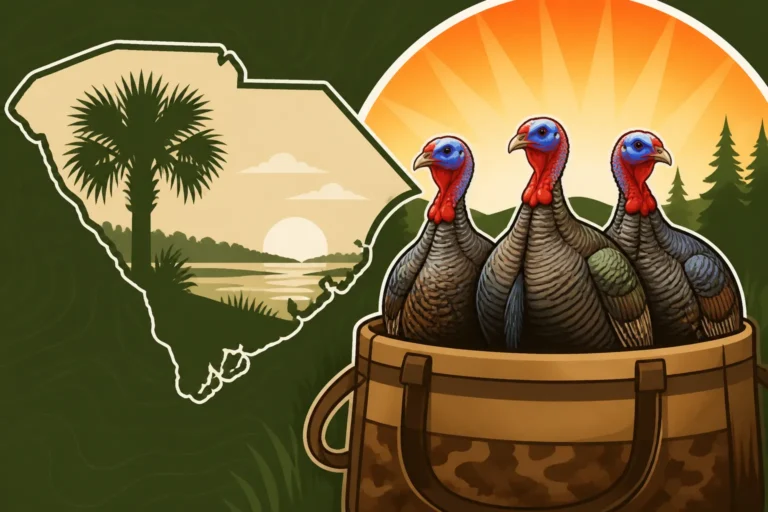
For many South Carolina turkey hunters, the past few seasons have brought a gnawing concern: fewer birds, less gobbling, and a general feeling that something isn't quite right with our wild turkey populations. This shift has prompted our wildlife managers to make tough calls, and one of the most impactful is the upcoming ban on harvesting jakes. This guide will dive deep into the crucial reasons behind South Carolina's decision to end the jake harvest in 2025, exploring the biological underpinnings and what this significant change will mean for your cherished spring hunting traditions.
Understanding the Jake Harvest Ban
The news that jake harvesting will no longer be permitted in South Carolina starting in 2025 has certainly stirred conversations among the hunting community. It's a significant change, and it comes directly from a place of deep concern for the future of our wild turkey resource. The South Carolina Department of Natural Resources (SCDNR) didn't make this decision lightly; it's a strategic move informed by years of data and observation aimed at bolstering our turkey populations. This isn't about punishing hunters, but rather about ensuring there are healthy, robust turkey populations for generations to come.
The Immediate Change: What It Means for Hunters
Starting in the 2025 spring turkey season, hunters will no longer be legally permitted to harvest jakes. This means that only gobblers with a visible beard that is at least six inches long will be considered legal game. For many, targeting a jake, especially for a new hunter or someone just looking to fill their tag, has been a part of the experience. It’s often the first bird a young hunter takes, or a fun challenge for an experienced hunter mid-season. This change requires a shift in mindset and strategy. Instead of potentially settling for a jake, hunters will now need to focus exclusively on identifying and pursuing mature gobblers. This may lead to fewer birds harvested overall for some hunters, especially those who primarily hunt public lands where pressure can make mature gobblers harder to come by. It underscores the importance of patience and careful identification before pulling the trigger, something that all hunters should practice regardless of the rules. For more details on the overarching framework, you might want to review the full guide on South Carolina Spring Turkey Season Rules.
A Look Back: South Carolina's Turkey Population Trends
To truly understand why the jake ban is happening, we need to trace the history of South Carolina's turkey population. In the mid-20th century, wild turkeys were scarce in many parts of the state, largely due to habitat loss and unregulated hunting. However, through incredible restoration efforts, primarily trap-and-transfer programs that relocated wild birds to suitable habitats, the population rebounded remarkably. For decades, we enjoyed a booming turkey population, with generous bag limits and a relatively long season. But around the early 2000s, biologists and hunters alike began to notice a troubling trend: a gradual, yet persistent, decline in overall turkey numbers. Gobbling activity seemed to lessen, and fewer birds were being seen.
This decline wasn't unique to South Carolina; many states across the Southeast were experiencing similar issues. Data collected by SCDNR, including hunter harvest reports and biological surveys, consistently showed a downward trajectory. This trend is further illuminated by resources like South Carolina Turkey Population Trends, which highlight the data points that triggered the alarm bells for wildlife managers. The management challenge became clear: how do we halt this decline and reverse it, ensuring the long-term health of our wild turkey resource? The jake ban is a direct response to this concerning trend, a measure taken to address a critical aspect of turkey population dynamics.
The Science Behind the Decision
The core of the jake harvest ban rests on a scientific understanding of turkey population dynamics, particularly how young male birds contribute to population stability and growth. A jake is essentially a one-year-old gobbler. While they are reproductively capable, they rarely breed successfully in areas with healthy mature gobbler populations, as older, more dominant birds typically win out. However, jakes represent the future breeding stock. If too many jakes are harvested, fewer birds survive to become two-year-old gobblers, which are often the most active breeders and provide the bulk of the harvestable mature gobblers in subsequent years.
SCDNR's research indicated that low poult-to-hen ratios were a significant problem. A "poult" is a young turkey, and the poult-to-hen ratio measures how many young birds successfully survive to a certain age per hen. A consistently low ratio signals poor recruitment – meaning not enough young birds are making it into the population to replace older ones. By reducing the harvest of jakes, the goal is to allow more of these one-year-old birds to mature into two-year-old gobblers. These two-year-olds are not only more dominant breeders but also more vulnerable to harvest due to their aggressive gobbling and strutting behavior, making for a more enjoyable and productive hunt for those seeking a mature bird. This strategy aims to create a stronger cohort of breeding gobblers for future seasons, ultimately boosting the overall population.
The Broader Context of Turkey Management
The decision to ban jake harvesting is a piece of a much larger puzzle concerning wild turkey management in South Carolina. It's a testament to the complexities involved in maintaining healthy wildlife populations in the face of changing landscapes, increased predation, and evolving environmental factors. Our state's wildlife agencies are constantly monitoring data, conducting research, and adjusting regulations to protect these iconic game birds. Understanding these broader contexts helps hunters appreciate the necessity of such changes and how their participation in responsible hunting practices contributes to conservation.
Poult-to-Hen Ratios and What They Mean for the Future
The poult-to-hen ratio is arguably one of the most critical metrics that wildlife biologists use to assess the health of a turkey population. Simply put, it's the number of poults (young turkeys) per hen observed during summer brood surveys. A healthy ratio typically indicates successful nesting, good poult survival, and robust recruitment into the population. For years, South Carolina's poult-to-hen ratios have been below the desired threshold, signaling that not enough young birds are surviving to replace the older ones. This is elaborated on in the article Poult-to-Hen Ratios and What They Mean.
When these ratios are low, it's a red flag. It means that even if you have a decent number of hens, factors like poor nesting success, heavy predation on nests and young poults, or adverse weather conditions are preventing the population from growing. By ending the jake harvest, SCDNR hopes to allow a larger proportion of the surviving male poults to reach maturity. These birds, once they become two-year-olds, are crucial for future breeding and recruitment. They are also more likely to engage in the kind of boisterous gobbling and strutting that hunters associate with a quality spring hunt. This isn't a quick fix; it's a long-term investment in the population's future, relying on the understanding that today's jakes are tomorrow's prime gobblers.
Predation, Habitat, and Other Factors
While harvest pressure certainly plays a role, especially in local areas, the decline in turkey populations isn't solely due to hunters taking too many jakes. There are a multitude of other factors at play that collectively stress turkey populations. One major concern is predation. Coyote numbers have exploded across the Southeast, and these opportunistic predators readily prey on turkey nests, poults, and even adult birds. Raccoons, opossums, and bobcats also contribute to nest and poult mortality. Changes in land use and habitat quality are also significant. Large, contiguous tracts of quality turkey habitat, particularly those with a mosaic of open woodlands, early successional cover for nesting, and mature timber for roosting, are becoming scarcer.
Modern forestry practices, while sometimes beneficial, can also impact turkey habitat if not managed with wildlife in mind. Diseases, while not as widely recognized, can also have localized impacts. Additionally, weather patterns, especially during nesting and brooding seasons, can affect poult survival. For instance, prolonged cold, wet springs can decimate young poults, which are highly vulnerable in their first few weeks of life. All these factors combined create a complex environment for wild turkeys, and managing the jake harvest is just one tool in a larger toolkit designed to mitigate these pressures. Hunters often use tools like GoHunt to scout and analyze habitat types before the season, giving them an edge in finding productive areas that support healthy turkey populations.
How South Carolina Compares to Neighboring States
It's helpful to look at what's happening beyond our state borders to understand South Carolina's approach. Many other states in the Southeast and across the nation have faced similar declines in wild turkey populations and have implemented various management strategies, including restrictions on harvest. Georgia, for example, has also grappled with declining numbers and adjusted its bag limits and season structures in recent years to try and address the issue. Florida has unique challenges with its Osceola subspecies but also keeps a close eye on population trends.
The specific measures vary from state to state, reflecting local population dynamics, habitat conditions, and hunter feedback. However, the overarching goal remains consistent: to ensure sustainable turkey hunting opportunities. South Carolina's decision to end the jake harvest aligns with a regional trend of states taking more conservative approaches to turkey management when data indicates population stress. It shows that SCDNR is not acting in isolation but is drawing upon broader conservation science and regional trends to make informed decisions for our state's turkeys. Understanding these regional dynamics can also provide insights into Why South Carolina Turkey Numbers Declined.
Adapting Your Spring Turkey Tactics
With the jake harvest ban on the horizon for 2025, South Carolina turkey hunters will need to adjust their strategies. This isn't necessarily a bad thing; it can encourage a deeper understanding of turkey behavior and a greater appreciation for the challenge of hunting mature gobblers. It might even push you to explore new areas or refine old techniques. The essence of turkey hunting often lies in the pursuit and the interaction with the bird, and this change amplifies that focus on the mature gobbler.
Shifting Focus to Mature Gobblers
The most obvious change for hunters will be the exclusive focus on mature gobblers. This means you'll need to be even more diligent in identifying your target. Mature gobblers, typically two years old or older, generally have longer beards (six inches minimum for legal harvest) and spurs. Their strutting displays are more dominant, and their gobble is usually deeper and more resonant than a jake's. This shift will require more patience, as mature gobblers are often warier and harder to call in close than their younger counterparts. You might find yourself passing on birds that, in previous years, you would have considered taking.
This emphasis on mature birds could also mean adjusting your calling sequence. While jakes might respond to almost any sound, a mature gobbler often requires more finesse, realism, and timing. Learning to differentiate between jake and gobbler vocalizations, both in response and on the roost, will become an even more valuable skill. Furthermore, knowing how to interpret subtle cues in their body language will be critical. Tools like GoHunt can help you scout historical patterns of mature gobbler movement in specific areas, giving you a starting point for your new approach. It's about honing your craft and becoming a more skilled turkey hunter.
Scouting and Patience: The New Imperatives
With a focus solely on mature gobblers, scouting becomes more critical than ever. Pre-season scouting allows you to locate roosting sites, identify travel corridors, and find areas where mature gobblers are frequenting. This isn't just about finding any turkeys; it's about finding the right turkeys. Pay attention to track size, droppings, and strut marks to identify areas frequented by older birds. Many hunters are now using advanced mapping applications to mark observations and plan their hunts, enabling more efficient scouting.
Patience, already a virtue in turkey hunting, will become an absolute imperative. You might have to sit longer, wait for the perfect shot opportunity, and pass on several groups of jakes before a mature bird commits. This could mean fewer opportunities for a shot, but the rewards of outsmarting an experienced gobbler will be even greater. Hunters need to be prepared for the possibility of fewer successful harvests, especially as the population recovers. Embracing the challenge and the slower pace can lead to a more profound hunting experience. For more on effective scouting, check out Scouting South Carolina Public Land Before Season.
The Importance of Accurate Reporting
Even with the ban on jake harvest, the requirement to accurately report your turkey harvest remains unchanged and critically important. Every bird you take, whether a gobbler or an antlerless deer during deer season, contributes vital data to SCDNR. This information, collected through the South Carolina Game Check system, helps biologists monitor harvest rates, track population trends, and make informed management decisions. Without accurate reporting, the data becomes incomplete, making it harder for wildlife managers to understand the true health of the turkey population.
Taking the extra minute to check your bird online or via the Go Outdoors SC app provides the foundation for future season setting and bag limits. It helps validate the effectiveness of changes like the jake harvest ban and informs whether further adjustments might be needed down the line. It's a fundamental responsibility of every ethical hunter, and it directly supports the conservation efforts that ensure we continue to have wild turkeys to pursue. More information on reporting can be found in South Carolina Turkey Reporting Through Game Check.
Here's a look at why this decision was so important:
| Turkey Population Metric | Pre-2000s (Healthy) | 2010s-Early 2020s (Declining) | Target Goal (Post-2025) | Impact of Jake Ban |
|---|---|---|---|---|
| Poult-to-Hen Ratio | 2.5 – 3.0 | 1.0 – 1.5 | 2.0+ | Increase future breeding stock |
| Average Gobbler Age | 2.5 – 3.0 years | 1.5 – 2.0 years | 2.5+ years | Allows more jakes to mature |
| Gobbling Activity Index | High | Moderate to Low | High | Expect more vocal mature birds |
| Overall Population Trend | Stable to Increasing | Declining | Stable to Increasing | Long-term population recovery |
Disclaimer
The information provided in this guide is for general informational purposes only and is not intended as legal advice. Hunting regulations can change, and it is the hunter's responsibility to review and understand the most current regulations directly from the South Carolina Department of Natural Resources (SCDNR) before engaging in any hunting activities. Always prioritize safety and ethical hunting practices.