Portable Stands for Public Land Mobility
There’s nothing quite like the challenge and reward of hunting South Carolina's public lands, but anyone who has spent time out there knows the struggle: finding unpressured deer or turkeys often means getting away from the crowds, and that requires mobility. This guide is all about equipping you with the knowledge to choose and utilize portable hunting stands, allowing you to move freely, adapt to changing conditions, and set up right where the game is, even in the thickest Lowcountry swamps or the steepest Upstate ridges.
The Undeniable Need for Mobility on South Carolina Public Land
Hunting public land in South Carolina isn't for the faint of heart, or for those who like to hunt the same old spot every weekend. The truth is, deer patterns change, pressure shifts, and what was hot last week might be a ghost town today. To consistently find success, you have to be willing and able to move with the deer, and that means ditching heavy, permanent setups for something you can carry in and out.
The Ever-Changing Nature of Public Land Deer Movement
Deer are creatures of habit, but they are also incredibly responsive to their environment and, perhaps most notably on public land, to human pressure. A food source that was drawing deer in early archery season might be depleted by late season. A bedding area might shift if a new logging operation starts up nearby. Even a single encounter with a hunter can cause a buck to alter his route for days. If you're relying on a fixed stand location, you're constantly playing catch-up, or worse, hoping deer magically return to an old spot. True public land success comes from recognizing these shifts and being able to adapt your setup within hours, not weeks. You need to be able to follow the sign, whether it's a fresh rub line or new droppings near a water oak, and then set up a stand precisely where you need to be.
Evading Pressure and Finding Unseen Game
Public land often sees a lot of boots on the ground, especially during opening weekends and peak rut. Deer, being the intelligent animals they are, quickly learn to avoid areas with heavy human activity. This means the prime spots — the ones easily accessible from a main road or parking area — often get "burned out" quickly. To find those pockets of unpressured game, you have to go deeper, walk farther, or access areas that are simply too much trouble for most hunters. A portable stand allows you to hike into these remote corners, perhaps even into areas that require navigating a thick swamp or a dense pine plantation, and establish a hunting position where few others dare to tread. When everyone else is hunting the easy edges, you can be tucked deep inside, where the deer feel safe. Sometimes, even just walking another half mile past the last visible boot print can make all the difference. Hunting Pressure on South Carolina Public Land is a real thing, and mobility is your best defense.
Adapting to Diverse South Carolina Terrain
From the sprawling lowcountry swamps of the ACE Basin to the rolling foothills and steep ridgelines of the Sumter National Forest in the Upstate, South Carolina's public land offers incredible diversity. No single stand setup works for every situation. You might be hunting a tall, straight pine one day and a gnarly, multi-limbed oak the next. A ground blind might work on a field edge, but it's useless for seeing over thick underbrush in a bottomland. A portable stand gives you the versatility to choose the right tree in the right spot, whether it's a strategically placed oak overlooking a creek crossing or a lone pine offering a vantage point in a clear-cut. This adaptability is crucial for making the most of every hunting opportunity, no matter what part of our beautiful state you find yourself in. Consider the distinct challenges of Hunting Lowcountry Swamp Deer compared to Reading a Ridge for Upstate Deer; different terrains demand different approaches, and portable stands offer that flexibility.
Types of Portable Stands for the Agile Hunter
When we talk about portable stands, we're generally discussing three main categories, each with its own benefits and drawbacks for the South Carolina public land hunter. Choosing the right one depends heavily on your hunting style, the terrain you'll be covering, and your comfort level.
Climbing Stands: The Vertical Advantage
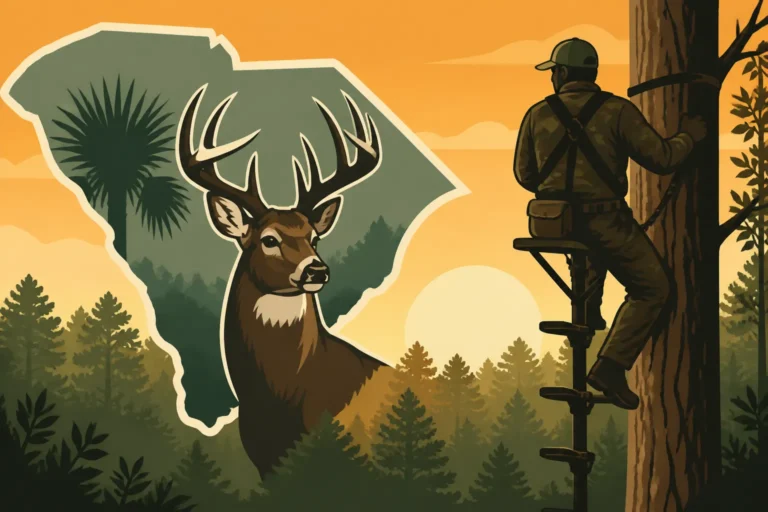
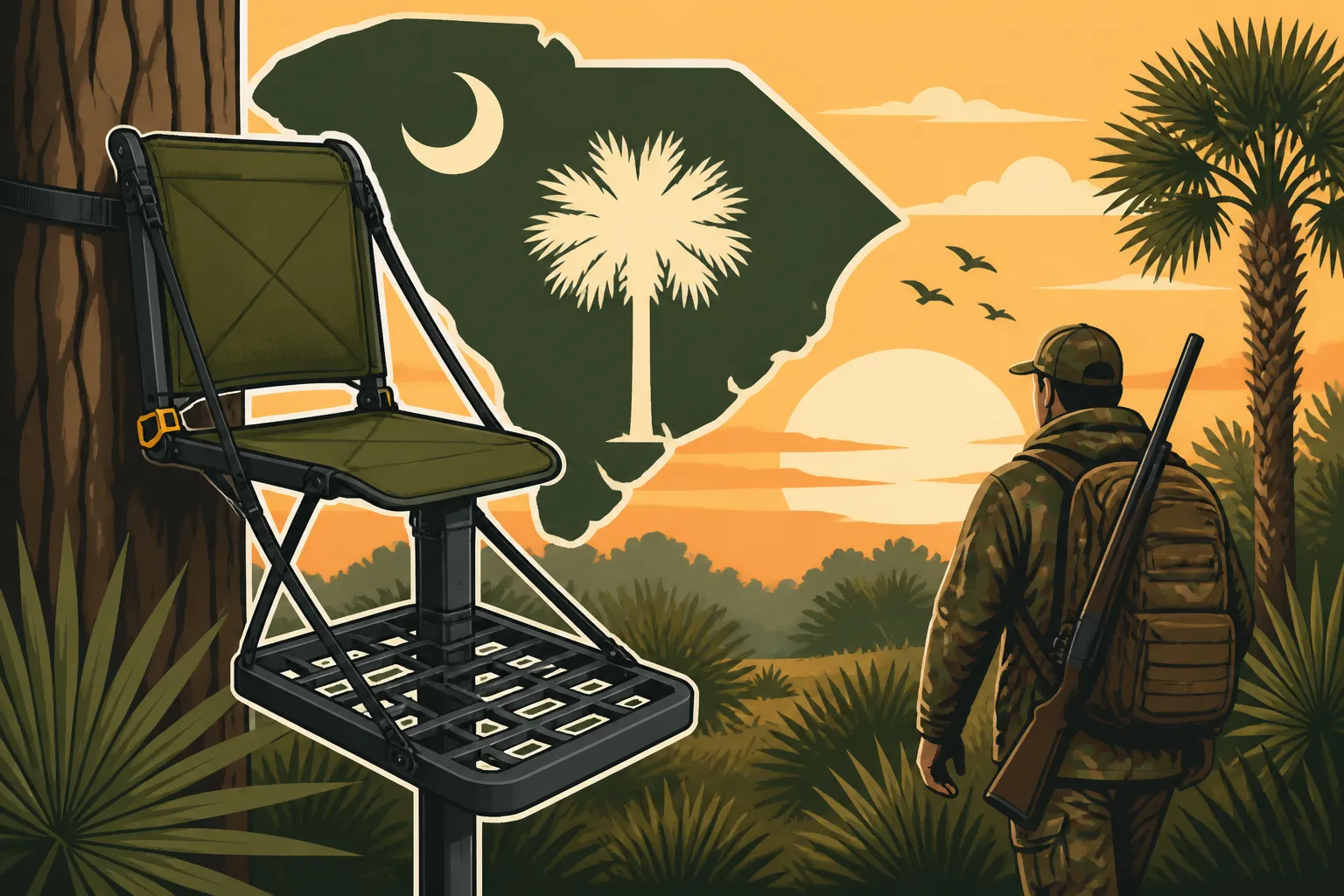
Climbing stands are fantastic for hunters who prioritize simplicity and vertical reach, especially in areas with relatively straight, limbless trees like the vast pine forests found across much of South Carolina's public land. They consist of two sections – a seat section and a platform section – that you "climb" up the tree with. The beauty of a climber is its self-contained nature; you don't need any additional steps or equipment to get up the tree, making it a truly one-piece system. This can be a huge advantage when you're packing in light and want to minimize gear. They are generally quick to set up and take down once you get the hang of it, allowing for swift relocation if your initial spot isn't producing. However, they are limited to trees that are relatively straight and don't have large limbs impeding your ascent. You'll also want to make sure your chosen tree isn't too large or too small for the stand's design.
When you're slogging through the Sumter National Forest, a good, lightweight climber can be a godsend. Imagine finding a promising oak flat with fresh deer sign a mile off the beaten path; being able to quickly set up your climber on a nearby pine and get to hunting can be the difference between success and a long walk back to the truck. They're also generally comfortable for longer sits once you're up there, which is important during those slow midday hours.
Hang-On Stands and the Freedom of Placement
Hang-on stands, also known as lock-on stands, offer unparalleled versatility in tree selection. Unlike climbers, they are not limited by a tree's straightness or lack of limbs. If you can get climbing sticks or steps up to it, you can hang a lock-on stand. This makes them ideal for hunting gnarly hardwoods, multi-limbed oaks, or pines with lower branches that a climber couldn't navigate. This freedom of placement is critical on public land where the "perfect" tree for a climber might be scarce, but a suitable tree for a hang-on is always available. You can tuck a hang-on into thicker cover, behind a cluster of saplings, or against a tree that offers more natural camouflage. This can be a huge advantage for being truly invisible to wary deer.
The trade-off is that hang-ons require additional gear, typically a set of climbing sticks or screw-in steps, to reach your desired height. This means more to carry in and out, and potentially a longer setup time compared to a simple climber. However, for a dedicated public land hunter, this extra effort is often worth it for the tactical advantages it provides. When you're Hanging a Stand on a Sumter Forest Ridge in an old growth hardwood, a hang-on with climbing sticks is often your only practical option. Many experienced public land hunters use GoHunt or similar mapping apps to identify promising trees or terrain features during Scouting South Carolina Public Land Before Season, then plan their approach with a hang-on in mind.
Saddle Hunting: Lightweight and Low Profile
Saddle hunting has exploded in popularity among mobile hunters, and for good reason. It's arguably the most lightweight and packable stand system available. Instead of a bulky platform and seat, a saddle is essentially a harness that you wear around your waist and hips, which then attaches to a tree via a tether and carabiner. You climb the tree using climbing sticks or methods like "one-sticking," then lean back into the saddle, using a small platform or individual steps for your feet. The primary advantage of saddle hunting is its incredible mobility and low profile. The entire system can often fit into a small backpack, making long treks into remote public land spots much more manageable.
Furthermore, a saddle allows you to hunt 360 degrees around the tree. You're not restricted by a fixed platform; you can simply shift your position around the trunk to get a shot, use the tree for cover, or adjust to changing wind directions. This can be a game-changer when a deer approaches from an unexpected angle. The learning curve for saddle hunting can be a bit steeper than traditional stands, and some hunters find it less comfortable for all-day sits initially. However, once you master it, the freedom it offers for Saddle Hunting in South Carolina Hardwoods or even Treestand Setups in Francis Marion National Forest is hard to beat. It truly allows you to become one with the tree.
Here's a quick comparison of these popular portable stand types:
| Stand Type | Weight (Avg.) | Mobility/Packability | Tree Selection | Comfort (for long sits) | Setup Difficulty | Best Use Case |
|---|---|---|---|---|---|---|
| Climbing Stand | Moderate | Good | Limited (straight, limbless trees) | Good | Easy-Moderate | Pine plantations, open timber with suitable trees |
| Hang-On Stand | Moderate-Heavy | Moderate | Versatile (any tree with sticks) | Good | Moderate | Hardwood forests, gnarly trees, thick cover |
| Saddle Hunting | Very Light | Excellent | Very Versatile | Moderate (can vary) | Moderate-Difficult | Ultimate mobility, tight cover, 360° shots |
What to Look for in a Public Land Portable Stand
Choosing the right portable stand isn't just about picking a type; it's about evaluating specific features that will enhance your hunting experience and keep you safe on South Carolina's public lands. Every element, from the materials to the design, plays a crucial role.
Weight and Packability: Your Back Will Thank You
This is arguably the most critical factor for public land hunting. The lighter your stand, the farther and quieter you can hike. Every pound adds up, especially when you're carrying a pack, a weapon, and your stand into a remote area. Look for stands made from aluminum, which significantly reduces weight compared to steel. Beyond just the raw weight of the stand, consider its packability. Does it fold flat? Does it have straps or attachment points to secure it to your backpack? Can you attach your climbing sticks or saddle components efficiently? A stand that's easy to carry and doesn't snag on brush while you're navigating dense cover is invaluable. For those long walks into areas like the Enoree Ranger District, a lightweight setup paired with a good Packs for a Sumter Forest Day Hunt can make or break your day.
Think about how you'll carry it. Some stands come with built-in shoulder straps, while others are designed to be integrated into a larger hunting pack. A well-designed, packable stand minimizes noise as you walk, preventing metallic clanking that can alert game long before you reach your destination.
Stealth and Quiet Operation
Deer have incredible hearing, and nothing spooks them faster than metallic scraping, squeaking, or creaking sounds. A good portable stand for public land will be designed with stealth in mind. This means quiet attachment methods, no loose parts that can rattle, and possibly even rubber or plastic coatings on critical contact points to minimize noise against the tree. Test a stand for noise before you buy it, and certainly before you take it into the field. Can you set it up quietly? Does it creak when you shift your weight? Even minor noises, amplified in the still morning air, can give away your position.
Beyond the stand itself, consider your climbing method. Are your climbing sticks silent? Do your screw-in steps make noise as you install them? All these factors contribute to your overall stealth. Many hunters even add athletic tape or shrink wrap to their climbing sticks to further dampen sound when they bump against each other or the tree. Remember, silence is golden, especially when you're trying to find Finding Ground Others Walk Past that hasn't been disturbed.
Safety First: Stability and Harnesses
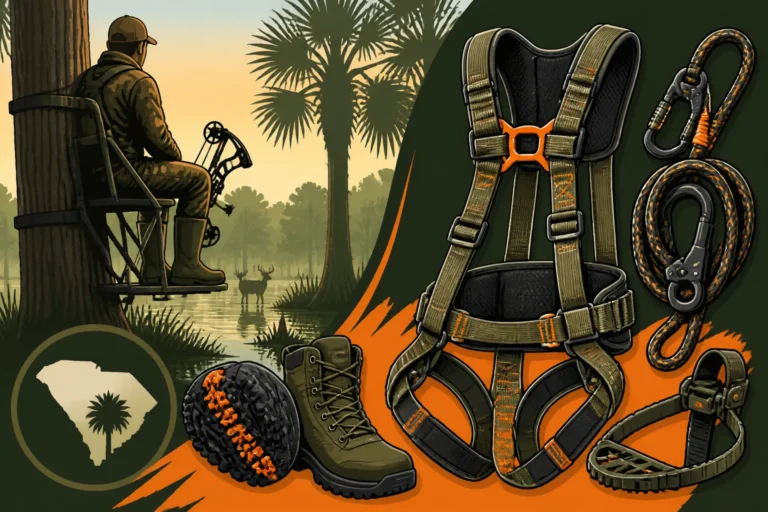
No matter how light or quiet a stand is, if it's not safe, it's not worth using. Always prioritize safety. Look for stands that feel sturdy and secure once attached to the tree. The platform should be rigid, and there should be no excessive wobble or flex. A good non-slip surface on the platform is also critical, especially in wet or frosty South Carolina mornings. Critically, always use a full-body safety harness. This isn't optional; it's non-negotiable. Most stands come with a basic harness, but many hunters choose to upgrade to more comfortable and feature-rich options. Practice using your harness and attaching it to the tree before you ever leave the ground. Understand how to use a lifeline or a similar system that keeps you tethered from the moment your feet leave the ground until they touch it again. Treestand Safety Gear for Wet Ground is vital, as a slick platform or a misstep can have dire consequences. It only takes one mistake to turn a great hunt into a disaster.
Durability Against South Carolina's Elements
South Carolina weather can be brutal on gear – humidity, rain, heat, and even the occasional freeze can take their toll. Your portable stand needs to be able to withstand these conditions season after season. Look for stands made with high-quality, corrosion-resistant materials. Aluminum is excellent for weight reduction but should still be treated to prevent oxidation. Webbing and straps should be UV-resistant to prevent degradation from sun exposure. Fasteners and hardware should be robust and designed to resist rust. Regularly inspect your stand for any signs of wear, cracks, or damage, especially on welds, cables, and straps. Keeping your gear in top shape not only extends its life but, more importantly, ensures your safety. After all, you don't want a critical component failing when you're tucked away in the backcountry of the Sumter National Forest during a late-season downpour.
Mastering Portable Stand Tactics on Public Land
Having the right portable stand is only half the battle; knowing how to use it effectively on public land is where the true success lies. It's a combination of planning, quick thinking, and smart execution.
Pre-Season Scouting and In-Season Adaptability
Effective public land hunting starts long before opening day. Get out there during the off-season to scout for promising areas. Look for pinch points, funnels between two swamps, old logging roads, fresh browse, and water sources. Use tools like the GoHunt app to study aerial photos, topography maps, and public land boundaries. This helps you identify potential bedding areas, travel corridors, and feeding sites that might be overlooked by others. Mark potential stand trees and entry/exit routes on your GoHunt app. Scouting South Carolina Public Land Before Season is invaluable for this preparation.
However, don't let your pre-season plan be set in stone. Deer movements shift, and conditions change. Be adaptable. During the season, read the fresh sign: new rubs, scrapes, tracks, and droppings. If your chosen spot isn't showing recent activity, be prepared to move. This is where the portability of your stand shines. You can quickly pack up and relocate to a new area that's showing more promise. GoHunt's real-time mapping capabilities can also help you adjust on the fly, marking new sign or finding alternative routes as needed. This flexibility is what separates consistently successful public land hunters from those who struggle.
Strategic Setup and Entry/Exit Routes
The way you approach and leave your stand location is almost as important as the location itself. Always consider the wind direction, thermal currents, and line of sight. Plan your entry and exit routes to be as quiet and scent-free as possible. Walk along natural barriers like creek beds or logging roads, or through areas with dense cover that can mask your movement and scent. Avoid walking directly through known deer bedding or feeding areas, especially at dawn or dusk. Your goal is to get into your stand undetected and leave without alerting any deer that might be in the area.
When setting up, choose a tree that offers good cover and a clear shot opportunity. Position your stand so you can comfortably shoot in the most likely directions of deer approach, but also consider unexpected angles. Think about the sun's position – you don't want to be staring into it at first or last light, nor do you want it silhouetting you. Being able to shift your position slightly, as with a saddle, can be a major advantage. If you're hunting in the Lowcountry, you might be Hunting a Funnel Between Two Swamps, and your entry might involve navigating thick palmetto and standing water. Every detail matters for staying hidden.
Optimal Stand Placement for Success
The ideal stand placement isn't just about finding a tree; it's about finding the right tree in the right spot. Look for natural funnels where deer movement is concentrated, such as saddles on a ridge, narrow strips of timber between fields, or creek crossings. Identify pinch points created by terrain features, thick cover, or water. Consider food sources – whether it's acorns in a hardwood bottom, a planted green field, or browse in a clear-cut. Position your stand downwind or crosswind of these key areas.
Your height in the tree is also important. Aim for a height that gives you a good vantage point over the terrain and allows your scent to dissipate above deer level, typically 18-25 feet, depending on cover. However, always prioritize cover over height. It's better to be lower with good concealment than higher and silhouetted. Use GoHunt's satellite imagery to identify areas of differing vegetation or bottlenecks that might funnel deer movement. By combining thorough scouting, meticulous planning, and the adaptability of a portable stand, you'll dramatically increase your chances of success on South Carolina's diverse public hunting lands.
Disclaimer
This article is for general informational purposes only and does not constitute professional advice. Laws, prices and regulations vary by location and change over time. Consult a qualified professional for guidance on your specific situation.