Hunting Small Private Tracts in South Carolina
It's easy to get caught up in the romantic notion of vast hunting leases or sprawling family land, but for most hunters in South Carolina, the reality is a bit different. We often find ourselves trying to squeeze a successful hunt out of smaller, privately owned tracts – sometimes just a few acres bordering a subdivision or a narrow strip of timber tucked between crop fields. The good news is, these overlooked spots can be absolute gems if you know how to find them, gain access, and hunt them smart. This guide will walk you through the unique world of hunting small private tracts, helping you navigate the challenges and maximize your chances of filling your freezer.
The Allure and Challenges of Small Private Land
There's something incredibly satisfying about punching a tag on a deer from a small, often unassuming piece of private land. These tracts might not look like much on a map, but they often hold secrets that larger properties sometimes miss.
Why Small Tracts Can Be Hidden Goldmines
One of the biggest advantages of hunting a small private tract in South Carolina is often the sheer lack of pressure. While everyone else is hammering the big public land blocks or well-known hunting clubs, those little corners of habitat can become sanctuaries. Deer, especially mature bucks, are incredibly adept at finding quiet places to hide, and a small, overlooked woodlot or brushy creek bottom can offer just that.
Think about it: a small, five-acre patch of pines bordering a massive soybean field might seem insignificant. But if those soybeans are being heavily hunted on the main farm, that small patch becomes a prime bedding area for deer looking to escape. They'll venture out to feed under the cover of darkness and retreat to safety before daylight. I've seen it time and again in places like the Lowcountry, where small islands of high ground in a swamp or a narrow finger of woods near a busy road can hold surprisingly large deer simply because no one thinks to hunt them. These areas often serve as natural travel corridors or staging points, connecting larger blocks of cover or food sources. When you're dealing with limited acreage, you're often hunting the deer that are using it as a temporary stop or a safe haven from pressure elsewhere.
The Hurdles of Limited Acreage
While the potential for unpressured deer is real, hunting small tracts comes with its own set of frustrations and challenges. The most obvious is the proximity of property lines. Deer don't care about surveys or fences, and they can be across the line in a matter of seconds. This means you have a very limited engagement zone, and any deer that spooks or simply decides to take a different route can quickly put themselves out of your legal reach.
Another significant hurdle is dealing with neighboring landowners and hunters. If your five-acre tract is surrounded by other small landowners who also hunt, you might be dealing with multiple hunters in very close proximity. This can lead to increased pressure on the local deer herd, making them more nocturnal or causing them to vacate the area entirely. It also requires an extra layer of communication and respect for boundaries, which isn't always easy. For instance, if you're Hunting Small Woodlots Near Suburban Columbia, you're dealing with residential areas and often higher deer densities, but also more eyes and ears. Setting up a stand, ensuring your shots are safe, and managing any game recovery can become a delicate dance when houses are just a few hundred yards away. You might also find that the deer are already patterned by nearby activity, forcing you to adapt your strategy significantly.
Strategies for Gaining Access and Building Trust
Securing permission to hunt small private tracts often relies more on personal connection and trust than it does on vast sums of money for leases. It's a different game, but one that can be incredibly rewarding.
The Art of Knocking on Doors and Digital Recon
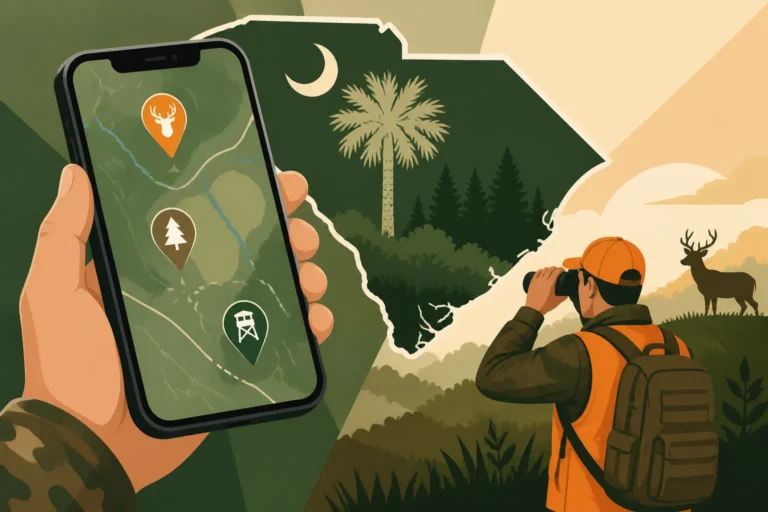
Before you even think about knocking on a door, do your homework. Start by identifying potential small tracts that look promising on aerial maps. Look for unkempt woodlots, creek bottoms, overgrown fields, or sections of timber that connect larger blocks of habitat. Once you've found a few spots, you'll need to identify the landowner. Tools like GoHunt or OnX Hunt are invaluable here, allowing you to overlay property lines and landowner information right on your map. This allows you to walk up to the right door with the right name in mind, which already puts you a step ahead.
When it comes to the actual approach, timing and demeanor are everything. Avoid showing up during dinner time or early on a Sunday morning. Dress respectfully – no camo or muddy boots on your first visit. Introduce yourself, explain why you're there, and be upfront about what you're looking for. Many landowners, especially those who don't hunt themselves, might be dealing with nuisance deer or simply appreciate someone offering to help manage the population. Offer to help with chores around the property, such as fixing fences, clearing brush, or helping with general maintenance. This isn't just a ploy; it's a genuine way to build rapport. Explain that you understand it's their land and you'll respect their wishes and property. Remember, you're asking for a privilege, not a right. For a deeper dive into this initial contact, check out Asking a South Carolina Farmer for Permission. The principles are the same whether it's a farmer or a small landowner.
Cultivating Long-Term Relationships
Gaining permission is just the first step; keeping it is where the real work begins. Reliability and respect are paramount. Always follow through on any promises you make, whether it's helping with a chore or reporting a successful harvest. If a landowner asks you not to drive on a certain path, don't. If they ask you to only hunt during specific hours, abide by it. Simple courtesies like letting them know when you'll be on the property, especially if you'll be there before dawn or after dusk, go a long way.
Consider sharing some of your harvest, especially if the landowner doesn't hunt but appreciates the venison. A couple of backstraps or a nice roast is a fantastic gesture and solidifies the relationship. Beyond hunting season, touch base with them. Offer to help with small tasks, or just drop by to say hello. Maintaining open communication and showing consistent respect for their property and wishes is the foundation of a lasting hunting privilege. This kind of relationship is invaluable, especially when you consider Do You Need Written Permission in South Carolina? for various activities; having that solid trust often makes the paperwork much smoother or even unnecessary in some cases, though written permission is always a good idea for clarity.
Lease Versus Permission
For small private tracts, the decision often comes down to informal permission versus a formal lease agreement. Informal permission is exactly what it sounds like: a handshake agreement that allows you to hunt. This can be great for quick access, but it often lacks the clarity and legal protection of a written lease. It's also more susceptible to changes in the landowner's mind or new circumstances.
A formal lease, even for a small tract, provides much clearer boundaries, terms, and expectations. It can specify hunting days, harvest limits, guest policies, and liability agreements. While it might seem like overkill for a five-acre parcel, a written agreement protects both you and the landowner. Many landowners, especially those with residential neighbors, appreciate the professionalism a lease brings. For larger tracts or hunting clubs, understanding South Carolina Hunting Lease Costs and how they operate is crucial, but for small tracts, the cost might be negligible or even just a trade of services. Always discuss expectations for liability, as this is a key concern for many landowners.
Maximizing Your Hunt on Limited Acreage
Hunting small tracts isn't about covering ground; it's about dissecting every inch and understanding how deer use that specific piece of habitat. It demands a level of detail and precision that might not be necessary on larger properties.
Hyper-Focused Scouting and Stand Placement
Every tree, every creek bend, every subtle change in elevation matters on a small tract. This is where Scouting South Carolina Public Land Before Season principles apply, but on a micro-scale. You need to become an expert on that specific piece of land and its immediate surroundings. Use aerial maps and topo maps extensively. Look for pinch points, funnels, creek crossings, old logging roads, and any natural features that would naturally restrict or direct deer movement.
When it comes to stand placement, think about the prevailing wind, the sun's position, and your entry and exit routes. Since deer will likely be crossing property lines, you'll want to place your stand where you can intercept them before they get to the boundary, giving you a reasonable shot window. Trail cameras are your best friend here. Deploy them strategically to monitor scrapes, rubs, and trails. This intelligence helps you understand exactly when and where deer are moving through your limited acreage. For instance, if you're trying to figure out Where Francis Marion Bucks Bed, you'd be looking for dense cover within your small tract, knowing that bucks will seek sanctuary there. Even on a small private tract, those same bedding principles apply. The key is to analyze every detail. If you're wondering Where to Hang a Camera on a Logging Road, consider how deer might skirt the edges of your property along any old two-track or field edge.
Low-Impact Hunting and Entry/Exit Routes
On a small piece of land, every time you step foot in the woods, you risk educating or spooking the deer. This means low-impact hunting is not just a good idea, it's absolutely critical. Your entry and exit routes must be meticulously planned to minimize disturbance. Approach your stand quietly, preferably under the cover of darkness, and exit the same way. Avoid walking through bedding areas or known travel corridors on your way in or out.
Always consider the wind. Even a slight breeze in the wrong direction can blow your scent across your entire hunting area, effectively ruining your hunt before it even begins. Pay attention to thermals, especially in the mornings and evenings when temperatures are changing. For example, if you're hunting an Upstate ridge, understanding Wind and Thermals on an Upstate Ridge is crucial. In the morning, cold air sinks, carrying your scent downhill. In the evening, warm air rises, carrying it uphill. Planning your approach and exit around these natural air currents will greatly increase your success. Think about how you might plan your Entry Routes Through Standing Soybeans or other crops to be as discreet as possible, using the taller vegetation for cover.
Here’s a quick overview of key considerations:
| Aspect | Large Tract Hunting | Small Tract Hunting |
|---|---|---|
| Scouting Intensity | General areas, food sources, large travel corridors. | Micro-details: Every rub, scrape, subtle trail. |
| Stand Placement | Wider options, can set up for different winds/times. | Highly critical, often one or two "perfect" spots. |
| Entry/Exit | More flexibility, can circle around large areas. | Extremely sensitive, must be silent and scent-free. |
| Pressure Tolerance | Deer can retreat deeper into the property. | Deer quickly jump property lines with any pressure. |
| Landowner Relation | Often transactional (lease fees). | Personal relationship, trust, and mutual respect. |
| Habitat Control | Can manage large food plots, timber, etc. | Limited to small plots or minor cover enhancements. |
Strategic Food Sources and Cover
While you can't typically create massive food plots on small tracts, you can certainly influence deer movement with strategic, small-scale habitat enhancements. If the landowner allows, a small, well-placed clover plot or brassica patch can be a huge draw. Even a half-acre plot can make a difference, especially if it's the only quality food source in the immediate area. When considering Food Plots on South Carolina Private Land, think small, accessible, and high-value for deer.
Beyond food, look for opportunities to enhance bedding cover. This could mean hinge-cutting some non-valuable trees to create dense thickets, piling brush, or encouraging natural regeneration of woody plants. Creating a small, secure bedding area can keep deer on your property longer, or at least encourage them to use it as a staging area before hitting larger food sources nearby. This is particularly effective in areas where bedding cover is at a premium, pushing deer to seek out any secluded spot they can find.
Legalities, Ethics, and Maintaining Good Relationships
Hunting small private tracts demands an acute awareness of legal boundaries and a strong ethical compass. A single misstep can jeopardize your hunting privilege and harm your reputation.
Understanding South Carolina Trespass and Property Lines
Knowing exactly where your hunting permission ends and where a neighboring property begins is non-negotiable. South Carolina has clear laws regarding trespass, and you do not want to find yourself on the wrong side of them. Use your mapping apps with GPS and be intimately familiar with the property boundaries. If there's any doubt about a boundary, err on the side of caution or clarify with the landowner.
The most common issue arises when recovering game. It's an agonizing situation to watch a deer you've shot run onto an adjacent property where you don't have permission. In South Carolina, Retrieving Game From Private Land in South Carolina without permission is still considered trespassing. Your best bet is to immediately contact the landowner of the adjacent property to seek permission. If you don't have their contact information, you may need to contact law enforcement or a game warden to assist. Attempting to retrieve game without permission can lead to fines, legal trouble, and a ruined reputation with both your landowner and neighbors. Understand that South Carolina Trespass and Permission Law is there to protect landowners, and respecting it is paramount. Even if a property is not "posted," you still need permission to hunt or retrieve game.
Neighborly Conduct and Respect
Hunting small tracts often means you're in close proximity to homes, driveways, and other activities. Being a good neighbor is just as important as being a good hunter. This means being mindful of noise, especially early in the morning or late at night. Avoid spotlighting or any activities that might alarm residents. Be aware of safe shooting lanes and always ensure your backstop is adequate, especially with residences nearby.
If you encounter neighbors, be friendly and courteous. A positive relationship with surrounding property owners can be beneficial, sometimes even leading to more hunting opportunities. Conversely, a negative encounter can quickly lead to lost privileges for you and potentially for other hunters in the future. Remember that your actions reflect not just on you, but on all hunters. Respecting South Carolina Posted Land Rules is fundamental, as it clearly communicates a landowner's wishes regarding entry onto their property.
Reporting Harvest and Game Laws
Regardless of the size of the tract, all South Carolina hunting regulations apply. This includes bag limits, season dates, and reporting requirements. For deer, you must report your harvest through the South Carolina Department of Natural Resources (SCDNR) Game Check system. This can be done online or via their app. It's a critical part of wildlife management, and failure to report can lead to penalties. Make sure you understand how to use Checking a South Carolina Deer Harvest Online to stay compliant.
Always carry your valid South Carolina hunting license and any required permits. Understand the specific regulations for the game you're pursuing. For instance, if you're hunting small game like squirrels or rabbits on your tract, be familiar with their season dates and bag limits. Being an ethical and law-abiding hunter is the bedrock of maintaining access to private land and ensuring the future of hunting in our state.
Disclaimer
Please remember that hunting regulations, license requirements, and access rules can change. Always consult the official South Carolina Department of Natural Resources (SCDNR) website or their current hunting guide for the most up-to-date and accurate information before planning any hunt. This guide is for informational purposes only and does not supersede state laws or regulations.