Treestand Rules on South Carolina Public Land
Hunting on South Carolina's public lands is an incredible privilege, offering access to diverse landscapes and abundant game. But let's be honest, trying to navigate the specific rules for treestand use can feel like deciphering ancient texts, leaving many hunters scratching their heads and fearing potential penalties. Between national forests and a myriad of Wildlife Management Areas (WMAs), the regulations can vary significantly, making it tough to know if your setup is legal. This guide is designed to cut through that confusion, providing clear, actionable information on treestand rules for South Carolina's public hunting lands so you can focus on the hunt, not the paperwork.
The Foundation: General Treestand Rules on South Carolina Public Land
When you're out there, deep in the timber, trying to find that perfect pinch point or funnel, the last thing you want is to realize your hard-earned setup is against the rules. While specific regulations can differ slightly between management agencies and even individual areas, there are some overarching principles that apply to nearly all public land in the Palmetto State. Understanding these fundamentals is your first line of defense against violations and ensures you're hunting ethically and legally.
No Permanent Structures: The Golden Rule
This is perhaps the most critical rule to internalize: permanent treestands are almost universally prohibited on South Carolina public lands. What exactly constitutes "permanent"? Think about anything that requires significant alteration to the tree or ground, or gear left in place year-round. This includes stands built from lumber, metal platforms lag-bolted into trees, or anything that would remain intact for multiple seasons if left unattended. The idea is to leave the forest as you found it, minimizing human impact and ensuring that public resources remain accessible and undamaged for everyone.
Imagine the frustration of finding a perfect oak flat, only to see someone has built a makeshift shack 20 feet up a tree. Not only is it an eyesore, but it monopolizes a prime hunting spot and often causes irreversible damage to the living tree. Public land is a shared resource, and the rules are designed to prevent such scenarios, promoting fairness and environmental stewardship. So, if your stand requires a saw, hammer, or extensive assembly that alters the tree, it's likely a no-go. Stick to commercially manufactured, portable stands that can be easily installed and removed without harming the tree.
Identification and Removal Deadlines
Another common requirement across South Carolina's public hunting lands involves identifying your treestand and removing it within a specified timeframe. It’s not enough to just hang a stand; you typically need to mark it clearly with your name and address or your SCDNR Customer ID number. This allows game wardens to identify the owner and enforce regulations, as well as helping to prevent theft. Think of it as putting your name on your lunchbox – it helps avoid confusion and ensures accountability.
The removal deadlines are equally important. You cannot just leave your stand out indefinitely. Most public lands, including National Forests and WMAs, have strict dates by which all hunting equipment, including treestands, must be removed. These dates often fall shortly after the close of the hunting season for that specific game or area. Forgetting to retrieve your stand by the deadline can lead to fines, confiscation of your equipment, or even loss of hunting privileges. It’s a real pain to haul a stand out of a swamp in January, but it beats having it seized. Always check the specific area's regulations, often found in annual hunting guides or on the SCDNR website, to confirm these dates. Knowing these dates is just as important as knowing When South Carolina's Archery Season Opens.
Damage to Trees: What's Allowed and What's Not
The health of our public forests is paramount, and regulations often focus on preventing damage to trees. This means certain types of attachments for treestands are explicitly forbidden. Generally, any method that involves screwing, bolting, or nailing into the live trunk of a tree is prohibited. This includes screw-in steps, lag bolts, or any device that pierces the bark and cambium layer, which can wound the tree and make it susceptible to disease or decay.
Instead, hunters are typically required to use methods that secure the stand without damaging the tree. Strap-on stands, chain-on stands, and climbing stands that rely on tension and external pressure are usually acceptable. These stands distribute weight and pressure around the tree's circumference rather than penetrating its surface. Even with these, it's crucial to minimize bark abrasion. Always read the fine print in the WMA regulations or National Forest guidelines. The goal is to leave no permanent mark, ensuring that the tree you hunt from today will be healthy for future generations of hunters and wildlife alike.
Specific Rules for National Forests: Francis Marion and Sumter
South Carolina is fortunate to host significant portions of two National Forests: Francis Marion and Sumter. These vast tracts of public land offer incredible hunting opportunities, from deer in the swamps of the Lowcountry to bears in the Upstate mountains. However, hunting in these federal lands comes with its own set of rules, particularly concerning treestands, that you absolutely need to be aware of.
Treestand Usage in National Forests
In both the Francis Marion National Forest and the Sumter National Forest, the general rule of "no permanent structures" is strictly enforced. You can use portable treestands, but they must be completely self-contained and not involve any spikes, screws, or bolts that penetrate the tree bark. This means your climbing stick system or ladder stand must attach via straps, chains, or other non-damaging methods. For instance, many hunters prefer strap-on climbing sticks for their ascent, which leave the tree unharmed.
The U.S. Forest Service, which manages these lands, often has specific directives regarding how long a stand can remain in place. Typically, stands cannot be left unattended for more than a certain number of days, and they must always be clearly marked with the hunter's name and address or SCDNR customer ID. While you might want to leave your stand set up for the entire season in a promising spot, that's often not allowed. You'll need to check the specific Forest Service rules for the district you're hunting in, as these can sometimes be more restrictive than general state WMA regulations. It's a good idea to consult the Forest Service's website or local ranger district office in addition to the SCDNR regulations. For more detailed insights, you might want to review Treestand Setups in Francis Marion National Forest or Hanging a Stand on a Sumter Forest Ridge.
Permissible vs. Prohibited Attachments
Understanding the nuances of what's allowed and what's not when attaching your stand can save you a lot of grief. Let's make it clear: screw-in steps, regardless of how small, are a no-go in the National Forests. The act of screwing into the tree, even for temporary steps, causes damage that can compromise the tree's health and even create entry points for disease. This rule applies equally to climbing sticks or ladder sections that use similar screw-in mechanisms.
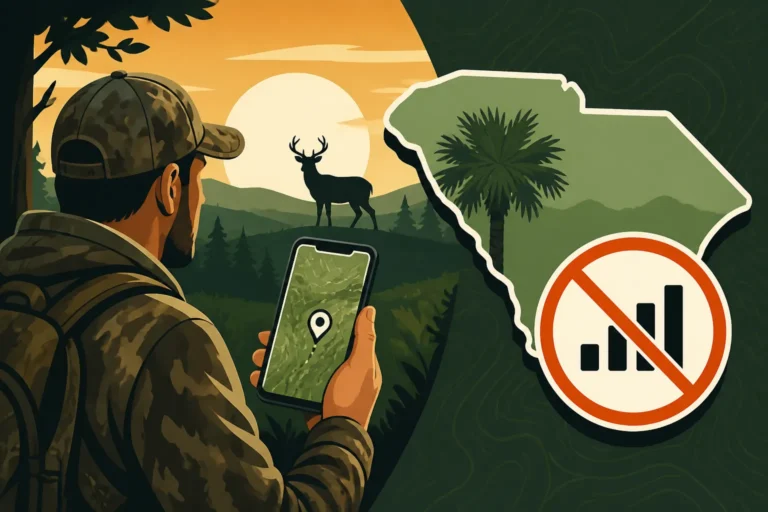
On the flip side, various types of portable stands and climbing aids are perfectly acceptable. Chain-on stands and strap-on stands that cinch tightly around the tree trunk are standard. Climbing stands, which operate by cinching onto the trunk as you ascend, are also a popular choice. The key takeaway is that the attachment mechanism should be entirely external to the tree's living tissue. When in doubt, err on the side of caution and choose gear that is specifically designed to be tree-friendly. Before heading out, many hunters will use a mapping tool like onX Hunt to verify public land boundaries and even identify potential access points, helping them plan a legal and ethical hunt.
Navigating Wildlife Management Areas (WMAs): A Closer Look
South Carolina's Wildlife Management Areas (WMAs) are diverse, ranging from expansive coastal swamps to managed upland pine forests. These areas are managed by the SCDNR and provide countless public hunting opportunities. However, because WMAs are actively managed for wildlife, their treestand rules can be incredibly specific, and it’s your responsibility to know them for the particular WMA you plan to hunt.
WMA-Specific Treestand Regulations
The most important thing to remember about WMA treestand rules is that they are not always uniform across the board. While the general principle of temporary, non-damaging stands with proper identification usually holds true, specific WMAs might have additional restrictions or different deadlines. For example, some WMAs might prohibit stands from being left overnight, requiring daily setup and removal, especially during peak seasons or on smaller, more accessible tracts. Others might have specific dates for when stands can be put up and when they absolutely must be removed, which can vary from the general statewide public land guidelines.
It’s absolutely critical to consult the annual SCDNR Rules and Regulations booklet, specifically looking at the section for the particular WMA you intend to hunt. These booklets often include detailed maps and rules unique to each area. Neglecting to check these specifics can lead to confusion, frustration, and potential citations. Don't assume that what's allowed on one WMA is permitted on another, even if they're geographically close. When researching these rules, a tool like onX Hunt can be invaluable, not just for seeing property lines but sometimes even for accessing public land rule overlays, which can save you a lot of legwork. For general WMA information, checking South Carolina Wildlife Management Areas is a great starting point.
Ground Blind Rules on South Carolina Public Land
While the focus here is treestands, many hunters also utilize ground blinds, and these structures fall under similar principles regarding public land use. Just like treestands, ground blinds on public land generally must be temporary. You cannot build a permanent ground blind out of natural materials found on site or leave a manufactured blind in place indefinitely. The "leave no trace" ethos applies strongly here as well.
Most WMAs and National Forests require manufactured ground blinds to be removed at the end of each hunting day or at the very least by the season's close, mirroring treestand removal deadlines. They often also require the blind to be marked with your name and address or SCDNR ID number, especially if left overnight. The reasoning is the same: to prevent property abandonment, ensure accountability, and minimize long-term impact on the landscape. If you're thinking about using a blind, ensure it's a portable model that can be easily set up, taken down, and transported, and always confirm the specific WMA rules for ground blinds. For a deeper dive into this topic, you might check out Ground Blind Rules on South Carolina Public Land.
Best Practices for Legal and Ethical Treestand Hunting
Beyond simply knowing the rules, there's a strong case for adopting best practices that promote safety, ethics, and a positive public image for hunters. These aren't just about avoiding a ticket; they're about being a responsible steward of our natural resources and upholding the traditions of the hunt.
Scouting and Stand Placement Considerations
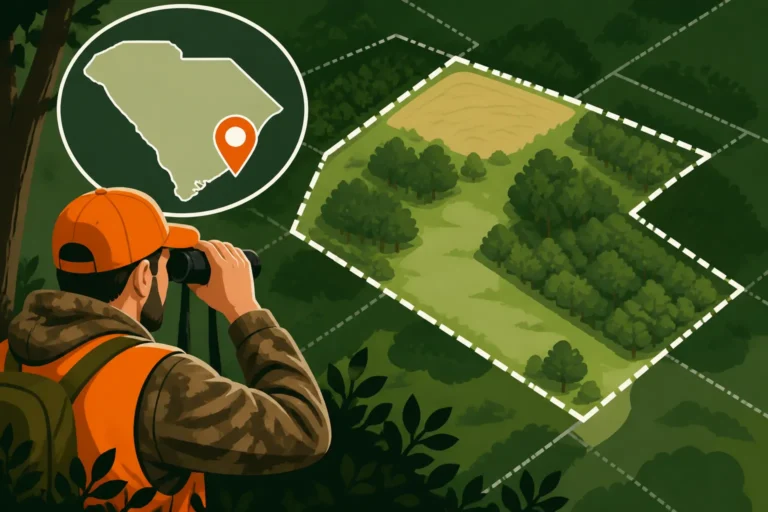
Effective treestand hunting starts long before you ever hang your stand. Thorough scouting is not only key to finding game but also to identifying legal and safe stand locations. Before you even carry your stand into the woods, use aerial maps and public land mapping apps like onX Hunt or even the Go Outdoors SC app to identify public/private land boundaries. Accidentally placing a stand on private land can lead to serious legal issues.
Once you've identified public land, look for suitable trees that are alive, healthy, and sturdy enough to support your weight and the stand. Avoid dead or dying trees, as they pose a significant safety risk. Consider the proximity to roads, trails, and other known public access points. While not always a specific rule, placing a stand too close to heavily trafficked areas can create safety hazards for others and attract unwanted attention or even theft. Think about your entry and exit routes—can you access and leave your stand quietly and without disturbing other hunters or wildlife? Proper planning and Scouting South Carolina Public Land Before Season will make all the difference.
Minimizing Impact and Leaving No Trace
The spirit of public land hunting rules is about leaving the environment as pristine as possible for the next user. This means adopting a "leave no trace" mentality. When installing your stand, be mindful of pruning branches – only remove what is absolutely necessary for safe climbing and shooting lanes, and always use hand pruners or a small folding saw, never an axe or large saw. Take all your trash, including zip ties, flagging tape, and any discarded food wrappers, out with you.
Once the season is over and it's time to remove your stand, double-check to ensure no part of your setup is left behind. This includes straps, bolts, or any other accessory. Over time, abandoned equipment can become litter, detract from the natural beauty of the forest, and even pose a hazard to wildlife. By consistently practicing these habits, we contribute to the longevity and accessibility of our public hunting lands, ensuring they remain valuable for generations to come.
Staying Informed: Your Responsibility
Hunting regulations are not static; they change. Seasons shift, WMA rules are updated, and sometimes even statewide policies are revised. It is your responsibility as a hunter to stay current with all applicable laws and regulations before each hunting season and for every specific area you intend to hunt. Relying on what you knew last year, or what a buddy told you, is a recipe for trouble.
The South Carolina Department of Natural Resources (SCDNR) website is the authoritative source for all hunting regulations, including detailed WMA guides and National Forest addendums. It's wise to download or pick up a hard copy of the current year's hunting regulations booklet. You can also utilize resources like the Using the Go Outdoors SC Map Tool to check specific land boundaries and associated rules. Make it an annual ritual to review these documents thoroughly. A few minutes spent reading can save you from a costly mistake and ensure your hunting experiences on South Carolina's public lands remain legal, ethical, and enjoyable.
Here's a quick reference table outlining key treestand considerations for South Carolina public lands:
| Feature | National Forests (USFS) | Wildlife Management Areas (SCDNR) | General Public Land Principles (Applies to all) |
|---|---|---|---|
| Stand Type | Portable, non-damaging only | Portable, non-damaging only | Absolutely no permanent structures |
| Attachment | Straps, chains; NO screw-in steps or bolts | Straps, chains; NO screw-in steps or bolts | Must not damage tree bark or cambium |
| Identification | Required (Name/Address or SCDNR ID) | Required (Name/Address or SCDNR ID) | Essential for accountability and ownership |
| Removal | Specific deadlines (check local forest rules) | Specific deadlines (check WMA regulations) | All equipment must be removed post-season |
| Damage | Prohibited (no nails, screws, major cuts) | Prohibited (no nails, screws, major cuts) | Preserve tree health for sustained use |
| Ground Blinds | Temporary, marked, removed after use | Temporary, marked, removed after use (often daily) | Leave no trace |
Remember, while this guide provides a comprehensive overview, it is essential to always consult the most current official regulations from the SCDNR and the U.S. Forest Service before heading afield. Happy hunting!
Disclaimer
This article is for general informational purposes only and does not constitute professional advice. Laws, prices and regulations vary by location and change over time. Consult a qualified professional for guidance on your specific situation.