South Carolina Feral Hog Diet and Rooting Damage
If you've spent any time at all scouting or hunting in South Carolina, you know the absolute frustration that comes with feral hogs. They're like a destructive force of nature, and their impact is felt keenly by landowners, farmers, and hunters alike. You're probably tired of seeing your meticulously planted food plots ripped to shreds, or finding prime deer habitat utterly decimated by their relentless rooting. It's not just an annoyance; it's a genuine problem that affects everything from crop yields to the delicate balance of our natural ecosystems. This guide is going to dig deep into exactly what these wild pigs are eating here in the Palmetto State and, more importantly, the infuriating damage their feeding habits cause across our fields, forests, and wetlands.
What Feral Hogs Eat in South Carolina
Feral hogs are the ultimate opportunists, and that's precisely what makes them such a problem in South Carolina. They're not picky eaters; if it's edible and they can get their snouts on it, they're likely to consume it. This incredibly varied diet allows them to thrive in almost any habitat, from the swamps of the Lowcountry to the agricultural fields of the Midlands and even the fringes of the Upstate mountains. Their omnivorous nature means they can switch from plants to animals with ease, adapting to whatever food source is most abundant at any given time. This adaptability is key to their success and, unfortunately, to the widespread damage they inflict.
Natural Forage and Agricultural Crops
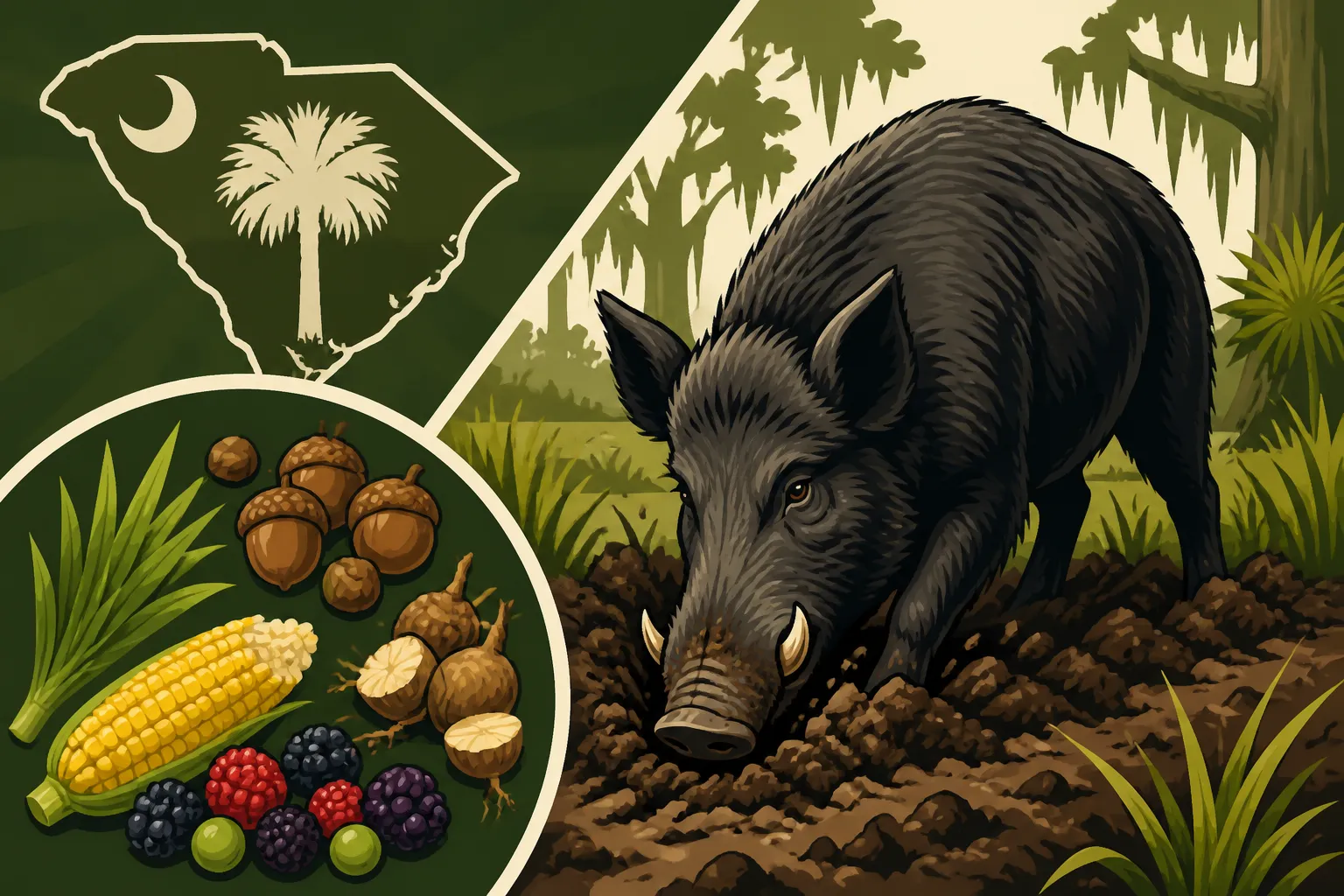
When you think about what sustains a population of wild animals, you often picture them relying on natural mast crops like acorns or native grasses. Feral hogs certainly do this, and often with an intensity that leaves very little for other wildlife. During the fall, when oaks are dropping their bounty, hogs will gorge themselves on acorns, which are a highly nutritious and easily accessible food source. They'll also aggressively root for tubers, bulbs, and roots of various plants, literally turning over acres of ground in search of these buried treasures. This rooting behavior isn't just about finding food; it's also a way for them to access moisture during dry spells, which further exacerbates the damage.
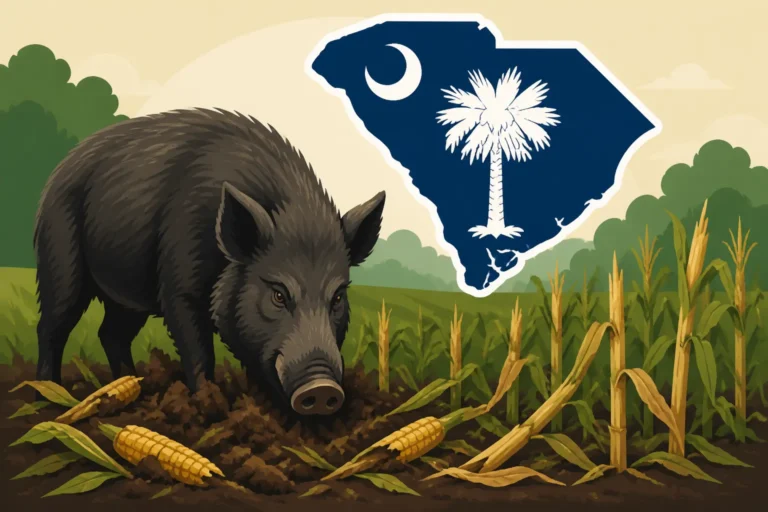
However, their diet extends far beyond what Mother Nature provides. South Carolina is an agricultural state, and feral hogs absolutely love a farmer's hard work. Fields of corn, soybeans, peanuts, sweet potatoes, and even rice become open-air buffets for these animals. Imagine pouring your time, money, and sweat into planting a crop, only to wake up one morning and find entire sections of it flattened, trampled, and consumed by a sounder of hogs. It's a soul-crushing experience, and it happens all too often. They don't just eat the mature crops either; they'll root up young seedlings, preventing the crop from even getting a start. This direct consumption and destruction of crops represent massive economic losses for our farmers, year after year. For anyone interested in the legal aspects of dealing with these destructive creatures, it’s worth reading up on South Carolina Feral Hog Regulations.
Opportunistic Protein Sources
While plant matter makes up a significant portion of a feral hog's diet, they are far from vegetarian. These animals are incredibly opportunistic, and they won't pass up a chance to consume protein when it's available. This can include everything from grubs, worms, and insects they unearth while rooting, to snakes, frogs, and even small rodents. They're also known predators of ground-nesting bird eggs, especially turkey and quail nests, which adds another layer of ecological concern to their presence. If you've been spending time in the woods and notice a sudden drop in turkey poult sightings, feral hogs could very well be a contributing factor.
Perhaps most alarming for deer hunters is their documented predation on fawns. While it's not their primary food source, a hungry sow will absolutely take advantage of a vulnerable fawn, particularly during the spring fawning season. This can have a direct impact on local deer populations, especially in areas where hog numbers are high. It's a stark reminder that feral hogs aren't just competitors for food; they are active predators that can disrupt the entire food web. Hunters often utilize apps like GoHunt to scout areas and identify potential hog activity zones, allowing them to focus their efforts on control and mitigation. Understanding their varied diet helps us grasp just how adaptable and resilient these invasive animals truly are, making control efforts like Hunting South Carolina's Year-Round Feral Hogs all the more critical.
The Devastating Impact of Rooting Damage
The sheer scale of rooting damage caused by feral hogs is truly astounding, and it's something you have to see to believe. It's not just a minor disturbance; it's often a total transformation of the landscape, leaving behind a moonscape of overturned earth. Their powerful snouts are like natural plows, designed to dig and tear through soil with incredible efficiency. This isn't just an aesthetic problem; it creates a cascade of negative effects that impact agriculture, timber, native ecosystems, and even water quality.
Agricultural and Timberland Destruction
Let's revisit the agricultural sector. Beyond simply eating crops, the act of rooting itself causes immense damage. Hogs will churn up planted fields, destroying root systems, exposing soil to erosion, and making it incredibly difficult for farm equipment to traverse the land. Imagine trying to run a tractor through a field that looks like it's been rototilled by a giant, angry boar. The costs associated with replanting, repairing equipment, and simply losing harvestable crops are staggering. These financial burdens are a constant source of stress for South Carolina farmers. The Department of Natural Resources has even documented significant Crop Damage Hogs Cause in South Carolina, highlighting the severity of the issue statewide.
Timberlands don't escape their wrath either. Young pine and hardwood seedlings, crucial for future timber harvests, are often uprooted and destroyed as hogs search for grubs or roots. This can set back reforestation efforts by years, impacting long-term economic plans for timber companies and private landowners. Furthermore, their rooting can damage mature tree root systems, making them more susceptible to disease or windthrow. The ground disturbance also promotes the spread of invasive plant species, which thrive in disturbed soil and outcompete native vegetation, further degrading the habitat. It’s a vicious cycle that just keeps going.
Environmental and Habitat Degradation
The environmental consequences of feral hog rooting are perhaps even more far-reaching and insidious than the agricultural damage. When hogs tear up the soil, they expose it to wind and rain, leading to increased soil erosion. This eroded soil, along with animal waste and agricultural chemicals, then washes into streams, rivers, and wetlands. This influx of sediment and nutrients degrades water quality, harms aquatic life, and can lead to algal blooms that deplete oxygen, creating dead zones in our waterways. If you’ve ever noticed muddy creeks after a heavy rain, and you know hogs are in the area, chances are their rooting is making the problem significantly worse.
Beyond water quality, the rooting behavior directly impacts native plant communities. Hogs often target specific plant species, sometimes to the point of local eradication, disrupting the delicate balance of the ecosystem. Ground-nesting birds, like quail and turkeys, find their nests destroyed and their foraging grounds utterly disrupted. This destruction of habitat extends to small mammals, reptiles, and amphibians that rely on undisturbed forest floors and ground cover. The uniform disturbance created by hogs can also prevent natural forest regeneration and alter the very composition of our diverse South Carolina forests. It’s a serious issue that demands attention, and it's why understanding effective control methods like Trapping South Carolina Feral Hogs is so vital. We hear hunters on GoHunt forums constantly discussing the ecological impacts they observe.
Understanding Hog Behavior to Mitigate Damage
Effectively managing feral hog populations in South Carolina, and by extension, mitigating the damage they cause, requires a deep understanding of their behavior. It’s not enough to simply know they eat crops and root up land; you need to understand their patterns, their motivations, and how they react to various stimuli. This knowledge is your best weapon in the ongoing battle against these prolific invaders. When you consider just Why Lowcountry Hogs Reproduce So Fast, you realize the scale of the challenge and why a proactive, informed approach is essential.
Seasonal Feeding Patterns and Scouting
Hogs don't just randomly appear and disappear; their movements and feeding habits are often dictated by the seasons and the availability of food. During the spring and summer, they might gravitate towards lush green vegetation and tender shoots, often found along creek bottoms or in newly planted fields. As fall arrives, their focus shifts dramatically to hard mast like acorns. Understanding these seasonal shifts can greatly improve your scouting efforts. If you know oaks are dropping, that's where you'll want to focus your attention for fresh rooting sign and travel corridors. Conversely, in the summer, focus on crop fields or natural areas with abundant soft mast.
Using tools like mapping apps, such as those integrated with GoHunt, can help you identify these seasonal food sources and predict hog movements. Look for historical patterns of damage, and combine that with current environmental factors like recent rainfall or upcoming crop harvests. Paying attention to fresh sign—tracks, scat, and especially rooting—will tell you where they've been recently and where they're likely headed next. Learning to discern fresh sign from old is an art, but it's a critical skill. For instance, being able to differentiate between Reading South Carolina Mud for Fresh Deer Movement and hog sign can save you a lot of time and effort.
Trapping and Control Strategies
Because of their destructive nature and rapid reproduction rate, active control methods are absolutely necessary to manage feral hog populations. Understanding their diet plays a crucial role in the success of these strategies, particularly trapping. Hogs are smart, but they are also driven by their stomachs. This makes baiting a highly effective tactic for drawing them into traps. Corn, often soured, is a classic bait that hogs find irresistible. However, experimenting with other attractants, like various food scraps or specialized commercial baits, can sometimes yield better results, especially with trap-shy hogs.
Trapping is often considered the most effective method for removing large numbers of hogs, especially entire sounders. It takes patience, strategic placement, and consistent monitoring. Beyond trapping, other control methods include hunting. Tactics like Night Hunting Hogs With Lights on Private Land or engaging in Running Dogs on South Carolina Feral Hogs can be highly effective, especially when coordinated and carried out safely. The goal with any control strategy is to reduce their numbers consistently to alleviate the pressure they put on agriculture and native ecosystems. It's a continuous battle, and staying informed on methods and success rates, such as those discussed regarding South Carolina Hog Trapping Success Rates, is invaluable for anyone facing this challenge.
| Food Category | Examples | Associated Rooting Damage | Ecological/Economic Impact |
|---|---|---|---|
| Hard Mast | Acorns, Hickory Nuts, Pecans | Deep rooting to uncover fallen nuts, exposed soil. | Reduced food for deer, turkeys, squirrels; soil erosion; decreased forest regeneration. |
| Soft Mast | Wild Berries, Persimmons, Blackberries | Surface rooting around plants, trampling. | Competition with other wildlife; disruption of understory vegetation. |
| Roots, Tubers, Bulbs | Wild Onion, Iris, Grass Roots | Extensive, widespread churning of soil, deep furrows. | Destruction of native plant communities; increased erosion; habitat loss for ground-nesting species. |
| Agricultural Crops | Corn, Soybeans, Peanuts, Sweet Potatoes | Flattened fields, uprooted seedlings, extensive rooting. | Significant economic losses for farmers; damaged farm equipment; soil degradation. |
| Invertebrates | Grubs, Worms, Insects | Shallow to moderate rooting in moist areas. | Secondary damage to root systems of plants; disruption of soil invertebrates vital for ecosystem health. |
| Small Vertebrates | Snakes, Frogs, Small Rodents, Fawns, Eggs | Minimal rooting specific to predation site. | Direct predation on vulnerable wildlife (e.g., fawns, turkey poults); disruption of local food webs; population impacts. |
| Fungi | Mushrooms, Truffles | Specific rooting patches, especially after rain. | Less widespread damage but still contributes to general soil disturbance. |
The ongoing struggle against feral hogs in South Carolina is a testament to their incredible resilience and destructive power. Their diverse diet, coupled with their relentless rooting behavior, creates a compounding problem that impacts our agricultural prosperity, timber resources, and the delicate balance of our natural environment. As a hunter or landowner, facing this challenge can feel overwhelming, but understanding their habits is the first crucial step toward effective management. By staying informed, utilizing smart scouting and control strategies, and even adopting methods like those highlighted in South Carolina Longleaf Pine and Quail Habitat to restore damaged areas, we can work towards mitigating the devastating effects these animals have on our beautiful state. It's a fight we can't afford to lose.
Disclaimer
This article is for general informational purposes only and does not constitute professional advice. Laws, prices and regulations vary by location and change over time. Consult a qualified professional for guidance on your specific situation.