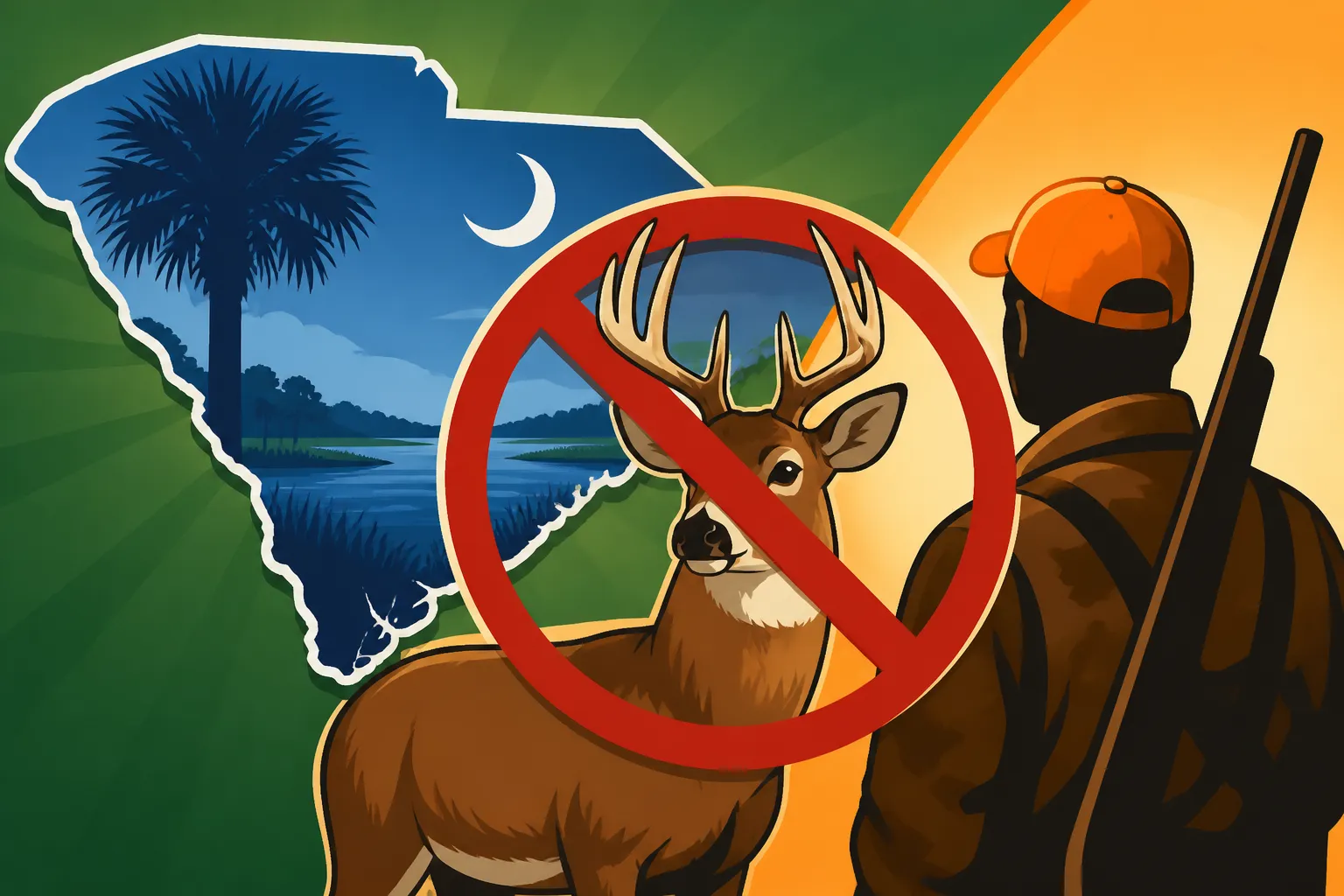
Game You Cannot Hunt in South Carolina
It's incredibly frustrating to dedicate hours, days even, to scouting and planning a hunt, only to realize that the game you've been pursuing, or the method you intended to use, isn't actually legal in South Carolina. The Palmetto State has a rich and diverse wildlife population, but not every creature that roams our fields, swims our waters, or soars our skies is fair game for hunters. This guide will walk you through the various categories of animals you absolutely cannot hunt in South Carolina, helping you stay on the right side of the law and ensuring your passion for the outdoors remains ethical and sustainable.
Understanding Federally and State Protected Species
South Carolina is home to a vast array of wildlife, but many species are afforded special protection under both federal and state laws. These aren't just obscure critters; some are quite common, and accidentally harming them can lead to serious legal repercussions. The protection often stems from their conservation status—meaning their populations are vulnerable or recovering—or their ecological importance. Ignoring these regulations isn't just illegal; it undermines vital conservation efforts.
Endangered and Threatened Species
When we talk about protected species, the first thought often goes to those on the federal endangered or threatened species list. These are animals whose populations have plummeted to critical levels, and every effort is made to help them recover. For instance, while you might spot a bald eagle soaring over one of our many rivers or coastal areas, they are federally protected, and harming one is a severe offense. It's a testament to incredible conservation work that we see them as often as we do now. You can learn more about their incredible comeback in South Carolina Bald Eagle Recovery Near the Coast. Similarly, the magnificent osprey, often mistaken for an eagle, is another raptor whose nests you might spot on tall structures near water. These birds are also protected, and their recovery is a point of pride for our state. We've even put up South Carolina Osprey Nesting Platforms to help them out!
It’s not just birds of prey. Consider the critically endangered red wolf. While their numbers are extremely low and their range primarily centered in eastern North Carolina, there have been historical presences, and understanding their plight is crucial for any South Carolina outdoors enthusiast. Accidental encounters, though rare, could happen, and knowing their protected status is paramount. The complex history of these animals in our region is fascinating, and you can delve deeper into it by reading South Carolina Red Wolf Recovery Program History.
Then you have things like sea turtles, which nest on our beaches, or the occasional manatee that might wander into our warmer coastal waters. While these are less likely to be "hunted" intentionally, accidental entanglement or harassment can still occur, and they are all strictly protected. The key takeaway here is that if a species is listed as endangered or threatened by federal or state agencies, it's absolutely off-limits for hunting. Always check the latest regulations if you're unsure, and resources like GoHunt can be invaluable for cross-referencing state and federal guidelines to ensure you're compliant.
Non-Game Mammals, Birds, Reptiles, and Amphibians
Beyond the critically endangered, there's a vast category of non-game species that are simply not designated for hunting in South Carolina. These are animals that don't have an open season, bag limits, or any framework for legal harvest. This category is much broader than many people realize and includes the vast majority of our state's biodiversity.
Think about all the songbirds that greet you in the morning, from cardinals to wrens. These are not game birds. They are protected by various acts, and it is illegal to hunt or harass them, their nests, or their eggs. While feral hogs certainly cause problems for these populations, leading to South Carolina Songbird Nest Predation by Hogs, we are not allowed to hunt the songbirds themselves. The same goes for nearly all migratory birds that aren't specifically listed as waterfowl or doves with defined hunting seasons. Many owl and hawk species, aside from the eagles and ospreys mentioned, also fall into this protected non-game category.
When you're walking through the woods, you might encounter a variety of snakes, lizards, frogs, and salamanders. For the most part, these creatures are non-game and cannot be hunted. While we might find some like the South Carolina Diamondback Rattlesnake Encounters Afield or South Carolina Cottonmouth Range in Swamp Country to be a bit unsettling, they play vital roles in the ecosystem and are not fair game for hunters. There might be very specific, limited exceptions for things like nuisance animal removal by professionals or specific permits, but for the general hunter, these are off-limits. It's a common misconception that if an animal is perceived as a "pest" or "dangerous," it automatically means you can hunt it. That's simply not true under South Carolina law.
Even many small mammals, like squirrels and rabbits, do have hunting seasons, but others, like chipmunks, moles, or bats, do not. It's crucial to understand the distinction. If a species isn't specifically listed with an open season, it means you cannot hunt it. This also applies to a wide variety of furbearers outside of their specific trapping or limited hunting seasons, like bobcats or foxes in certain contexts, where general hunting might be prohibited even if trapping is allowed. Always consult the South Carolina DNR regulations, and again, digital tools like GoHunt can provide quick access to these rules.
Extirpated Species: Game That Once Was
Sometimes, the animals we cannot hunt are those that simply aren't here anymore. South Carolina's landscape has changed dramatically over centuries, and with those changes, some species that once thrived here have disappeared, or become "extirpated" from the state. While they might exist in other parts of the country, they are not part of our current hunting opportunities.
Historical Giants: Elk and Bison
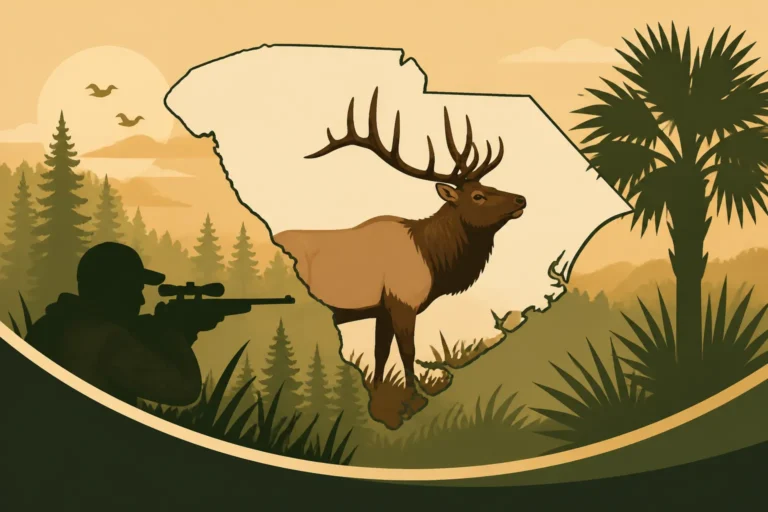
Imagine a time when elk roamed the forests of South Carolina, or when massive bison grazed our prairies. It’s hard to picture now, but it was once a reality. Elk, for example, were once common across much of the eastern United States, including South Carolina, before habitat loss and unregulated hunting led to their disappearance. Their historical presence and subsequent extirpation are important parts of our wildlife heritage, and understanding South Carolina Elk History and Extirpation helps us appreciate the conservation challenges we face today.
Similarly, American bison, those iconic symbols of the American West, also had a historical range that extended into the Southeast. They were an integral part of the ecosystem, but like the elk, they were driven from the state centuries ago. There's no open season for bison in South Carolina because, quite simply, there are no wild bison herds here. Learning about South Carolina Bison History Before Settlement paints a picture of a very different South Carolina landscape. While a few private individuals might keep them on farms, these are not wild, huntable populations.
Understanding Our Changing Wildlife Landscape
The stories of extirpated species serve as powerful reminders of how dynamic our wildlife populations can be. They underscore the importance of responsible wildlife management and conservation efforts today for the game we do have. While we can't hunt elk or bison in South Carolina, their absence highlights the value of the species we are privileged to pursue, like white-tailed deer and wild turkeys, and the ongoing work to maintain healthy populations. Organizations like SCDNR are constantly monitoring various species through programs like South Carolina Wildlife Disease Monitoring to ensure our remaining populations are healthy and sustainable.
Highly Regulated Species and Prohibited Methods
Sometimes, it's not that a species is entirely off-limits, but that the regulations surrounding its harvest are so strict or specialized that it moves beyond what most consider "general hunting." Furthermore, certain methods of taking game are universally prohibited, regardless of the species, because they are unethical, unsafe, or simply not within the spirit of fair chase.
Alligators: Beyond General Hunting
The American alligator is a fascinating creature, and while South Carolina does offer alligator hunting opportunities, it's not an open season in the traditional sense. You can't just go out and hunt an alligator whenever you please. Alligator hunting is highly regulated, often conducted through a lottery system for specific tags in designated areas and during very limited seasons. It requires specialized permits, methods, and is a far cry from, say, deer hunting. The purpose of these hunts is typically for population control in specific areas, especially where South Carolina Alligator Nuisance Complaints are high, and to manage a healthy population overall. For the vast majority of hunters, without a specific, highly sought-after permit, alligators are effectively unhuntable. Accidentally or intentionally harming one outside of these strict regulations carries significant penalties.
Prohibited Methods for Any Game
Even for legal game species, there are absolute lines you cannot cross in terms of hunting methods. These prohibitions are in place to ensure fair chase, promote hunter safety, and prevent undue suffering of animals. Violating these rules can lead to severe fines, loss of hunting privileges, and even jail time. You can face significant South Carolina Wildlife Violation Penalties for breaking these rules.
Here's a quick overview of some generally prohibited methods:
- Hunting from a vehicle or public road: This is a no-go. You must be off the road and generally on foot or in a stationary position.
- Hunting with artificial lights at night (for most game): While hog hunting at night with lights is permissible on private land with landowner permission, it's generally illegal for deer or other traditional game species. Always check the specific species regulations.
- Using poisons, explosives, or traps (unless specifically permitted): For most game animals, these are strictly forbidden. Trapping has its own set of very specific regulations, licenses, and seasons for furbearers.
- Hunting over bait (for deer and bear in many areas): This is a big one. While baiting for deer is legal in certain zones and on private land in South Carolina, it is often prohibited on public lands (WMAs, National Forests) and for bear hunting statewide. Always know the specific rules for your zone and property type.
- Hunting game out of season or exceeding bag limits: This might seem obvious, but it’s essentially hunting an "unhuntable" animal because it's not currently in season, or you've already filled your tag. Always check the current year's hunting digest.
- Shooting from across a property line without permission: Even if your target is on your land, you cannot shoot across a property line onto land where you do not have permission to hunt, particularly if your shot could fall on that land or endanger anyone.
It's critical for every hunter to know these general prohibitions by heart and to review the annual hunting regulations. A responsible hunter ensures they're educated, ethical, and always compliant. That’s why resources like hunter education, which covers legality and ethics, are so important for new and seasoned hunters alike. You can learn more about Who Needs South Carolina Hunter Education to ensure you're fully prepared.
Here's a quick summary of what you absolutely cannot hunt in South Carolina:
| Category | Examples of Species | Key Reasons for Not Hunting |
|---|---|---|
| Federally Protected | Bald Eagles, Ospreys, Red Wolves, Sea Turtles | Endangered/Threatened Status, Federal Law Protection |
| State Protected | Certain rare reptiles, amphibians, non-game birds | Conservation Status, State Law Protection |
| Native Non-Game | Most songbirds, owls, hawks, chipmunks, moles, bats, most snakes, frogs, lizards | Not classified as game, no open season established |
| Extirpated Species | Wild Elk, Wild Bison | No longer present in wild populations within the state |
| Highly Regulated | American Alligator | Strictly controlled permits, seasons, and methods |
| Prohibited Methods | Any game taken using illegal means | Unethical, unsafe, against fair chase principles |
Remember, hunting in South Carolina is a privilege, not a right. It comes with the responsibility to know and follow all laws and regulations. Always double-check the latest SCDNR hunting digest and use tools like GoHunt to confirm specific rules for the species and area you plan to hunt. Stay safe, stay legal, and enjoy our incredible South Carolina outdoors!
Disclaimer
This article is for general informational purposes only and does not constitute professional advice. Laws, prices and regulations vary by location and change over time. Consult a qualified professional for guidance on your specific situation.