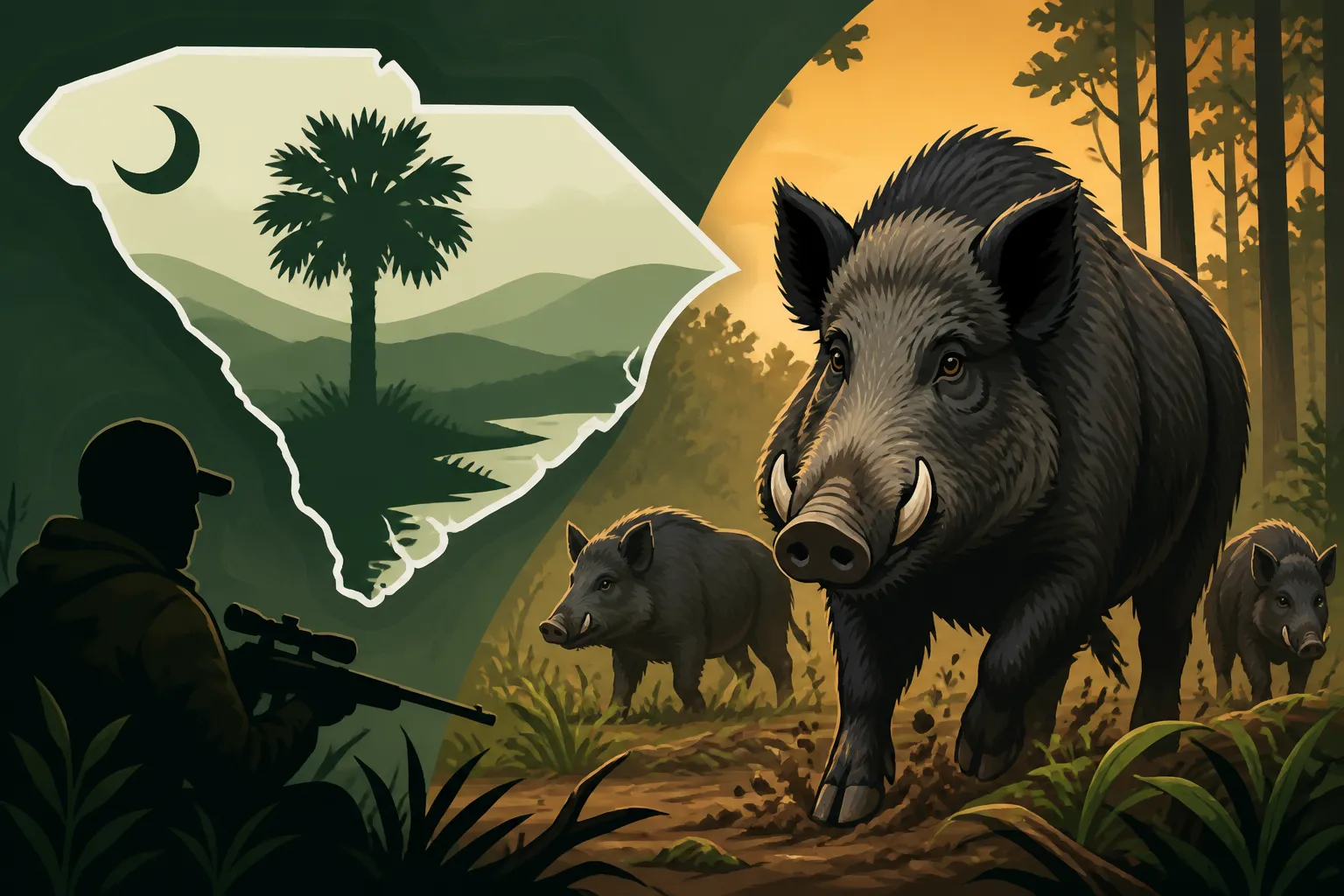
Feral Swine Sightings in Upstate South Carolina
It's incredibly frustrating when you start hearing whispers, then see the signs – that unmistakable rooting, the wallows, the chewed-up fields. Feral swine, once largely a Lowcountry nuisance, are making their presence known in the beautiful Upstate of South Carolina, and for many landowners and hunters, it feels like an unwelcome invasion. This guide aims to shed light on why these destructive animals are appearing in new territories, how to identify their activity, the damage they cause, and what steps you can take to manage them.
The Unwelcome Expansion of Feral Swine in the Upstate
For years, when folks talked about feral hogs in South Carolina, they were typically picturing the coastal plains, the vast river bottoms, and the dense swamps of the Lowcountry and Pee Dee regions. These areas have always been prime habitat, offering plenty of cover, water, and food, and the hog populations there are well-established and notoriously difficult to control. But now, we're increasingly seeing these destructive animals push further west, making their way into the more mountainous and rolling terrain of the Upstate. It's a real concern for landowners, farmers, and wildlife managers who are facing a new challenge.
Why Hogs Are Spreading West
The expansion of feral swine isn't by accident; it's a combination of factors that allow these highly adaptable creatures to thrive and spread. One major driver is their incredible reproductive rate. A sow can have multiple litters in a year, sometimes up to three, with each litter averaging four to eight piglets. These piglets reach sexual maturity remarkably fast, and before you know it, a small group can explode into a massive problem. Human-assisted movement, whether intentional or accidental, has also played a role over time, as has the sheer drive of these animals to find new food sources and less pressured areas. They're constantly on the move, looking for new digs, and our extensive river systems, like the Saluda and Broad, act like natural highways, providing corridors for them to follow into previously untouched areas. South Carolina Feral Hog Regulations outline the challenges of managing this issue across the state.
Early Upstate Sightings and Hotspots
Initially, sightings in the Upstate might have been sporadic, perhaps a lone boar or a small family group, called a sounder, moving through the fringes of their established range. Today, however, we're seeing more consistent reports. Areas along the major river systems are often the first to show signs, as these waterways offer dense cover and easy travel. Farmers who haven't had to deal with hog damage before are suddenly waking up to fields torn apart overnight. Hunters are starting to pick up hog tracks where they've only ever seen deer and turkey sign. It’s a stark reminder that what was once a localized issue is now a statewide concern, requiring vigilance and proactive management from everyone who cares about our wildlife and land. The frustration is palpable when you realize these animals are quickly making themselves at home in new ecosystems.
Identifying Feral Hog Presence and Damage
One of the biggest challenges with feral hogs is that they are masters of stealth. They're often most active at night or during the low-light hours of dawn and dusk, especially when they feel pressured. This nocturnal behavior means you might not see the hogs themselves, but you'll definitely see the aftermath of their presence. Recognizing these signs early is crucial for understanding the extent of an invasion and deciding on a management plan. Many hunters rely on tools to scout and mark sign, and using an app like GoHunt can be incredibly helpful for recording locations of activity and tracking patterns, which is vital when you're dealing with such elusive game.
Rooting and Ground Disturbance
The most obvious sign of feral hog activity is "rooting." Hogs have incredibly strong snouts that they use like plows, tearing up the ground in search of roots, tubers, insects, and anything else edible underground. This isn't just a shallow disturbance; they can dig several inches deep, turning over large sections of forest floor, fields, and even manicured lawns. After a sounder has moved through, an area can look like it's been rototilled. You'll see overturned soil, exposed roots, and plants ripped out. This damage isn't just unsightly; it destroys crops, displaces native vegetation, and can even contribute to soil erosion, especially on sloped terrain. It's truly a destructive sight for any landowner.
Tracks, Droppings, and Walllows
Beyond rooting, there are other tell-tale signs. Feral hog tracks are distinctive: they look similar to deer tracks but are typically rounder and wider, and often the dewclaws (the small toes high up on the leg) leave impressions, especially in soft mud, giving the track a four-point appearance. Deer dewclaws usually don't register unless the animal is running or in very soft ground. Their droppings can vary widely depending on their diet, but they are often segmented, irregular, and can be found in piles or scattered. Another common sign, particularly near water sources, are "wallows." Hogs love to roll in mud to cool down and to rid themselves of parasites, leaving behind muddy depressions in the dirt. These wallows are often accompanied by "rub trees" where hogs scratch themselves, leaving mud and hair on the bark. Reading South Carolina Mud for Fresh Deer Movement can help you differentiate between deer and hog sign.
Damaged Crops and Forage
The impact on agriculture is perhaps the most immediate and financially devastating aspect of feral hog presence. They'll decimate corn fields, destroy soybean crops, and root up newly planted rows of just about anything. A sounder can lay waste to acres of crops in a single night. But it's not just commercial farms; even small food plots intended for deer and turkeys can be completely destroyed. This not only robs hunters of their intended game's food source but also impacts the overall health of the local ecosystem by reducing available forage for native species. It’s disheartening to put in all that work, only to have a group of hogs undo it in hours.
Impact on the Upstate Landscape and Wildlife
The arrival of feral swine in the Upstate isn't just an inconvenience; it represents a significant threat to the region's delicate ecosystems and native wildlife populations. These animals are not native to North America, and as an invasive species, they upset the natural balance in profound ways. Their adaptable nature and lack of natural predators in most areas mean their numbers can quickly spiral out of control, leading to widespread environmental degradation.
Ecosystem Disruption and Habitat Destruction
Feral hogs are biological bulldozers. Their constant rooting disturbs the soil, compacts it, and alters the natural composition of the forest floor. This can destroy the habitats of ground-nesting birds, amphibians, and reptiles, as well as native plants that struggle to regrow in disturbed soil. They can also contribute to the spread of invasive plant species by rooting up native vegetation and creating openings for opportunistic weeds to take hold. Imagine a pristine patch of wildflowers or sensitive wetland habitat suddenly turned into a barren, churned-up mess – that's the kind of devastation hogs can inflict. The overall biodiversity of an area can suffer dramatically, leading to long-term ecological consequences that are very difficult to reverse.
Predation on Native Wildlife and Competition for Food
It's not just habitat destruction; feral hogs are also opportunistic predators. They'll readily prey on the eggs and young of ground-nesting birds, including our beloved wild turkeys and bobwhite quail. Fawns are also vulnerable, particularly during their first few weeks of life when they are most susceptible. Their unchecked presence can significantly impact the reproductive success of these native game species. Beyond direct predation, hogs compete directly with deer, turkeys, squirrels, and bears for critical food resources like acorns, nuts, and berries. When hogs move in, they can monopolize these food sources, leaving less for the animals that are supposed to be there. This competition places additional stress on native populations, especially during lean times or harsh winters. It’s a classic case of an invasive species outcompeting and overwhelming native inhabitants. Nest Predation and South Carolina Turkey Hatches is a perfect example of this concern.
Disease Transmission Concerns
Another serious concern with feral swine is their potential to carry and transmit diseases to both wildlife and domestic livestock. While South Carolina is blessed to be Why South Carolina Stays CWD-Free from chronic wasting disease in deer, hogs can carry other pathogens. They can carry diseases like brucellosis, leptospirosis, and pseudo-rabies, which can be transmitted to deer, other wildlife, and even domestic pigs and cattle. This poses a significant risk to the state's agricultural industry and the health of our deer herds. Handling hog carcasses requires extra care, and it's always wise to wear gloves and practice good hygiene to minimize any potential exposure. It's a risk factor that adds another layer of complexity to their management.
Strategies for Dealing with Upstate Feral Hogs
Managing feral hog populations in the Upstate is a monumental task, but it's not hopeless. A multi-pronged approach combining trapping, hunting, and land management is usually the most effective strategy. Remember, complete eradication is often unrealistic due to their rapid reproduction, so the goal is typically population control and damage mitigation. Patience and persistence are key, as these animals are incredibly smart and resilient.
Trapping as a Primary Control Method
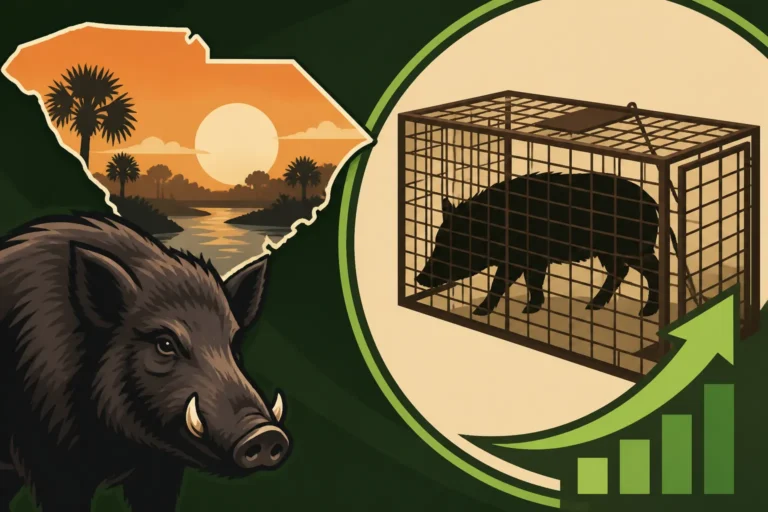
For effective population control, trapping is hands down the most efficient method, especially for an elusive sounder. You want to target the entire group, not just one or two individuals. Large corral traps with remote triggers are often the most successful. The key is pre-baiting for several days, or even a week or two, to habituate the entire sounder to enter the trap freely. Corn is a common bait, sometimes soured to make it even more attractive. Once you're confident the whole sounder is consistently entering the trap, you can trigger it remotely, capturing them all at once. This method is far more effective than just hunting individual hogs, as it removes the breeding females who are the engine of population growth. Many hunters use mapping apps like GoHunt to mark trap locations and monitor activity before deploying the trigger, optimizing their success. Trapping South Carolina Feral Hogs provides more in-depth guidance on this.
Hunting Opportunities and Tactics
While trapping is crucial for population reduction, hunting still plays an important role, especially for individual hogs or smaller groups, and for keeping pressure on them to move them out of certain areas. In South Carolina, there's generally no closed season or bag limit on feral hogs on private land, which gives hunters a lot of flexibility. On public lands, however, specific rules apply, so always check WMA regulations before heading out. For the Upstate, hunting techniques might include still-hunting along creek bottoms or known travel corridors, ambushing them at food sources, or even night hunting where legal and appropriate. Thermal imaging and night vision can be incredibly effective tools for locating and dispatching hogs, especially in areas where they are mostly nocturnal. When you are Scouting South Carolina Public Land Before Season, look for fresh rooting and tracks to identify active hog areas.
Land Management and Exclusion Techniques
Beyond direct removal, landowners can implement various land management techniques to mitigate hog damage and make their property less attractive. This might include fencing off sensitive areas or crops with hog-proof fencing, which can be costly but highly effective for high-value areas. Removing dense, overgrown thickets that provide ideal bedding and farrowing cover can also help discourage their presence, making areas less hospitable. Regularly checking for and repairing fence lines is important, as hogs are notorious for finding weak spots. While no single solution works perfectly, a combination of these strategies, adapted to the specific challenges of the Upstate landscape, offers the best chance at managing these destructive invaders. Remember, if you’re exploring new terrain for these strategies, tools like GoHunt can help you understand topography and property boundaries.
| Sign of Presence | Feral Hog Characteristics | Deer Characteristics |
|---|---|---|
| Tracks | Rounder, wider, prominent dewclaw impressions in soft ground (often four points) | Heart-shaped, narrower, dewclaws rarely show unless running or in deep mud (usually two points) |
| Ground Disturbance | Extensive "rooting" – deep, widespread turning of soil, looks like rototilling | More subtle pawing or scraping, often for acorns or minerals; less widespread or deep |
| Droppings | Variable, often segmented and irregular, can be in piles or scattered | Pellets or clumps, typically cylindrical and uniform in size, often in small groups |
| Wallows | Common, muddy depressions where they roll; often near water | Absent; deer do not wallow in mud |
| Rubbing | Mud and hair often found on trees, especially near wallows | Antler rubs on small trees (bucks), or scent rubs on low branches, no mud |
| Vocalization | Grunts, squeals, snorts, loud "woof" when startled | Snorts, wheezes, bleats (does/fawns), grunts (bucks) |
Disclaimer
This article is for general informational purposes only and does not constitute professional advice. Laws, prices and regulations vary by location and change over time. Consult a qualified professional for guidance on your specific situation.