Poult-to-Hen Ratios and What They Mean
It can be incredibly frustrating to head out for a spring turkey hunt, full of anticipation, only to find the woods eerily silent or see far fewer birds than you expected. You scouted, you practiced your calls, and you’re ready, but sometimes the birds just aren't there, or the population seems down. This often comes back to the previous year’s hatch success, and that's where understanding poult-to-hen ratios becomes critical. This guide will dive deep into what these ratios mean for South Carolina's wild turkey populations and how you, as a hunter, can use this vital information to better understand the health of our flocks and inform your hunting strategy.
What Exactly Is a Poult-to-Hen Ratio?
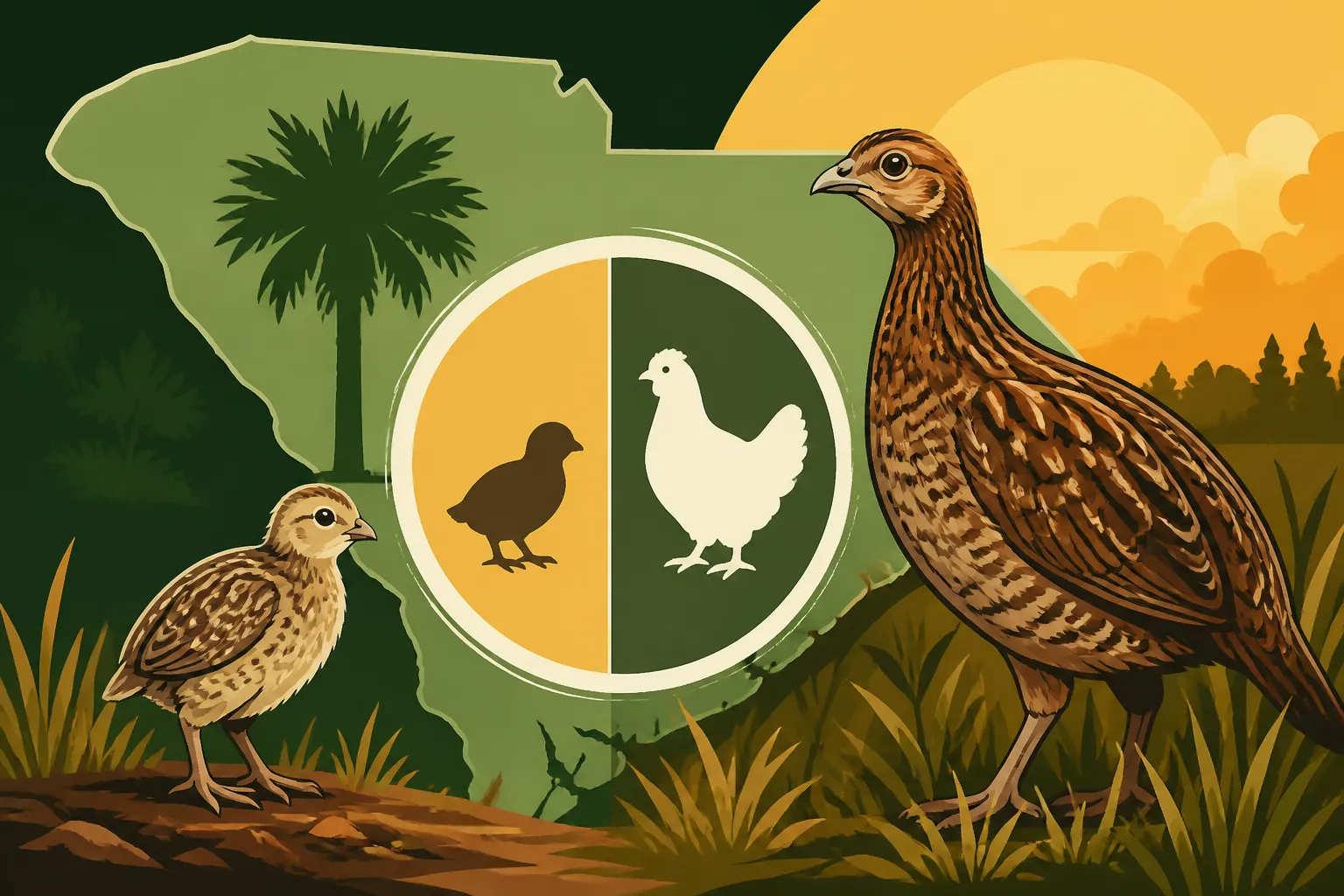
When we talk about poult-to-hen ratios, we're really drilling down into the reproductive success of our wild turkey populations. Simply put, it's a measurement of how many young turkeys – called poults – survived and are observed per adult hen. Wildlife biologists often conduct surveys during the late summer or early fall, typically August and September here in South Carolina, to count hens and any poults they've managed to raise. These observations are then averaged out, giving us that crucial ratio. For example, a ratio of 2.0 means that, on average, for every hen observed, two poults were seen with her.
This isn't just some abstract number tossed around by biologists in ivory towers. For us hunters, it's a direct peek into the health and future of our turkey flocks. A high poult-to-hen ratio suggests a successful nesting and brooding season, meaning more young birds made it to an age where they're visible and counted. A low ratio, conversely, signals a poor year for reproduction, which can have ripple effects for several seasons to come. This data helps wildlife agencies like SCDNR make informed decisions about bag limits, season lengths, and conservation efforts, all designed to ensure we have healthy, huntable turkey populations for years to come. Think of it as the annual report card for our state's wild turkeys.
How Wildlife Agencies Monitor These Ratios
Monitoring poult-to-hen ratios is a considerable undertaking, often relying on citizen science alongside professional surveys. SCDNR, for instance, has historically encouraged hunters and landowners to report observations of turkey broods during specific survey periods, typically July through August. This broad collection of data across various landscapes gives a more comprehensive picture than biologists could gather on their own. Participants record the number of hens observed, the number of poults seen with them, and even the approximate age of the poults if possible.
These observations, whether from a seasoned hunter spending countless hours in the woods or a biologist conducting formal transects, are then compiled. It's not just a simple count; it's about understanding trends over time and across different regions within South Carolina. For example, the reproductive success in the Lowcountry might differ significantly from that in the Upstate mountains due to variations in habitat, weather patterns, or predator densities. These regional differences are vital, as they can explain why turkey populations might be thriving in one area while struggling in another. You can dive deeper into these trends by looking into topics like South Carolina Turkey Population Trends.
Why These Ratios Are Critical for South Carolina Turkey Hunting
The poult-to-hen ratio is arguably one of the most important metrics for understanding the trajectory of our wild turkey populations. It's not just about how many birds are currently out there; it's about predicting how many will be out there in a year or two. A strong hatch means a robust class of jakes for next spring, and a healthy influx of new breeding hens. A weak hatch, however, can mean fewer gobblers to chase in the immediate future and a long-term dip in the overall population.
For hunters, this information can profoundly impact expectations and strategies. If the previous year's poult-to-hen ratio was low, you might anticipate a tougher spring season with fewer active gobblers. This could mean adjusting your expectations, perhaps focusing more on scouting out established mature gobblers rather than relying on an abundance of jakes. Conversely, a high ratio might signal a fantastic upcoming season with plenty of vocal birds. Understanding this helps you appreciate the bigger picture beyond just your personal hunting success on any given morning.
Predicting Future Hunting Success
One of the most direct applications of poult-to-hen ratios is predicting what the turkey hunting season will look like in the coming years. Poults observed in late summer will be jakes the following spring. A high poult-to-hen ratio in one year often translates to a healthy number of jakes and second-year gobblers the next spring. These younger birds are often more vocal and less wary than older, more educated longbeards, which can make for more exciting and productive hunts. They're more likely to respond to a variety of calls and can be a great way for new hunters to gain experience.
Conversely, a low ratio often means fewer jakes will be roaming the woods the following season, and even the overall number of adult gobblers might feel a bit sparse as the population ages without a strong recruitment class. This can lead to a more challenging hunt, requiring greater patience, more advanced calling techniques, and extensive scouting to locate those older, quieter birds. Knowing this information beforehand, perhaps gleaned from SCDNR's annual turkey reports, can help you manage your expectations and fine-tune your approach. It also underpins decisions regarding South Carolina Spring Turkey Season Rules.
Informing Wildlife Management Decisions
The numbers gathered from poult-to-hen surveys are vital tools for wildlife managers. These ratios directly influence how agencies like SCDNR assess population health and make critical management decisions. For instance, if consistently low ratios are observed over several years, it might trigger investigations into potential causes, such as increased predation, habitat degradation, or disease outbreaks. This data can lead to adjustments in season dates, bag limits (like the recent discussions around Why South Carolina Banned Jake Harvest), or even specific habitat improvement projects designed to boost nesting success and poult survival.
Without these insights, management would be largely guesswork. The ratio provides a quantitative measure of how well turkeys are replacing themselves in the population. It helps answer questions like, "Are we harvesting too many hens?" (though hen harvest is generally very limited or prohibited in spring seasons) or "Is there enough quality nesting cover?" These decisions directly affect the long-term health of the flock and, by extension, the quality of hunting opportunities for everyone in South Carolina.
How Environmental Factors Impact Poult-to-Hen Ratios
It’s easy to focus solely on hunting pressure or habitat, but often, the biggest swings in poult-to-hen ratios come down to factors completely out of human control: the weather and the landscape. Turkeys are incredibly resilient, but they are also vulnerable, especially during nesting and brooding. A string of bad years due to environmental pressures can significantly impact populations.
The specific region within South Carolina also plays a huge role. The sprawling swamps and coastal plains of the Lowcountry present different challenges and opportunities for turkey reproduction than the rugged terrain and agricultural lands of the Upstate. Understanding these regional nuances is key to interpreting the statewide numbers.
The Role of Weather During Nesting and Hatching
Think about what happens right after a hen lays her clutch of eggs or when the poults first emerge. They are tiny, fragile, and utterly dependent on favorable conditions. Extended periods of cold, wet weather during the nesting and hatching period, typically late April through May, can be devastating. Eggs can chill and fail to hatch, or newly hatched poults, which cannot regulate their body temperature effectively, can quickly succumb to hypothermia. Heavy, persistent rains can also lead to nest flooding in low-lying areas, especially in the bottomland hardwoods and swamp fringes common across much of the state.
Conversely, a warm, relatively dry spring and early summer provide ideal conditions for poult survival. Hens can move their broods more easily, and young poults can find ample insects to fuel their rapid growth. This critical period often dictates the success of the year's hatch, leading to higher poult-to-hen ratios and a more robust population heading into the fall and winter. You can read more about how this impacts South Carolina Turkey Brood Survey Results.
Predation and Habitat Quality
Beyond the weather, two other major environmental factors heavily influence poult-to-hen ratios: predation and the quality of nesting and brooding habitat. Turkeys face a gauntlet of predators, from raccoons and opossums raiding nests to coyotes, bobcats, and even raptors preying on young poults. While predation is a natural part of the ecosystem, an imbalance, perhaps due to unnaturally high predator populations, can depress poult survival rates. For more on this, check out Nest Predation and South Carolina Turkey Hatches.
Habitat quality is intrinsically linked to this. Hens need dense, protective cover to create successful nests, hidden from predators. Once poults hatch, they require areas with abundant insects for food and overhead cover to evade aerial predators, but open enough at ground level to move freely. Think about those areas with good understory, diverse plant life, and scattered openings. Habitat degradation, such as widespread clear-cutting without adequate regeneration, or the conversion of diverse forests into monoculture pine plantations, can severely limit these critical nesting and brooding areas, leading to lower poult-to-hen ratios over time.
What Can Hunters Do with This Information?
As hunters, understanding poult-to-hen ratios empowers us. It shifts our perspective from just focusing on our personal success to understanding the broader ecological picture. It helps us appreciate why certain seasons might be tougher or more bountiful, and how our actions contribute to conservation. It's about being an informed participant in the management of our shared wildlife resources.
This knowledge can also directly influence your scouting efforts and hunting strategies. If you know that the previous year’s hatch was poor, you might adjust your expectations for seeing large groups of jakes, or even for finding highly vocal birds. You might lean more heavily on tools like GoHunt to study aerial imagery and identify areas with ideal brooding habitat—places with good cover and insect populations—which might indicate where those precious few broods did manage to survive.
Adjusting Expectations and Strategies
Let's be realistic: a low poult-to-hen ratio from the previous year means you're likely to encounter fewer jakes and possibly fewer active two-year-old gobblers during the spring season. This doesn't mean you won't find birds, but it does mean you might need to adjust your approach. Instead of expecting constant gobbling from multiple directions, you might focus more on patterning a specific bird, using quieter, more subtle calling, or relying more heavily on scouting for fresh sign rather than just listening for shock-gobbles.
| Poult-to-Hen Ratio (Avg.) | General Population Outlook | Hunter's Strategy Suggestion |
|---|---|---|
| 0-0.5 | Very Poor Hatch | Expect very tough hunting; focus on older, less vocal birds. Intensive scouting is key. |
| 0.5-1.0 | Poor Hatch | Challenging season; jakes will be sparse. Patience and subtle calling are essential. |
| 1.0-2.0 | Fair Hatch | Manageable season; some jakes, but not abundant. Focus on finding good habitat. |
| 2.0-3.0 | Good Hatch | Solid hunting prospects; good numbers of jakes. Birds likely to be responsive. |
| 3.0+ | Excellent Hatch | Abundant jakes and responsive birds. Great season potential. |
On the flip side, a fantastic hatch means you can often be more aggressive with your calling and expect a lot more interaction. More jakes in the woods mean more competition, and often more noise, which can be exciting. This table should give you a general idea, but always check the specific reports for your zone. For example, if you're hunting during South Carolina's Four Zones Split the Calendar, the poult-to-hen ratios might vary between them.
Supporting Conservation Efforts
As responsible hunters, understanding these ratios ties directly into our role as conservationists. When populations are struggling due to poor hatches, supporting habitat improvement projects, especially those focused on early successional habitat and diverse forest management, becomes even more crucial. These efforts can help provide the vital nesting and brooding cover that hens and poults need to survive.
Furthermore, advocating for sound management practices based on scientific data, rather than anecdotal evidence, helps ensure the long-term health of the resource. This might involve participating in SCDNR surveys, reporting your observations, or simply being more selective in your harvest, especially if you know populations are low. Tools like GoHunt not only help with personal scouting but can also connect you with broader conservation efforts by understanding habitat features. Keeping an eye on South Carolina's Statewide Turkey Bag Limit and advocating for responsible hunting practices are direct ways to contribute. Ultimately, our collective goal is to ensure that future generations can enjoy the thrill of Spring Turkey Hunting in South Carolina as much as we do.
Regional Differences and What They Imply
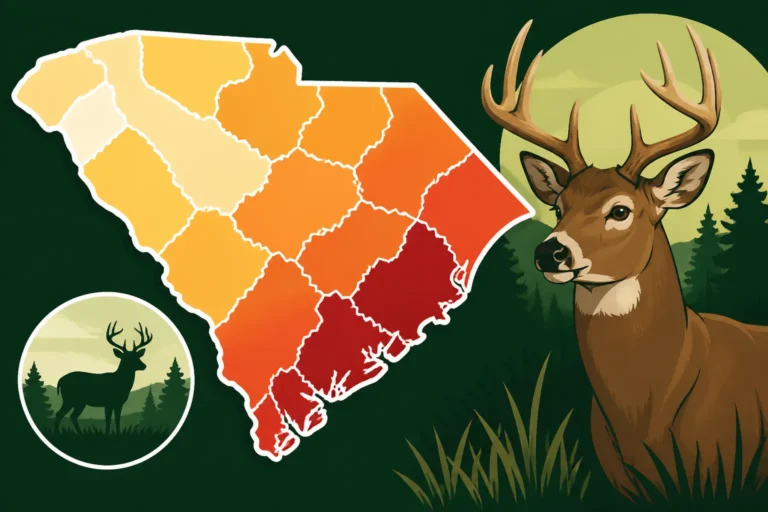
South Carolina is a wonderfully diverse state, from the mountains of the Upstate to the coastal plain. It stands to reason that turkey populations and, by extension, poult-to-hen ratios, wouldn't be uniform across these varied landscapes. The specific challenges and opportunities for turkey reproduction can vary significantly from one game zone to another. This is why a statewide average, while useful, doesn't tell the whole story for your specific hunting area. When using mapping tools like GoHunt, paying attention to habitat details relevant to your specific zone is key.
For example, the heavily agricultural regions of the Pee Dee or Midlands might experience different predation pressures or habitat types than the vast expanses of the Francis Marion National Forest in the Lowcountry. These regional variations in environmental factors, land use, and even hunting pressure can lead to distinct patterns in poult-to-hen ratios, influencing local bird numbers and behavior.
Upstate Versus Coastal Plain Brooding Success
In the Upstate, particularly in the foothills and mountains, nesting and brooding success can be heavily influenced by factors like elevation, rocky terrain, and cooler spring temperatures. Hens might choose nesting sites that offer natural protection from weather or predators on sloped ground. Here, severe spring thunderstorms and sudden cold snaps can be particularly detrimental to young poults. Conversely, the diverse mix of hardwoods and pine forests, with plenty of edge habitat, can offer excellent brooding cover if the weather cooperates. Learning to read Wind and Thermals on an Upstate Ridge can also hint at microclimates affecting local hatches.
Down in the Coastal Plain, including areas like the ACE Basin or along the Black River, the challenges are different. Low-lying areas are more susceptible to flooding from heavy rains, which can inundate nests or drown newly hatched poults. The abundance of water, while providing some insect life, can also concentrate predators. However, vast tracts of pine savannahs with managed understories and agricultural fields can offer ideal brooding habitat, particularly in drier years. Hens in these areas might utilize field edges or transition zones more readily. This also influences how you might approach Hunting Lowcountry Swamp Deer if you're out scouting for turkeys simultaneously.
How Different Habitat Types Affect Survival
Specific habitat types play a direct role in how successful hens are at raising broods. Consider areas with dense, thorny thickets or mature pine stands with a thick understory. These areas provide fantastic escape cover for poults, protecting them from avian and terrestrial predators. On the other hand, wide-open, manicured forests with little ground cover offer almost no protection, making poults easy prey.
Managed timberlands that incorporate prescribed burns can also significantly impact poult survival. While a recent burn might temporarily reduce cover, it often stimulates the growth of new, tender vegetation and increases insect populations, which are vital food sources for growing poults. This creates a mosaic of habitat types – some dense, some open, some with abundant food – that is ideal for turkeys. By contrast, areas with extensive monoculture (single-species) tree farms or unmanaged, overgrown forests often provide suboptimal conditions, leading to consistently lower poult-to-hen ratios in those regions. Knowing this can help you focus your scouting efforts, perhaps even prompting you to use the GoHunt app to pinpoint areas of diverse cover or recent burns.
Conclusion
Understanding poult-to-hen ratios goes beyond just a biological statistic; it's a window into the dynamic world of South Carolina's wild turkeys. It informs us about the health of our flocks, helps predict future hunting seasons, and underscores the profound impact of environmental factors and habitat quality. As hunters, embracing this knowledge means we become more attuned to the landscape, better equipped to adapt our strategies, and more committed partners in the vital work of conservation. By paying attention to these key indicators and supporting sound management, we can help ensure that the echoes of gobblers continue to ring through our South Carolina woods for many springs to come.
Disclaimer
This article is for general informational purposes only and does not constitute professional advice. Laws, prices and regulations vary by location and change over time. Consult a qualified professional for guidance on your specific situation.