South Carolina Turkey Harvest Numbers
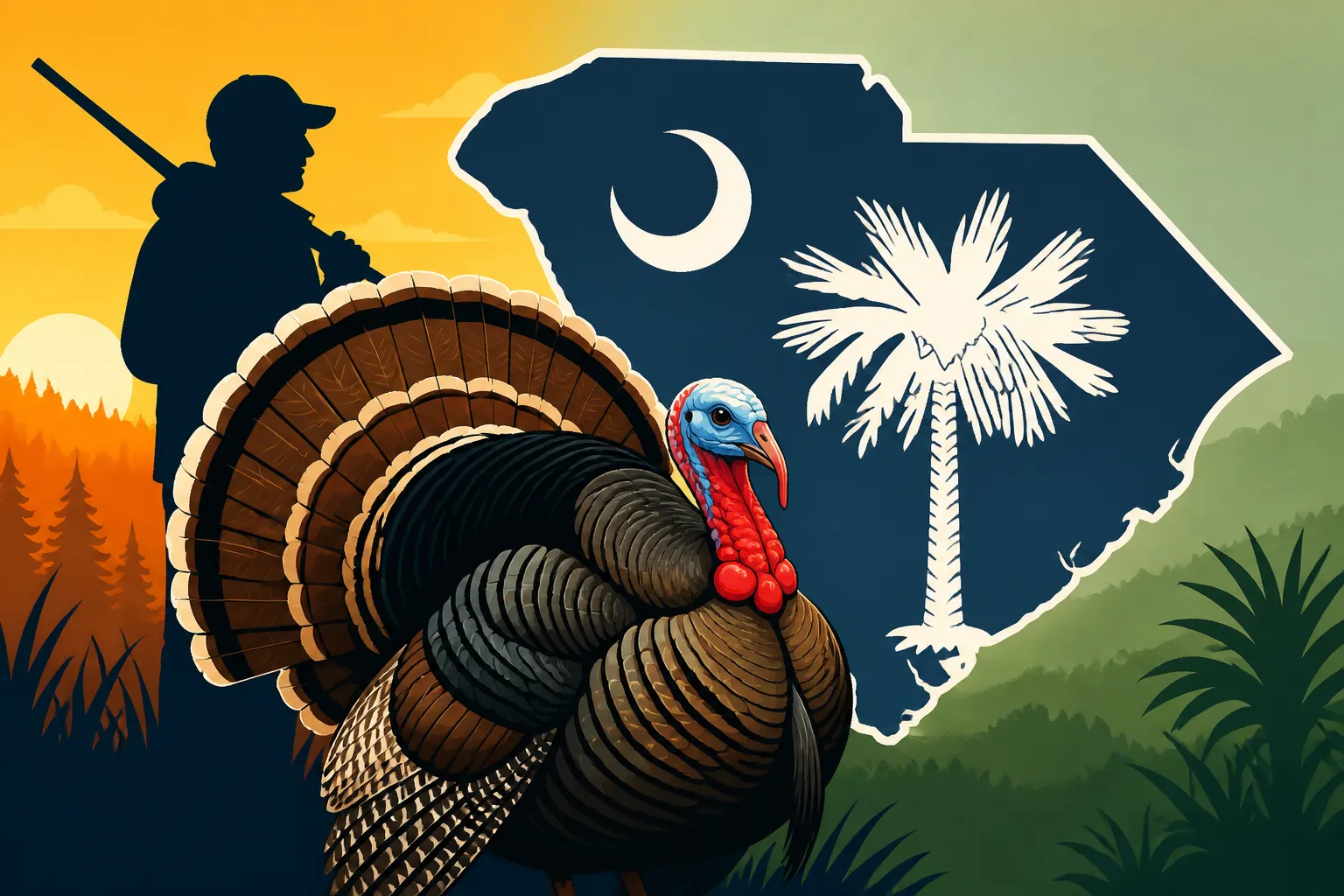
There’s nothing quite like the sound of a gobbler ringing through the pines on a crisp South Carolina spring morning. But as passionate as we are about chasing these incredible birds, many of us wonder about the bigger picture: how are the turkey populations really doing? This comprehensive guide dives deep into South Carolina’s turkey harvest numbers, exploring how this vital data is collected, what factors influence it, and what it truly tells us about the health and future of our beloved wild turkey resource.
Understanding South Carolina's Turkey Harvest Data
For hunters and wildlife managers alike, understanding turkey harvest data is absolutely critical. It’s more than just a tally; it’s a snapshot that helps paint a picture of the health of our wild turkey populations across the Palmetto State.
The Importance of Harvest Data
You might wonder why all this fuss about numbers, right? We just want to hunt turkeys! But reliable harvest data is the backbone of sound wildlife management. It helps the South Carolina Department of Natural Resources (SCDNR) monitor population trends, assess the impact of hunting pressure, and make informed decisions about future regulations. Without accurate harvest figures, wildlife agencies would be flying blind, unable to effectively conserve and manage turkey populations for generations to come.
Think of it this way: if a doctor only sees a patient once, they don't have enough information to diagnose a long-term health issue. But if they have a history of blood pressure readings, weight changes, and other metrics, they can spot trends and intervene effectively. Similarly, consistent turkey harvest data allows SCDNR to identify areas where populations might be declining, or where they're thriving. This helps them understand whether current seasons and bag limits are sustainable. It also gives insight into how factors like habitat changes, disease, or even weather patterns might be influencing the birds. Ultimately, it’s about ensuring we continue to have healthy turkey populations and robust hunting opportunities year after year.
How Harvest Data is Collected
Here in South Carolina, the primary method for collecting turkey harvest data is through our mandatory reporting system, affectionately known as "Game Check." For every turkey harvested, hunters are legally required to report their kill to SCDNR. This isn't just a suggestion; it's a crucial part of our collective responsibility as stewards of the wildlife.
The South Carolina Turkey Reporting Through Game Check process is designed to be as straightforward as possible, though sometimes after a long morning in the woods, it can feel like one more hurdle. Hunters typically report their harvest through the SCDNR's online portal or via their mobile app. You'll need to provide details like the date of harvest, the county where the bird was taken, whether it was a private or public land harvest, and some characteristics of the bird itself, such as sex and spur length. In the past, there was also a physical tag system, but the move to electronic reporting has streamlined the process significantly. This real-time data allows SCDNR to compile comprehensive reports quickly, giving them almost immediate feedback on how the season is progressing in different areas of the state. It's a system that relies heavily on hunter participation and honesty, and it's a perfect example of how our actions in the field directly contribute to the conservation efforts that benefit all of us.
Key Factors Influencing Harvest Numbers
Turkey populations, and by extension, our harvest numbers, are incredibly dynamic. They’re influenced by a complex web of environmental conditions and human activity, making each hunting season a bit of a mystery until the numbers start rolling in.
Weather and Habitat Conditions
Mother Nature plays an enormous role in how many turkeys are available each spring. One of the most critical times for turkey populations is during the nesting and brood-rearing seasons. If we have prolonged periods of heavy rain during April and May, it can devastate turkey nests, causing eggs to drown or making poults (baby turkeys) vulnerable to hypothermia and predators shortly after hatching. Conversely, severe droughts can limit insect populations, which are a vital food source for young poults.
Habitat is another huge piece of the puzzle. Turkeys need a mosaic of different habitats to thrive: open woods for foraging, dense cover for nesting, and mature trees for roosting. Changes in land use, such as urban development, large-scale clear-cutting without proper reforestation, or the conversion of diverse forests into monoculture pine plantations, can all impact local turkey populations negatively. Healthy habitat, on the other hand, provides ample food, cover, and nesting sites, leading to higher survival rates and ultimately, more birds for us to enjoy. For a deeper dive into how environmental factors shape the next generation of gobblers, understanding topics like Poult-to-Hen Ratios and What They Mean and Nest Predation and South Carolina Turkey Hatches is essential. These elements directly translate into the number of jakes and adult gobblers we'll see in future seasons, directly impacting harvest potential.
Hunter Effort and Participation
It might seem obvious, but the number of hunters participating and the amount of effort they put in directly affects the overall harvest. If fewer people are out in the woods, or if hunters aren't spending as much time afield, the harvest numbers will naturally decline, even if the turkey population itself remains strong. Economic conditions, the rising cost of licenses and gear, and even changing recreational interests can all influence hunter participation.
Furthermore, success rates vary widely. An experienced hunter with access to prime private land might fill their tag quickly, while a public land hunter facing more pressure might struggle. The overall enthusiasm and dedication of the hunting community have a tangible effect. For example, if a particular year sees a surge in new hunters, or if a widely publicized exceptional hatch from a few years prior gets everyone excited, hunter effort can spike, potentially leading to a higher harvest. Conversely, a few tough seasons in a row can lead to hunter fatigue and reduced participation. This is why SCDNR also monitors hunter numbers and success rates, not just the total birds harvested, to get a more complete picture of the resource.
Geographic Differences in Turkey Harvest
South Carolina is a diverse state, from the mountains of the Upstate to the coastal plains, and this geographic variety means that turkey populations and harvest patterns differ significantly across regions. It’s not a one-size-fits-all situation when it comes to our wild turkeys.
Coastal Plain Versus Upstate Harvest Patterns
The low-lying, often swampy terrain of the Coastal Plain and Lowcountry offers a vastly different turkey habitat than the rolling hills and hardwood forests of the Upstate. Generally, the Coastal Plain, with its abundant agricultural fields, extensive timberlands, and milder winters, historically supports higher turkey densities and, consequently, higher harvest numbers. Counties like Williamsburg, Clarendon, and Orangeburg, often associated with rich agricultural land and sprawling timber tracts, frequently show up among the top counties for turkey harvest. The turkeys in these areas often have access to diverse food sources, including agricultural crops and a variety of mast, which can contribute to healthier birds and better reproductive success.
The Upstate, particularly the mountainous regions, presents a different set of challenges and opportunities. While turkeys certainly thrive here, the densities can sometimes be lower, and the terrain can be more challenging for hunters. Harvest numbers in the Upstate zones, which include counties like Oconee, Pickens, and Greenville, tend to be lower in comparison to the Coastal Plain. However, these birds are often considered to be exceptionally wary and challenging to hunt, a true trophy for many. Understanding these regional distinctions helps hunters strategically plan their trips and helps SCDNR tailor management strategies to specific ecological zones. If you’re looking for where to focus your efforts, our guide on the Best South Carolina Counties for Turkeys can offer some more specific insights.
Public Versus Private Land Dynamics
One of the most stark differences in harvest numbers emerges when comparing public and private land. Without a doubt, the vast majority of South Carolina’s turkey harvest occurs on private lands. This isn't surprising when you consider a few key factors. Private landowners often have the resources and motivation to implement habitat management practices specifically designed to benefit turkeys, such as prescribed burns, food plots, and selective timber harvesting. These practices can create ideal conditions for nesting, foraging, and roosting, leading to higher turkey densities. Furthermore, private lands generally experience less hunting pressure, allowing birds to mature and establish more stable populations.
Hunting on public lands, such as national forests and Wildlife Management Areas (WMAs), presents a different scenario. While these lands offer incredible opportunities for hunters who don't have private access, they typically experience much higher hunting pressure. This increased pressure, coupled with management goals that often balance multiple wildlife species and recreational uses, can lead to lower turkey densities and, in turn, lower harvest rates per hunter. Regulations on public lands can also be more restrictive, sometimes with shorter seasons or quota hunts, as outlined in the South Carolina WMA Turkey Rules. Despite the challenges, successful public land hunters are often highly skilled and dedicated, adapting their tactics to find birds that have learned to avoid human contact. Tools like GoHunt can be invaluable for public land hunters to scout and find less pressured areas, helping them uncover those hidden gems that might hold a gobbler.
The Role of Regulations and Management on Harvest
Our turkey harvest numbers aren't just a natural occurrence; they're heavily influenced by the rules we play by and the efforts made to keep the populations healthy. Regulations and active management are crucial pillars in maintaining sustainable hunting opportunities.
Season Dates and Bag Limits
The most direct way regulations impact turkey harvest is through the establishment of season dates and bag limits. South Carolina's turkey season is carefully structured to balance hunter opportunity with population sustainability. The South Carolina Spring Turkey Season Rules dictate when we can hunt, which can vary slightly by zone and land type. For example, knowing the South Carolina Spring Turkey Opening Day is foundational to planning your hunt. The season is timed to coincide with peak gobbling activity, ensuring hunters have a chance at mature gobblers after they've had an opportunity to breed.
Equally important are the bag limits. The South Carolina's Statewide Turkey Bag Limit sets a cap on how many birds a hunter can take in a season. Historically, these limits have been adjusted based on population trends and scientific research. Recently, for instance, a significant change was the implementation of a no-harvest window before April 10th and the future ban on harvesting jakes (yearling gobblers). These decisions were made directly in response to concerns about declining turkey populations, aiming to increase the breeding potential of young gobblers and protect hens during the critical early nesting period. The impact of these types of regulation changes on future harvest numbers will be closely monitored, as they represent a proactive approach to managing the resource. Similarly, understanding specific closing dates, such as the South Carolina WMA Turkey Closing Date, is vital, as WMA seasons often differ from private land.
Conservation Efforts and Population Restoration
It's easy to forget that just a few decades ago, wild turkeys were practically non-existent in South Carolina, much like many other parts of the country. Their incredible comeback is one of the greatest conservation success stories in North America, largely due to dedicated restoration efforts. Our guide on How Turkeys Were Restored to South Carolina details this remarkable journey. These programs involved trap-and-transfer efforts, relocating wild turkeys from remnant populations to areas where they had been extirpated.
Today, conservation efforts have evolved to focus on habitat management and ongoing population monitoring. SCDNR and private conservation groups work to improve turkey habitat through timber management practices like prescribed burning, which creates beneficial early successional habitat and controls undergrowth. They also promote responsible land stewardship among private landowners. These efforts directly contribute to healthier, more robust turkey populations, which in turn influences our harvest numbers. When habitat is good and populations are strong, the harvest can be sustained. If conservation efforts lag, or if habitat quality declines, the future harvest will inevitably suffer. It's a continuous cycle of management, monitoring, and adaptation to ensure the long-term health of the species.
Interpreting Trends in Turkey Harvest Data
Looking at turkey harvest numbers year over year can sometimes feel like a roller coaster – up one year, down the next. But understanding these fluctuations and identifying long-term patterns is key to grasping the true health of our turkey populations.
Understanding Year-Over-Year Fluctuations
It's a common mistake to panic or rejoice too much over a single year's harvest report. Wildlife populations, especially turkeys, are naturally cyclical. Weather during nesting season, outbreaks of disease, or even localized predation can cause a dip in numbers one year, only for them to rebound strongly a couple of years later. For example, a particularly rainy spring might lead to a poor poult hatch, meaning fewer jakes (yearling gobblers) available to hunters two years later, which would naturally cause a slight dip in the overall harvest.
Conversely, a couple of exceptionally mild winters and dry springs can lead to boom years for poult survival, and a couple of years down the road, hunters might see an abundance of two-year-old gobblers, leading to a higher harvest. It's also important to remember that hunter participation isn't always constant. A big economic downturn, or even a widespread cold or rainy opening weekend, can reduce hunter effort and thus impact the harvest total, even if the turkeys are still out there. So, while an annual report is important, it's just one data point in a much larger, ongoing narrative.
Long-Term Trends and Future Outlook
While annual fluctuations are normal, consistent declines over several years are cause for concern. For quite some time, wildlife managers across the Southeast, including South Carolina, have been observing a general downward trend in turkey populations. This trend is clearly reflected in our South Carolina Turkey Population Trends and, consequently, in the harvest numbers. The reasons for this decline are complex, multifaceted, and still being actively studied, but they likely include habitat loss, increased predation pressure (especially on nests and poults), and possibly even changes in hunting pressure or strategies.
As we discussed, this decline is why SCDNR has implemented more conservative regulations, such as the changes to jake harvest and the statewide no-harvest period before April 10th. The long-term outlook for South Carolina's wild turkeys depends heavily on the effectiveness of these management strategies, coupled with continued habitat conservation efforts. Hunters can play a critical role here, not just by adhering to regulations and accurately reporting their harvests, but also by advocating for sound wildlife management and supporting habitat improvement initiatives. Using data from GoHunt can help hunters identify areas where turkey populations might be stronger or where habitat looks more promising, allowing them to adapt their strategies based on long-term trends and current conditions.
How Hunters Contribute to Data Collection
As hunters, we're not just consumers of a resource; we're active participants in its management. Our actions in the field directly feed into the data that shapes future hunting opportunities.
Informing Hunter Strategy
Think about it: the more information you have, the better your decisions will be. Harvest data, especially when broken down by county, public versus private land, or even success rates over time, can be an invaluable tool for planning your hunt. For example, if you know that a particular WMA consistently yields a low harvest despite having a long season, you might adjust your expectations or focus your scouting efforts elsewhere. Conversely, a county with consistently high harvest numbers might indicate a healthy population worth exploring.
Many hunters use tools like GoHunt, which can aggregate and present this kind of data in an easily digestible format. By overlaying harvest data with public land boundaries, habitat types, and even historical weather patterns, you can start to form a more complete picture of where and when your best chances might be. This doesn't guarantee a bird, of course, but it allows you to make more informed decisions, spend your time more effectively, and increase your odds of success. Understanding data points like South Carolina Spring Turkey Harvest Numbers can help inform your decision-making processes for future seasons.
Adaptive Management by SCDNR
The data we hunters provide through Game Check is the lifeblood of SCDNR's adaptive management strategy. "Adaptive management" essentially means that wildlife agencies are constantly learning and adjusting their approach based on the most current data. They don't set regulations in stone for decades; instead, they review harvest numbers, poult production surveys, and other metrics annually to see if changes are needed.
If the data shows a significant decline in harvest and population indicators, SCDNR can respond by shortening seasons, reducing bag limits, or implementing new restrictions like the jake harvest ban. If data suggests populations are robust, they might consider expanding opportunities. This constant feedback loop between hunters reporting their take and the agency adjusting regulations ensures that management remains responsive to the actual conditions of the turkey population. Our collective commitment to accurate reporting empowers SCDNR to make the best decisions for the future of South Carolina's wild turkeys, balancing the joy of hunting with the imperative of conservation. It’s a partnership, and our part in it is vital.
Here's a look at some recent South Carolina turkey harvest numbers to illustrate the trends we've been discussing:
| Year | Total Gobblers Harvested | Public Land Harvest | Private Land Harvest | Number of Hunters | Average Gobblers Per Hunter |
|---|---|---|---|---|---|
| 2023 | 11,048 | 1,023 | 10,025 | 45,989 | 0.24 |
| 2022 | 11,539 | 1,215 | 10,324 | 46,311 | 0.25 |
| 2021 | 12,852 | 1,411 | 11,441 | 46,897 | 0.27 |
| 2020 | 14,082 | 1,580 | 12,502 | 47,210 | 0.30 |
| 2019 | 15,223 | 1,755 | 13,468 | 48,011 | 0.32 |
| 2018 | 15,699 | 1,810 | 13,889 | 48,500 | 0.32 |
Note: These numbers are representative and based on publicly available SCDNR harvest reports for recent years. Exact figures can vary slightly depending on final reporting and analysis.
As you can see from the table, there's been a noticeable downward trend in total gobblers harvested and the average gobblers per hunter over these recent years. This reinforces the concerns about declining turkey populations and the need for the adaptive management strategies being implemented by SCDNR. It also highlights the significantly higher harvest rates on private land compared to public land, a pattern consistent with the hunting dynamics we discussed earlier. This data underscores why understanding these trends is so important for hunters and wildlife managers alike.
Disclaimer
Hunting is an inherently risky activity. Always prioritize safety, follow all local, state, and federal regulations, and obtain proper licenses and permits before heading afield. The information provided in this article is for educational and informational purposes only and should not be considered legal advice. Regulations can change, so always check the latest SCDNR guidelines before hunting.