How Turkeys Were Restored to South Carolina
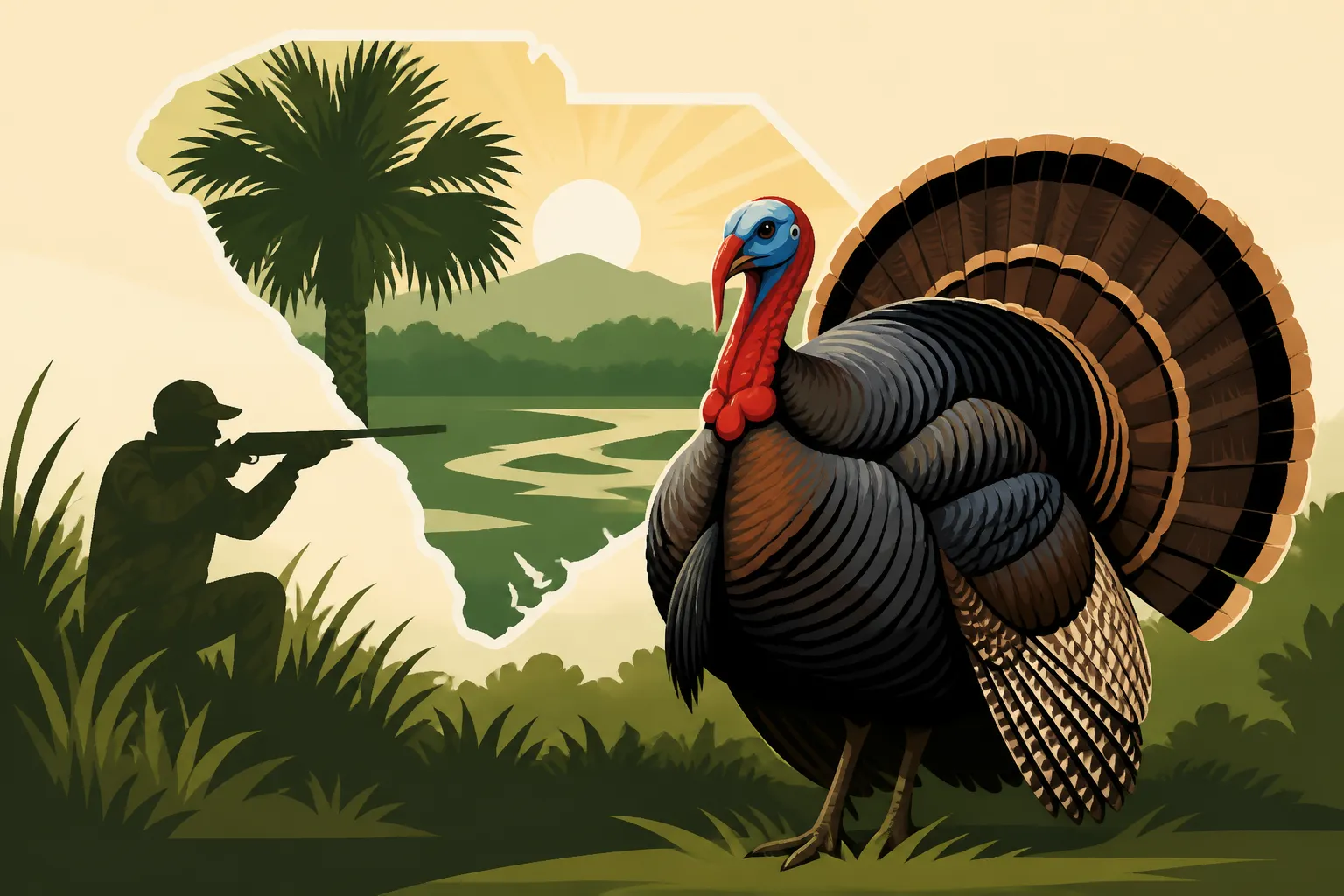
It's easy to take for granted the sight of a strutting gobbler in a Lowcountry field or the thunderous roost cackle echoing through an Upstate ridge. But believe it or not, there was a time in South Carolina when wild turkeys were all but gone. The idea of hearing that spring chorus was a distant dream for hunters and conservationists alike. This guide dives deep into the incredible, painstaking journey of how these magnificent birds were brought back from the brink, restoring a vital part of our state's natural heritage and hunting tradition.
The Grim Reality Turkeys on the Brink
For those of us who grew up with healthy turkey populations, it’s almost impossible to imagine South Carolina’s woods without them. Yet, for a significant period, that was the stark reality. The wild turkey, once abundant across the state, suffered a catastrophic decline, pushing them to the edge of extinction within our borders.
Historical Abundance and Early Exploitation
Before European settlement, wild turkeys were incredibly plentiful throughout what would become South Carolina. Historical accounts from early explorers and settlers often speak of vast flocks, numbering in the hundreds, roaming the rich forests and swamp bottoms. They were a vital food source for Native American tribes and, later, for the colonists. This seemingly endless supply, however, led to unchecked exploitation. Turkeys were hunted year-round, often without any regard for breeding seasons or population health. Market hunting, where birds were killed in large numbers and shipped to growing urban centers, further exacerbated the problem. Imagine the ease of filling a wagon with dozens of birds for profit – it was a common practice that rapidly depleted local populations.
Habitat Loss and Unregulated Hunting Pressure
While direct hunting pressure was a major factor, it wasn't the only culprit. As South Carolina’s population grew and agriculture expanded, vast tracts of virgin forest were cleared for farming and timber. The mixed hardwood and pine forests, bottomland swamps, and diverse undergrowth that turkeys relied on for food, nesting, and roosting disappeared at an alarming rate. Without suitable habitat, even if hunting had been regulated, the birds would have struggled to survive. The one-two punch of relentless, unregulated hunting combined with widespread habitat destruction created a perfect storm. By the early 20th century, wild turkeys were virtually absent from much of their historic range in South Carolina, confined to only the most remote, untouched pockets of the Lowcountry swamps and isolated mountain coves. It was a dire situation, signaling a profound loss for both the ecosystem and the state’s nascent hunting culture.
Pioneering Efforts Early Conservation Moves
The realization that wild turkeys were disappearing wasn't an overnight revelation. It was a slow, painful awakening that spurred a handful of dedicated individuals and agencies to take action, laying the groundwork for what would become one of the most successful wildlife restoration stories in North America.
The Wake-Up Call Realizing the Decline
For many years, the decline of wild game, including turkeys, was seen as an unavoidable consequence of "progress." But as the 20th century dawned, a growing number of sportsmen and naturalists began to notice the undeniable absence of once-common species. Hunters, who once easily filled their bags, found themselves coming home empty-handed season after season. The silence in the spring woods, once filled with gobbling, became deafening. This collective awareness slowly started to build pressure for conservation efforts. Organizations like the National Wild Turkey Federation (NWTF), though founded later, drew much of their early inspiration from this initial understanding of widespread turkey scarcity. It became clear that simply hoping for the birds to return wasn't enough; active intervention was needed.
Early Legislative and Regulatory Steps
With this growing recognition came the first tentative steps toward official conservation. Early game laws, though often rudimentary and difficult to enforce, began to emerge. South Carolina, like many states, started implementing closed seasons and bag limits, attempting to curb the indiscriminate killing that had decimated populations. For instance, the state moved to protect hens and limit harvest during breeding seasons, a crucial first step in allowing any remaining birds a chance to reproduce. However, these regulations alone weren't a magic bullet. With so few birds left, simply protecting them wasn't going to bring them back in meaningful numbers. Enforcement was also a major challenge in rural areas. What was truly needed was a way to actively reintroduce birds into areas where they had been extirpated, coupled with more robust habitat protection. These early conservation attempts, despite their limitations, laid the crucial groundwork for the more aggressive and scientifically driven restoration programs that would follow.
The Trap-and-Transfer Revolution
The cornerstone of wild turkey restoration in South Carolina, and indeed across the nation, was the ingenious and tireless work involved in the trap-and-transfer program. This method, while labor-intensive and challenging, proved to be an unparalleled success in repopulating vast areas.
The Cannon Net and Rocket Net Game-Changing Technology
Before the 1950s, attempts to trap and move wild turkeys were largely ineffective. Traditional methods like box traps only caught a bird or two at a time, and live-trapping by hand was nearly impossible. The breakthrough came with the development of the cannon net (and later, the rocket net). Imagine a large, often 60×40-foot net, carefully folded and camouflaged, with small cannons or rockets attached. A bait site – usually corn – would be established in an area known to hold a healthy, albeit small, population of wild turkeys. Once a flock was feeding consistently under the net, a biologist, waiting patiently in a blind, would trigger the cannons, launching the net over the feeding birds.
This was a game-changer. Suddenly, entire flocks of 10, 20, or even more turkeys could be captured simultaneously. The efficiency of this method meant that enough birds could be trapped to make restocking efforts viable. Of course, it wasn't always smooth sailing; nets could misfire, birds could spook, and the elements often conspired against the trapping crews. But the ability to catch a significant number of wild, healthy turkeys was the first major hurdle overcome in the restoration effort.
Strategic Relocation and Stocking Success
Once captured, the turkeys were quickly checked for health, banded, and then carefully placed into specialized transportation crates. The next critical step was their release into suitable, but turkey-empty, habitats across South Carolina. These release sites were chosen meticulously, often on large public land tracts like the Francis Marion National Forest Hunting, or expansive private properties with good habitat and protective landowners.
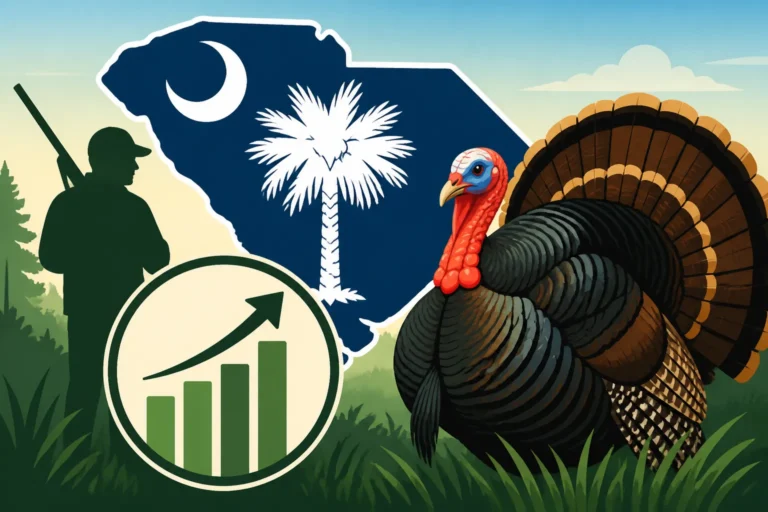
The strategy was simple: release a small "founder" population of 10-15 birds – a mix of hens and gobblers – into an area. The hope was that these birds, already adapted to the wild, would establish a new breeding population. And time and again, it worked. From the mid-1950s through the 1980s, the South Carolina Department of Natural Resources (SCDNR), often in partnership with organizations like the NWTF, conducted hundreds of these trap-and-transfer operations. It was a massive undertaking, but the results were undeniable: turkey populations began to rebound in areas where they hadn't been seen for generations. You can see the fruits of these efforts today when you look at South Carolina Turkey Population Trends, which show a dramatic increase from those lean years.
Challenges and Learnings from the Field
The trap-and-transfer program wasn't without its challenges. The work was physically demanding, requiring crews to often work in remote, rugged terrain in all weather conditions. Securing enough suitable release sites with cooperative landowners was also a continuous effort. Early attempts in some states involved releasing pen-raised turkeys, but these efforts largely failed because the birds lacked the survival instincts of their wild counterparts. South Carolina quickly learned this lesson and focused exclusively on wild-trapped birds.
Another critical learning was the importance of genetics. Ensuring a diverse gene pool among the relocated birds helped prevent inbreeding and strengthened the new populations against disease. Every detail mattered, from minimizing stress during capture and transport to selecting healthy birds for release. The data collected from banding efforts also provided invaluable insights into South Carolina Turkey Population Estimate and dispersion, allowing biologists to fine-tune their strategies. The dedication of these crews, often working with limited resources, is truly the unsung hero of the turkey restoration story.
| Decade | Estimated Turkey Population (Start of Decade) | Key Restoration Activities | Notable Challenges |
|---|---|---|---|
| 1950s | ~2,000 | First large-scale trap-and-transfer | Limited resources, wild-trap techniques |
| 1960s | ~10,000 | Expansion of trap-and-transfer areas | Securing suitable release sites |
| 1970s | ~25,000 | Increased funding, NWTF support | Public awareness, poaching |
| 1980s | ~50,000 | Peak of restoration efforts, statewide range | Habitat fragmentation |
| 1990s | ~70,000+ | Focus on fine-tuning management | Managing hunting pressure |
The Role of Habitat Management
While physically moving birds was crucial, their long-term survival and prosperity hinged entirely on the availability of suitable habitat. The restoration effort was never just about the birds; it was equally about restoring the land they call home.
Restoring Longleaf Pine and Native Understory
Historically, much of South Carolina was covered in vast longleaf pine ecosystems, maintained by natural fire regimes. This habitat, with its open canopy, diverse grassy understory, and abundant mast crops, was ideal for wild turkeys. As these forests were converted to dense, single-species pine plantations or cleared for agriculture, the habitat quality plummeted. A significant part of the restoration strategy involved bringing back these vital ecosystems. This meant promoting responsible forestry practices, including prescribed burning, which mimics natural wildfires, to reduce underbrush and encourage the growth of native grasses and forbs that turkeys feed on.
Imagine trying to navigate a dense, overgrown thicket versus an open, park-like longleaf stand where turkeys can easily forage and spot predators. The difference in survival rates is immense. Conservation groups and agencies worked tirelessly to educate landowners and timber companies on the benefits of these practices, not just for turkeys, but for a whole host of wildlife. You can see how these efforts mirrored those for other game, like with How Managed Pine Could Restore South Carolina Quail, highlighting the interconnectedness of habitat health.
Private Landowner Incentives and Partnerships
Public lands played a critical role, but a significant portion of South Carolina's prime turkey habitat lies on private property. The trap-and-transfer program wouldn't have been nearly as successful without the cooperation of private landowners. Many landowners were eager to see turkeys return and actively participated by allowing trapping on their property and ensuring safe release sites. Over time, incentive programs were developed to encourage landowners to manage their property in ways that benefited wild turkeys, such as maintaining diverse forest types, creating food plots, and protecting nesting cover.
Organizations like the NWTF were instrumental in fostering these partnerships, providing technical advice and financial assistance to landowners. Their outreach efforts helped bridge the gap between scientific conservation goals and practical land management. This collaborative spirit, where private citizens, conservation groups like GoHunt, and state agencies worked hand-in-hand, was essential for spreading turkeys across the state. It proved that conservation isn't just a government initiative, but a community-wide effort.
Modern Challenges and Continued Stewardship
The success of turkey restoration in South Carolina is undeniable, but the work isn't over. Today, we face new challenges that require ongoing vigilance and adaptive management to ensure these magnificent birds continue to thrive.
Predation, Disease, and Environmental Factors
While wild turkeys have re-established strong footholds, they're not immune to external pressures. Predation from coyotes, bobcats, and even raccoons can significantly impact Nest Predation and South Carolina Turkey Hatches, especially on vulnerable poults. Managing predator populations, while often controversial, is a component of comprehensive wildlife management, particularly in areas where turkey numbers are struggling. Disease, though not as widespread a threat as it once was, can still emerge and impact local populations. Biologists continuously monitor turkey health and investigate any unusual die-offs.
Environmental factors, such as extreme weather events or prolonged droughts, can also affect breeding success and food availability. For example, a late-season freeze can devastate insect populations, a critical food source for young poults. Understanding these complex interactions is crucial for effective management. We also closely monitor Poult-to-Hen Ratios and What They Mean to gauge reproductive success and adjust strategies as needed.
The Importance of Responsible Hunting and Data Collection
Hunting has been an integral part of the turkey's history, both in its decline and its recovery. Today, responsible, regulated hunting plays a vital role in modern conservation by providing funding and acting as a management tool. South Carolina's current South Carolina Spring Turkey Season Rules and South Carolina's Statewide Turkey Bag Limit are carefully crafted based on scientific data to ensure sustainable harvest rates. Hunters are encouraged, and often required, to report their harvests through systems like South Carolina Turkey Reporting Through Game Check, which provides invaluable data to biologists about population trends, harvest pressure, and the overall health of the herd. Without this data, making informed management decisions would be significantly harder.
Recently, concerns over declining poult recruitment in certain areas led to proactive measures like Why South Carolina Banned Jake Harvest, a testament to the adaptive nature of our wildlife management. The goal is always to strike a balance: providing hunting opportunities while ensuring the long-term health and abundance of the turkey population for future generations.
Community Involvement and Future Conservation
The future of wild turkeys in South Carolina depends not just on government agencies, but on the continued commitment of local communities, landowners, and hunters. Conservation education is key, teaching the next generation about the importance of habitat, ethical hunting, and responsible land stewardship. Groups like the NWTF continue to fund research and habitat improvement projects, and their local chapters organize countless volunteer efforts.
For hunters, staying informed about regulations, participating in data collection, and advocating for conservation funding are vital. Exploring resources like GoHunt's guides and mapping tools can also help hunters understand and respect the ecosystems where turkeys thrive. Whether it's participating in a habitat workday on a local WMA or simply enjoying a morning listening for a gobbler on private land, every individual has a part to play in protecting this incredible success story. The health of our turkey population is a shared responsibility, one that requires continuous engagement and dedication. The journey from near extirpation to abundance is a powerful reminder of what's possible when people work together for wildlife.
Disclaimer
Please remember that hunting regulations, season dates, and license requirements can change. Always consult the latest official South Carolina Department of Natural Resources (SCDNR) regulations before planning any hunting trip. The information provided here is for general guidance and informational purposes only.