Resident Goose Problems Near Charleston
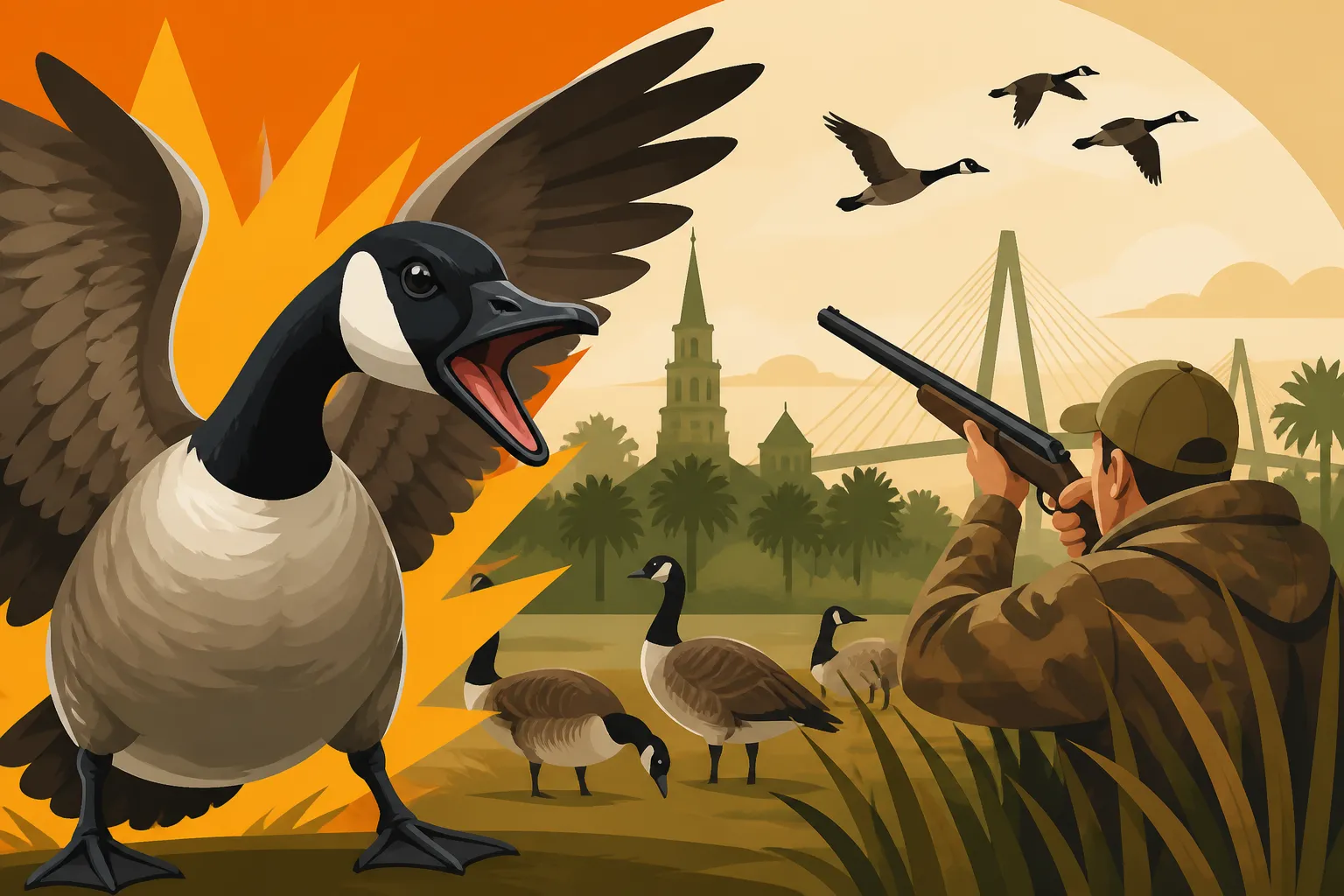
It can be incredibly frustrating to see beautiful green spaces, local ponds, and even your own backyard slowly but surely taken over by Canada geese, especially in a picturesque area like Charleston. These aren't your migrating visitors passing through; these are the year-round residents that set up shop and seem to multiply, leaving behind a trail of droppings, damaged lawns, and general chaos. This guide aims to shed light on why these "resident" geese are such a persistent issue in the Lowcountry, the specific headaches they cause, and most importantly, what practical, realistic steps can be taken to manage their impact.
Understanding the Rise of Resident Canada Geese in Charleston
Many people picture Canada geese as those majestic birds flying in V-formations, heading north in spring and south in fall. And while that migratory population certainly exists, the geese causing so many headaches around Charleston are a different breed, figuratively speaking. These are "resident" geese, descendants of birds often introduced or relocated decades ago, who never learned the migratory routes. They've found the Lowcountry to be quite a cozy, year-round home, and honestly, who can blame them?
The Appeal of the Urban and Suburban Landscape
Charleston and its surrounding areas offer a veritable buffet for a goose looking to settle down. Think about it: perfectly manicured lawns in residential communities, golf courses with endless short-cropped grass, retention ponds, and slow-moving creeks. These provide everything a goose needs: abundant food, safe nesting sites, and easy access to water without the threats of long migrations or harsh winters. They aren't just surviving here; they're thriving. Each pond in a development, every green patch by a corporate park, becomes a prime piece of goose real estate. The sheer availability of these ideal habitats means that once a few pairs decide to stick around, their numbers can quickly swell, leading to the South Carolina Resident Canada Goose Population growing steadily in certain areas.
Rapid Reproduction and Longevity
One of the biggest factors contributing to the problem is the geese's impressive reproductive success and their long lifespans. Unlike their migratory cousins who face rigorous journeys and higher predation rates, resident geese in a suburban environment have it relatively easy. They often start nesting earlier, sometimes producing larger clutches of eggs, and their goslings have a much higher survival rate due to fewer natural predators and abundant food sources. A pair of geese might successfully fledge multiple young each year, and those young, in turn, become breeding adults themselves within a couple of years. Considering they can live for 10-20 years, a single pair can contribute significantly to the local population over time. This compounding effect is why what might start as a few geese quickly becomes dozens, then hundreds, making the problem seem insurmountable to many property owners.
The Specific Problems Resident Geese Cause for Charleston Residents
It's not just about seeing a few birds; the sheer volume of resident geese can lead to a host of tangible, costly, and sometimes even hazardous issues. For homeowners associations, golf courses, city parks, and private landowners, these problems are a constant battle.
Environmental and Property Damage
The most immediately noticeable problem is the sheer mess. Geese are prodigious grazers, and what goes in, must come out. Their droppings, often described as looking like green cigars, are everywhere. On sidewalks, driveways, docks, golf greens, and especially on those beautiful, perfectly mown lawns. Beyond being unsightly, these droppings are slippery and can pose a fall hazard. They also introduce excess nutrients into ponds, contributing to algae blooms and impacting water quality, which can harm other aquatic life.
Furthermore, their grazing habits can devastate turfgrass. While a few geese might trim a lawn, large flocks can strip areas bare, leading to erosion, muddy patches, and significant re-seeding costs for golf courses and property managers. They also trample gardens and ornamental plantings, especially during nesting season when they are intensely focused on a particular area. Imagine a meticulously maintained HOA common area or a family backyard, and then picture it covered in goose waste and stripped vegetation – it's a disheartening sight. For hunters looking to understand game patterns, even a general mapping tool like GoHunt can help identify affected water bodies or fields where goose activity might be impacting local ecosystems or even other game movements.
Health and Safety Concerns
While rare, there are legitimate health concerns associated with large concentrations of goose droppings. The droppings can contain various bacteria, including E. coli and Salmonella, which can be a risk, especially for children or pets that might come into contact with them. In extreme cases, high levels of goose fecal matter in swimming ponds or public fountains can lead to closures. Beyond pathogens, the sheer volume of droppings makes recreational areas less appealing and sometimes unusable. Nobody wants to have a picnic or play with their kids on a lawn littered with goose waste.
From a safety perspective, nesting geese, particularly ganders, can become extremely aggressive. They will hiss, flap their wings, and even charge at people perceived as a threat to their nest or goslings. This can be particularly alarming for small children, the elderly, or pets. Imagine trying to walk your dog around a community pond and being confronted by an angry gander; it's enough to make many people avoid those areas entirely. For those needing to navigate public or private lands and understand potential conflict points with wildlife, using a robust mapping platform like GoHunt can offer insights into landscape features that might attract nesting geese.
Management Strategies for Resident Goose Issues in the Lowcountry
Dealing with resident geese isn't a one-size-fits-all solution, and it often requires a multi-faceted approach. Patience, persistence, and a good understanding of local regulations are key.
Non-Lethal Deterrence and Habitat Modification
The first line of defense often involves non-lethal methods aimed at making an area less appealing to geese. This can include:
- Hazling: Actively scaring geese away using trained dogs, remote-controlled boats, lasers (at dawn/dusk), or even loud noises. Consistency is critical here; geese are smart and will quickly learn if the "threat" isn't real.
- Habitat Modification: Geese love open sight lines and easy access to water. Planting taller native grasses or shrubs along pond edges can create a visual barrier and make them feel less secure from predators. Allowing a buffer zone of taller vegetation to grow between a lawn and a pond can significantly reduce goose presence. Reducing fertilized turf areas can also lessen their food supply.
- Repellents: Some chemical repellents, usually containing methyl anthranilate, can make grass taste unpleasant to geese. These need to be applied regularly and can be costly for large areas.
- Fencing: Low-profile fencing, especially around new plantings or small ponds, can be effective if installed correctly.
- Egg Addling/Oiling: This is a humane and effective method to control population growth without killing adult birds. Eggs are shaken (addling) or coated with corn oil (oiling) early in the nesting cycle. This prevents the embryo from developing but allows the goose to continue incubating, so she doesn't re-nest elsewhere. This technique usually requires specific permits and training, so it's not something a homeowner can do on a whim. The South Carolina Hunter Education Requirements outline the rules and safety for engaging with wildlife in other contexts.
Legal Hunting and Controlled Removals
In some cases, especially on larger tracts of private land or in areas with severe overpopulation, more direct measures might be considered. Hunting can be an effective way to manage resident goose populations, particularly on private agricultural lands where they might be causing crop damage.
Canada geese are migratory birds and thus fall under federal and state regulations. While resident geese can be hunted during established South Carolina Waterfowl Zones and Seasons, rules vary. For example, some areas might have special seasons for resident geese or require specific permits. Landowners experiencing significant issues might also explore obtaining depredation permits from wildlife authorities for controlled removals outside of regular hunting seasons. This is typically a last resort and requires strict adherence to legal guidelines. If hunting is considered, understanding the land and potential approach routes is crucial, and mapping tools like GoHunt can assist in visualizing the terrain.
The Role of Private Landowners and Community Action
Individual property owners or community associations play a vital role. For those with access to private land, Getting Private Land Permission in South Carolina can open doors to effective management, including hunting where appropriate. A collaborative approach, where neighbors or HOAs work together, can amplify the effectiveness of any strategy. For instance, if one pond is managed but the adjacent one is not, the geese will simply move next door.
A table outlining some common deterrent methods:
| Method | Description | Effectiveness | Considerations |
|---|---|---|---|
| Hazing | Using dogs, lasers, or noise to scare geese away. | Moderate-High | Requires persistence; geese can habituate. Dog permits often needed. |
| Habitat Modification | Planting tall grasses, creating visual barriers, reducing open turf areas. | Moderate-High | Long-term solution; changes landscape aesthetics. |
| Repellents | Applying chemicals to grass to make it taste bad. | Low-Moderate | Costly for large areas; needs reapplication after rain. |
| Egg Addling/Oiling | Preventing eggs from hatching without removing the nest. | High | Requires permits and training; focuses on population control. |
| Fencing | Installing physical barriers around ponds or sensitive areas. | High | Can be visually intrusive; geese may still fly over. |
| Hunting/Removal | Regulated hunting during season or special depredation permits for controlled removal. | High | Requires licenses/permits; often specific to private land. |
Coexisting with Geese: Prevention and Long-Term Solutions
The reality is that Canada geese are here to stay in South Carolina, and completely eradicating them from urbanized areas is neither practical nor desirable. The goal is often to manage their numbers and behavior to a tolerable level, minimizing conflict and damage.
Education and Public Awareness
A crucial part of long-term management is educating residents about why feeding geese, however well-intentioned, only exacerbates the problem. When people feed geese, they not only provide an unnatural food source but also condition the birds to associate humans with food, making them less wary and more likely to linger in populated areas. Signs discouraging feeding, coupled with community outreach, can make a significant difference. Understanding the natural behavior of these birds helps in formulating effective strategies.
Integrated Pest Management for Wildlife
Approaching resident goose management as an "integrated pest management" (IPM) issue can be highly effective. This means combining multiple strategies, adapting them as needed, and continuously monitoring results. It's about being proactive rather than reactive. Instead of waiting for a flock of 50 geese to descend, consistently haze smaller groups, modify habitat before they settle in, and explore egg addling permits in advance of nesting season. For those looking at broader wildlife management, tools like GoHunt, typically used for deer or turkey scouting, can even help in understanding landscape features that might influence any species' movement, including geese, thus informing a more holistic IPM strategy. Learning about South Carolina's Year-Round Hog Rule on Private Land or Hunting South Carolina Black Bear Without Bait shows how different wildlife populations require tailored management approaches.
By understanding the factors that draw geese to the Charleston area, acknowledging the problems they cause, and implementing a combination of deterrents, habitat modifications, and regulated removals, communities and private landowners can regain control of their green spaces. It's a long game, but with consistent effort and a clear strategy, a more harmonious coexistence with our feathered residents is entirely achievable.
Disclaimer
This article is for general informational purposes only and does not constitute professional advice. Laws, prices and regulations vary by location and change over time. Consult a qualified professional for guidance on your specific situation.