South Carolina’s CWD Surveillance Sampling
The fear of an unseen threat silently spreading through our deer population is a very real and unsettling concern for hunters across South Carolina. Chronic Wasting Disease, or CWD, has ravaged herds in other states, and no one wants to see it take root here. This comprehensive guide will walk you through exactly how the South Carolina Department of Natural Resources (SCDNR) conducts its vital CWD surveillance sampling program, how you can participate, and why your involvement is absolutely critical in keeping our deer herd healthy and our hunting traditions secure.
Understanding the Silent Threat of Chronic Wasting Disease
Chronic Wasting Disease (CWD) is a devastating neurological illness affecting deer, elk, and moose. It's often called the "silent killer" because it can take a long time for symptoms to show, allowing the disease to spread before anyone even realizes there's a problem. For a state like South Carolina, with a rich hunting heritage and a robust deer population, the threat of CWD is something we absolutely have to take seriously.
What is Chronic Wasting Disease?
At its core, CWD is caused by abnormal proteins called prions, not bacteria or viruses. These prions accumulate in the brain and nervous system of infected animals, gradually destroying tissue and causing a range of debilitating symptoms. Think of it like Mad Cow Disease, but for cervids. Animals infected with CWD might exhibit drastic weight loss, stumbling, listlessness, excessive salivation, and a general loss of fear of humans. The disease is always fatal, and there is no known cure or vaccine. The prions are incredibly persistent, resisting conventional disinfection methods and remaining viable in the environment for years, even decades. This persistence is a huge part of what makes CWD so difficult to manage once it's introduced into an area.
The Grave Threat to Deer and Hunting Traditions
The potential impact of CWD on South Carolina's deer herd, and by extension, our hunting community, cannot be overstated. Should CWD become established, it could lead to significant declines in deer populations, altered herd dynamics, and severe restrictions on hunting opportunities. Imagine a future where you have to worry about the health of every deer you harvest, where venison might be viewed with suspicion, or where entire hunting seasons are curtailed to manage outbreaks. This isn't just a hypothetical concern; it's a reality that hunters in states like Wisconsin, Pennsylvania, and parts of the Midwest have had to confront. The economic fallout for rural communities that rely on hunting tourism and related industries would also be substantial. It's not just about losing deer; it's about losing a fundamental part of our outdoor lifestyle and the revenue it generates.
Why Prevention is Key for South Carolina
Given CWD's insidious nature and its devastating effects, prevention is the absolute best and most effective strategy for South Carolina. Once CWD takes hold, eradicating it is incredibly difficult, if not impossible. Our state has been fortunate to remain CWD-free, a status that is maintained through diligent monitoring and proactive measures. This preventative approach focuses on strict carcass import regulations, robust surveillance sampling, and ongoing public education. Preventing CWD from crossing our borders or establishing a foothold within the state means we avoid the costly, heartbreaking, and often unsuccessful efforts required to manage an active outbreak. This isn't just about protecting our deer today; it's about ensuring a healthy, huntable deer population for future generations. For more context on why these measures are so important, you can read more about How South Carolina Guards Against CWD.
How South Carolina Monitors for CWD
The SCDNR takes CWD surveillance incredibly seriously, implementing a comprehensive, multi-faceted program designed to detect the disease as early as possible if it ever makes its way into our state. This isn't a passive effort; it's a strategic, year-round commitment involving biologists, technicians, and, crucially, the state's hunters.
SCDNR's Strategic Surveillance Program
The SCDNR's CWD surveillance program is a well-oiled machine, meticulously planned to maximize the chances of early detection. The strategy involves targeted sampling efforts in specific areas, such as those near state borders, high-traffic corridors, or locations where deer densities are particularly high. While all deer in South Carolina are candidates for testing, the department often focuses on animals that appear sick or are found dead without an obvious cause, as these are the most likely candidates to harbor the disease. SCDNR also prioritizes testing road-killed deer, as these provide a valuable, otherwise wasted resource for surveillance without directly impacting hunter harvests. The data collected from these efforts helps biologists track potential pathways of introduction and monitor the overall health of the herd. This proactive stance is vital for maintaining South Carolina's CWD-free status.
Sampling Methods and Target Areas
Sampling for CWD in South Carolina primarily involves collecting specific tissue samples from harvested or deceased deer. The most common and effective sample is lymph node tissue, particularly the retropharyngeal lymph nodes located in the throat area, or brainstem tissue. These are the areas where CWD prions are known to accumulate.
SCDNR sets up various methods for hunters to submit samples:
- Designated Drop-Off Locations: During peak deer season, many game check stations, regional SCDNR offices, or even local taxidermists and processors are designated as CWD sample drop-off points. This makes it convenient for hunters to contribute.
- Voluntary Hunter Harvests: Hunters are encouraged to voluntarily submit samples from their harvested deer, especially bucks, which tend to have higher exposure rates due to wider travel.
- Road-Killed Deer: As mentioned, SCDNR personnel regularly collect samples from deer killed on roads, providing crucial data without affecting hunting opportunities.
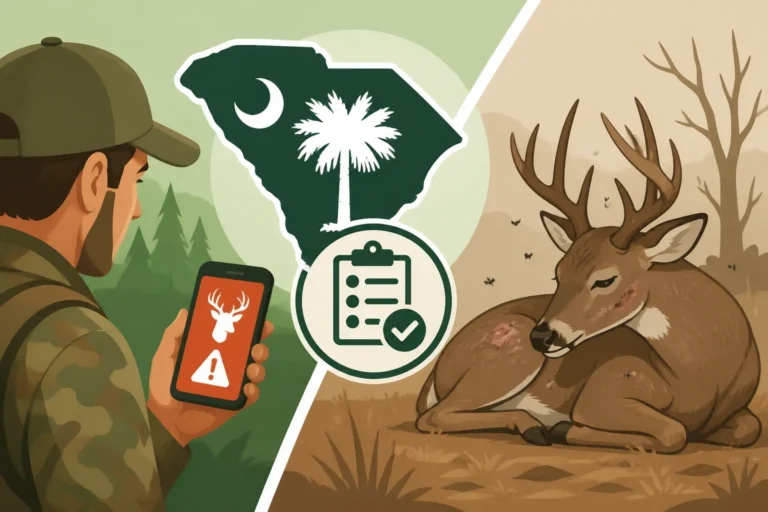
- Sick or Abnormally Behaving Deer: The public is strongly urged to report any deer exhibiting signs of CWD, such as extreme emaciation, neurological issues, or abnormal behavior. SCDNR biologists will then investigate and collect samples from these animals. This public participation is a critical early warning system.
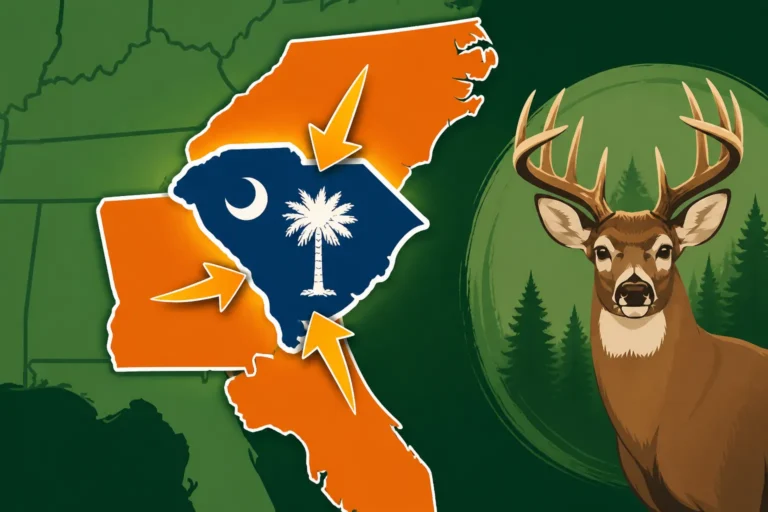
The department strategically targets counties bordering states where CWD has been found, such as North Carolina and Georgia, or major transportation routes. This targeted approach ensures that resources are allocated efficiently to areas with the highest risk of CWD introduction. Understanding South Carolina's Four Game Zones can help you identify if you are hunting in a higher-risk border county.
Laboratory Testing and Results Communication
Once tissue samples are collected, they are carefully packaged and sent to specialized laboratories for testing. These labs use highly sensitive diagnostic methods, primarily immunohistochemistry (IHC) or enzyme-linked immunosorbent assay (ELISA), to detect the presence of CWD prions. The testing process can take several weeks, as each sample undergoes rigorous analysis to ensure accuracy.
If a sample tests positive, the communication protocol is immediate and comprehensive. SCDNR would notify the hunter who submitted the sample and then launch a rapid response plan. This plan typically involves:
- Public Notification: Alerting hunters and the general public in the affected area.
- Intensified Surveillance: Increasing sampling efforts in the surrounding region.
- Management Strategies: Implementing specific measures such as additional harvests, carcass disposal requirements, or feeding/baiting bans to contain and mitigate the spread.
Thankfully, to date, all CWD tests from South Carolina samples have come back negative, a testament to the effectiveness of the surveillance program and the vigilance of our hunters. This ongoing monitoring ensures that if CWD ever does enter the state, we have the best possible chance of detecting it early and taking swift action.
Participating in CWD Surveillance: What Hunters Need to Know
As a hunter in South Carolina, you are on the front lines of CWD prevention. Your participation in surveillance efforts is not just helpful; it's absolutely vital. Every sample you submit adds another layer of protection for our deer herd and our hunting heritage. It's a small effort that yields massive dividends.
Finding a CWD Sampling Station
Locating a CWD sampling station is straightforward, especially during the peak deer season. SCDNR makes a concerted effort to establish accessible drop-off points across the state. These typically include:
- SCDNR Regional Offices: Many of the larger regional offices have designated staff and facilities to accept samples.
- Game Check Stations: During active deer seasons, some traditional game check stations might also serve as CWD sampling locations.
- Participating Taxidermists and Processors: Many local businesses that cater to hunters are trained and authorized by SCDNR to collect CWD samples. This is often the most convenient option for many hunters, as they are already bringing their deer to these locations.
- Special Events: SCDNR sometimes hosts special CWD sampling events at wildlife management areas (WMAs) or other public lands, particularly in high-priority zones.
The best way to find the most current list of CWD sampling stations is to visit the SCDNR website or call your local SCDNR office. They often publish an interactive map or a detailed list of locations, including operating hours and specific instructions for sample submission. Knowing When South Carolina's Archery Season Opens or other deer season dates is a good reminder to check for sampling station updates.
The Sample Collection Process for Hunters
Submitting a sample is generally quite simple, and SCDNR aims to make it as easy as possible. Here’s a general overview of what you can expect:
- Harvest Your Deer: After a successful harvest, ensure you properly tag and report your deer as required by South Carolina law. This is a separate but equally important step. You can learn more about South Carolina Deer Reporting Requirements for details on this process.
- Locate a Station: Find your nearest CWD sampling station using the SCDNR website or by contacting them directly.
- Prepare the Head: While some stations can handle the entire head, it's often easiest if you can bring just the head (with sufficient neck attached) or, even better, if you've already caped it out, just the head with the first few vertebrae. Ensure the head is kept cool, especially in warmer weather, to preserve the tissue integrity.
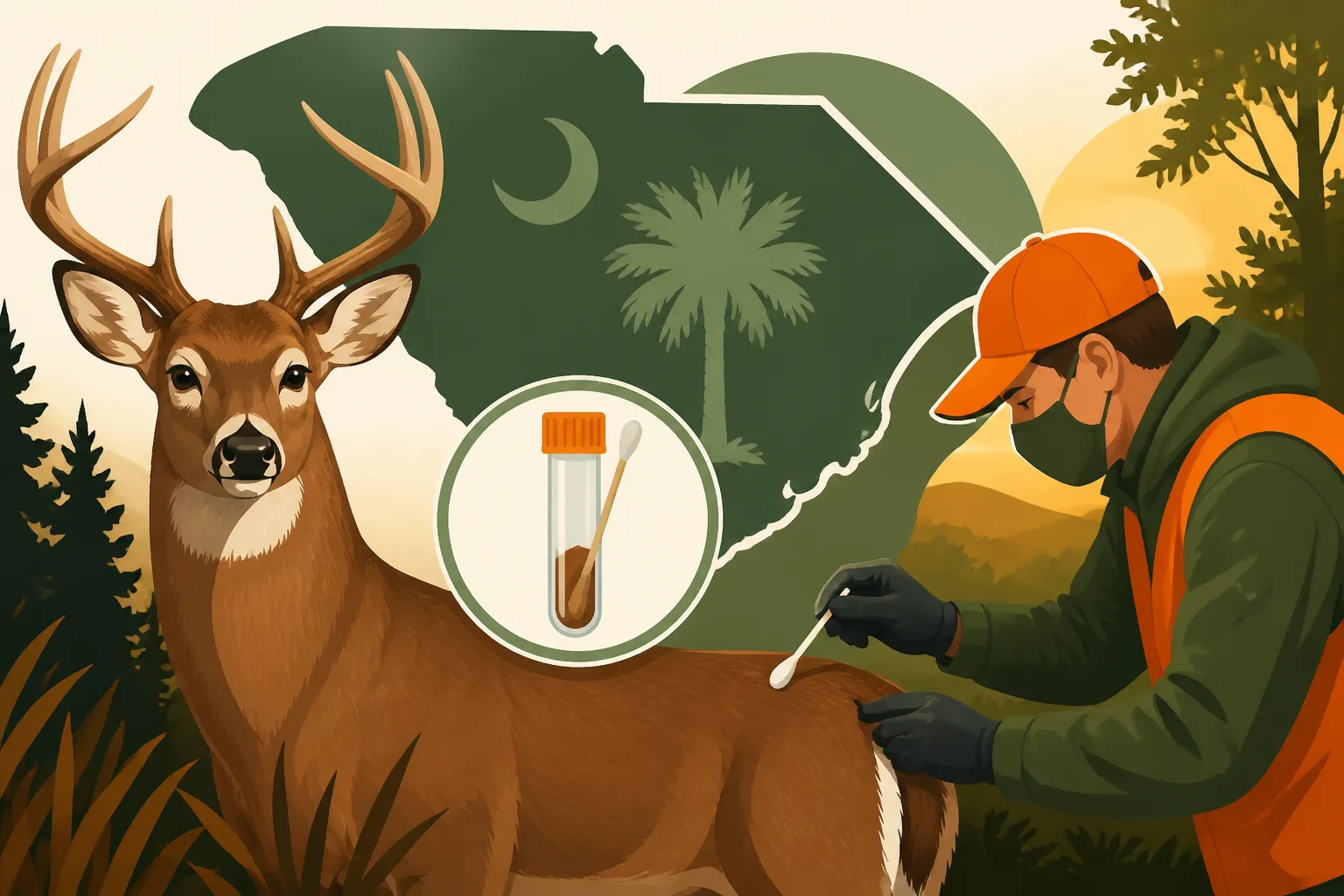
- Submission: At the station, SCDNR staff or an authorized agent will typically collect the retropharyngeal lymph nodes or a brainstem sample. This is a quick process and doesn't damage the antlers or hide if you plan to get your deer mounted. They will ask for your contact information and harvest details (date, county, WMA if applicable) to link the sample to your harvest.
Important Considerations:
- Timing: Try to submit samples as soon as possible after harvest. While refrigeration helps, fresher samples are always best.
- Cleanliness: Maintain general cleanliness to prevent contamination of the sample.
- Antlers: If you plan on a shoulder mount, inform the technician. They are skilled at taking samples without compromising your trophy.
- No Cost: There is no cost to the hunter for CWD testing. This service is provided free of charge by SCDNR to protect the herd.
Public Land Contributions and Voluntary Efforts
Hunting on public lands like the Francis Marion National Forest Hunting or Sumter National Forest Hunting presents a fantastic opportunity for CWD surveillance. These areas often see significant hunting pressure and deer movement, making them prime locations for monitoring. SCDNR frequently sets up temporary sampling stations or partners with local businesses near these popular hunting areas during the season.
Your voluntary efforts are the backbone of this program. Every deer you submit, whether from private land or a WMA, adds to the robustness of the data. While CWD hasn't been detected in South Carolina, the disease moves slowly, and a robust, ongoing sampling effort is the only way to ensure we catch it early if it ever arrives. The more samples SCDNR collects, the higher the statistical confidence that the disease is truly absent, or the quicker it can be found if present. It's a collective responsibility that rests heavily on the shoulders of the hunting community.
The Importance of Reporting and Carcass Restrictions
Beyond submitting samples, two other critical components of South Carolina's CWD prevention strategy are mandatory harvest reporting and strict carcass import regulations. These rules are in place not to make hunting more complicated, but to create a necessary barrier against the entry and spread of CWD.
Mandatory Harvest Reporting and CWD Prevention
In South Carolina, it is mandatory to report all deer harvests. This is a crucial data point for wildlife management generally, allowing SCDNR to monitor population trends, antler quality, and overall herd health. However, in the context of CWD, it also serves a vital role in disease surveillance. The data gathered from harvest reports helps biologists understand deer distribution and movement patterns, which are essential for identifying potential CWD risk areas. For example, if a cluster of deer with CWD symptoms were reported in a specific county, SCDNR could cross-reference harvest data to see how many deer are typically taken in that area and by whom, allowing for more targeted communication and sampling efforts. Keeping up with Checking a South Carolina Deer Harvest Online is a vital part of your hunter responsibility.
Carcass Import Restrictions and Their Purpose
One of the most significant pathways for CWD to enter a CWD-free state is through the importation of infected deer carcasses or carcass parts. The prions can be present in the brain, spinal cord, lymph nodes, and even some muscle tissue, meaning that transporting an entire deer from a CWD-positive area is a serious risk.
South Carolina has strict regulations governing the importation of deer, elk, and moose carcasses from any state or province where CWD has been detected. The purpose is simple: to prevent a CWD-infected animal from bringing the disease directly into South Carolina. You can learn more about Why You Cannot Bring a Deer Carcass Into South Carolina in detail.
What is generally not allowed to be imported:
- Whole deer, elk, or moose carcasses.
- Brain or spinal cord tissue.
- Lymph nodes or other nervous system tissue.
What is typically allowed to be imported (with proper cleaning):
- Deboned meat (meat with no spinal column or skull material attached).
- Cleaned skull plates or antlers (antlers with no brain matter or tissue attached).
- Hides with no head attached.
- Finished taxidermy mounts.
These rules mean that if you hunt deer or elk in a CWD-positive state, you need to process your animal thoroughly before bringing it back to South Carolina. This might involve having it professionally deboned and packaged at a processor in the state where it was harvested, or performing the necessary cleaning yourself. This simple act of prevention is incredibly powerful in keeping CWD out of our state. For specifics on what can and cannot cross state lines, consult Which Carcass Parts South Carolina Still Allows.
Disposing of Carcasses Responsibly
Proper carcass disposal is another often-overlooked but crucial aspect of CWD prevention. If an infected deer were to be harvested and its carcass improperly disposed of – for example, by simply leaving it in a field or dumping it along a roadside – the CWD prions could persist in the soil and environment, potentially infecting other deer that encounter the contaminated area.
Therefore, SCDNR encourages hunters to dispose of deer carcasses responsibly, especially if you're hunting near a high-risk area (like border counties) or if you've harvested a deer that appeared sick.
Best practices for carcass disposal include:
- Landfills: Municipal landfills are generally the safest option, as the carcass will be buried and contained, preventing scavenging animals from spreading potential prions.
- Burying: If you are on private land and have the means, burying a carcass deeply (at least 3-4 feet) can also be an effective way to contain potential CWD prions.
- Avoid Public Areas: Never dispose of carcasses in publicly accessible areas, waterways, or anywhere scavenging animals could easily access them.
Proper disposal protects not just the immediate area, but helps prevent the long-term environmental persistence of CWD prions, which are incredibly hardy.
Summary of South Carolina's CWD Prevention Measures
South Carolina's strategy to remain CWD-free is a proactive, multi-pronged approach that relies heavily on both governmental action and hunter cooperation. Understanding these measures is key to appreciating their importance.
| Prevention Measure | Description | Hunter Role | Impact on CWD Prevention |
|---|---|---|---|
| Active Surveillance | SCDNR systematically collects samples from harvested, road-killed, and suspect deer across the state, prioritizing high-risk areas. | Voluntarily submit deer heads for CWD testing at designated stations. Report any sick or unusually behaving deer. | Early detection is critical for rapid response and containment before widespread transmission. |
| Carcass Import Restrictions | Prohibits the importation of whole carcasses or high-risk parts (brain, spinal cord, lymph nodes) from CWD-positive states/provinces. | Process deer harvested out-of-state into deboned meat, cleaned skulls/antlers, or taxidermy mounts before returning to South Carolina. Understand South Carolina Carcass Import Restrictions. | Prevents the physical introduction of CWD prions from infected regions into SC. |
| Mandatory Harvest Reporting | All harvested deer must be reported to SCDNR, providing critical data on population health and distribution. | Report every deer harvested in South Carolina, adhering to deadlines and procedures. | Aids in tracking deer movement, population density, and potential disease hot spots. |
| Responsible Carcass Disposal | Encourages proper disposal of carcass waste to prevent environmental contamination by prions. | Utilize landfills or deep burial for carcass disposal; avoid dumping in public or natural areas. | Minimizes the long-term persistence of CWD prions in the environment. |
| Public Education | Ongoing efforts by SCDNR to inform hunters and the public about CWD, its risks, and prevention strategies. | Stay informed on CWD updates, regulations, and best practices. Share knowledge with fellow hunters. | Increases awareness and compliance with prevention measures. |
Future Outlook and Ongoing Efforts
The fight against CWD is not a one-time battle; it's an ongoing commitment. While South Carolina remains CWD-free, we cannot afford to become complacent. The future health of our deer herd and the continued vibrancy of our hunting traditions depend on sustained vigilance and adaptive strategies.
Adapting to New Threats and Research
CWD is a constantly evolving challenge. New research emerges regularly, shedding light on how the disease spreads, how long prions can persist in the environment, and new detection methods. SCDNR closely monitors these scientific advancements and adapts its surveillance and management strategies accordingly. For instance, if new research indicates that certain types of soil or vegetation can harbor prions more effectively, surveillance efforts might shift to include more environmental sampling in those areas.
Furthermore, as CWD spreads to more states, the risk to South Carolina increases. This means the SCDNR must continuously assess the threat level from neighboring states and adjust its border-monitoring efforts. This adaptive approach ensures that our state remains at the forefront of CWD prevention, ready to implement the most effective strategies based on the latest scientific understanding. This commitment is part of a broader South Carolina Wildlife Disease Monitoring effort.
Hunter Education and Continued Vigilance
Hunters are, without a doubt, the most important allies in the fight against CWD. You spend the most time in the field, you are the first to observe changes in deer behavior, and your cooperation with sampling and regulations is paramount. SCDNR consistently invests in hunter education programs to ensure that hunters understand the gravity of CWD and their role in preventing its spread. This includes workshops, online resources, and direct communication through licenses and regulations.
Continued vigilance means always being aware of the symptoms of CWD (emaciation, abnormal behavior, drooling) and immediately reporting any suspicious-looking deer to SCDNR. It means faithfully adhering to carcass import restrictions, even if it's inconvenient. It means taking the time to submit a sample from your harvest, knowing that each one contributes to the collective good. This shared responsibility is what truly safeguards our wild resources. If you spot a deer that looks unwell, it's crucial to know how to proceed by reviewing information on Reporting a Sick Animal in South Carolina.
Protecting South Carolina's Deer Herd for Generations
Ultimately, the goal of South Carolina's CWD surveillance sampling and all related prevention efforts is to protect our invaluable deer herd for generations to come. Deer hunting is deeply woven into the fabric of South Carolina's culture, providing food, recreation, and a vital connection to nature. By preventing CWD from entering and spreading, we ensure that these traditions can continue uninterrupted.
Every sample submitted, every regulation followed, every suspicious observation reported — these actions collectively build a strong defense against CWD. It's a commitment to conservation that transcends individual hunts and looks toward the long-term health and sustainability of our wildlife. The hard work and dedication of SCDNR staff, coupled with the unwavering support of South Carolina's hunters, are the best tools we have to keep our deer healthy and our hunting heritage thriving. Let's keep working together to ensure that South Carolina remains a place where the pursuit of wild game is vibrant and safe for many years to come.
Disclaimer
The information provided in this article is for general guidance and informational purposes only and does not constitute legal advice. Hunting regulations, license requirements, and disease protocols are subject to change. Always consult the official South Carolina Department of Natural Resources (SCDNR) website or contact their offices directly for the most current and accurate information before engaging in any hunting activities.