Minimum Age for Unsupervised South Carolina Hunting
It’s a question that many parents and young hunters in South Carolina wrestle with: when can a kid finally head into the woods on their own, rifle or bow in hand, truly independent? The rules around the minimum age for unsupervised hunting can seem a bit murky, leading to confusion and, sometimes, missed opportunities. This guide is here to cut through that fog, laying out the precise age requirements and the pathways South Carolina offers for its youngest hunters to gain independence safely and legally.
The Core Rule: Minimum Age for Unsupervised Hunting in South Carolina
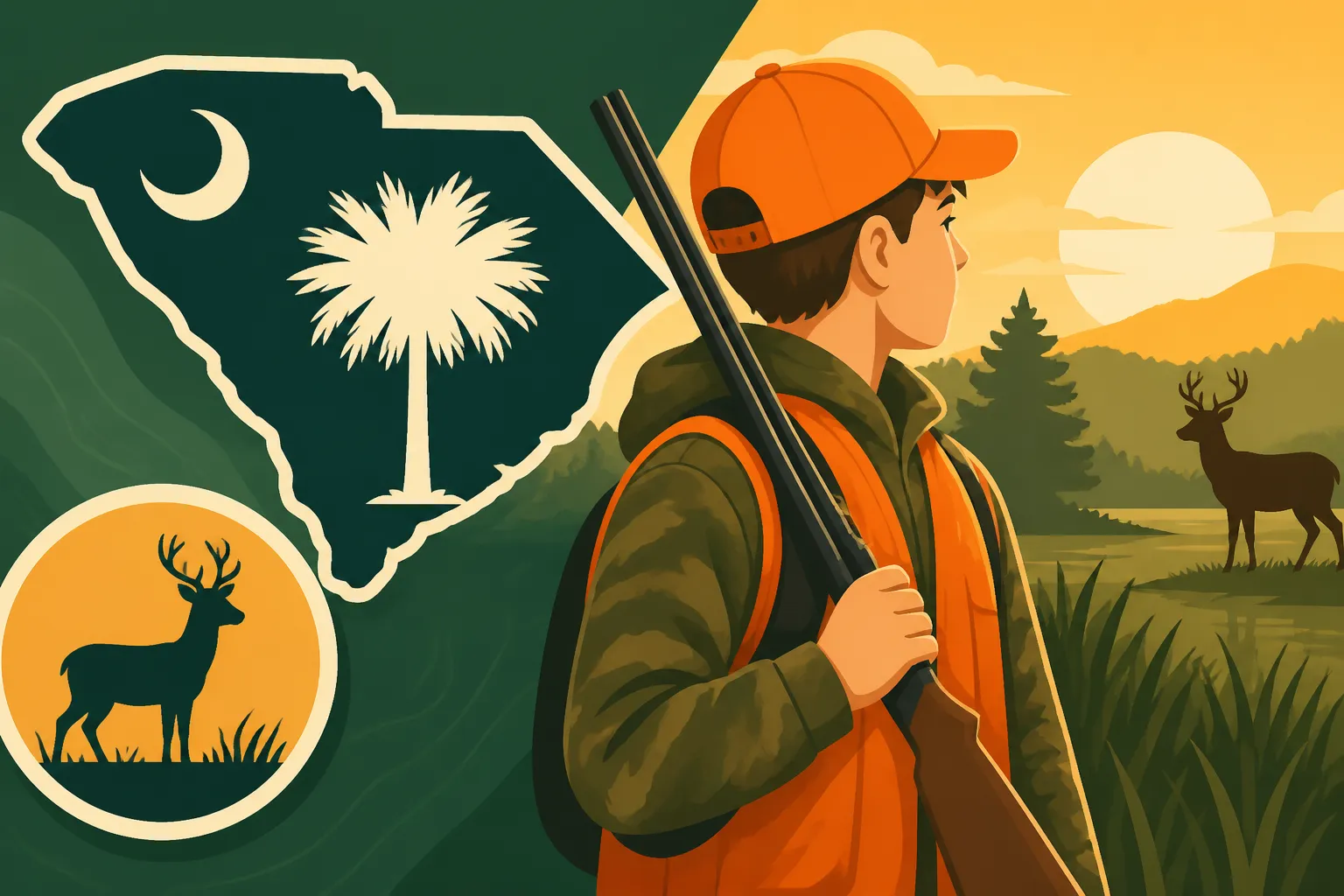
Let's get straight to the point, because this is often the most pressing question for families. In South Carolina, a hunter must be at least 16 years old to hunt unsupervised. This means if you're under 16, you are legally required to be accompanied and directly supervised by an adult who is at least 21 years of age, or by a licensed hunter over the age of 18 who is certified in hunter education. This isn't just a suggestion; it's a hard and fast rule designed to ensure the safety and proper instruction of our youth in the field.
Unpacking the Age 16 Threshold
The age of 16 isn't arbitrary; it aligns with many other responsibilities and privileges granted in society, signaling a level of maturity and capability. For hunting, it means that by 16, a young person is generally considered to have enough experience, judgment, and knowledge of firearm safety, game laws, and ethical hunting practices to make sound decisions independently. This threshold is meant to foster responsible hunters who understand the weight of their actions in the field.
Think about it from a real-world perspective. Imagine a 14-year-old hunter, incredibly enthusiastic and well-versed in gun safety from countless range trips, but perhaps not yet having encountered a tricky blood trail or a confrontational landowner situation solo. The state's requirement acknowledges that while skill is important, the ability to independently navigate complex, sometimes high-stress, real-time scenarios in the wilderness comes with a bit more age and guided experience. Until that 16th birthday rolls around, every hunt is a valuable learning opportunity where a seasoned mentor is right there to guide them through every decision, whether it's confirming a shot angle or figuring out a difficult recovery.
This rule isn't meant to hold young hunters back, but rather to build a strong foundation. When that 16th birthday hits, they've ideally accumulated years of direct experience and mentorship. It means they’ve not only learned the mechanics of shooting and tracking but also the nuances of Wind and Thermals on an Upstate Ridge, understanding how deer move in relation to weather, and the subtle art of Rattling Volume in Thick Pine Cover without overdoing it.
What "Unsupervised" Truly Means
The term "unsupervised" can also be a point of confusion. It's not just about sharing a deer stand or walking shoulder-to-shoulder. For those under 16, "accompanied and directly supervised" means the adult mentor must be within sight and normal voice contact of the young hunter at all times. This isn't a relaxed "I'll be in the next food plot over, text me if you see anything" kind of deal. It means constant oversight, ready to intervene, offer advice, or provide immediate assistance.
Consider a scenario in the deep woods of the Francis Marion National Forest. If a 15-year-old is hunting with a parent, that parent needs to be close enough to see and hear them. This proximity allows for real-time coaching on everything from shot placement to ethical decisions. If a deer is wounded, the mentor is right there to help with Blood Trailing After Dark in South Carolina or determining if a follow-up shot is needed. It’s about more than just safety; it’s about mentoring in the moment, imparting wisdom that only comes from years of experience. A quick check on a hunting app like GoHunt can often clarify specific WMA rules or zones, but the core supervision rule remains constant statewide for youth.
This direct supervision is critical during activities that might seem simple but carry inherent risks, such as climbing into a treestand or crossing a challenging piece of terrain. The mentor is responsible for ensuring the young hunter is making safe choices, like checking their safety harness before ascending or navigating a swampy area carefully. It's truly an apprenticeship, where the adult is actively teaching and guiding, not just passively present.
Exceptions and Special Circumstances
While the age 16 rule is the standard, there are always nuances. For instance, younger hunters participating in special youth hunts, often organized by the South Carolina Department of Natural Resources (SCDNR) or private organizations, might have slightly different supervision requirements or opportunities under very specific, controlled conditions. These events are often structured with a high adult-to-youth ratio and strict guidelines to ensure maximum safety and a positive learning environment.
One key exception to the standard license requirements, which indirectly relates to supervision, is the South Carolina Apprentice Hunter License, which we'll delve into next. This license allows individuals (regardless of age, though often utilized by new, younger hunters) to hunt for a limited period without first completing a hunter education course, provided they are under the immediate supervision of a licensed, experienced hunter. This pathway is specifically designed to allow new hunters to "try before they buy" into the full commitment of hunter education, always with a mentor close at hand. So, while the 16-year-old rule for unsupervised hunting stands firm, various programs are in place to allow younger hunters to gain valuable experience safely and legally. Always consult the official SCDNR regulations or the Go Outdoors SC website for the most current information, as rules can occasionally be updated.
Understanding South Carolina's Mentored Youth and Apprentice Hunter Programs
South Carolina is dedicated to fostering new hunters, and they understand that getting started can feel like a labyrinth of rules and requirements. That's why programs like the Mentored Youth Hunting program and the Apprentice Hunter License exist. They provide structured, safe ways for younger hunters to gain experience and confidence, always under the watchful eye of an experienced mentor. These programs are vital bridges to independent hunting.
The Apprentice Hunter License: Learning the Ropes
The Apprentice Hunter License is a fantastic entry point for anyone new to hunting, especially younger individuals who haven't yet completed their hunter education course. Essentially, this license allows a person to hunt game for a specified period without having to first pass the hunter education certification. The catch? They must be directly supervised by a licensed hunter who is at least 21 years old and has already completed hunter education (or is exempt from it due to age or prior licensing). This effectively extends the "supervised" period beyond just the under-16 rule for those who haven't yet taken the course.
Imagine a situation where a 17-year-old, new to the state and eager to join their family on a deer hunt, hasn't had time to take a hunter education course. Instead of waiting, they can purchase an South Carolina Apprentice Hunter License Rules and head into the woods with an eligible mentor. This allows them to experience a real hunt, learn practical skills like Setting Up on a Lowcountry Field Edge or reading deer sign, and decide if hunting is truly for them before investing the time and effort into the full hunter education course. It’s a low-barrier way to experience the tradition. These apprentice licenses are valid for one license year and can typically be renewed once, giving plenty of opportunity to get certified. You can usually find information and purchase these through the Go Outdoors SC portal, which many hunters find convenient.
The Role of the Mentor in Youth Hunting
The mentor is the unsung hero of youth hunting. Their role goes far beyond merely accompanying a young hunter; they are teachers, safety officers, ethical guides, and cheerleaders. For any hunter under 16, or any apprentice hunter, the mentor is legally responsible for ensuring the youth follows all hunting laws, practices safe firearm handling, and adheres to ethical hunting principles. This means being actively engaged, not just physically present.
A good mentor teaches not just how to shoot, but why we hunt, the importance of wildlife conservation, and respect for the game. They might explain the nuances of Hunting the Rut in the Coastal Zones or how to properly Field Dressing a Deer in Warm Weather during an early season hunt. They demonstrate patience, resilience, and problem-solving skills when things don't go as planned, like tracking a difficult animal or navigating challenging terrain. The mentor models proper behavior, from checking local WMA rules on the SCDNR site or via a tool like GoHunt, to ensuring all harvested game is properly reported through the South Carolina Game Check system.
The law regarding How Close a South Carolina Mentor Must Stay reinforces this active role, requiring the mentor to be within sight and normal voice contact. This isn't just a physical requirement; it ensures immediate guidance. If a young hunter makes a mistake, the mentor is there to correct it immediately, turning a potential error into a valuable learning experience. It’s about building a solid foundation of knowledge and character that will serve the young hunter for a lifetime.
Benefits of Starting Young Under Supervision
Starting hunting at a young age, under proper supervision, offers immense benefits that extend far beyond simply learning to shoot a gun or bow. It instills a deep appreciation for nature, wildlife, and the critical role hunters play in conservation. Young hunters learn patience, observation skills, and resilience, especially when facing the unpredictable challenges of the wild. These are life skills that serve them well in all aspects of life.
The South Carolina Mentored Youth Hunting Rules are designed to safely introduce youngsters to the outdoors, fostering an understanding of ecosystems and animal behavior. A mentored youth might learn how to identify Late-Season Food Sources for South Carolina Whitetails or understand the subtle signs of turkey activity when Calling a South Carolina Gobbler Off the Roost. This hands-on education is far more impactful than any textbook or classroom lesson. It’s also an incredible way to bond with family and friends, creating lasting memories in the shared pursuit of game. Many hunters recall their first successful hunt with a parent or grandparent as one of their fondest childhood memories, solidifying family traditions and connecting generations.
Moreover, starting young and learning from experienced hunters ensures that safety and ethical practices become second nature. When these principles are ingrained from the very beginning, they are more likely to be carried forward as the individual matures into an independent hunter. It’s an investment in the future of hunting and conservation, ensuring that the next generation respects the land, the animals, and the heritage.
| Hunter Category | Minimum Age | Hunter Education Required? | Supervision Required? | Licensing Notes |
|---|---|---|---|---|
| Unsupervised Hunter | 16 | Yes | No (after age 16) | Standard hunting license and appropriate permits (e.g., big game) required. |
| Supervised Youth | Under 16 | No (if supervised) | Yes (by licensed, experienced adult 21+ or hunter ed cert. 18+) | Can hunt under adult's license or get their own junior license, but always supervised. |
| Apprentice Hunter | Any Age | No (for limited term) | Yes (by licensed, experienced adult 21+ or hunter ed cert. 18+) | Requires an Apprentice Hunter License, renewable once. Must eventually get Hunter Ed. |
| Hunter Education Cert. | Any Age | Yes | No (after age 16) | Required for most hunters over age 16 to hunt unsupervised. |
Navigating Hunter Education Requirements
Hunter education is more than just a formality; it's a foundational component of safe and ethical hunting. South Carolina, like most states, has clear requirements for who needs to take these courses and who might be exempt. Understanding these rules is crucial for both young and seasoned hunters looking to legally pursue game.
Mandatory Hunter Education for Young Hunters
In South Carolina, any person born after June 30, 1979, must successfully complete a hunter education course certified by the SCDNR or another state to purchase a hunting license (other than the Apprentice License) and hunt unsupervised. This means if you're, say, 40 years old and just picking up hunting, you'll need the course. And crucially, if a young hunter aims to hunt independently once they hit 16, they absolutely need this certification. The course covers critical topics like firearm safety, ethical hunting practices, wildlife identification, game laws, and basic first aid in the field.
Think of it as learning the rules of the road before you get behind the wheel. You wouldn't let a new driver operate a car without understanding traffic laws and defensive driving, right? Hunter education is precisely that for the woods. It ensures that every new hunter, especially those aspiring to hunt alone, has a baseline understanding of how to behave responsibly and safely. Whether they're planning for Bowhunting South Carolina's Long Archery Season or hitting the woods for deer rifle season, that certification proves they've learned the fundamentals. Checking the SCDNR website or the GoHunt platform can provide up-to-date schedules for courses in your area.
Online vs. In-Person Course Options
South Carolina offers flexibility in how hunter education can be completed. You can choose between traditional classroom courses, which often include hands-on experiences like firearm handling drills and live-fire exercises, or online courses. The online option, while convenient, typically requires a mandatory "field day" component where students demonstrate practical skills and safe firearm handling under the guidance of certified instructors.
The choice often comes down to personal learning style and schedule. In-person courses offer direct interaction with experienced instructors and peers, which can be invaluable for asking questions and gaining practical insights. The field day for online courses is critical because it bridges the gap between theoretical knowledge and real-world application. It’s where a student might practice walking with a loaded gun, demonstrate safe climbing stand use, or properly identify game in a mock scenario. While a platform like GoHunt can offer useful supplemental information and forums, the official hunter education courses are where the legal and practical requirements are met. Ensuring you're enrolled in a state-certified course is paramount for your certification to be recognized.
Who is Exempt from Hunter Education?
Not everyone needs to take a hunter education course in South Carolina. The primary exemptions include:
- Individuals born before July 1, 1979: If you predate this cutoff, you're grandfathered in and don't need the certification.
- Apprentice License Holders: As discussed, this license temporarily exempts you, provided you hunt under direct supervision.
- Active Duty Military and Veterans: Certain military personnel and veterans may be exempt if they can provide proof of honorable discharge or active service, along with other specific criteria. It's always best to check the most current SCDNR regulations for the exact requirements.
- Law Enforcement Officers: Certain certified law enforcement officers may also be exempt.
Even if you're exempt, consider the value of refresher courses or supplemental training. Laws and best practices evolve, and staying informed is part of being a responsible hunter. For example, understanding South Carolina's Four Game Zones and how they impact season dates is something that new hunters, regardless of exemption status, should review annually. Always verify your eligibility for any exemption with the SCDNR to avoid any legal complications in the field.
Essential Safety and Ethical Considerations for Young Hunters
Beyond the legal age limits and mandatory courses, there's a deeper layer to becoming a responsible, independent hunter: adopting a strong safety mindset and an unwavering ethical compass. These aren't just rules to follow; they are a way of life in the woods, crucial for protecting oneself, others, and the resource.
Beyond the Rules: Practicing Responsible Hunting
The law sets the minimum standard, but true responsible hunting goes above and beyond. For young hunters transitioning to unsupervised hunting, this means taking personal ownership of every decision in the field. It’s about being thoughtful, cautious, and always prioritizing safety. This includes meticulously checking your gear, knowing your weapon's capabilities, and always, always identifying your target and what's beyond it before taking a shot. In South Carolina’s diverse landscapes, from the thick Lowcountry swamps to the rolling Upstate hills, target identification can be tricky, making this even more critical.
Responsible hunting also means understanding and respecting land access. Whether hunting on Francis Marion National Forest Hunting land or a small private tract, knowing property boundaries and having proper permission is non-negotiable. It means leaving no trace, packing out everything you pack in, and respecting the game animals you pursue. For example, if you're lucky enough to be Filling a Five-Deer Statewide Limit, it comes with the responsibility of ensuring each animal is treated with respect and utilized fully. A resource like GoHunt can sometimes help identify land ownership and boundaries, which is invaluable for responsible hunting.
Gear and Preparation for a Safe Hunt
Proper gear and meticulous preparation are paramount for any hunter, but especially for young, newly unsupervised hunters. This isn't just about having a gun or a bow; it's about having the right clothing, safety equipment, and emergency supplies. For example, given South Carolina’s warm climate, Warm-Weather Clothing for South Carolina Hunters that is breathable and helps manage scent is crucial for comfort and effectiveness, especially during early season hunts.
A comprehensive pack should include a first-aid kit, a reliable navigation device (GPS or a mapping app like GoHunt on your phone, with downloaded maps for areas with no cell service), plenty of water, high-energy snacks, a flashlight or headlamp, and a knife. For deer hunting, Treestand Setups in Francis Marion National Forest require a full-body safety harness and a lifeline – non-negotiable items for elevated hunting. You might also need sturdy Snake Boots for South Carolina Swamp Ground if you're venturing into certain areas. Checking the weather forecast religiously, informing someone of your hunting plans and expected return time, and having a communication device are also essential safety protocols. Being prepared for the unexpected is a hallmark of a responsible hunter.
Continuous Learning and Skill Development
Hunting is a lifelong learning endeavor. Even after completing hunter education and gaining the privilege of hunting unsupervised, the journey of skill development and knowledge acquisition never truly ends. Young hunters should actively seek out opportunities to learn more, whether it's through advanced tracking workshops, conversations with experienced mentors, or studying wildlife biology.
This continuous learning could involve refining your calling techniques for Spring Turkey Hunting in South Carolina, mastering new entry and exit routes on public land to avoid pressure, or learning how to read complex terrain features like a Ridge-Top Saddle for Rutting Bucks. Every season brings new challenges and opportunities for growth. Embrace the spirit of curiosity and humility; there’s always something new to learn in the woods. Staying current on South Carolina Deer Season Structure Explained and other regulations is also part of this ongoing education, ensuring you remain a legal and ethical hunter for years to come.
Disclaimer
The information provided in this guide is for informational purposes only and is not a substitute for official legal advice or current regulations. Hunting laws and regulations in South Carolina can change, and it is the responsibility of every hunter to consult the most up-to-date regulations published by the South Carolina Department of Natural Resources (SCDNR) before engaging in any hunting activities. Always refer to the official SCDNR website or printed regulation digests for precise and current legal requirements.