Zone 1 Bear Still-Gun Season Rules
For anyone who's ever found themselves scratching their head over South Carolina's bear hunting regulations, especially when it comes to the unique challenges and specific timelines of Zone 1, you're not alone. It can feel like navigating a dense thicket of rules and dates, making it tough to even plan your hunt, let alone execute it successfully. This comprehensive guide is here to untangle the complexities of the Zone 1 still-gun bear season, walking you through everything you need to know to hunt safely, legally, and effectively in the Upstate.
Understanding South Carolina's Bear Zones and Still-Gun Specifics
South Carolina might not be the first state that comes to mind for bear hunting, but our state boasts a healthy and growing black bear population, particularly in the mountainous region. However, hunting these elusive creatures comes with very specific rules, largely divided by our state's designated bear zones. The distinction between these zones, and the hunting methods allowed within them, is absolutely critical for any aspiring bear hunter.
The Distinctive Nature of Zone 1
Zone 1 covers the mountainous northwestern corner of South Carolina, encompassing parts of counties like Oconee, Pickens, and Greenville. This area is characterized by the rugged terrain of the Blue Ridge Escarpment, dense forests, and an abundance of natural food sources. It’s a completely different landscape than much of the rest of the state, and the bears here are truly wild, often ranging across vast territories. If you're looking to challenge yourself against a truly wild black bear in a pristine mountain setting, Zone 1 is your destination. This region is a stronghold for our state's bears, with a significant portion of South Carolina's Black Bear Population calling these mountains home. The population here has been carefully managed to ensure sustainability, which is why the hunting regulations are so precise.
Why Zone 1 Has Specific Rules
The specific rules for Zone 1 are a direct reflection of its unique ecology and the behavioral patterns of the Upstate bear population. Unlike other areas, Zone 1 allows for both still-gun hunting and dog drives, but these seasons are intentionally separated and strictly regulated to manage harvest pressure and provide different hunting experiences. The still-gun season, which is our focus, is designed for hunters who prefer to scout, track, and sit patiently, relying on stealth and woodsmanship rather than the adrenaline-fueled chase of a dog drive. This method requires a deep understanding of bear behavior and habitat, as you'll be trying to intercept bears moving naturally through their environment. The regulations aim to spread out the hunting effort and ensure that both types of hunts can coexist without overtaxing the bear resource.
Zone 4 Coastal Bear Season Contrasted
It’s helpful to understand how different Zone 1 is by looking at its counterpart, South Carolina's Two Bear Hunting Zones. Zone 4, along the South Carolina coast, particularly in the Francis Marion National Forest area, has its own distinct bear population and set of rules. While Zone 1 is about mountain still-hunting and dog drives, Zone 4 coastal bear season often includes a still-gun hunt, but the habitat is vastly different – think dense swamps, pocosins, and pine plantations, not mountain ridges. The bears in Zone 4 behave differently, too, often concentrated in specific areas tied to unique coastal food sources. The hunting methods, access, and even the challenges you face will vary dramatically between these two zones, highlighting why it’s so critical to pay attention to which zone you’re hunting in. The contrast makes it clear that one-size-fits-all hunting advice simply doesn't apply when you're pursuing South Carolina bears.
Eligibility and Permit Requirements for Zone 1 Still-Gun
Before you even think about setting foot in the mountains for a bear hunt, you need to ensure all your paperwork is in order. South Carolina has clear requirements for bear hunters, and overlooking even one detail can lead to a frustrating, and potentially costly, end to your hunting plans. It’s far better to double-check everything well in advance.
Essential Licenses and Big Game Permits
First and foremost, every bear hunter in South Carolina needs a valid hunting license. If you're a resident, this typically means your annual resident hunting license. Non-residents will need their respective non-resident hunting license. Beyond the base license, you absolutely must possess a South Carolina Big Game Permit. This permit is what allows you to hunt deer, bear, and turkey. Without both the general hunting license and the big game permit, you are not legally equipped to pursue bears. These are fundamental requirements for most large game animals in the state, so it’s something any experienced hunter should already have, but it's worth reiterating for bear season due to its limited nature. You can purchase these through the SCDNR website, at license vendors, or via the Go Outdoors SC mobile app, making it fairly convenient to get everything sorted.
Understanding the South Carolina Bear Tag Cost
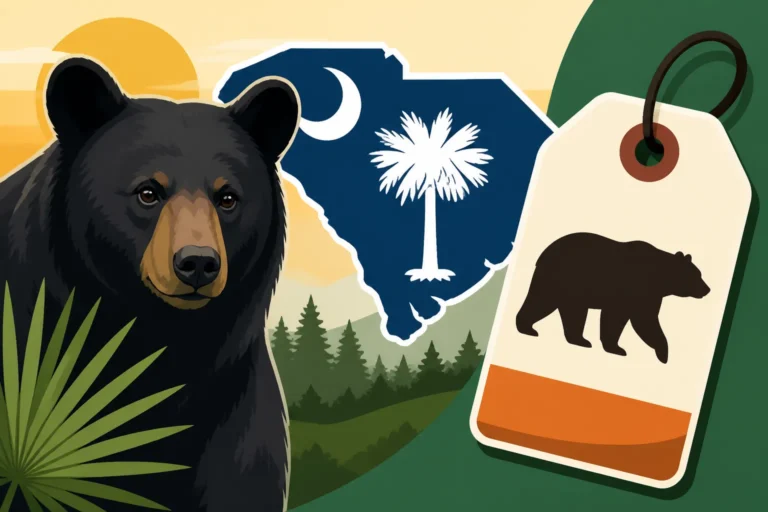
Beyond your general hunting license and big game permit, a specific bear tag is required for Zone 1 still-gun season. This isn't just a formality; it's how the state tracks and manages the bear harvest. The South Carolina Bear Tag Cost is a small investment compared to the overall experience, but it’s a non-negotiable part of the process. The number of tags available might be limited, or there could be specific application windows, so it’s crucial to check the current year’s regulations on the SCDNR website well before the season opens. Each tag will specify the zone and method of take it’s valid for, so make sure you’re getting the right one for Zone 1 still-gun season. This tag is your legal authority to harvest a bear if you're successful.
Hunter Education for Bear Hunters
While not exclusively for bear hunting, hunter education is a foundational requirement for most hunters in South Carolina, especially those born after June 30, 1979. If this applies to you, you’ll need proof of completing a hunter education course. This course covers essential safety practices, wildlife conservation principles, and specific game laws – all incredibly relevant for a challenging hunt like bear hunting. Even if you're exempt from the mandatory requirement, taking a refresher course or reviewing safety practices is always a good idea. The dense, rugged terrain of Zone 1, combined with the power of a black bear, demands an extra level of preparedness and safety consciousness. Understanding game recovery, ethical shot placement, and how to safely navigate public lands are all skills reinforced by hunter education.
Key Regulations for Still-Gun Bear Hunting in Zone 1
Once your licenses and tags are secured, understanding the nitty-gritty of the regulations is the next hurdle. The still-gun bear season in Zone 1 is highly structured, and deviation from these rules can have serious consequences. It's about respecting the resource and ensuring a fair chase for everyone.
Season Dates and Open Periods
The Zone 1 Bear Still-Gun Dates are typically quite specific and often limited to a very short window, sometimes only a few days, or even less if the quota is met quickly. This isn't like deer season that stretches for months in some parts of the state. Bear season is a targeted, intense period. These dates are set annually by the SCDNR and are subject to change, so you absolutely must consult the most current South Carolina Hunting & Fishing Regulations digest. The exact timing can sometimes vary based on population data, mast crop availability, and other biological factors. Missing these dates means missing the season entirely, so mark your calendar and set reminders! Historically, these hunts occur in the fall, allowing bears to bulk up before winter dens, offering hunters a better chance at a well-conditioned animal.
Legal Methods of Take and Prohibited Actions
"Still-gun" means exactly that: you're hunting without the aid of dogs. This method prohibits the use of hounds to pursue, tree, bay, or take bears. It also generally prohibits baiting. This is a crucial distinction from the dog drive portion of Zone 1's season. For still-gun, you're permitted to use legal firearms – typically rifles, shotguns with slugs, or muzzleloaders. Archery equipment and crossbows are also usually allowed, offering additional opportunities for those who prefer them. The key is that you are actively seeking out a bear on your own, using scouting and woodsmanship to find an opportunity. You must also adhere to South Carolina Blaze Orange Requirements, especially on public lands during firearms seasons, to ensure visibility and safety for yourself and other hunters. Hunting hours are generally restricted to daylight hours, another detail to confirm in the regulations.
Bag Limits and Size Restrictions
South Carolina has a very conservative approach to bear harvest, and for good reason. The statewide bag limit is one bear per hunter per year, regardless of the zone or method. This limit is critical for maintaining healthy bear populations. Beyond the annual limit, there might be specific size or sex restrictions. For instance, sometimes the harvest of cubs or sows with cubs is prohibited. While this is less common for still-gun seasons where positive identification can be harder in dense cover, it's always something to be aware of. The SCDNR may also implement a quota system, meaning the season could close early if a predetermined number of bears are harvested. Keeping an eye on the SCDNR website or social media during the season is crucial, as an early closure can happen quickly, especially in popular areas. This quota system underscores the precious nature of the bear resource and the careful management it requires.
| Feature | Zone 1 Still-Gun Season | Zone 1 Bear Dog Drive Season |
|---|---|---|
| Hunting Method | Hunter seeks bear without dogs | Dogs used to pursue and bay bear |
| Season Dates | Typically earlier, limited days | Follows still-gun, limited days |
| Baiting Allowed | No | No |
| Legal Firearms | Rifles, shotguns (slugs), muzzleloaders, archery | Rifles, shotguns (slugs), muzzleloaders, archery |
| Harvest Limit | One bear per hunter per year | One bear per hunter per year |
| Quota System | Yes, season may close early | Yes, season may close early |
| Primary Skill Focus | Scouting, stealth, tracking, patience | Dog handling, teamwork, tracking |
| Typical Habitat | Mountain ridges, dense timber, natural mast | Mountain ridges, dense timber, natural mast |
Tactical Considerations for Zone 1 Still-Gun Hunters
Hunting bears with still-gun methods in Zone 1 is a true test of a hunter's skills. It requires meticulous planning, understanding the terrain, and a keen eye for subtle signs. This isn't a hunt where you just show up and expect success; it's earned through preparation and perseverance.
Scouting for Upstate Bears Over Natural Mast
Success in still-gun bear hunting hinges almost entirely on finding where bears are actively feeding. In the Upstate mountains, this means focusing on natural mast crops. Acorns, hickory nuts, and wild berries are prime attractants, especially in the fall as bears gorge themselves to build fat reserves for hibernation. This requires extensive Scouting South Carolina Public Land Before Season. Look for areas with mature oak and hickory stands, and pay close attention to the ground for scat, tracks, and disturbed leaves where bears have been feeding. They'll also be drawn to specific food sources like wild grapes in certain areas. This is where tools like GoHunt can be incredibly helpful; their mapping layers often show timber types and topography, allowing you to identify potential mast-producing areas without ever setting foot in the woods. By concentrating your efforts in areas with abundant natural food, you significantly increase your chances of an encounter. Remember, bears are creatures of habit, and finding their preferred feeding zones is paramount.
Wind and Thermals in Mountainous Terrain
Hunting in the mountains introduces a whole new layer of complexity: thermals. Unlike flat ground where the wind is more predictable, mountain thermals can shift dramatically with the time of day. In the mornings, cool air often drains down valleys and hollows, carrying your scent downhill. As the sun rises and warms the earth, the thermals reverse, pulling air (and your scent) uphill. This constant shift means you have to be incredibly aware of your position relative to potential bear travel corridors and bedding areas. A shifting wind can blow your cover instantly, sending a wary bear packing before you even know it's there. Planning your approach and exit routes to minimize scent dispersion is crucial. Sometimes, waiting for the thermals to stabilize around midday before making your move can be a smart strategy. Understanding Wind and Thermals on an Upstate Ridge is not just a suggestion; it's a necessity for successful still-hunting.
Shot Placement and Recovery in Thick Cover
Bear anatomy, combined with the dense cover typical of Zone 1, makes precise Shot Placement on a South Carolina Black Bear incredibly important. Bears are incredibly tough animals, and a poorly placed shot can lead to a long, difficult, and potentially unsuccessful tracking job. Aim for the vitals: the lungs and heart, just behind the shoulder. This usually requires a broadside or slightly quartering-away shot. Given the thick woods, shot distances are rarely long, often within 50-75 yards. You need to be confident in your rifle and your ability to place a shot accurately under pressure.
Even with a perfect shot, bears can travel a surprising distance. Recovery in the rugged terrain of Zone 1 can be arduous. Always give a bear time if you don't see it fall; an hour or more for a lung shot, and longer if you suspect a gut shot. Having a plan for Handling a Bear After the Shot and retrieving it, especially if hunting alone, is vital. This might mean having a game cart ready, or even a second hunter to help with dragging a heavy animal out of a steep ravine. Be prepared for a physical challenge, as dragging a 200-300 pound bear uphill through thick brush is no small feat.
Post-Harvest Requirements and Reporting
Congratulations, you've successfully harvested a bear in Zone 1! The excitement is palpable, but your responsibilities aren't over. South Carolina has strict post-harvest requirements, particularly for bears, to ensure proper data collection and management of the species.
Immediate Actions After a Harvest
The first thing you must do after a harvest is immediately tag your bear with your valid bear tag. This tag must be securely attached to the animal before you move it from the kill site. This prevents any ambiguity about the legality of your harvest. Next, you need to begin the field dressing process. Bears are insulated with a thick layer of fat, and their body heat can spoil the meat quickly, especially if the weather is warm. Gutting the bear as quickly as possible helps to cool the carcass down. If you're hunting during an unseasonably warm spell, you might consider the gutless method or quartering the animal to facilitate faster cooling and easier transport. Remember, getting the meat cooled quickly is paramount for quality.
South Carolina Bear Checking Requirements
One of the most critical steps after harvesting a bear is reporting it. South Carolina Bear Checking Requirements are mandatory and serve a vital role in wildlife management. You must check your bear within 24 hours of harvest, or before processing or transporting it across state lines. This is usually done at a designated SCDNR bear check station. At the check station, SCDNR staff will collect important biological data, such as sex, weight, and potentially a tooth for aging the bear. This data is invaluable for understanding the health and demographics of the bear population and for setting future season structures. They will also confirm your tag and ensure all regulations have been followed. Ensure you know the location and operating hours of the nearest check station before your hunt.
Understanding Carcass Transport Rules
Once your bear is tagged and checked, you might think you're in the clear for transport, but there are still rules to consider. While most of the carcass can be transported, certain restrictions apply, especially if you plan to travel across state lines. South Carolina has strict rules about importing certain carcass parts from states with Chronic Wasting Disease (CWD). While this primarily applies to deer, it's a good habit to understand all carcass transport regulations, particularly if you are a non-resident hunter heading home. For in-state transport, ensure your checked bear remains tagged and that you have all necessary documentation with you. This prevents any issues if you encounter game wardens during your journey. The goal is to always be able to prove the legality of your harvest.
Common Misconceptions and Troubleshooting for Zone 1 Bear Hunters
Bear hunting in Zone 1, especially using still-gun methods, can sometimes be confusing due to the specific nature of the hunt. There are a few common pitfalls and questions that often arise for new or even seasoned hunters. Let's clear some of these up.
Differences Between Still-Gun and Dog Drives
One of the most significant areas of confusion is the distinction between Zone 1's still-gun season and its bear dog drive season. They are fundamentally different experiences governed by different rules and dates. Still-gun hunting, as we’ve discussed, is a solitary or small-group effort relying on stealth, tracking, and ambush. The Hunting Zone 1 Bear Dog Drives involves teams of hunters and trained hounds actively pursuing bears, often for hours, until the bear is treed or bayed. The dog drive season typically occurs at a different time, usually after the still-gun season, and requires a different set of skills and a much larger, more coordinated effort. It's crucial not to confuse the two; attempting a dog drive during a still-gun season (or vice-versa) is a serious violation. Always consult the official regulations for the current year to confirm which season is open and what methods are permitted.
Navigating Public Land Access During Bear Season
Zone 1 still-gun bear hunting often takes place on public lands, primarily within the Sumter National Forest, specifically the Andrew Pickens Ranger District. While these lands are open to the public, they come with their own set of rules and considerations. You’ll need a valid South Carolina WMA Permit Requirements in addition to your state hunting license and bear tag, as much of the National Forest is designated as WMA land. Pay close attention to specific WMA regulations, as some areas might have additional restrictions or even be closed for various reasons. Using mapping apps like GoHunt can be incredibly useful here, allowing you to identify WMA boundaries, forest roads, and potential access points, even showing specific land features that might hold bears. Always verify the current status of the area you intend to hunt, including any temporary closures due to timber operations or prescribed burns, which are common in these forests. Be aware of other users, including hikers and mountain bikers, and always practice respectful public land etiquette.
What to Do if You Encounter a Problem
Despite your best efforts, sometimes things go wrong. Perhaps you track a wounded bear onto private land, or you witness a violation. Knowing what to do in these situations is important. If a bear runs onto private land, you cannot pursue it without explicit permission from the landowner. Trespassing to recover game is illegal. This is why building relationships with local landowners in areas adjacent to public lands can be beneficial, though not always feasible. If you witness a wildlife violation, such as illegal baiting or hunting out of season, it's your responsibility as a ethical hunter to report it. Contact the SCDNR's Operation Game Thief line immediately. Do not confront individuals directly; simply report the incident with as much detail as possible. Having the SCDNR contact information readily available on your phone is a smart move. When hunting in remote areas, always carry a means of communication, whether it's a cell phone (though service can be spotty in the mountains) or a satellite communicator, in case of emergencies.
Disclaimer
Please be aware that hunting regulations, season dates, and permit requirements are subject to change. While this guide aims to provide comprehensive and up-to-date information, it is your responsibility to consult the most current South Carolina Department of Natural Resources (SCDNR) official regulations before engaging in any hunting activities. Always prioritize safety, ethical hunting practices, and compliance with all applicable laws.