Hunting the South Carolina Youth Deer Weekend
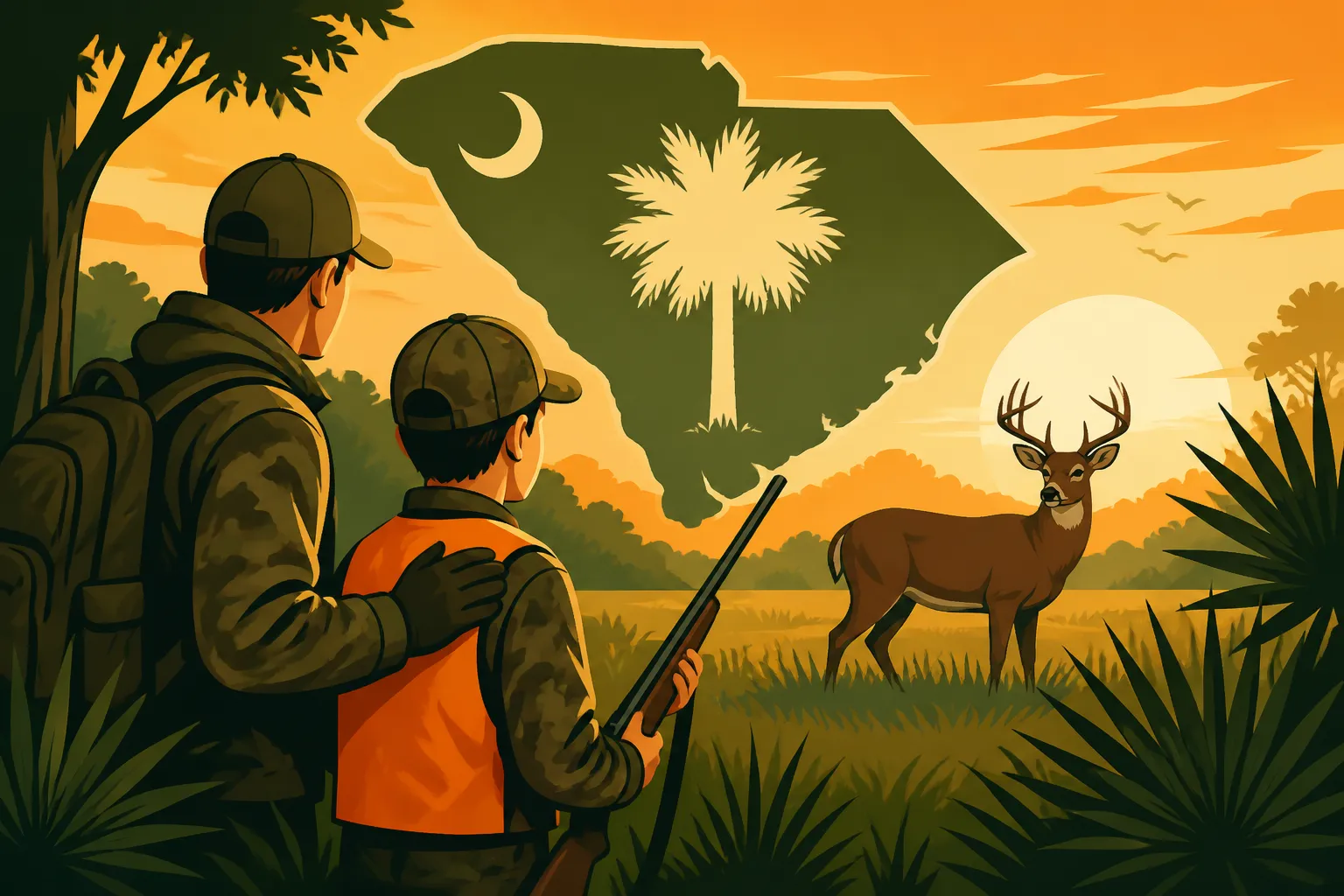
For many of us who grew up in the woods, those first few deer hunts with a parent, grandparent, or trusted friend are etched into our memories. Now, as we look to pass that rich tradition down to the next generation, making sure they have a positive, safe, and engaging introduction to deer hunting is paramount. South Carolina's Youth Deer Hunt Day is an incredible opportunity designed specifically for this, offering young hunters a dedicated window to experience the thrill of the hunt.
What is the South Carolina Youth Deer Hunt Day?
The South Carolina Youth Deer Hunt Day is a highly anticipated annual event specifically created to give young hunters a special opportunity to pursue deer. It’s not just about harvesting an animal; it’s about fostering a love for the outdoors, teaching responsible hunting practices, and strengthening bonds between mentors and youth. This day is a fantastic way to introduce new blood to the hunting community in a controlled and supportive environment.
The Purpose Behind This Special Hunting Opportunity
The primary goal of the Youth Deer Hunt Day, orchestrated by the South Carolina Department of Natural Resources (SCDNR), is to promote hunter recruitment and retention, particularly among younger generations. In a world increasingly disconnected from nature, providing a focused, less-pressured hunting experience for kids is crucial. By setting aside a dedicated day, often before the general firearm season kicks off in earnest, it allows youth hunters and their mentors to have the woods largely to themselves. This significantly reduces competition and the potential for crowding, which can often be a major deterrent for new hunters. It’s also a powerful tool for teaching conservation, wildlife management, and the ethical responsibilities that come with hunting.
For parents or guardians looking to get their kids into hunting, understanding the broader context of South Carolina Deer Season Structure Explained can help you plan even beyond this special day. The SCDNR recognizes that the future of hunting depends on these younger participants, and initiatives like this day are vital in ensuring the tradition continues. It’s a chance to make that first deer hunt truly special, focusing on the experience rather than the immediate pressure of a crowded season.
Eligibility Requirements for Youth and Mentors
To participate in the South Carolina Youth Deer Hunt Day, there are specific age and licensing requirements for both the young hunter and their accompanying mentor. Typically, the youth must be 17 years of age or younger. The rules surrounding licenses for youth are straightforward but important to follow. Generally, youth aged 16 and younger are not required to have a hunting license or big game permit to hunt on this special day. However, it's always a good idea to confirm the most current regulations directly with the SCDNR, as rules can occasionally be updated.
For youth aged 10-15 who do not hold a hunter education certificate, they are still eligible to hunt under the state’s South Carolina Apprentice Hunter License Rules program. This means they must be accompanied by a licensed adult mentor, who is at least 21 years old and holds a valid South Carolina hunting license. This mentor must remain within arm's length of the youth at all times. If the youth is 16 or 17, they typically need to possess a valid hunting license and a big game permit, unless they are covered under specific exceptions. The mentor’s role is critical, providing direct supervision and guidance, ensuring safety and adherence to all regulations. The opportunity to hunt for free without a license for younger participants significantly lowers the barrier to entry, making it more accessible for families who might be hesitant about the initial investment in licenses and permits.
Navigating the Specific Rules for Youth Deer Hunting
While the Youth Deer Hunt Day is designed to be accessible, it still operates within a framework of important rules and regulations to ensure safety, ethical hunting, and proper management of the deer population. Understanding these specifics is key to having a smooth and successful outing.
Key Regulations for Youth Hunters
On the Youth Deer Hunt Day, all legal hunting methods for deer are typically allowed, including firearms, archery equipment, and crossbows. This flexibility allows mentors to choose the method that best suits the youth's skill level and comfort. However, specific bag limits still apply. Youth hunters are generally allowed to harvest one antlered deer and one antlerless deer on this day, as long as it aligns with the overall South Carolina Statewide Antlered Bag Limit and antlerless limits. It's crucial to check the current year's regulations for any specific changes or restrictions on weapon types or bag limits.
Safety is paramount, and South Carolina's South Carolina Blaze Orange Requirements apply to all participants. This means that youth hunters and their mentors must wear outer garments above the waist with at least 500 square inches of solid visible international orange, or a camo pattern with at least 50% orange. This ensures maximum visibility to other hunters in the woods, even on a day with reduced pressure. Following these safety guidelines is not just about compliance, but about instilling a culture of safety from the very first hunt. Also, always remember the importance of South Carolina Hunter Education Requirements – even if not required for younger kids on this specific day, it's invaluable training.
Mentor Responsibilities and Guidelines
The mentor's role during the Youth Deer Hunt Day extends far beyond just supervision; it's about education and leadership. A mentor must be at least 21 years old and hold a valid South Carolina hunting license and big game permit. They are responsible for ensuring the youth understands and follows all hunting laws and safety protocols. This includes explaining ethical shot placement, proper weapon handling, and the importance of respecting wildlife.
One crucial aspect of the mentor's responsibility is ensuring constant, direct supervision. Depending on the youth's age and whether they possess a hunter education certificate, the mentor might need to be within arm's length or in immediate physical control of the weapon. For example, if a young hunter is using a firearm, the mentor must ensure the firearm is handled safely at all times, especially when moving or in the stand. They also need to ensure the youth understands target identification and what a safe backdrop looks like.
For mentors, choosing the right spot to hunt is critical. Utilizing tools like the GoHunt app can be immensely helpful for Scouting South Carolina Public Land Before Season or even private land. The mapping features on GoHunt allow you to identify potential deer travel corridors, feeding areas, and bedding sites, which can significantly increase the chances of a successful and engaging hunt for your mentee. Furthermore, being prepared with a First Aid Kits for Remote Swamp Ground is always a wise decision, as accidents can happen even with the best precautions.
Crafting a Memorable and Successful Youth Hunting Experience
A successful Youth Deer Hunt Day isn't solely defined by harvesting a deer. It's about creating positive memories, building confidence, and fostering a deep appreciation for the outdoors. Thoughtful planning and an adaptable approach are crucial for achieving this.
Pre-Hunt Scouting and Stand Selection
Effective pre-season scouting is fundamental, especially when hunting with youth. Deer movement patterns, preferred food sources, and bedding areas will be key. Look for fresh tracks, rub lines, and scat. In areas like the Francis Marion National Forest or Sumter National Forest, scouting can reveal productive oak ridges or creek bottoms. Using digital mapping tools, such as the layers available on the GoHunt app, can help identify potential stand locations, property boundaries, and access points. These tools are invaluable for visualizing the terrain and planning entry and exit routes without disturbing the area.
When it comes to stand selection, comfort and safety are paramount. For younger hunters, a ground blind is often an ideal choice. It offers shelter from the elements, provides more room to move around, and allows for easier communication and instruction without fear of detection. Learning Using a Ground Blind on South Carolina Public Land can significantly improve the experience. If opting for a treestand, ensure it's a two-person stand rated for the combined weight, and always use full-body harnesses and lifelines. Position the stand to offer easier, closer shots to minimize the chance of a missed shot and maximize the youth's confidence. Remember, short attention spans are common, so finding a spot with consistent deer activity or visible squirrel and bird movement can keep them engaged.
Gear, Comfort, and Engagement Strategies
Hunting South Carolina, especially during the early deer season, often means dealing with warm weather. Lightweight, breathable clothing is a must. Don't forget bug repellent, as mosquitoes and gnats can quickly ruin a child's enthusiasm. Consider bringing a small backpack with snacks, drinks, and maybe even a book or small, quiet game for lulls in activity. The goal is to make the experience enjoyable, not an endurance test.
Choosing the right weapon for a youth hunter is also critical. For firearms, opt for a caliber with manageable recoil, such as a .243 or 6.5 Creedmoor, and ensure the firearm fits the youth properly. Adjustable stocks can make a world of difference. For archery, focus on a comfortable draw weight and proper form. A crossbow can be an excellent choice for youth as it removes the need for draw strength and allows the hunter to hold at full draw. Checking Crossbow Rules During South Carolina Archery Season is important to ensure compliance.
Beyond the gear, focus on engaging the youth. Point out different bird calls, identify tree species, or explain deer behavior. Share stories of your own hunting experiences, both successes and failures. These moments of connection and learning are often what children remember most, not just the harvest itself. Think about how you're teaching them about Hunting the Rut in the Coastal Zones or even Hunting Coastal Rice Field Edges if you're in that part of the state.
Beyond the Harvest: Making the Most of the Experience
The experience of the South Carolina Youth Deer Hunt Day extends far beyond the moment of a shot. It's about the entire journey, from preparation to post-harvest activities, and the lasting lessons instilled.
Processing and Reporting the Harvest
Should your young hunter be successful in harvesting a deer, the next steps are crucial for reinforcing responsible hunting practices. First, address the immediate task of field dressing the animal. Given that the Youth Deer Hunt Day often occurs when temperatures can still be quite warm, learning Field Dressing a Deer in Warm Weather is an essential skill. Teach them the proper techniques, the importance of cooling the meat quickly, and how to treat the animal with respect. This is also a perfect opportunity to talk about meat yield and the practical aspect of providing food for the family. Having appropriate Coolers and Game Bags for a South Carolina August is indispensable for preserving the meat quality.
Once the deer is recovered, reporting the harvest through the SCDNR's Game Check system is mandatory. This process is straightforward and can often be done via phone or online. Guiding your youth through South Carolina Deer Reporting Requirements teaches them civic responsibility and reinforces the importance of data collection for wildlife management. This data helps the SCDNR monitor deer populations and make informed decisions about future hunting seasons and limits.
Fostering a Lifelong Love for Hunting
The Youth Deer Hunt Day is just the beginning of a potential lifelong passion for hunting and the outdoors. After the hunt, take time to reflect on the experience with your young hunter. Talk about what went well, what could have been done differently, and what they enjoyed most. It's not just about the kill; it's about the entire adventure, the sights, sounds, and smells of the South Carolina woods.
Encourage their curiosity about other game animals, perhaps by exploring Squirrel and Small Game Hunting in South Carolina later in the year. Introduce them to the principles of wildlife conservation, emphasizing that hunters are often the most dedicated conservationists. Read up on South Carolina's CWD Surveillance Program to explain how hunters help keep the herd healthy. This day should be framed as a gateway to many more outdoor adventures, instilling values of patience, perseverance, and respect for nature that will serve them well throughout their lives, whether they continue hunting or not. The goal is to nurture a responsible, ethical outdoors enthusiast who values the wild places and creatures of South Carolina.
Important Disclaimer
Always check the current South Carolina Department of Natural Resources (SCDNR) regulations and seasons before planning any hunt. Hunting laws and dates can change annually. This guide provides general information and recommendations but is not a substitute for official SCDNR publications. Safety should always be your top priority in the field.