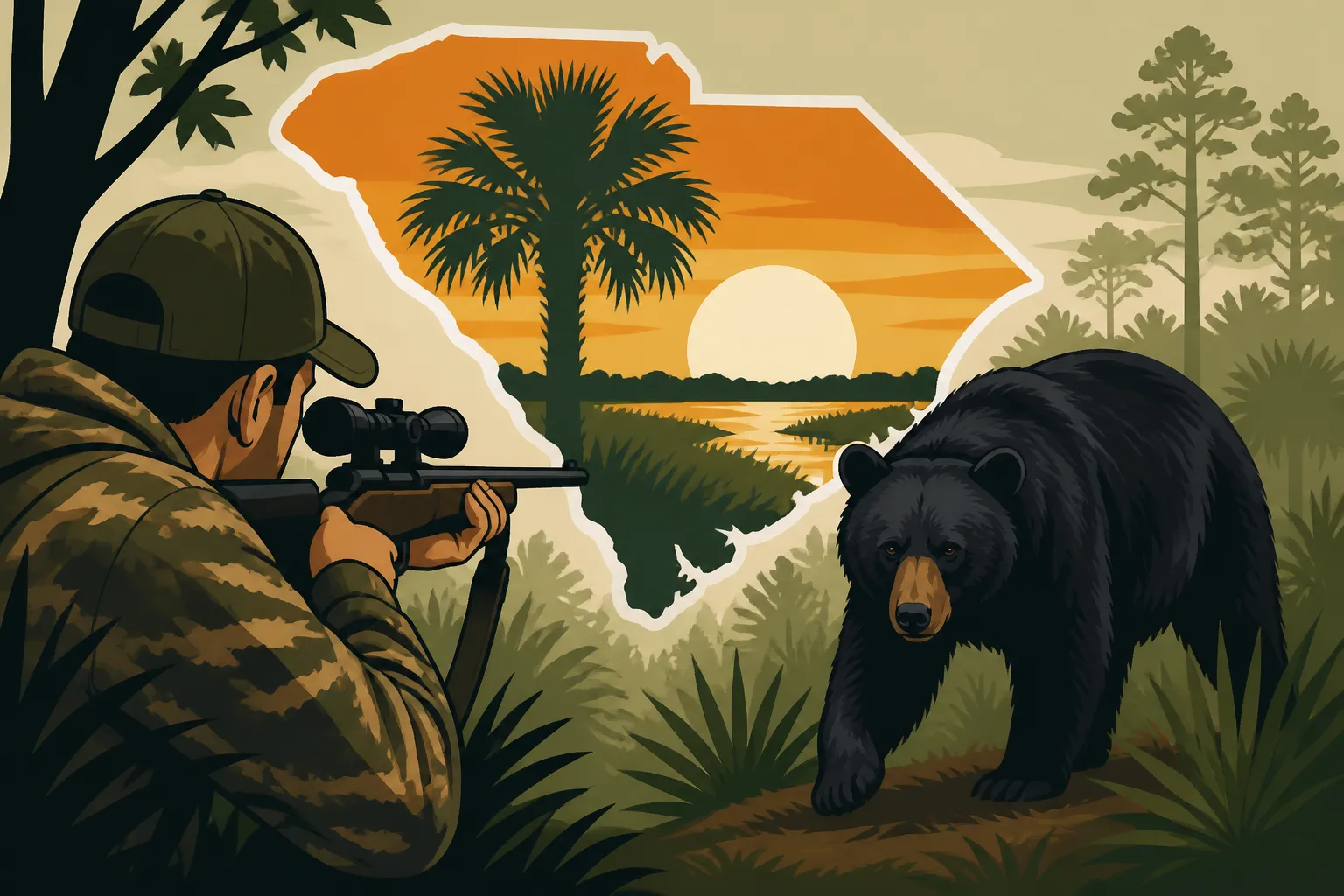
Hunting Zone 1 Still-Gun Bear Season
Hunting black bear in South Carolina's Upstate mountains, specifically during the Zone 1 still-gun season, can be a uniquely challenging and incredibly rewarding endeavor. Many hunters feel overwhelmed by the sheer scale of the Sumter National Forest and the elusive nature of these powerful animals, often struggling to locate consistent bear sign or adapt their deer hunting strategies to a quarry that behaves entirely differently. This comprehensive guide is designed to demystify the still-gun bear season in Zone 1, equipping you with the knowledge, tactics, and mindset needed to confidently pursue a South Carolina black bear.
Understanding South Carolina's Zone 1 Still-Gun Bear Season
The Palmetto State offers two distinct black bear hunting zones, and Zone 1, encompassing the mountainous regions of Oconee, Pickens, and portions of Greenville counties, presents a unique challenge for still-gun hunters. Unlike other bear hunting methods, still-gun hunting relies on a keen understanding of bear behavior and habitat, coupled with meticulous scouting and patient execution.
Dates and Specific Regulations for Still-Gun Hunting
The South Carolina Department of Natural Resources (SCDNR) sets specific, often short, seasons for bear hunting in Zone 1. It's not a long, drawn-out affair like deer season; it’s a focused window where hunters have the opportunity to pursue bears without the aid of dogs. Historically, the still-gun season for Zone 1 falls in mid-to-late October, typically lasting only a few days. This brief window means preparation is paramount, as you won't have weeks to adapt your strategy. Always consult the most current SCDNR regulations booklet or their website for the precise South Carolina Zone 1 Bear Still-Gun Dates before planning your hunt.
It's also crucial to remember that this is a primitive weapons or still-gun season, meaning dog drives are not permitted. This distinction significantly changes the hunting approach, requiring more emphasis on observation, stealth, and predicting bear movement patterns rather than pushing them with a pack of hounds. You'll need to purchase a bear tag in addition to your regular hunting license and big game permit, and there's a statewide bag limit, often just one bear per hunter per year. Ensuring you understand these specific rules is your first step toward a legal and successful hunt.
Bear Behavior and Habitat in the Upstate Mountains
South Carolina's Upstate mountains, particularly within the Sumter National Forest, provide excellent habitat for black bears. These bears are predominantly forest-dwelling animals, thriving in the dense hardwood forests, rhododendron thickets, and steep drainages characteristic of the Blue Ridge Escarpment. Their movements are heavily influenced by food availability, making mast crops—like acorns, hickory nuts, and various berries—their primary draw in the fall. Understanding Where Upstate Mountain Bears Range involves recognizing these preferred food sources and the terrain features that funnel bear movement.
During the still-gun season, bears are actively foraging to pack on fat reserves for the upcoming winter denning period. This means they're often focused on hard mast on oak ridges or in creek bottoms where these trees are prevalent. They'll also frequent areas with soft mast, such as grapes or wild persimmons, if available. Their daily routine often involves feeding during cooler parts of the day, bedding down in thick cover during warmer hours, and traveling between these areas via established trails, old logging roads, or along ridgelines. Their excellent sense of smell and hearing means they are incredibly wary, and their presence can be subtle, requiring hunters to be exceptionally observant.
Public Versus Private Land Opportunities
For many hunters, the vast tracts of public land within the Andrew Pickens Ranger District of the Sumter National Forest offer the most accessible opportunities for Andrew Pickens Ranger District Bear Hunting. This district is well-known for its rugged terrain and significant bear population. However, hunting public land comes with its own set of challenges, primarily increased pressure from other hunters. To succeed, you often need to be willing to hike further, delve into harder-to-reach areas, and use tools like the GoHunt app to identify secluded pockets.
Private land opportunities, while scarcer, can offer less pressured hunting. If you're fortunate enough to gain access to private timberland or large farms bordering the national forest, you might find more predictable bear patterns, as these areas often have diverse food sources and less human disturbance. Securing such access usually involves networking, asking permission, or joining hunting clubs. Regardless of where you hunt, respecting land boundaries and local regulations, whether on federal or private property, is paramount. Always confirm access and any specific rules for the property you intend to hunt.
Scouting for Prime Still-Gun Bear Locations
Successful still-gun bear hunting is largely won or lost before you even step foot in the woods with your rifle. Meticulous scouting is the bedrock of this method, allowing you to pinpoint active bear areas and plan your approach. You can't just wander aimlessly and expect to run into a bear; you need to know where they are, what they're eating, and how they're moving.
Identifying Key Food Sources and Seasonal Changes
As bears are driven by their stomachs in the fall, understanding their diet is critical. The primary food source in the Upstate mountains during October is hard mast, particularly acorns from various oak species. White oaks are often preferred early in the season due to their lower tannin content, but bears will switch to red oak acorns as the season progresses and other mast is depleted. Identifying productive oak ridges or bottomland areas laden with acorns is paramount. Don't overlook other mast sources like hickory nuts, beech nuts (if present), or even wild grapes and persimmons.
Scouting isn't a one-and-done affair. Food sources change and disappear throughout the fall. What was a hot spot a week before opening day might be cleaned out by bears, squirrels, and deer by the time you hunt. This means you need to be adaptive and continue scouting right up until your hunt, especially during the short Zone 1 season. If you're facing Hunting After a Poor Acorn Year, bears might be more spread out, relying on alternative food sources, or moving more, making scouting even more challenging but also more rewarding when you find a concentrated area.
Reading Bear Sign: Tracks, Scat, and Rubs
Bears leave a wealth of clues about their presence, but you need to know what to look for. Tracks are a clear indicator, and you can differentiate bear tracks from deer or hog tracks by their size and the presence of five toes and claws. Fresh tracks in soft dirt or mud, especially leading to or from a food source, are gold. Pay attention to the direction of travel and the size of the prints, which can give you an idea of the bear's size.
Scat is another excellent indicator. Bear droppings vary widely depending on their diet. In the fall, you'll often find scat full of acorn caps and nut fragments. Look for fresh, moist scat to indicate recent activity. The volume of scat can also give you an idea of how much time bears are spending in an area. Lastly, look for bear rubs on trees, often saplings or small pines, where bears will rub their fur or scratch. These rubs can be at various heights, sometimes quite high on the tree, and are often located along travel corridors. Claw marks on trees, especially older ones, are also signs of climbing activity, often for feeding or simply navigating terrain. The more fresh sign you find, the higher your chances of success.
Leveraging Technology for Effective Scouting
In today's hunting world, technology can significantly enhance your scouting efforts, especially in the rugged and expansive terrain of Zone 1. Satellite imagery and topographic maps, available through platforms like onX Hunt or the GoHunt app, are invaluable. These tools allow you to study terrain features from your home: identify ridgelines, drainages, potential bedding areas (often dense, inaccessible thickets), and likely travel corridors. You can mark potential food sources and plan your approach and exit routes, which is crucial for minimizing disturbance.
Using onX Layers for South Carolina Land Status can help you differentiate between public and private land, preventing accidental trespass, and identifying those hard-to-reach pockets of public land that might see less pressure. Some advanced hunters even use trail cameras to monitor active food sources, though placement in remote bear country can be a logistical challenge and requires adherence to WMA regulations. The Go Outdoors SC App can also provide valuable information on WMA boundaries and regulations, so be sure to integrate it into your scouting toolkit. These digital tools, when combined with boots-on-the-ground recon, create a powerful scouting advantage.
Effective Still-Hunting and Ambush Tactics
Once you've done your homework and found an area with promising bear sign, it's time to put your hunting skills to the test. Still-gun bear hunting demands patience, stealth, and a strategic mindset. You're not calling them in like a turkey or sitting over a bait pile; you're inserting yourself into their world and hoping to intercept them.
Strategic Stand Placement and Entry/Exit Routes
For still-gun hunting, whether you choose to sit in a tree stand or a ground blind, strategic placement is everything. You need to position yourself in a way that offers clear shooting lanes over a suspected travel corridor or feeding area, while simultaneously remaining concealed. Look for natural funnels like saddles between ridges, creek crossings, or pinch points where thick cover meets a more open hardwood bottom. Bears are creatures of habit, and they will often use the easiest path between bedding and feeding.
Consider the wind direction, which is paramount when hunting bears due to their incredible sense of smell. Always set up downwind of where you expect the bear to come from. Your entry and exit routes are just as important. Plan a path that is quiet, uses natural cover, and avoids blowing your scent into the hunting area before you even settle in. A poorly planned entry can spook any animals in the vicinity, ruining your hunt before it begins. A good rule of thumb is to approach from a direction that puts the wind in your face as you walk in, carrying your scent away from the area you intend to hunt.
Mastering the Art of Stalking in Dense Cover
While ambush hunting from a stand is effective, truly still-hunting a bear in Zone 1 involves slow, deliberate stalking through their habitat. This is where the term "still-gun" really shines. It means moving incredibly slowly, pausing frequently, and observing your surroundings meticulously. Think in terms of steps per minute, not yards per minute. Take one or two steps, then stop for several minutes, scanning every shadow and listening intently for any sounds. Bears are masters of camouflage, and they can seemingly appear out of nowhere.
Focus on moving silently. Avoid snapping twigs or rustling leaves. Use the terrain to your advantage, stalking into the wind and utilizing draws and rises for concealment. Pay close attention to changes in elevation, as bears will often travel just below a ridge line or within thick creek bottoms, where they feel secure. This method requires immense patience and keen observational skills, but it can be incredibly productive for Spot-and-Stalk Tactics for Upstate Bears who are feeding actively. Always be ready for a shot, as opportunities can present themselves quickly and disappear just as fast.
Using Calls and Scent Control in Bear Country
While bear calling is less common for still-gun hunting than for some other species, it can sometimes be a tool in your arsenal. Some hunters find success with distress calls, mimicking a wounded animal, which can pique a bear's curiosity. However, bears are smart, and over-calling or using a call incorrectly can also spook them. It’s a nuanced tactic, and often silence and stealth are more effective. Experiment with caution, perhaps focusing on soft grunts or cub distress sounds if you do decide to use calls.
Scent control, on the other hand, is non-negotiable. Bears have an olfactory sense far superior to deer, and if they catch your scent, your hunt is effectively over. Employ a full scent control regimen: shower with scent-free soap, wash hunting clothes in scent-free detergent, and store them in airtight bags. Use scent-reducing sprays on your clothing and gear before heading into the woods. While you can never completely eliminate human odor, minimizing it as much as possible, combined with hunting into the wind, drastically improves your chances of getting close enough for a shot. Don't forget to consider thermals, especially in the mountains, which can carry your scent up or down a hillside as temperatures change.
Essential Gear for Zone 1 Still-Gun Bear Hunters
Hunting black bears in the rugged terrain of Zone 1 demands reliable gear. This isn't the place to skimp; your equipment needs to be up to the task of ethical harvesting, navigating challenging landscapes, and ensuring your safety.
Rifle and Ammunition Selection for Bears
For still-gun bear hunting in Zone 1, you need a rifle and ammunition combination that delivers sufficient energy and penetration for a clean, ethical kill. Bears are stout animals with heavy bones and dense muscle, especially across the shoulders. While many popular deer calibers can suffice, choosing something with a bit more punch provides added confidence. Common recommendations include cartridges like .30-06 Springfield, .308 Winchester, .270 Winchester, or even larger magnums if you're comfortable with them. The key is shot placement and using an appropriate bullet.
Bullet construction is arguably more important than caliber within reasonable limits. Opt for premium, heavy-for-caliber, controlled-expansion bullets designed for large game. Examples include Nosler AccuBond, Barnes TSX, Hornady InterBond, or similar. These bullets retain their weight and penetrate deeply, increasing the likelihood of passing through vital organs. Practice extensively with your chosen load to ensure accuracy. Understand your rifle's capabilities and your own limitations, as range in the thick mountain woods can be surprisingly short, often within 100 yards, sometimes even closer. For a deeper dive into choices, check out our guide on Rifle Calibers for South Carolina Bear.
Optics, Navigation, and Communication Tools
Effective optics are crucial for spotting bears in dense cover and low light. A good pair of binoculars (8×42 or 10×42 are excellent choices) will help you pick apart distant shadows and scan thickets. A rangefinder is also invaluable for quickly determining distances, especially when hunting in varied terrain where judging yardage can be tricky. Even if you anticipate close shots, knowing the exact range eliminates guesswork.
For navigation, a reliable GPS unit or a smartphone with a robust hunting app like GoHunt or onX Hunt is essential. These tools allow you to mark your stand locations, track your movement, and navigate back to your vehicle, especially when you're deep in the national forest. Download offline maps, as cell service can be spotty or non-existent in many remote areas. Additionally, carrying a fully charged power bank for your phone is a smart move. For safety and coordination, especially if hunting with a partner, two-way radios are highly recommended as they don't rely on cellular networks. This ensures that you can communicate effectively, whether you're coordinating a slow push or simply checking in.
Clothing, Hydration, and Safety Essentials
Layering is key for hunting in the Upstate mountains, as temperatures can fluctuate wildly throughout the day, particularly in October. Start with a moisture-wicking base layer, add insulating layers, and top it with a quiet, durable, weather-resistant outer shell in camouflage. Blaze orange is required on public land during still-gun season, so ensure you have adequate blaze orange coverage (often a vest or hat, but check specific regulations). Durable hiking boots with good ankle support are a must for navigating steep and uneven terrain. You might also consider snake boots, as copperheads and rattlesnakes can still be active in the fall, even in higher elevations. While the guide on Snake Boots for South Carolina Swamp Ground focuses on the lowcountry, the principle of protection remains sound for the mountains.
Hydration is critical, even in cooler weather, so carry plenty of water. Pack a quality first-aid kit that includes essentials for cuts, blisters, and any personal medications. Given that you're hunting bears, carrying bear spray is a prudent safety measure, especially if you anticipate close encounters or are tracking a wounded animal. While encounters are rare, having a non-lethal deterrent provides peace of mind. Finally, a headlamp with extra batteries is invaluable for early morning entries and late evening exits. For a comprehensive overview, our guide on Bear Hunting Gear in the Upstate Mountains offers even more detail.
Post-Shot Procedures and Regulatory Compliance
Successfully harvesting a bear is a significant accomplishment, but the work isn't over when the shot breaks. Ethical recovery, proper meat care, and strict adherence to reporting requirements are crucial responsibilities of every bear hunter.
Tracking and Recovering Your Bear Ethically
After the shot, patience is paramount. Unlike deer, bears are incredibly tough animals and can travel a surprising distance, even with a lethal hit. If you're confident in your shot placement, give the bear at least 30 minutes, or even an hour, especially if the shot wasn't perfect. If you're unsure, or suspect a marginal hit, wait several hours, or even until morning if the shot was late in the day and conditions allow. This allows the bear to expire and prevents pushing a wounded animal deeper into dense cover. Our guide on Blood Trailing After Dark in South Carolina offers useful advice that applies equally to bears, though the challenges are amplified by their size and the terrain.
Begin tracking slowly and meticulously. Look for blood, broken branches, disturbed leaves, and tracks. Bears often leave a more significant blood trail than deer due to their size, but thick brush can wipe trails clean. Mark your last known blood or sign with flagging tape every few yards, especially if tracking alone. If the trail runs cold, expand your search in concentric circles. If you have a partner, spread out and grid search. Be prepared for a challenging recovery in steep, thick terrain. If you feel uncomfortable or outmatched, consider reaching out to the SCDNR or experienced local hunters for assistance.
Field Dressing and Proper Meat Care in the Field
Once you've recovered your bear, quick and efficient field dressing is vital, particularly in South Carolina's often mild October temperatures. Bear meat, when properly cared for, is excellent table fare, but it can spoil quickly if not cooled. Get the guts out as soon as possible to allow the carcass to cool internally. If you're deep in the woods, consider quartering the bear in the field. This makes extraction significantly easier than trying to drag out a whole bear, which can weigh several hundred pounds.
Skinning the bear can also help with cooling, but be mindful that the hide is also a valuable trophy. If you plan to mount the bear, understand how to make the correct cuts for a taxidermist. Our detailed guide on Handling a Bear After the Shot provides a great overview of these critical steps. Once field dressed or quartered, get the meat into game bags to protect it from dirt and insects, and transport it out of the woods as quickly as possible. Have coolers with ice ready at your vehicle to immediately begin the cooling process. Proper cooling is the key to preserving the quality of the meat.
Mandatory Reporting and Checking Requirements
South Carolina has specific regulations regarding the reporting and checking of harvested bears. It is mandatory to report your bear harvest to the SCDNR. Typically, this is done through the Game Check system, either online or via the Go Outdoors SC app, within 24 hours of harvest. You'll need to provide information such as the date of harvest, county, zone, and gender of the bear. The bear tag must be attached to the carcass immediately after harvest.
The SCDNR also has a mandatory check station system for bears. This means you must take your harvested bear to a designated SCDNR check station, usually within the bear's harvest zone, within a specific timeframe after reporting. At the check station, SCDNR staff will collect biological data, such as tooth samples for aging and measurements, to help with population management. This data is critical for monitoring the health and dynamics of South Carolina's Black Bear Population. Failing to comply with these South Carolina Bear Checking Requirements can result in penalties, so always be sure to understand and follow them precisely.
Navigating Common Challenges of Upstate Bear Hunting
Zone 1 still-gun bear hunting is not for the faint of heart. It presents a unique set of challenges that can test a hunter's resolve and skill. Being prepared for these obstacles is key to success and an enjoyable experience.
Overcoming Dense Terrain and Limited Visibility
The Upstate mountains are beautiful but unforgiving. The terrain can be incredibly steep and rugged, with deep ravines, dense rhododendron thickets, and large boulder fields. This makes moving quietly and efficiently a real challenge. Furthermore, the thick canopy and undergrowth can severely limit visibility, often restricting shot opportunities to very short ranges. This is why scouting is so vital; you need to identify those natural openings and travel corridors where you might actually get a clear look.
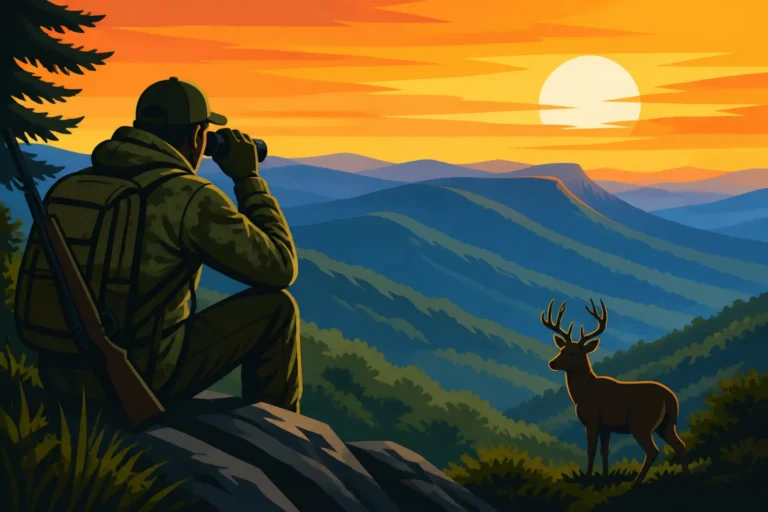
Patience is your biggest asset here. Don't rush. Take your time, move slowly, and pause often to scan for movement or any tell-tale signs of a bear. Use your binoculars constantly to pick apart shadows and identify shapes. Sometimes, just sitting still for an extended period in a good location can be more productive than trying to stalk through impenetrable cover. Learn to use the terrain to your advantage for both concealment and better visibility, such as positioning yourself on a bench or a slight rise overlooking a feeding area or natural pinch point.
Managing Incidental Encounters with Other Game
When you're still-hunting in the national forest, you're not just encountering bears. You're in prime deer, turkey, and small game habitat too. It's common to have deer or turkeys walk past your stand or cross your path while stalking. While these encounters can be exciting, they can also alert any nearby bears to your presence if you're not careful. A deer snorting or turkeys putting can quickly ruin a carefully planned bear approach.
The key is to minimize your disturbance. Move slowly and quietly regardless of what game you encounter. If a deer busts you, freeze and let it leave the area without drawing further attention. Try not to let these incidental encounters distract you from your primary goal. Maintain focus on bear sign, listen for sounds specific to bears, and remember that any animal that detects you could potentially spook a bear that was moving in your direction.
Adapting to Variable Mountain Weather Conditions
Mountain weather is notoriously unpredictable. A crisp, cool morning can quickly turn into a warm, humid afternoon, or a clear sky can give way to a sudden rain shower. These shifts can significantly impact bear movement and your comfort. Bears often move more actively during cooler periods, and a cold front can sometimes spur increased feeding activity. Conversely, very warm days might make them more nocturnal or send them into dense bedding cover earlier.
Be prepared for anything. Pack rain gear, even if the forecast looks clear. Dress in layers that you can easily add or shed to regulate your body temperature. Pay attention to how changes in temperature affect thermals, as your scent can shift dramatically with rising and falling air. A sudden gust of wind can also carry your scent to a bear you didn't even know was there. Constant awareness of the weather and its effects on scent, visibility, and bear behavior is crucial for adapting your strategy on the fly.
Zone 1 Bear Still-Gun Season at a Glance
| Aspect | Description |
|---|---|
| Zone | Zone 1 (Oconee, Pickens, and portions of Greenville counties) |
| Season Type | Still-Gun (Primitive Weapons and Modern Firearms) |
| Typical Dates | Mid-to-Late October (Always verify current SCDNR regulations for exact dates, as the season is often very short, usually just a few days) |
| Method | No dogs allowed. Focus on scouting, stand hunting, and slow stalking. |
| Primary Habitat | Dense hardwood forests, rhododendron thickets, steep drainages of the Blue Ridge Escarpment, Sumter National Forest. |
| Food Sources | Hard mast (acorns, hickory nuts), soft mast (berries, grapes, persimmons) – bears are actively foraging to build fat reserves. |
| Bag Limit | One bear per hunter per year statewide (verify specific limits each season). |
| Required Permits | South Carolina Hunting License, Big Game Permit, Bear Tag. |
| Reporting | Mandatory reporting via Game Check system within 24 hours; mandatory physical check at SCDNR station in Zone 1 within specified timeframe. |
| Challenges | Rugged terrain, dense cover, elusive animals, short season, variable mountain weather, high scent awareness of bears, potential for crowded public land. |
| Recommended Gear | Adequate caliber rifle (e.g., .30-06, .308), quality optics, rangefinder, GPS/mapping app (GoHunt, onX), scent control, layered clothing, rain gear, snake boots, first aid kit, bear spray, headlamp. |
Disclaimer
Please be aware that hunting regulations, seasons, and licensing requirements can change. Always consult the most current South Carolina Department of Natural Resources (SCDNR) regulations booklet or their official website before planning any hunting trip. This guide is for informational purposes only and does not supersede state laws or official regulations. It is the hunter's responsibility to know and follow all applicable laws.