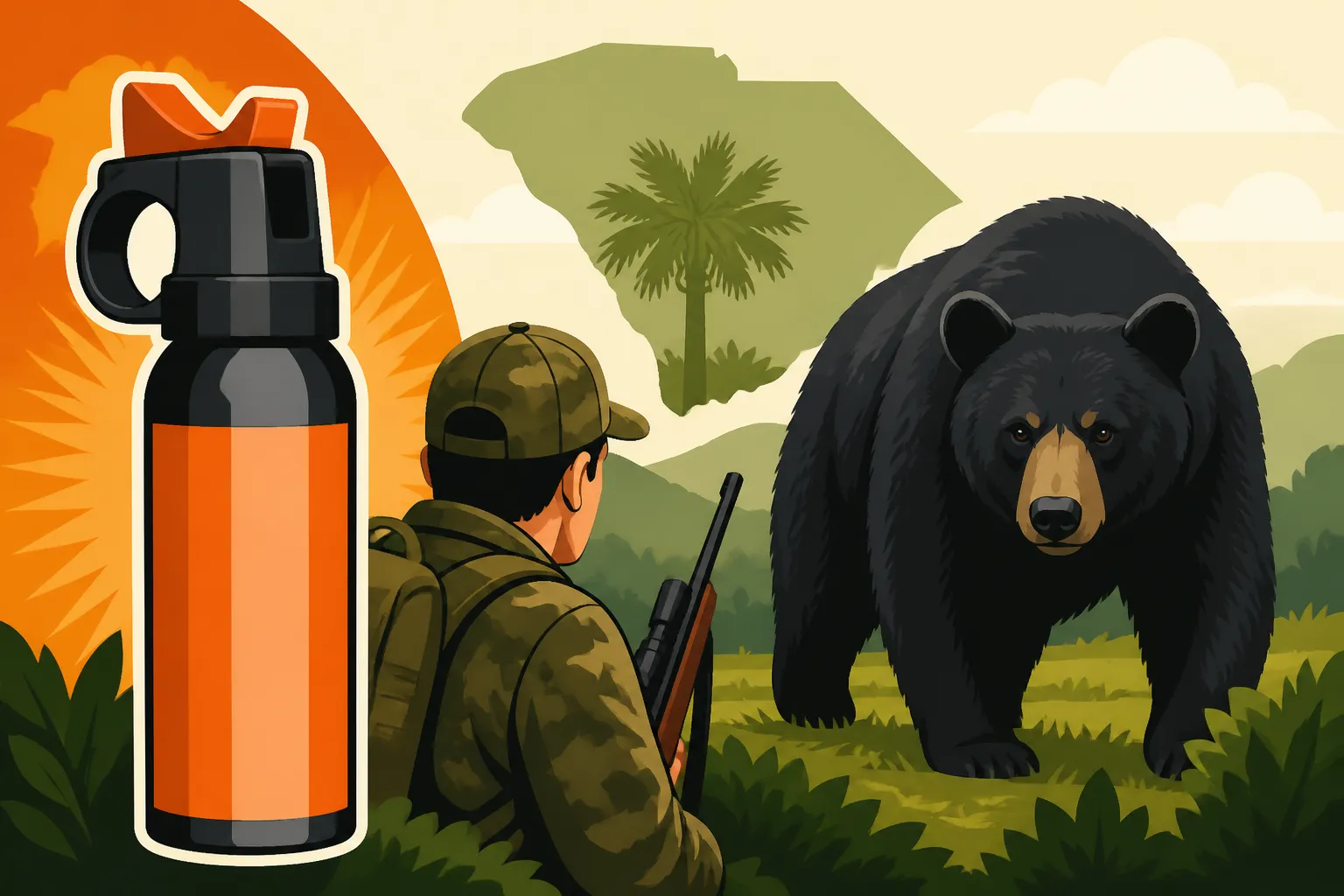
Bear Spray for Upstate Hunts
There’s nothing quite like the crisp air and rugged beauty of South Carolina’s Upstate mountains, especially when you’re out chasing deer or even trying your hand at bear hunting. But with the increasing number of black bears calling those mountains home, many hunters find themselves grappling with a new kind of worry: what if I have an unexpected close encounter? This guide isn't about fear-mongering; it's about being prepared. We'll dive into why bear spray is a smart piece of gear for your Upstate hunts, how to choose the right kind, and the best ways to carry and deploy it effectively and legally in South Carolina, helping you feel more confident and secure in the wild.
Why Bear Spray is Essential for South Carolina Upstate Hunters
For years, the thought of a bear encounter might have seemed like something out of a far-off wilderness, not necessarily right here in our beloved South Carolina mountains. But times are changing, and our bear population in the Upstate is thriving. This growth is fantastic for wildlife, but it also means hunters need to adjust their mindset and gear up accordingly. That unexpected rustle in the thick underbrush might not just be a deer.
The Reality of Bear Encounters in the Mountains
If you've spent any time in the Andrew Pickens Ranger District or other parts of the Sumter National Forest, you know how wild and remote those areas can feel. We're talking about dense rhododendron thickets, steep slopes, and areas where visibility can be limited to just a few yards. This is prime bear country, and encounters are becoming more common. It’s not just about seeing a bear from a distance; it’s about those sudden, close-quarter surprises.
Imagine still-hunting through a laurel slick, focusing on the deer sign, when suddenly you round a bend and there's a sow with cubs directly in front of you. Your heart leaps into your throat, your adrenaline spikes, and rational thought can be hard to come by. Sows with cubs, in particular, can be incredibly protective and defensive, even if they don't appear outwardly aggressive at first. They're just trying to protect their young, and you've inadvertently stumbled into their space. Even a non-aggressive bear, simply surprised by your presence, can react unpredictably. Hunters spend so much time trying to be quiet and stealthy that it's easy to accidentally sneak up on something you didn't intend to. The reality is, even a cautious hunter can find themselves in a tense situation, and that's where bear spray steps in as a critical piece of safety gear. For more on the bear population, check out How Many Black Bears South Carolina Has and Why the Upstate Holds the Most Bears.
Bear Spray Versus Firearms for Defense
This is a conversation many hunters have, and it’s an important one. We carry firearms for hunting, so why not rely on that for bear defense? There are a few compelling reasons why bear spray often proves to be a more effective and responsible choice for deterring an aggressive bear.
First, bear spray is specifically designed for deterrence. It creates a debilitating, temporary irritation of the bear's respiratory system and eyes, giving you time to retreat. A firearm, on the other hand, is designed to be lethal. In a high-stress, fast-moving bear encounter, making a precise, ethical shot with a firearm to stop a charge is incredibly difficult, even for experienced shooters. Often, a bear charging at 30+ miles per hour means you have mere seconds to react, and a poorly placed shot could wound the bear, escalating the danger for you and potentially creating a dangerous, wounded animal for others.
Furthermore, consider the legal and ethical implications. If you discharge a firearm at a bear in self-defense, there will be an investigation. Was it truly a defensive situation? Was the shot justified? With bear spray, the intent is clear: to deter, not to kill. It offers a non-lethal means of protection, preserving the bear's life while ensuring your safety. It reduces the risk of a fatal outcome for the animal and minimizes potential legal ramifications for the hunter, which is a relief when you're just trying to enjoy your time in the woods. Think of it as a tool that works with, not against, the conservation ethic we all share.
Choosing the Right Bear Spray and Carrying It Smartly
Once you've decided that bear spray is a must-have for your Upstate hunts, the next step is selecting the right product and, crucially, making sure it's always ready when you need it. This isn't a piece of gear you can just toss into your pack and forget about.
Key Features to Look For
Not all bear sprays are created equal, and understanding the key features will help you make an informed decision. The most important factor is the potency of the spray. Look for products that clearly state the percentage of capsaicin and related capsaicinoids (CRC). While specific percentages can vary slightly by brand, you want something robust enough to be effective. Generally, sprays with 1-2% CRC are considered effective for bears. Anything lower might not have the stopping power you need in a true emergency.
Next, consider the spray duration and range. How far will it spray, and for how long? A longer range (usually 25-35 feet) gives you more of a buffer zone, which is critical when a bear is closing the distance quickly. A longer duration means you can create a more sustained cloud of deterrent. You'll also notice different can sizes and dispersal patterns. Some sprays deliver a fog, others a more direct stream. A fog pattern is often preferred as it creates a wider barrier and is easier to aim under pressure. Be sure to check the expiration date! Bear spray does expire, and an expired can may not perform as intended. When researching options, platforms like GoHunt can be useful for comparing specifications and reading user reviews, helping you pinpoint a reliable product that suits the rugged conditions of the Andrew Pickens Ranger District Bear Hunting areas.
Proper Carry and Accessibility
This might be the single most critical aspect of bear spray usage. If you can't access it instantly, it's useless. I've heard countless stories of hunters who had bear spray in their pack, only to realize they couldn't get to it in time.
The only acceptable way to carry bear spray while hunting is in a readily accessible holster—either on your hip belt or, even better, on your chest harness. A chest holster keeps it front and center, clear of backpack straps and clothing, and allows for a quick, unobstructed draw with either hand. When you're navigating steep terrain, pushing through dense rhododendrons, or even sitting still in a stand, every second counts. Imagine trying to dig through your backpack when a bear is closing in. It’s simply not feasible.
Before you ever head into the woods, practice drawing your bear spray. If you can get a dummy can, even better. Familiarize yourself with how it feels to unclip it, grab it, and point it. You might even consider deploying an actual can in a safe, open area (away from people, pets, and homes, and downwind) just to understand the spray pattern and the force of the discharge. This isn't about wasting a can; it's about building muscle memory and confidence. That split-second hesitation could make all the difference. Remember, the goal is to have it as instinctively available as your calls or binoculars. This quick access is as vital as knowing your Bear Hunting Gear in the Upstate Mountains.
When and How to Deploy Bear Spray Effectively
Understanding bear behavior is key to knowing when to reach for your spray. Not every bear sighting requires deployment, but recognizing the signs of an escalating situation is paramount to your safety.
Understanding Bear Behavior and Warning Signs
First and foremost, making noise while hiking is always a good idea in bear country. Yell, sing, talk to yourself—anything to announce your presence. Most bears want nothing to do with humans and will avoid you if they know you're there. However, if you do encounter a bear, your reaction depends on its behavior.
A curious or non-aggressive bear might stand on its hind legs to get a better scent or view, or it might just casually move away. In these cases, you want to remain calm, speak in a low, authoritative voice, and slowly back away while facing the bear. Do not run; running can trigger a chase response.
The situation escalates when a bear exhibits defensive or predatory behavior. Defensive signs include swatting the ground, huffing, jaw popping, or doing "bluff charges" where they run at you but stop short. This is when you should prepare to use your spray. If a bear is focused on you, following you, or showing no signs of backing down, it's a serious situation. In the rare event of a predatory attack (a bear silently approaching, stalking you, or not responding to deterrence), you might need to fight back aggressively, but bear spray is your first line of defense against any charge. Awareness of potential Bear Encounters Around Upstate Cabins can also help in understanding bear habits.
Deployment Techniques and Wind Considerations
When it’s time to deploy, your goal is to create a debilitating wall of spray directly into the bear's face and eyes. As the bear closes in (ideally within 15-20 feet), aim for its head and shoulders, sweeping the can to create a cloud that it will run into. Don't just spray a single burst; aim to empty the can in a continuous stream.
Wind is an enormous factor. Always try to spray downwind or crosswind from the bear. If you spray into the wind, you'll likely incapacitate yourself more than the bear, a truly frustrating and dangerous scenario. If the wind is blowing strongly towards you, it might be safer to wait until the bear is very close, creating a shorter, more concentrated burst directly at its face. Practice drawing and aiming, even without spraying, so that when the moment comes, your movements are fluid and fast. Many experts talk about the "five-second rule" – if a bear charges from 40 yards, you literally have about five seconds to react before it's on you. You've got to be fast. After deployment, back away slowly, watching the bear's reaction. Do not turn your back and run until you are sure the threat has passed. This proactive approach is part of effective Spot-and-Stalk Tactics for Upstate Bears.
Legalities and Best Practices for South Carolina Hunts
Knowing the "how-to" is vital, but so is understanding the legal framework and integrating bear spray into a broader safety plan for your South Carolina hunting adventures.
South Carolina Regulations on Bear Spray
Fortunately for hunters looking to protect themselves, carrying and using bear spray for self-defense against aggressive wildlife is generally legal in South Carolina. It's considered a defensive tool, not a weapon in the traditional sense, and is regulated differently from firearms. However, it's always wise to ensure you're using a product specifically labeled as "bear spray" (which typically has a higher potency and larger spray pattern than standard pepper spray) and that you understand it's intended solely for deterring aggressive animals.
It's critical to emphasize that bear spray is for self-defense against wildlife—specifically bears. It is not to be used in altercations with other people or for nuisance animals that aren't posing a direct threat. Misusing bear spray can have serious legal consequences. While South Carolina generally supports self-defense, proper and responsible use is key. Always check the latest regulations before heading afield, though typically, bear spray is a widely accepted and encouraged safety measure in bear-dense areas like our Upstate mountains, especially when pursuing game like deer or exploring areas where you might find Hunting Bears Over Natural Mast in the Mountains.
Combining Bear Spray with Other Safety Measures
Bear spray is an excellent tool, but it's just one part of a comprehensive safety strategy. Think of it as another layer of protection, alongside your core hunting practices.
- Communicate Your Plans: Always let someone know where you're going, your planned route, and when you expect to return. This is crucial for any hunting trip, but especially when you're venturing into remote bear country.
- Situational Awareness: Don't get so tunnel-visioned on game that you forget to scan your surroundings. Look for fresh bear sign—tracks, scat, overturned rocks, or claw marks on trees. Even a faint smell can indicate a bear nearby.
- Carry a First-Aid Kit: Accidents happen, regardless of wildlife encounters. A well-stocked first-aid kit is essential for any hunter. See our guide on First Aid Kits for Remote Swamp Ground which has great crossover advice for the mountains too.
- Reliable Navigation: Whether it's a dedicated GPS unit or a mapping app on your phone (like GoHunt, which can work offline), know where you are and how to get out. An emergency beacon can also be a lifesaver if you find yourself in serious trouble. When heading out for Hunting South Carolina Black Bear Without Bait, good navigation is just as important as good scent control.
- Blaze Orange: While not always required for archery or primitive weapons, wearing blaze orange (or blaze pink) when rifle hunting in Zone 1 during still-gun season is mandatory and just plain smart. It helps prevent accidental shootings by other hunters, which, while different from bear encounters, is another significant safety concern in crowded areas. Be sure to understand South Carolina Blaze Orange Requirements.
- Secure Food and Attractants: If you're camping or leaving a stand for a period, secure any food, scented items, or game meat to prevent attracting bears. This goes for leftover sandwich wrappers in your pack too. A bear with a food reward can quickly become a problem bear.
By integrating bear spray with these common-sense safety measures, you're building a robust plan that significantly enhances your personal security and allows you to focus on the hunt itself, rather than constantly looking over your shoulder.
| Feature | Bear Spray | Firearm (for defense) |
|---|---|---|
| Primary Intent | Deter, disable temporarily, allow escape | Lethal force, incapacitate permanently |
| Effectiveness | High, for deterrent against charging bears | High, if precise vital shot made under extreme pressure |
| Ease of Use | Point and spray, less precision needed | Requires high precision, even under duress |
| Skill Required | Minimal practice for deployment | Extensive practice for accurate, high-stress shooting |
| Ethical Outcome | Non-lethal, preserves wildlife | Lethal, often ends bear's life |
| Legal Aftermath | Generally less severe, self-defense | Often involves detailed investigation, potential charges |
| Range | 15-35 feet, creates a cloud | Varies by caliber, precise aiming needed |
| Risk to User | Wind can blow spray back onto user | Risk of missing, wounding bear, or ricochet |
Disclaimer
This article is for general informational purposes only and does not constitute professional advice. Laws, prices and regulations vary by location and change over time. Consult a qualified professional for guidance on your specific situation.