Upland Vests With Water Capacity
There's nothing quite like the thrill of chasing quail across a longleaf pine savanna or busting through fencerows for rabbits here in South Carolina. But anyone who has spent a warm October afternoon or even a crisp late-season morning in our fields knows the challenge of staying hydrated and comfortable. Carrying enough water, while also juggling shells, birds, and sometimes even a dog, can feel like an impossible feat. This guide will walk you through the world of upland vests designed with built-in water capacity, helping you stay refreshed and focused on the hunt.
Why Staying Hydrated is Paramount for South Carolina Upland Hunters
The unique conditions of South Carolina's upland hunting often mean covering significant ground in varying temperatures. From the hot, humid opening days of dove season to extended walks through piney woods for quail, dehydration can sneak up on you, impacting your performance and, more importantly, your safety. We've all felt that headache creep in or the sudden fatigue after an hour of pushing through thick cover under a bright sun.
Combating Heat and Humidity in the Field
South Carolina's climate, even outside of the sweltering summer, can present challenges. Early season dove hunts often happen when temperatures are still in the 80s, and even during peak quail season in late fall, a sunny day can feel much warmer than the thermometer suggests when you're exerting yourself. You're not just walking; you're often pushing through brush, climbing over fallen logs, and hustling to keep up with a flushing covey. This kind of sustained physical activity, coupled with our notorious humidity, means your body loses fluids quickly, even if you don't feel like you're sweating profusely. A dedicated water source becomes an absolute necessity, not just a luxury, to keep your core temperature regulated and your mind sharp.
Imagine spending a morning working through a cut cornfield for doves in September. You’re posting up near a water source, but the sun is beating down, and the action is hot. Without a convenient way to sip water regularly, you could quickly find yourself feeling sluggish and distracted. Your shooting accuracy might drop, and the enjoyment of the hunt diminishes. The same goes for chasing South Carolina Mourning Dove Migration Timing later in the season, even if the air is cooler, constant movement means constant hydration needs.
Sustaining Energy During Long Days
Upland hunting often involves covering considerable distances. Whether you're still-hunting for squirrels in bottomland hardwoods or following a dog through a vast quail plantation, you're on your feet for hours. Unlike deer hunting, where you might sit patiently for long stretches, upland hunting is dynamic and requires consistent energy. Carrying a bulky water bottle or canteen might seem sufficient, but it often means stopping, taking off your pack or vest, fumbling for the bottle, and then putting everything back on. This breaks your rhythm and wastes precious hunting time.
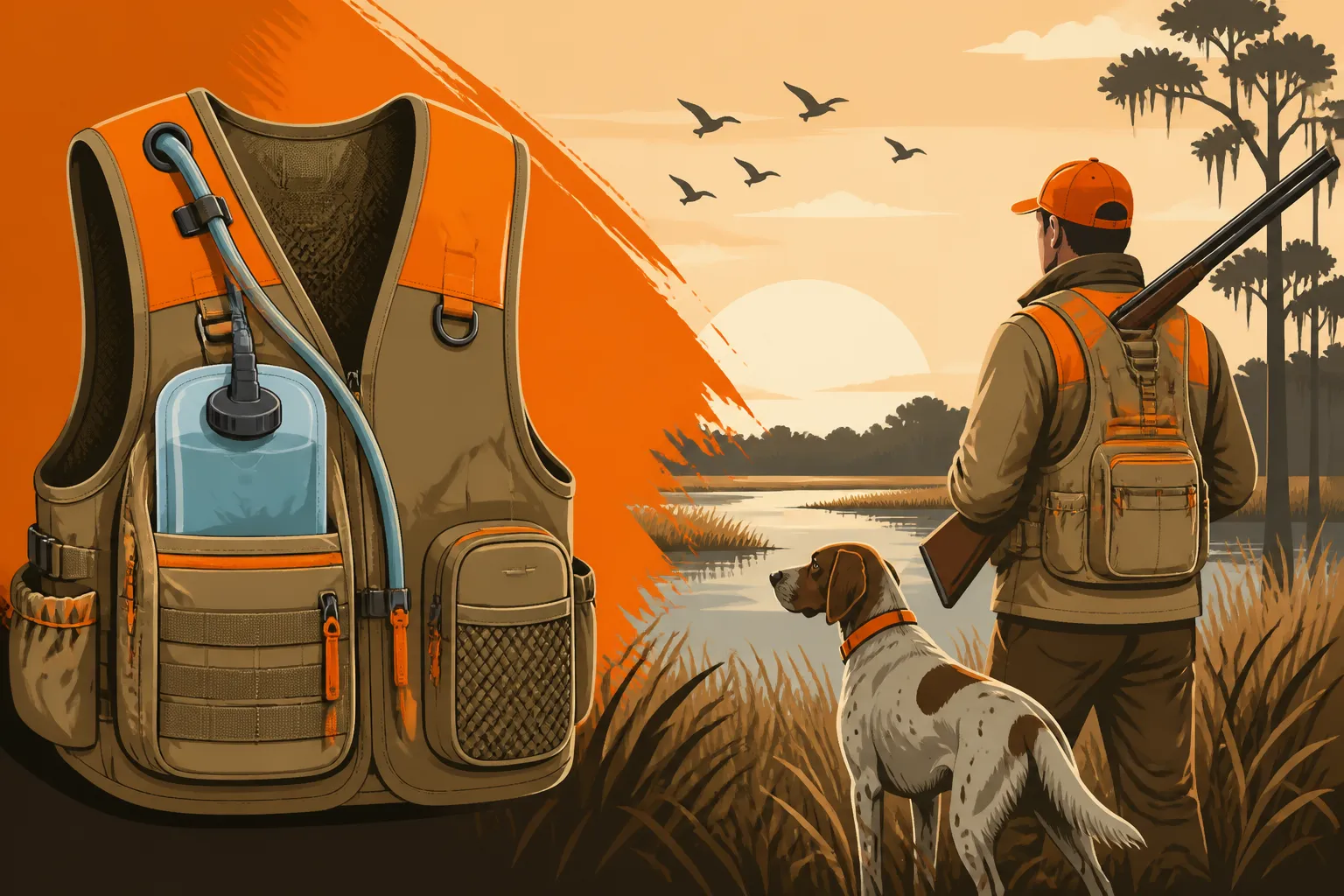
A vest with integrated water capacity, usually in the form of a hydration bladder, allows for hands-free, continuous sipping. This small but significant difference can help maintain your energy levels throughout the day, preventing the dips and crashes that come with dehydration. You can keep your focus on your dog, the terrain, and the birds, rather than constantly worrying about when you'll get your next drink. This continuous hydration is especially critical when you're miles into a Squirrel Hunting South Carolina Bottomland Hardwoods expedition, far from your truck or any reliable water source.
Supporting Your Hunting Dog's Hydration Needs
If you're hunting with a bird dog, their hydration is just as crucial, if not more so, than yours. These canine athletes are working incredibly hard, covering many more miles than you are, often through thick vegetation. A dehydrated dog can quickly overheat, become exhausted, and even face serious health risks. Many upland vests with water capacity also offer external pouches or loops where you can attach a collapsible dog bowl, or they might even have dedicated compartments for dog water bottles.
Being able to easily access water for your dog can be a lifesaver, particularly during warmer hunts or when your dog is working especially hard. Imagine your pointer locked up on a covey in dense cover. After the flush and retrieve, offering them a quick drink can help them recover and stay sharp for the next bird. This dual-purpose hydration system—for both hunter and dog—is an invaluable feature that enhances safety and performance for your entire hunting party. For those running retrievers in the lowcountry, or setters in the upstate, understanding Bird Dog Gear for South Carolina Cover often starts with hydration solutions.
Essential Features of Upland Vests with Water Capacity
When you start looking at upland vests with built-in hydration, you'll quickly see that they're not all created equal. The market offers a range of options, from minimalist designs to full-featured pack-vest hybrids. Knowing what to prioritize based on your hunting style and the conditions you'll face in South Carolina is key.
Hydration Bladder and Capacity
The heart of any water-capacity vest is its hydration bladder. Most bladders range from 1 to 3 liters. For shorter hunts in milder weather, a 1 or 1.5-liter bladder might suffice. However, for extended days in the field, especially during warmer parts of our season or when hunting in remote areas, a 2 or 3-liter bladder is a much safer bet.
- Material and Durability: Look for bladders made from robust, taste-free, and anti-microbial materials. Nobody wants water that tastes like plastic, and a punctured bladder miles from the truck is a hunt-ender. Many reputable brands use high-quality TPU (thermoplastic polyurethane) for their bladders.
- Opening Mechanism: A wide-mouth opening or a slide-seal top makes filling and cleaning much easier. This is crucial for hygiene and preventing mold growth, especially in our humid climate.
- Hose and Bite Valve: A good quality, kink-resistant hose and a reliable, leak-proof bite valve are non-negotiable. Magnetic clips to secure the bite valve to your vest are a fantastic feature, keeping the hose accessible without flapping around.
Consider a full day of Hunting the Earliest Coastal Zone Opener when temperatures can still be quite warm. A 2 or 3-liter bladder ensures you won't run dry, allowing you to focus on the game.
Shell and Gear Storage
Beyond water, an upland vest needs to effectively carry your essential gear. You'll want ample and intelligently designed pockets for shotgun shells, a rangefinder, your phone, snacks, a first-aid kit, and maybe even a tracking collar remote for your dog.
- Shell Loops/Pockets: Dedicated shell loops or large, easily accessible pockets are crucial. Some vests have large dump pockets that can hold a box or two of shells, while others feature individual loops. Think about how you prefer to carry your ammunition and how many rounds you need for a typical hunt.
- Game Bag: A well-designed, easily accessible, and preferably blood-proof game bag is essential for carrying harvested birds. Look for bags that can be unzipped or pulled out for easy cleaning, which is vital for hygiene and preventing odors, especially with birds like quail or doves.
- Accessory Pockets: Zippered pockets for valuables like keys and phone, and open-top pockets for quick access items like dog treats or an extra choke tube, are highly beneficial. A quick look at product reviews on a platform like GoHunt can give you insights into how hunters rate the pocket layouts and overall storage capacity.
When you're Working a Dove Field on Opening Day, you're often carrying a lot of shells, and fast reloading is key. A vest that integrates hydration without sacrificing crucial shell storage is a game-changer.
Comfort and Fit
You'll be wearing this vest for hours, often walking for miles over uneven terrain. Comfort is paramount. An ill-fitting vest will chafe, bounce, and quickly become a major distraction, turning an enjoyable hunt into an endurance test.
- Adjustability: Look for vests with multiple adjustment points – shoulder straps, waist belts, and sometimes even side compression straps. This allows you to customize the fit, distributing weight evenly and preventing bouncing. A vest that cinches down properly helps stabilize the load, which is particularly important when it's full of water and game.
- Padding and Ventilation: Padded shoulder straps and a breathable back panel are critical, especially in South Carolina's warmer conditions. Mesh materials, air channels, or strategically placed padding can make a huge difference in keeping you cool and comfortable, preventing sweat buildup and hotspots.
- Weight Distribution: A good upland vest with water capacity will distribute weight evenly across your back and hips, rather than concentrating it on your shoulders. Some designs feature a lumbar support system or a wide waist belt to achieve this, making a fully loaded vest feel much lighter. Comparing different models on a site like GoHunt can often highlight these design differences and their impact on comfort.
Consider a vest that uses lightweight layering for Warm-Weather Clothing for South Carolina Hunters. A breathable, well-fitting vest works in conjunction with your clothing to manage heat and moisture.
Durability and Materials
Our South Carolina woods and fields are tough on gear. From briar patches to thick undergrowth, your vest needs to stand up to abuse. Investing in a durable vest means it will last through many seasons of hard hunting.
- Fabric Choice: Look for vests made from tough, tear-resistant materials like Cordura nylon, heavy-duty canvas, or ripstop fabrics. These materials can withstand snags, scrapes, and punctures without falling apart.
- Stitching and Zippers: Reinforced stitching at stress points and high-quality, durable zippers (like YKK) are indicators of a well-made vest that will hold up over time. Cheap zippers are often the first point of failure on any piece of gear.
- Water Resistance: While not always fully waterproof, a vest with some level of water resistance can be beneficial for those unexpected sprinkles or brushing against dew-covered vegetation. It also helps keep the contents of your pockets dry.
When you're pushing through a thick Rabbit Hunting South Carolina Fencerows for bunnies, you're constantly brushing against rough surfaces. A robust vest is essential to prevent it from tearing after just a few outings.
Choosing the Right Vest for Your South Carolina Hunt
With so many options, narrowing down the perfect upland vest with water capacity can feel a bit overwhelming. But by considering your specific hunting style, the game you pursue, and the environment you typically hunt in, you can make an informed decision.
Matching Vest to Game and Terrain
The type of upland hunting you do most often in South Carolina should heavily influence your vest choice. A vest for chasing quail on a managed plantation might differ significantly from one you'd use for jump-shooting woodcock in a river bottom.
- Quail and Pheasant: For traditional quail or pheasant hunting, especially with a dog, you'll likely cover many miles. A vest with good carrying capacity for shells, a large game bag, and a comfortable hydration system is paramount. Good shoulder padding is a plus if you're carrying a 20 Gauge Doubles for Plantation Walks all day.
- Doves: Dove hunts often involve less walking but can be done in very hot conditions. A lighter vest focusing primarily on hydration and shell storage might be ideal. Ease of access for shells and a place to put a few birds are key.
- Rabbits and Squirrels: These hunts can be brutal on gear due to the thick cover. Durability is a huge factor. You might not need as much shell capacity, but a tough game bag and easy hydration are still essential. A vest that allows for quick movement through dense brush is important.
- Woodcock/Snipe: Similar to rabbits, these hunts can take you into damp, thick areas. Water resistance, durability, and a comfortable fit for active movement are important considerations.
If you're gearing up for Upland Guns for Quail Plantation Walks, think about how much water you and your dog will need for a full morning of traversing the fields. A larger capacity bladder often wins out for these longer excursions.
Comparing Vest Styles
Upland vests with water capacity generally fall into a few categories, each with its own advantages.
| Vest Style | Key Features | Pros | Cons | Ideal For South Carolina |
|---|---|---|---|---|
| Minimalist | Small hydration bladder (1-1.5L), few pockets, lightweight | Very light, keeps you cool, good for short, hot hunts | Limited storage for shells/game, less padded | Short dove hunts, quick scouting trips, very hot early season hunts |
| Standard Upland | 1.5-2L bladder, ample shell pockets, game bag, moderate padding | Good balance of hydration and storage, versatile, comfortable | Can feel bulky if overloaded, not always optimized for very long distances | General quail/pheasant, rabbit hunting, typical full-day outings |
| Pack-Vest Hybrid | 2-3L bladder, large cargo capacity, game bag, more substantial frame | Max hydration and gear storage, excellent for long hauls/remote areas | Heaviest, can be warm, may restrict movement in dense cover | Multi-day hunts, remote WMA excursions, hunting with lots of gear or a large dog |
When exploring options, a detailed review on GoHunt could really help differentiate between a standard upland vest and a pack-vest hybrid, especially in terms of how they handle weight distribution and ventilation for our specific climate.
Budget and Investment
Upland vests with water capacity can range significantly in price. While it's tempting to go for the cheapest option, remember that this is a piece of gear that will directly impact your comfort, safety, and enjoyment in the field.
- Consider it an Investment: Think of your vest as an investment in better, safer hunting experiences. A higher-quality vest will be more durable, more comfortable, and often have a better-designed hydration system, lasting you many seasons.
- Balance Features and Cost: Determine which features are absolutely essential for your hunting style (e.g., bladder size, game bag access, durability) and then look for the best quality you can afford within those parameters. Sometimes, spending a little more upfront saves you money in the long run by avoiding replacements.
- Read Reviews: Before making a purchase, read reviews from other hunters, especially those who hunt in similar climates or conditions. Platforms like GoHunt are fantastic for getting real-world feedback on how vests perform in the field, helping you avoid buyer's remorse.
A good vest, like a reliable shotgun or a well-trained dog, is a core part of your upland hunting setup. Don't skimp on something that will literally keep you going when you're miles from the truck, chasing South Carolina Quail Season Status across vast tracts of land.
Maintaining Your Hydration Vest for Longevity
You've invested in a quality upland vest with water capacity, and it's served you well through crisp mornings and warm afternoons. Now, how do you keep it in top shape, ready for the next adventure? Proper care and maintenance are crucial, especially for the hydration bladder, to ensure longevity and hygiene.
Cleaning the Hydration Bladder
This is arguably the most critical maintenance step. Neglecting your hydration bladder can lead to mold, mildew, and an unpleasant taste in your water.
- After Every Use: As soon as you get home from the hunt, empty any remaining water from the bladder. Rinse it thoroughly with warm water, paying close attention to the inside surfaces.
- Deep Cleaning: Periodically, or if you've put anything other than water in the bladder, perform a deeper clean. You can use a cleaning tablet specifically designed for hydration bladders, a mild dish soap solution (ensure it's unscented and rinse very thoroughly), or a mixture of baking soda and water. Let the solution sit for a while, then scrub the inside with a bladder cleaning brush if you have one. Don't forget to clean the hose and bite valve! Many brands sell small brushes for this purpose.
- Drying: This is key to preventing mold. The best way to dry a bladder is to hang it upside down, with the opening propped open so air can circulate. Some people use a paper towel or a specific bladder hanger to keep the sides from sticking together. Ensure it's completely dry before storing it away. This step is particularly important in South Carolina's humid environment, where mold can thrive.
Imagine forgetting to dry your bladder on a warm, humid Lowcountry evening. The next time you grab it for a Hunting Coastal Rice Field Edges outing, you'll be greeted by a less-than-appetizing surprise. Consistent cleaning is a small effort for a big reward.
Washing the Vest
The fabric part of your vest will also get dirty, smelly, and possibly bloody from game. Regular cleaning will keep it looking good and prevent lingering odors that might alert game.
- Remove Bladder and Accessories: Always remove the hydration bladder and any detachable pouches or pockets before washing the vest itself.
- Spot Clean: For minor stains or blood, spot cleaning with a damp cloth and mild soap can often do the trick.
- Hand Wash or Machine Wash (Delicate): Most upland vests can be hand washed or machine washed on a gentle cycle with cold water and a mild detergent. Avoid harsh chemicals or bleach, as these can damage the fabric and camouflage patterns. If using a machine, it’s a good idea to put the vest in a mesh laundry bag to protect zippers and buckles. Always check the manufacturer’s care instructions first, which you might find linked on a retailer's page or directly from the manufacturer via a quick search after visiting GoHunt for reviews.
- Air Dry: Never put your upland vest in a dryer. The heat can damage the fabric, waterproof coatings (if any), and any plastic components. Hang it to air dry in a well-ventilated area, preferably out of direct sunlight to prevent fading.
After a successful South Carolina Small Game Season Rules hunt where you filled your game bag, getting that vest clean is important before storing it for the next trip.
Storage and Inspection
How you store your vest between hunts can impact its lifespan.
- Cool, Dry Place: Store your clean, dry vest in a cool, dry place, away from direct sunlight and extreme temperatures. This prevents degradation of materials and keeps the bladder in good condition.
- Avoid Compressing: Try not to store the vest heavily compressed under other gear, as this can cause foam padding to break down or create permanent creases.
- Regular Inspection: Before each season or a big hunt, give your vest a thorough inspection. Check all zippers, buckles, seams, and the hydration bladder for any signs of wear, tears, or leaks. Address small issues promptly before they become major problems in the field. A small tear patched early can prevent a much larger one later.
By following these simple maintenance steps, your upland vest with water capacity will be a reliable companion for countless South Carolina hunting adventures, keeping you hydrated and prepared no matter where the birds lead you.
Disclaimer
This article is for general informational purposes only and does not constitute professional advice. Laws, prices and regulations vary by location and change over time. Consult a qualified professional for guidance on your specific situation.