Orange Requirements for Archery Hunters
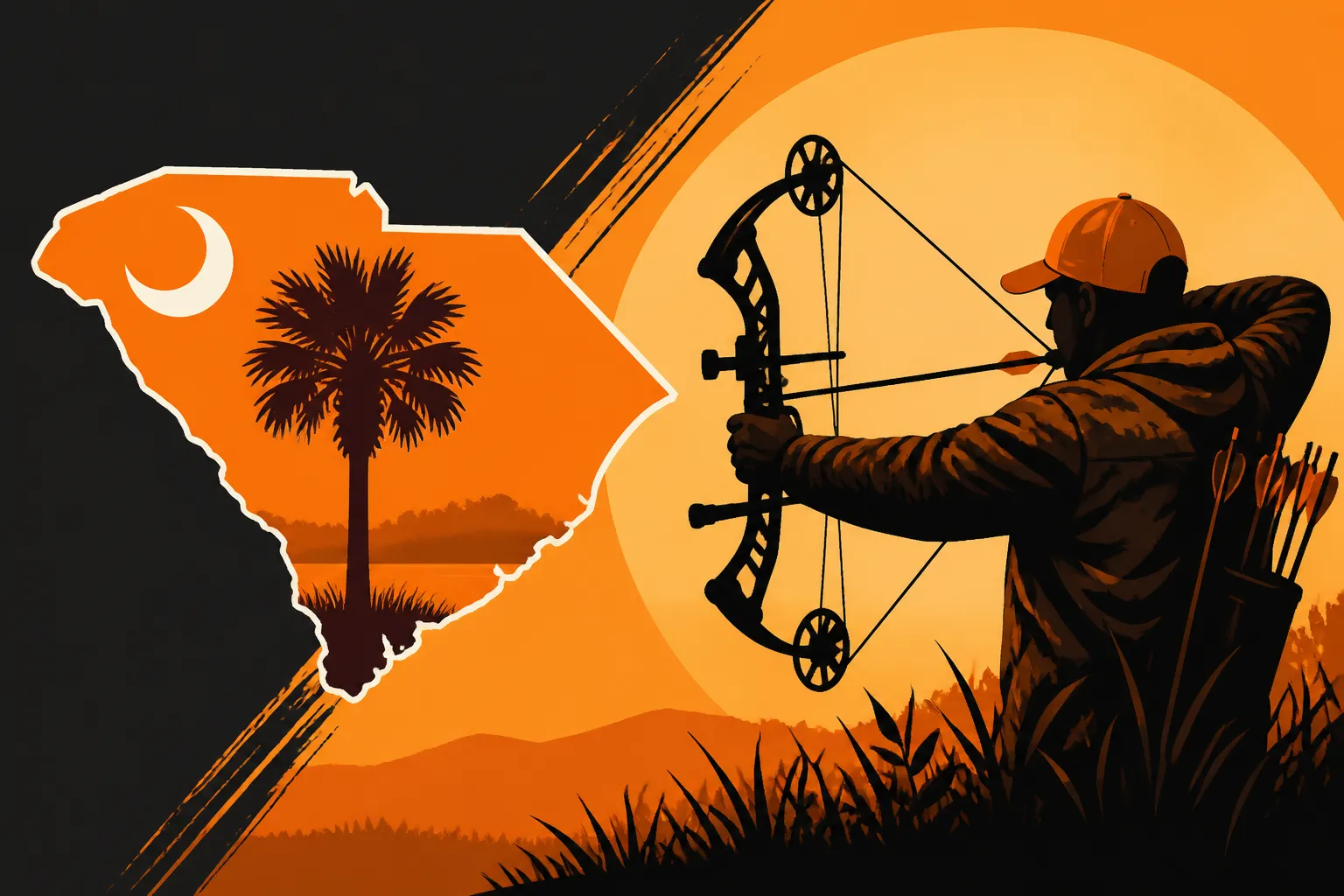
It's a question that pops up every single year as archery season approaches here in South Carolina, and honestly, the confusion is totally understandable. You've got your bow, you're looking forward to those quiet mornings in the woods, and then you start wondering: "Do I really need to wear blaze orange, or is that just for the rifle guys?" The answer, like so many things in hunting regulations, isn't a simple yes or no. This guide will help clarify South Carolina's blaze orange requirements specifically for archery hunters, so you can hunt safely and legally, without second-guessing yourself in the pre-dawn dark.
Understanding South Carolina's General Blaze Orange Mandates
Before we dive specifically into archery, it helps to understand the foundational blaze orange laws in South Carolina. The state prioritizes hunter safety above all else, and a significant part of that involves making sure hunters are visible to one another, especially when high-powered firearms are in the woods. The regulations are designed to prevent accidental shootings, a tragedy no one ever wants to be a part of.
The Baseline Rule for Firearm Seasons
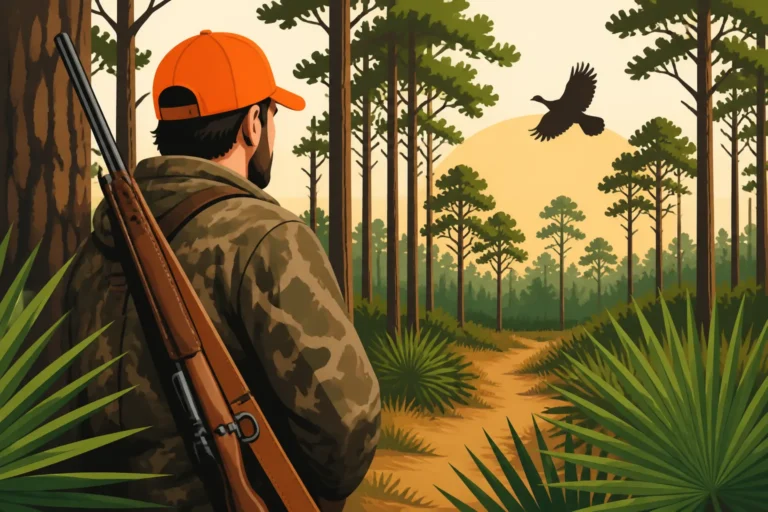
Generally speaking, when hunting deer with a firearm in South Carolina, all hunters (and anyone accompanying them) are required to wear a visible outer garment above the waist that is at least 500 square inches of solid international orange, also commonly known as blaze orange. This requirement ensures that you're easily seen from all angles, making it much less likely for another hunter to mistake you for game, or even just be unaware of your presence in the woods. This is the gold standard for safety during rifle season, and it's non-negotiable for good reason. It’s about creating a safe environment where everyone can enjoy the hunt and return home to their families.
Why This Rule Exists: A Focus on Safety
The intent behind the blaze orange rule is purely safety-driven. In the heat of the moment, with adrenaline pumping, it can be easy to make a mistake if you’re not clearly identifiable as a human. Deer, especially bucks, often have colorings and movements that, in certain light or thick cover, can be misinterpreted by another hunter. Wearing blaze orange cuts through that ambiguity. It’s a universally recognized signal that says, "I am a person, not an animal." This becomes especially critical during deer drives or still-hunting in dense areas, where visibility can be limited, and hunters might be moving through cover. Think about a dense patch of palmetto or a thick stand of pines; without that bright color, you could easily disappear.
Specifics for Archery Hunters: When Does the Orange Rule Apply?
Now, let's get down to the nitty-gritty for us bowhunters. This is where the nuances come into play, and where a lot of the confusion originates. South Carolina's regulations distinguish between archery-only seasons and those times when archery seasons overlap with other weapon types.
Archery-Only Seasons and the Orange Exemption
Here's the good news for traditional bowhunters and crossbow enthusiasts: during designated archery-only seasons, blaze orange is generally not required. This often applies to the earliest parts of deer season, particularly in the coastal zones like Hunting the Earliest Coastal Zone Opener where archery season often kicks off several weeks before any firearms are allowed in the woods. The logic here is that with only bows and crossbows in use, the risk profile changes. Archery hunting typically involves shorter ranges, often from an elevated position like a treestand, and a more focused, still-hunting approach. The chances of mistaking a human for game with an arrow are statistically lower compared to a firearm. So, if you're out there on opening day of the archery season in Zone 4, you're typically good to go without the orange. Just make sure you're absolutely certain it's an archery-only period for your specific zone and location. When South Carolina's Archery Season Opens details these opening dates, so it's a great reference.
When Archery Seasons Overlap with Other Weapons
This is the critical point where many bowhunters get tripped up. While blaze orange might not be required during an archery-only season, that exemption often disappears once other weapon types are introduced into the woods, even if you're still hunting with your bow. If the season structure for your specific game zone allows for modern firearms, primitive weapons, or even a muzzleloader season to be open concurrently with archery, then you are required to wear blaze orange, regardless of what weapon you personally choose to use.
Imagine you're hunting deer in the Sumter National Forest during late October. You've got your trusty bow, and you're hoping to ambush a nice buck. However, the modern firearms season for deer is also open in that South Carolina's Four Game Zones area. In this scenario, even though you're hunting with a bow, you must wear the required 500 square inches of blaze orange. The reasoning is clear: other hunters in the woods might be using rifles, and for their safety, and yours, you need to be highly visible. This overlap is a prime example of why checking the regulations for your specific zone and hunt dates is paramount. A valuable tool like GoHunt can help you quickly verify these overlaps and ensure you're compliant.
Crossbows and Primitive Weapons During Archery Season
The question often arises about crossbows and how they fit into these rules. In South Carolina, crossbows are generally considered a legal archery implement during the archery season, falling under the same general rules as traditional bows. So, if it's an archery-only season, no blaze orange is typically required when using a crossbow. However, just like with a compound or recurve bow, if you're using a crossbow during a period when primitive weapons or firearms are also allowed, then you must wear blaze orange. The important distinction is the season type that is open, not necessarily the specific archery implement you're using. For more detailed information, you can always refer to Crossbow Rules During South Carolina Archery Season. Similarly, if you are using a primitive weapon during a designated primitive weapons season, the blaze orange requirements are often in effect because these seasons typically allow for firearms like muzzleloaders.
Practical Application and Safety Beyond the Law
While legal compliance is a must, smart hunters often go beyond the minimum requirements when it comes to safety. Blaze orange is one of those things where "better safe than sorry" truly applies.
Choosing to Wear Orange Even When Not Required
Let's be real: sometimes you're walking into your stand in the dark during an archery-only morning, and you just want to be seen, even if the law doesn't explicitly demand it. Many bowhunters choose to wear some form of blaze orange — a hat, a vest, or a backpack cover — while walking to and from their stands, especially on public land where other hunters might be moving about. Once they're safely situated in their treestand, they might remove it, but that walk in and out, particularly during legal shooting light, is a high-risk time. It’s a personal safety choice that can offer immense peace of mind. Even if you don't wear it while actually hunting, having it on during ingress and egress is a smart move.
Blaze Orange for Other Activities Afield
Hunting isn't just about the peak season. Many of us spend time in the woods scouting, hanging stands, or Shed Hunting on South Carolina Public Land in the off-season. If you're out scouting during a period when small game season or even a late-season deer gun hunt is open, wearing blaze orange is still incredibly wise. You might not be "hunting" in the traditional sense, but you're still a human in the woods during an active hunting season. Always assume there could be other hunters present, especially on public lands like those within the Francis Marion National Forest or Sumter National Forest. That flash of orange could be the difference between a close call and a serious accident.
High-Visibility Gear Options for Archery
You don't need to wear a bulky, insulated blaze orange coat in South Carolina's often warm early seasons. There are plenty of lightweight options designed for archery hunters. Think about a simple mesh vest that can be worn over your camo, a blaze orange hat, or even a backpack cover. Some hunting packs even come with integrated blaze orange rain covers that you can deploy when needed. The key is visibility from all angles. Brands often offer breathable, lightweight options that won't make you overheat, even during those sweltering August and September hunts. Checking out options like Blaze Orange Jackets Versus Vests can give you a better idea of what might work for your specific needs and comfort level in South Carolina's varied climate.
Navigating Specific Regulations and Resources
South Carolina's hunting regulations can be dense, and understanding how they apply to your specific hunting scenario requires careful attention to detail.
Public Land (WMA) Rules vs. Private Land
While the general statewide rules for blaze orange apply to both public and private land, it's crucial to remember that Wildlife Management Areas (WMAs) often have additional, sometimes stricter, regulations. Always, and I mean always, consult the specific WMA rules and brochures for the area you plan to hunt. Some WMAs might require blaze orange even during archery-only periods, or have different square inch requirements depending on the season and specific hunt type (e.g., still hunts versus dog drives). Don't assume that just because it's an archery season, the WMA follows the same statewide exemption. A tool like GoHunt's mapping layers can often show WMA boundaries and may even have specific regulations linked, making it easier to confirm. Before you step foot on any WMA land, be sure you understand the rules. South Carolina WMA Permit Requirements are also important to understand before hitting public land.
Checking Regulations: Your Annual Responsibility
Regulations can change from year to year, and what was true last season might not be true this season. It is your responsibility as a hunter to stay informed. Relying on outdated information or hearsay from a friend can land you in trouble, or worse, compromise safety. Always consult the most current South Carolina Department of Natural Resources (SCDNR) hunting regulations manual, which is available online or in print wherever licenses are sold. Many hunters find digital resources like the Go Outdoors SC app or a robust hunting app like GoHunt invaluable for quick reference in the field. These digital tools often update annually, providing reliable access to regulatory information, zone maps, and even specific WMA rules. Don't wait until opening day to figure it out; do your homework beforehand.
Understanding Your Zone and Season Dates
The four game zones in South Carolina dictate everything from opening dates to bag limits, and yes, they also play a critical role in when blaze orange is required for archery hunters. Zone 4, the coastal plain, often has the earliest opening archery dates, and these might be truly archery-only for a period. Zone 1, the upstate, typically opens much later, and its archery season might overlap almost immediately with primitive weapons or firearms seasons.
Knowing which zone you're hunting in, and precisely what weapons are permitted during those specific dates, is the ultimate key to understanding your blaze orange requirements. Take the time to study South Carolina Deer Season Structure Explained and How South Carolina's Four Zones Split the Calendar. This knowledge, combined with your current regulations guide, will empower you to make informed decisions about your gear and greatly contribute to a safe and enjoyable hunt.
Here's a quick reference table to help visualize the scenarios:
| Season Type Currently Open | Your Weapon Choice | Blaze Orange Requirement for Archery Hunters |
|---|---|---|
| Archery-Only Season | Compound Bow | Not required (but recommended for movement) |
| Archery-Only Season | Crossbow | Not required (but recommended for movement) |
| Archery Season Overlapping with Primitive Weapons Season | Compound Bow | Required (500 sq. inches) |
| Archery Season Overlapping with Primitive Weapons Season | Crossbow | Required (500 sq. inches) |
| Archery Season Overlapping with Modern Firearms Season | Compound Bow | Required (500 sq. inches) |
| Archery Season Overlapping with Modern Firearms Season | Crossbow | Required (500 sq. inches) |
| Scouting/Other Activities during any Open Firearm Season | No weapon | Recommended (even if not hunting) |
This table provides a general overview, but always check the current SCDNR regulations for precise dates and rules specific to your hunting zone and chosen WMA. Your vigilance is your best defense against accidents and ensures a safe experience for everyone in the woods.
Disclaimer
This article is for general informational purposes only and does not constitute professional advice. Laws, prices and regulations vary by location and change over time. Consult a qualified professional for guidance on your specific situation.