How SCDNR Counts the South Carolina Deer Herd
It can feel like a real mystery sometimes, can't it? One year you're seeing deer everywhere, the next it seems like they've all vanished into thin air, and you wonder how in the world anyone keeps track of them. You might ask yourself how the South Carolina Department of Natural Resources (SCDNR) possibly knows how many deer are roaming our woods, fields, and swamps. This guide will pull back the curtain on the science and effort behind their estimates, explaining how they gauge the health and size of the South Carolina deer herd.
The Complexities of Counting Deer in South Carolina
Trying to get an accurate, absolute count of every single white-tailed deer in South Carolina is a bit like trying to count every grain of sand on a Lowcountry beach – it's practically impossible. Our deer are wild, constantly on the move, and incredibly adept at staying hidden. But even without a precise census, understanding population trends and estimating densities is crucial for effective wildlife management.
Why a Precise Headcount is Nearly Impossible
Imagine trying to physically count every deer in a single 100-acre block of dense pine plantation or a sprawling river bottom swamp. You'd spend days, maybe weeks, and still probably miss a significant number. Deer are masters of camouflage, especially in the thick cover so common across our state. They bed down in palmetto thickets, disappear into cane brakes, and melt into the shadows of mature hardwoods. The sheer scale of the landscape, from the mountains of the Upstate to the vast coastal plain, makes a literal "headcount" an unfeasible task. Furthermore, deer populations are dynamic; births, deaths, and movements mean the number is constantly fluctuating. That's why wildlife agencies, including SCDNR, rely on scientific methodologies to provide robust estimates and track trends rather than attempting an impossible exact number.
The Importance of Reliable Population Estimates
Even without an exact count, reliable population estimates are incredibly important. These figures aren't just academic exercises; they form the bedrock of sustainable hunting regulations and conservation strategies. For instance, knowing the general South Carolina Deer Population Estimate helps managers determine appropriate harvest limits, assess the impact of disease outbreaks, and plan habitat improvement projects. If estimates suggest a population is declining in a specific area, it might trigger investigations into habitat loss, disease, or excessive harvest pressure. Conversely, if deer numbers are booming and causing significant agricultural damage or increasing deer-vehicle collisions, managers might consider adjusting antlerless deer harvest opportunities. Without these estimates, we'd be flying blind, and that's not a good scenario for the deer or the hunters who cherish them. They guide decisions that ultimately affect every hunter's season, from bag limits to season lengths, making your hunting experience sustainable for years to come.
SCDNR's Key Data Collection Methods
So, if they're not out there literally counting every deer, how does SCDNR gather its data? It's a multi-pronged approach, combining hunter-reported information with field observations and biological sampling. Each method offers a unique piece of the puzzle, and when combined, they paint a comprehensive picture of the state's deer herd health.
Harvest Data and Hunter Surveys
One of the most valuable sources of information comes directly from hunters themselves. Every deer harvested in South Carolina must be reported to the SCDNR through their Game Check system. This system requires hunters to report details such as the county of harvest, the date, sex, and whether the deer was antlered or antlerless. This data, accumulated statewide and by county, provides a critical index of deer abundance and productivity.
Think about it: if the overall harvest numbers are going up year after year in a particular region, it's a strong indicator that the deer population there is robust or growing. If harvest numbers are consistently falling, it suggests a decline. Additionally, the ratio of antlered to antlerless deer harvested can tell biologists a lot about herd demographics and reproductive success. For example, a high proportion of antlerless deer taken might be a management tool to reduce overall numbers in areas of high density, directly impacting the South Carolina Statewide Antlerless Bag Limit. Hunter participation in Game Check is paramount for the integrity of this data, so when you're checking your deer, remember you're contributing to a bigger scientific effort that benefits all hunters. Some sophisticated hunting apps, like GoHunt, can even help you track your personal harvest data and sometimes even overlay it with public harvest information in certain states, giving you a localized perspective on deer numbers.
Roadside Deer Counts and Spotlight Surveys
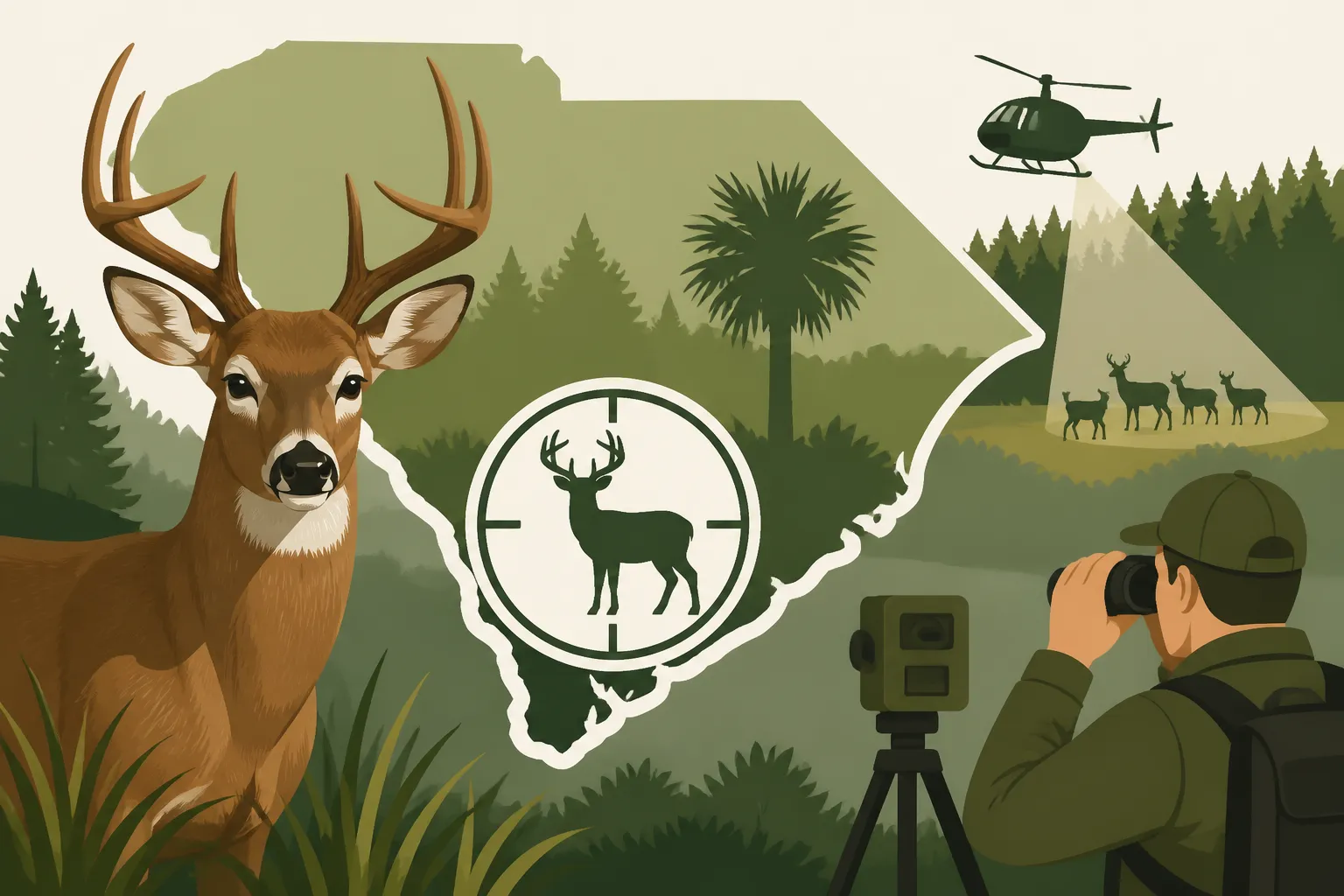
Beyond hunter harvest data, SCDNR biologists also conduct direct observation surveys. One common method involves roadside deer counts, often performed during specific times of the year, like late summer or early fall when deer are more visible along agricultural fields or forest edges. Biologists drive established routes at a consistent speed, recording every deer they see. While this doesn't count every deer, it provides an index of relative abundance. If they see significantly more deer on the same route this year compared to last, it suggests an increase in the local population.
Another technique is spotlight surveys, which are typically conducted at night. Using powerful spotlights, biologists drive predetermined routes across various habitats, sweeping the fields and open areas for deer. Deer eyes reflect the light, making them easier to spot, especially in areas where they might be less visible during the day. These surveys are often performed on wildlife management areas (WMAs) or large private land tracts, and they provide valuable insights into nocturnal deer activity and population density in different cover types. These methods are particularly useful in establishing comparative Deer Density by South Carolina Zone information, helping tailor management strategies to specific ecological regions.
Biological Sampling and Age Structure Analysis
When deer are harvested, whether by hunters or during research efforts, SCDNR biologists often collect biological samples. This might include teeth, which are crucial for aging deer. By analyzing the cementum rings in a deer's tooth (much like counting tree rings), biologists can determine its exact age. When enough deer are aged from a particular area, it allows the SCDNR to construct an age structure profile for that local herd.
An age structure analysis reveals the proportion of deer in different age classes (e.g., fawns, yearlings, mature adults). A healthy, balanced herd typically shows a good representation of various age groups. A high percentage of young deer with very few older animals might indicate high harvest pressure on mature bucks or poor fawn recruitment. Conversely, a herd dominated by older deer with low fawn numbers could point to other issues. This analysis helps the SCDNR understand the overall health, productivity, and future potential of the deer population. Information like the South Carolina Buck Age Structure is vital for making informed management decisions, such as setting antler restrictions or adjusting bag limits to achieve specific herd objectives.
Interpreting the Data: What It All Means for Hunters
All this data collection isn't just for dusty reports; it directly translates into the hunting opportunities and regulations we see each season. Understanding how to interpret these trends, and recognizing your role in the process, makes you a more informed and responsible hunter. This is where you can use tools like GoHunt, which often integrates state data, to truly understand the dynamics of your hunting area.
Understanding Trends, Not Exact Numbers
As we've discussed, getting an exact headcount is a pipe dream. What SCDNR truly seeks, and what hunters should focus on, are trends. Are deer numbers generally increasing, stable, or decreasing? Is the age structure shifting younger or older? Is the buck-to-doe ratio healthy? These trends, tracked over several years, are far more meaningful than any single year's precise numerical estimate.
For example, if the statewide harvest reports show a consistent slight decline in antlered bucks over the last five years, but an increase in antlerless deer taken, it suggests a management strategy focused on controlling overall population size while perhaps allowing younger bucks to mature. When you're looking at your own experiences, try to observe patterns over time rather than getting hung up on one good or bad day. Did you see more fawns this year than last? Are the bucks you're seeing generally younger or older? Your personal observations, combined with the broader data provided by SCDNR (and available through platforms like GoHunt that consolidate such information), can offer a nuanced understanding of the local deer population where you hunt. Regularly checking the Reading a South Carolina Harvest Report can give you valuable insights into these broader trends.
How Population Estimates Influence Regulations
The population estimates and trends directly inform the South Carolina Deer Season Structure Explained and specific hunting regulations. For instance, if data indicates an overpopulation of deer in a particular game zone, the SCDNR might increase the daily or seasonal antlerless bag limits to help reduce the herd to a more sustainable level. This is often seen in agricultural areas where deer can cause significant crop damage. Conversely, if a specific region shows signs of declining deer numbers, managers might consider more conservative measures, such as reducing antlerless harvest opportunities or shortening seasons.
The concept of South Carolina's South Carolina's Four Game Zones with varying season dates and limits is a perfect example of how population data influences localized management. What works for the dense deer populations of the coastal plain might be entirely inappropriate for the more dispersed herds in the Upstate mountains. These zone-specific regulations are a direct result of SCDNR biologists analyzing localized data on deer densities, habitat quality, and population trends, aiming to balance hunter opportunity with long-term herd health.
Your Role as a Hunter in Data Collection
As a South Carolina hunter, you are an invaluable part of the SCDNR's data collection efforts. Your actions on the ground, and critically, your diligent reporting, feed into the very system that guides future regulations.
Here's how you contribute:
- Accurate Harvest Reporting: Every deer you harvest must be reported via the Game Check system. This is not just a formality; it's a vital data point. The more accurate and timely the reporting, the better the data set for biologists. Make sure you understand the South Carolina Deer Reporting Requirements and complete them correctly.
- Voluntary Samples: Occasionally, SCDNR might request biological samples (like lymph nodes for CWD testing or teeth for aging) from harvested deer. Participating in these voluntary programs provides crucial, detailed information that cannot be gathered otherwise.
- Observation: Pay attention to what you see in the woods. While anecdotal, patterns you notice—such as consistent fawn sightings, buck-to-doe ratios, or even unusual animal behavior—can sometimes corroborate or raise questions that prompt further investigation by wildlife managers. Sharing these observations with local biologists (through official channels, not just social media) can be surprisingly helpful.
- Using Information Tools: Utilizing tools like the Scouting With the Go Outdoors SC App can not only help you navigate public lands but also sometimes offers integrated data layers that give you a better understanding of local habitat and potential deer movements, helping you make more informed decisions about your hunting strategy. GoHunt also offers similar tools that can provide detailed insights into various land types and potential game hotspots based on publicly available data, helping you align your efforts with the big picture of deer movement and population.
| Data Source | Type of Information Provided | How It Informs Management |
|---|---|---|
| Hunter Harvest Reports | Number of deer, sex, county, date | Population trends, harvest pressure, regional differences |
| Biological Samples (Teeth) | Deer age, herd age structure | Herd health, reproductive success, recruitment |
| Roadside/Spotlight Surveys | Relative abundance, density index | Localized population changes, habitat use |
| Hunter Surveys (Voluntary) | Effort, satisfaction, observations | Hunter sentiment, broader ecological insights |
Limitations and the Future of Deer Herd Monitoring
No system is perfect, and monitoring a wild animal population across an entire state presents unique challenges. However, the SCDNR is continuously adapting, integrating new technologies, and encouraging public involvement to refine its understanding of the South Carolina deer herd.
Challenges in Diverse South Carolina Landscapes
South Carolina's diverse geography presents significant challenges for deer herd monitoring. The methods that work well in the relatively open agricultural landscapes of the Pee Dee or Midlands might be less effective in the dense, often impenetrable swamps of the Lowcountry or the steep, rugged terrain of the Upstate. Visibility varies drastically, and deer behavior can differ based on habitat type. For example, deer in a vast coastal marsh might be less inclined to cross roads than those living in fragmented forest blocks near suburban areas.
Furthermore, factors like weather patterns (droughts or unusually wet springs), mast crop failures (like a poor acorn year, impacting late-season food sources for South Carolina whitetails), and localized disease outbreaks can all temporarily or regionally affect deer numbers and distribution, making it harder to track long-term trends accurately. Public land hunting pressure on South Carolina public land can also skew local observations. Biologists must constantly account for these variables when interpreting data, ensuring that short-term fluctuations aren't mistaken for long-term trends and that management decisions are appropriate for the specific local context.
Evolving Technologies and Citizen Science
The future of deer herd monitoring in South Carolina will undoubtedly involve an even greater integration of technology and the power of citizen science. Advancements in GPS collaring, drone technology for aerial surveys (though currently limited by regulations for wildlife monitoring), and sophisticated data analysis software are constantly improving the accuracy and efficiency of population estimates. Imagine deer fitted with tiny, long-lasting GPS trackers that provide real-time movement data, or AI-powered image analysis of trail camera photos to count deer automatically.
Moreover, the rise of platforms like GoHunt and the ubiquity of smartphone apps mean that hunters and outdoor enthusiasts can play an even larger role. Citizen science initiatives, where hunters contribute their trail camera photos, observation logs, or more detailed harvest data than currently required, could significantly augment the SCDNR's efforts. The more data points, the clearer the picture. This collaborative approach not only empowers hunters but also fosters a deeper connection between the hunting community and the science of wildlife management, ensuring a healthy and robust South Carolina Deer Herd Size for generations to come.
Disclaimer
This article is for general informational purposes only and does not constitute professional advice. Laws, prices and regulations vary by location and change over time. Consult a qualified professional for guidance on your specific situation.