Orangeburg County Public Land for Deer
Finding prime deer hunting spots in South Carolina can feel like an endless puzzle, especially when you're focusing on public land in a specific county like Orangeburg. Many hunters get frustrated trying to decipher regulations, locate access points, and understand the nuances of hunting pressure without a clear roadmap. This comprehensive guide is designed to cut through that confusion, offering actionable advice and insights for successfully pursuing whitetails on public tracts in Orangeburg County.
Navigating Orangeburg County's Public Hunting Landscape for Deer
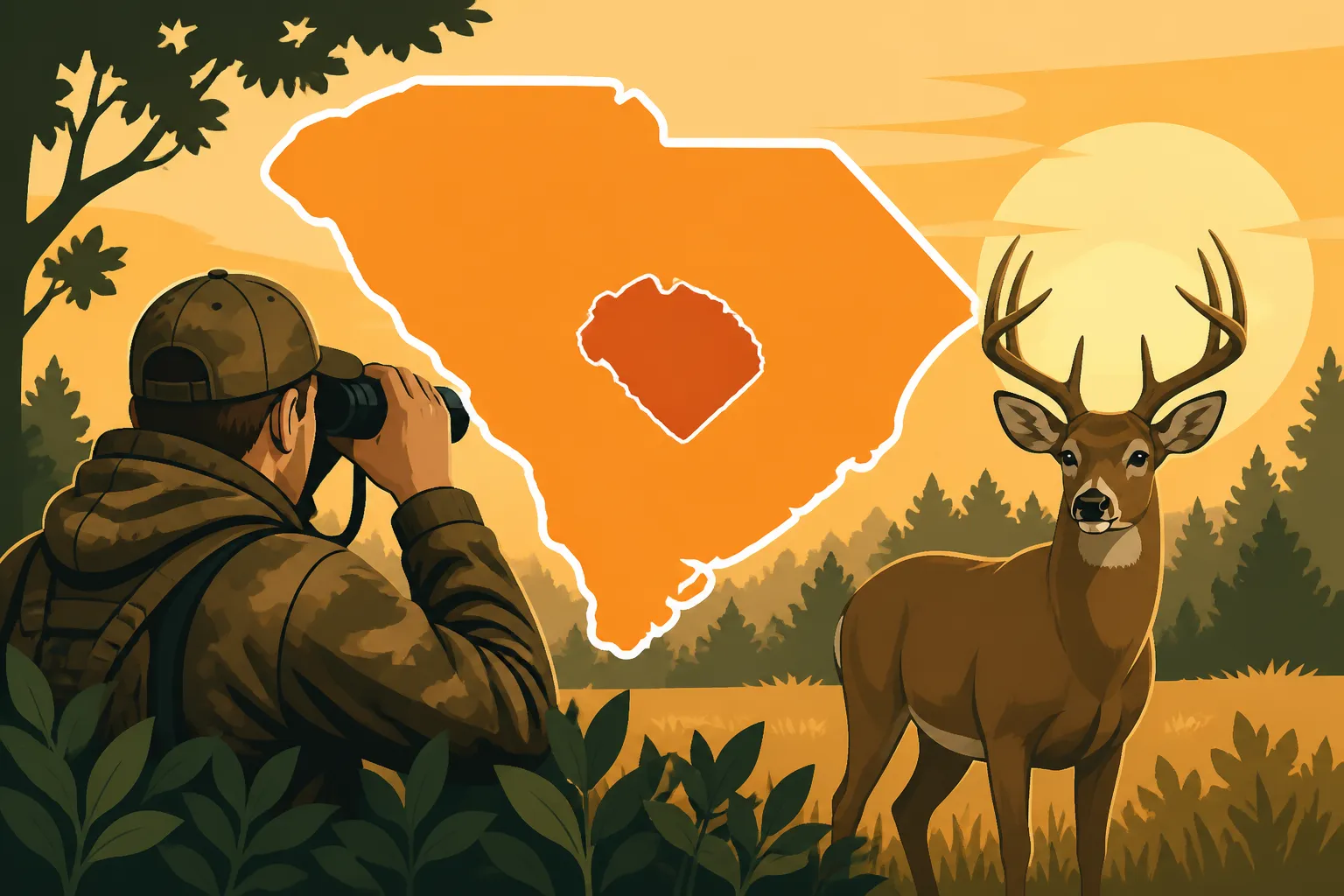
Orangeburg County, nestled in the heart of South Carolina's Lowcountry/Midlands transition zone, offers a unique blend of agricultural fields, vast timberlands, and swampy bottomlands that can hold some fantastic deer. However, identifying and effectively hunting public land here presents its own set of challenges compared to the sprawling national forests of the Upstate or the heavily managed plantations of the coast. The public land opportunities here largely revolve around Wildlife Management Areas (WMAs) managed by the South Carolina Department of Natural Resources (SCDNR), which means understanding specific WMA rules is paramount.
Understanding Orangeburg's Deer Habitat and Hunting Zones
Orangeburg County primarily falls within South Carolina's Game Zone 3. This is crucial because deer seasons and regulations can differ significantly from one zone to another. Zone 3 typically offers a generous deer season, often opening for archery in mid-August and firearms in early October, running through much of January. The habitat itself is a mixed bag, offering diverse cover and food sources. You'll find everything from open pine plantations and mixed hardwood ridges to dense river bottom swamps and agricultural peripheries. This varied landscape means deer have plenty of places to hide, feed, and move, which can be both a blessing and a curse for hunters. You might find a big buck tucked away in a thicket bordering a cut soybean field, or you could be still-hunting along a creek bottom that winds through mature hardwoods.
The challenge on public land in Orangeburg often isn't a lack of deer, but rather understanding their movement patterns in relation to hunting pressure and food sources. Deer here can be masters of evasion, utilizing the thickest cover and moving primarily during low-light hours once the season gets underway. Understanding the broader South Carolina Deer Season Structure Explained will give you a solid foundation, but always double-check the specific dates for Zone 3 and any WMA you plan to hunt.
The Role of Wildlife Management Areas
Most of the accessible public deer hunting land in Orangeburg County will fall under the designation of a Wildlife Management Area (WMA). These areas are managed by SCDNR with specific goals for wildlife conservation and public recreation, including hunting. Unlike vast national forests where general regulations might apply more broadly, WMAs often have their own unique set of rules regarding season dates, legal weapons, bag limits, and even access restrictions. This is where many hunters hit a wall – they assume statewide regulations apply everywhere, only to find themselves out of compliance.
These WMAs can vary greatly in size and character. Some might be relatively small, isolated parcels, while others are larger tracts, possibly adjacent to or integrated with private timber holdings or river systems. The management practices, such as prescribed burns, timber harvests, or planting food plots, also impact deer behavior and hunter success. Knowing about South Carolina Wildlife Management Areas in general is a great start, but you must drill down into the specifics for each WMA you're interested in. It's not uncommon to find a WMA that allows archery hunting during the early part of the season but restricts firearms until later, or even designates specific days for certain types of hunting.
Understanding WMA Regulations and Access in Orangeburg
Hunting success on Orangeburg County public land hinges on a deep understanding of WMA regulations and how to properly access these areas. Simply having a general hunting license isn't enough; WMAs have additional requirements designed to manage pressure and ensure sustainable harvests. Ignoring these details can quickly turn a hopeful hunt into a frustrating, or even illegal, experience.
Required Permits and Licenses
Before you even think about stepping foot on an Orangeburg WMA, you need to ensure you have all the necessary permits and licenses. Beyond your basic South Carolina hunting license, you will absolutely need a WMA permit. This is a separate permit required for anyone hunting on lands designated as Wildlife Management Areas. It's a small but critical detail that many overlook, particularly those new to public land hunting in the state or those used to hunting exclusively private ground.
You can purchase your South Carolina Resident Hunting License Options or South Carolina Nonresident Hunting License Options, along with your WMA permit, through the SCDNR's online portal or through authorized vendors. Always keep proof of your licenses and permits with you while hunting, whether it's a physical copy or stored digitally on your phone via the Go Outdoors SC app. There's nothing worse than having a game warden check your documents and finding you're missing something essential. Checking the South Carolina WMA Permit Requirements before each season is also a good habit, as rules can occasionally be tweaked.
Decoding WMA-Specific Rules and Season Dates
This is arguably the most critical aspect of hunting public land in Orangeburg County. Each WMA can, and often does, have its own specific rules and season dates that supersede the general Game Zone 3 regulations. What's legal on one WMA might be prohibited on another, even if they're geographically close. You'll need to consult the SCDNR's annual hunting regulations guide, paying close attention to the WMA section, or visit the specific WMA page on the SCDNR website.
For example, a WMA might have an archery-only period that starts with the general Zone 3 opener but not allow any primitive weapons or firearms until much later in the season. Some WMAs have quota hunts, requiring pre-registration and a draw, which limits the number of hunters on a given day or period. Others might have specific restrictions on the use of dogs for deer hunting, or even prohibit the use of certain types of treestands. These granular details are not just suggestions; they are enforceable laws. Imagine planning an entire weekend hunt, only to arrive and realize that your chosen WMA is archery-only during that time, and you only brought your rifle. It happens more often than you'd think. This is why tools like onX Hunt, which can often show WMA boundaries and sometimes even specific regulations tied to those areas, become invaluable.
To illustrate the potential variations, here's a hypothetical comparison of WMA regulations you might encounter in the Orangeburg area:
| Feature/Regulation | Hypothetical WMA Alpha (Swamp/River Bottom) | Hypothetical WMA Beta (Pine Plantation/Agriculture) |
|---|---|---|
| General Zone | Zone 3 | Zone 3 |
| Archery Season Opener | August 15 | August 15 |
| Primitive Weapons | October 1 – November 1 | Archery Only during early season, no primitive |
| Firearms Season | November 10 – January 1 | November 1 – January 1 |
| Antlered Bag Limit | 1 per day, 3 total per season | 1 per day, 2 total per season |
| Antlerless Limit | 2 per day | 1 per day |
| Stand Restrictions | Portable stands only, no screws/nails | Portable stands, ground blinds allowed |
| Access | Walk-in only, designated parking | Vehicular access on marked roads on specific days |
| Trail Cameras | Allowed, must be clearly marked | Prohibited |
| Dog Hunting | Prohibited | Allowed for still hunting deer with certain breeds |
Note: This table is hypothetical and for illustrative purposes only. Always check current SCDNR regulations for actual WMAs.
Effective Deer Hunting Strategies for Public Land in Orangeburg County
Hunting public land successfully, especially for deer, often requires a different mindset and approach than hunting private land. In Orangeburg County, where diverse habitats meet hunting pressure, developing savvy strategies is key to consistently filling your tags. It's about outsmarting both the deer and, at times, other hunters.
Scouting for Productive Areas and Deer Sign
Pre-season scouting is absolutely non-negotiable for public land success in Orangeburg. You can't just show up on opening day and expect to find deer. Start by poring over aerial maps, looking for key terrain features:
- Funnels and Pinch Points: These are natural travel corridors, such as narrow strips of woods between clear-cuts or swamps, creek crossings, or saddles on subtle ridges. Deer will naturally use the path of least resistance.
- Edge Cover: Look for the edges where different habitat types meet – where a pine plantation transitions to hardwoods, or a swamp meets a higher, drier ridge. These edges are often heavily used by deer for both travel and feeding.
- Remote Pockets: On WMAs, deer often retreat to the hardest-to-reach areas to escape human pressure. Don't be afraid to walk further than most hunters are willing to go. Look for thick, nasty cover far from road systems or obvious trails.
- Water Sources: In Orangeburg's warmer climate, reliable water sources are always important. Creek bottoms, beaver ponds, and swamp edges can be magnets for deer, especially during dry spells.
Once you've identified promising spots on a map, it's time for boots on the ground. Look for fresh deer sign: rubs, scrapes, tracks, and droppings. Pay attention to how deer are using the terrain. Are they primarily traveling along a specific ridge? Are they bedding in a particular thicket? Remember that Orangeburg can be very humid, so Reading South Carolina Mud for Fresh Deer Movement can provide valuable clues even when other sign is scarce. Use tools like onX Layers for South Carolina Land Status to confirm boundaries and avoid accidental trespass, especially when scouting close to private land.
Adapting to Hunting Pressure
Public land, by its very nature, means you'll be sharing the woods with other hunters. This pressure drastically impacts deer behavior. Deer learn quickly to associate human activity with danger, becoming more nocturnal and seeking out dense cover. Your strategy must account for this.
- Hunt Mid-Week: If your schedule allows, hunting on weekdays rather than weekends can significantly reduce pressure.
- Go Deeper: As mentioned, deer will often move into the thickest, least accessible areas once pressure mounts. Be prepared to hike further and work harder to get into these sanctuaries. Finding Ground Others Walk Past is a critical skill for public land hunters.
- Early Morning and Late Evening: Deer on pressured public land are often most active during the first and last hours of daylight. Be in your stand well before legal light and stay until the very end.
- Patience in Thick Cover: Instead of still-hunting through thickets where deer are likely to be bedded, consider setting up on the downwind side of dense cover. Let the deer move to you as they emerge to feed or stretch.
- Consider Deer Drives: On some WMAs, where allowed, organized Deer Drives With Three or Four Hunters can be an effective tactic to push deer out of heavy cover, especially in larger tracts of public land. This takes coordination and careful planning for safety.
Mastering Your Setup: Stands and Blinds
Your choice and placement of hunting setup are vital. Given the varied terrain of Orangeburg County, you'll need versatility.
- Treestands: Portable treestands are usually the go-to for public land. They offer an elevated vantage point, improve scent dispersion, and allow you to see over low-lying brush. Always consult the Treestand Rules on South Carolina Public Land as some WMAs have restrictions on type (e.g., no screw-in steps or permanent stands). Look for trees along established deer trails, funnel points, or near potential bedding areas. Remember that the early season can be hot, so proper Warm-Weather Sitting Strategy in South Carolina is essential to stay comfortable and alert.
- Ground Blinds: Ground blinds can be extremely effective in areas with good cover, such as along field edges, dense pine thickets, or where a logging road cuts through heavy woods. They offer excellent concealment and warmth during colder late-season hunts. Ensure you check the Ground Blind Rules on South Carolina WMAs, as some require blinds to be removed daily or have specific brushing-in requirements. On public land, brushing in your blind naturally is even more important to avoid drawing undue attention or spooking wary deer.
Essential Tools and Resources for Public Land Deer Hunters
Successful public land deer hunting in Orangeburg County isn't just about tactics; it's also about having the right tools and information at your fingertips. From digital mapping aids to the gear that keeps you safe and comfortable, being prepared makes all the difference.
Digital Mapping and Navigation Apps
In today's hunting world, digital mapping apps are indispensable, especially on public land where boundaries, access points, and terrain features might not be clearly marked.
- onX Hunt: This app is a game-changer for public land hunters. It clearly delineates public and private land boundaries, shows WMA boundaries, and overlays topographical maps and aerial imagery. You can mark waypoints for deer sign, stand locations, and access routes. Its GPS functionality is incredibly reliable, even in areas with limited cell service, allowing you to confidently navigate through unfamiliar woods. For Orangeburg County, this is invaluable for understanding property lines that often zig-zag through timber blocks and farms.
- Go Outdoors SC App: This is the official app for the South Carolina Department of Natural Resources. While not a dedicated mapping app like onX Hunt, it allows you to carry proof of your licenses digitally, which is very convenient. It's also where you'll often go to check in and out of WMAs for quota hunts or report your harvest. Knowing how to use the Using the Go Outdoors SC Map Tool feature is important for general WMA information, even if you use a third-party app for detailed navigation.
These apps allow you to scout from home, identify potential hotspots, and then confirm them on the ground. They are your virtual compass and map, preventing accidental trespass and helping you stay oriented in dense timber or vast swamps.
Gear Considerations for Orangeburg's Environment
The South Carolina environment, particularly in the Lowcountry, presents specific challenges that your gear needs to address.
- Warm Weather Clothing: Orangeburg's deer season starts in August, which can mean sweltering heat and high humidity. Lightweight, moisture-wicking clothing is crucial for comfort and scent control. Forget heavy layers; think breathable performance fabrics. Don't forget bug spray, as mosquitoes and ticks can be relentless, especially in swampy areas. Bug Protection for Early Archery Season is a necessity, not an option.
- Snake Boots: Walking through thick brush, tall grass, and swampy areas means you're in prime snake country. A good pair of snake boots can literally be a lifesaver, offering peace of mind and protection against venomous snakes like rattlesnakes and cottonmouths.
- Water and Hydration: Dehydration is a serious risk during early season hunts. Always carry more water than you think you'll need, especially if you're hiking deep into a WMA. Electrolyte mixes can also be beneficial.
- Meat Care: If you're successful in the warmer months, meat spoilage is a real concern. Have a plan for quickly field dressing your deer and getting it cooled down. Carrying game bags and a large cooler with ice, ready in your truck, is non-negotiable. Learning how to properly field dress and handle a deer in warm weather is an absolute must. For a deeper dive into this, consider reading up on Coolers and Game Bags for a South Carolina August.
- Quiet Footwear and Packs: On public land, every little bit of stealth helps. Choose quiet clothing, quiet boots, and a pack that doesn't rustle or clank as you move through the woods.
Staying Safe and Respectful
Safety should always be your number one priority, especially when hunting public land with other people.
- Blaze Orange: South Carolina has specific How Much Blaze Orange South Carolina Requires during certain seasons and on WMAs. Know the rules and wear the appropriate amount of orange to be visible to other hunters. Even if not required for archery, it's often a good idea when moving through the woods.
- Emergency Preparedness: Always carry a first-aid kit, a fully charged cell phone (and a backup battery), and inform someone of your hunting plans and expected return time. Be aware of your surroundings and any potential hazards.
- Respect Other Hunters: Public land is for everyone. Be courteous, avoid crowding other hunters, and clean up after yourself. Leave no trace. Adhering to South Carolina Public Land Hunting Hours is also critical to avoid disturbing other hunters or local residents.
By understanding the unique public land opportunities in Orangeburg County, mastering the specific WMA regulations, employing smart hunting strategies, and utilizing the right tools, you can greatly increase your chances of a successful and rewarding deer season.
Disclaimer
This article is for general informational purposes only and does not constitute professional advice. Laws, prices and regulations vary by location and change over time. Consult a qualified professional for guidance on your specific situation.