South Carolina Zone 4 Archery Opening Day
For many of us who live for the woods, the dog days of summer in South Carolina bring a unique mix of anticipation and trepidation. The heat and humidity are no joke, but nestled within that sweltering August air is the distinct thrill of the earliest deer season opener in the state. If you’re a bowhunter in Zone 4, this early start can feel both like a blessing and a challenge, especially if you're trying to wrap your head around regulations that seem to shift from one game zone to the next. This guide aims to thoroughly demystify the South Carolina Zone 4 archery opening day, equipping you with the knowledge to hit the ground running, or rather, quietly stalking, when that first bell rings.
Understanding South Carolina's Game Zones and Zone 4's Unique Place
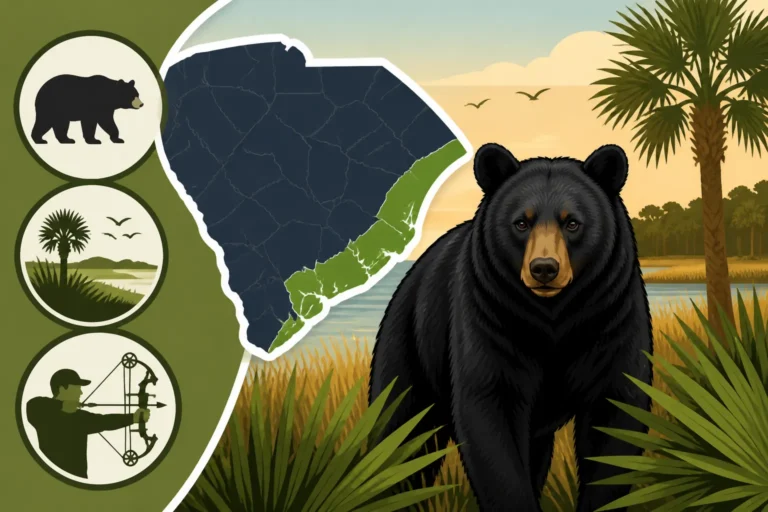
South Carolina’s deer hunting season is divided into four distinct game zones, each with its own set of rules and opening dates. This structure can be a bit of a head-scratcher, especially for hunters new to the state or those used to more uniform statewide seasons. Zone 4, often referred to as the Coastal Plain Zone, stands out from the rest. It encompasses a significant portion of the Lowcountry and coastal counties, known for its unique geography, habitat, and, crucially, its early archery opener.
The Zone System Explained
Imagine the state carved into distinct ecological and management units. That's essentially what South Carolina's game zones are. While Zone 1 covers the mountainous Upstate, and Zones 2 and 3 span the central Midlands, Zone 4 hugs the coast, dipping into some of the most iconic Lowcountry landscapes. Each zone’s regulations are tailored to the specific deer population dynamics, habitat types, and even cultural hunting traditions found within that region. This localized approach is intended to ensure sustainable deer management across the diverse ecosystems of the state.
Understanding which zone your hunting property or public land falls into is the absolute first step for any hunter in South Carolina. The lines aren't always intuitive, sometimes splitting counties, so a reliable map or the official SCDNR website is your best friend. For a broader overview, you might find our guide on South Carolina's Four Game Zones helpful in mapping out the entire state's hunting landscape.
Why Zone 4 Kicks Off Early
The question often arises: why does Zone 4 get to start so much earlier than the other zones? It's not just a perk for coastal residents; there's a biological basis behind it. Deer in the warmer, more southern climates, like those found in Zone 4, tend to begin their reproductive cycle, or rut, earlier in the year. This earlier rut means fawns are typically born earlier, which in turn means bucks shed their velvet and does finish lactation sooner.
By opening the archery season in Zone 4 in mid-August, wildlife managers are aligning the hunting pressure with the deer's natural biological rhythms, particularly during a time when bucks are often still on predictable summer patterns, making them more visible and vulnerable to archery hunters. This earlier start allows for opportunities before the intense heat and humidity of August truly peak and before the full effect of acorn drop scatters deer widely. It's a calculated decision designed to provide ample opportunity while still managing the herd effectively. It's an opportunity we deep-south hunters truly appreciate, even if it means sweating through our camo!
The Specifics of Zone 4 Archery Opening Day
Now, let's get down to brass tacks: when can you actually nock an arrow in South Carolina's Zone 4? The excitement around this particular opener is palpable, as it truly kicks off the deer season for many, even as other parts of the state wait patiently.
Key Dates and Calendar Markers
The South Carolina Zone 4 archery season typically opens on August 15th each year. This mid-August date is a firm fixture on the calendar for Lowcountry bowhunters. It's important to remember that this date applies to private lands within Zone 4. While many Wildlife Management Areas (WMAs) in Zone 4 might follow this general opener, it's absolutely critical to double-check specific WMA regulations, as some areas may have different opening days or special quota hunts. Always consult the official SCDNR regulations digest or a mapping app like GoHunt which often integrates WMA boundaries and rules.
This early start gives Zone 4 bowhunters a unique window of opportunity before the traditional firearms seasons begin. It's a time when deer are still relatively unpressured, often following predictable patterns from summer feeding. Preparing for this specific date is key, and understanding all the nuances will help you make the most of your time afield. Our detailed guide on Hunting the Earliest Coastal Zone Opener dives even deeper into tactics for this unique time.
Antlered and Antlerless Opportunities
On South Carolina Zone 4 archery opening day, hunters are generally permitted to harvest both antlered and antlerless deer, adhering to the statewide bag limits and daily limits. For residents, the statewide antlered bag limit is typically five deer, with no more than two harvested on any WMA. Non-residents usually have a limit of two antlered deer statewide.
As for antlerless deer, the regulations often allow for two antlerless deer per day, provided you possess the appropriate antlerless tags. These tags are crucial for staying legal and managing the deer herd. Remember, every deer harvested, whether antlered or antlerless, must be reported to the SCDNR through the Game Check system. This reporting is vital for wildlife management, helping the state track harvest numbers and population trends. Keep in mind that specific WMAs might have different antler point restrictions or antlerless tag requirements, so again, always verify for your exact hunting location.
Preparing for the Early Archery Opener in Zone 4
Hunting in mid-August in South Carolina is a unique beast. It's not the crisp, cool autumn days many hunters dream of. It's hot, it's humid, and the bugs are abundant. Proper preparation isn't just about finding deer; it's about staying comfortable, safe, and ensuring your hard-earned venison doesn't spoil.
Scouting the Coastal Lowcountry
Pre-season scouting in Zone 4 is paramount, and it needs to be done with the summer conditions in mind. Forget about looking for scrape lines and rub activity; those come later. In August, your focus should be on food sources and water. Deer in the Lowcountry will be hitting early mast crops like wild persimmons and muscadines, as well as agricultural fields if you’re hunting near farms. They’ll also be spending a lot of time near water sources, not just for drinking, but for cooling off and escaping insects.
Think about creek bottoms, swamp edges, and even smaller ponds. These areas often provide denser cover and a slightly cooler microclimate. Using trail cameras strategically placed on trails leading to these food and water sources can give you invaluable insight into deer patterns. When you're out scouting, move slowly and observe everything, noting prevailing wind directions and potential entry and exit routes that minimize disturbance. Understanding typical deer movement in coastal habitats is key, and our article on Hunting Lowcountry Swamp Deer provides excellent insights for this type of terrain. Many hunters find digital mapping tools, like those offered by GoHunt, invaluable for identifying potential hotspots and planning their approach well before the season arrives.
Essential Gear for Warm-Weather Archery
When the thermometer reads 90 degrees and the humidity is thick enough to chew, your gear choices become critical. Lightweight, moisture-wicking clothing is a non-negotiable. Look for fabrics designed to pull sweat away from your body, helping you stay as cool as possible. Camo patterns with more open, airy designs can also aid in ventilation.
Snake boots are practically a mandatory piece of equipment in Zone 4. The dense cover and damp conditions are prime habitat for venomous snakes like cottonmouths and rattlesnakes, and an encounter is not a matter of if, but when. Good quality insect repellent with a high DEET concentration is also a must-have to combat the relentless mosquitoes and ticks. Beyond personal comfort, think about meat care. An early season kill in August means you need to field dress quickly and get that animal cooled down fast. Large coolers packed with ice, game bags, and perhaps a plan for an immediate trip to a processor are vital. You'll find more tips on keeping cool and protecting yourself in our guide to Warm-Weather Sitting Strategy in South Carolina. And for dedicated protection against those buzzing pests, check out Bug Protection for Early Archery Season.
Pre-Season Practice and Setup
Your archery setup needs to be dialed in for hunting those early season deer. The heat and humidity can affect bow strings and sights, so consistent practice in conditions similar to what you’ll experience afield is important. Practice shooting from an elevated position if you plan to use a treestand, and simulate potential shot angles you might encounter in dense Lowcountry cover.
Broadhead selection is also crucial. Ensure your broadheads are razor-sharp and flying true with your practice tips. The last thing you want on opening day is a poorly flying arrow due to mismatched broadheads. Consider a durable, penetrating broadhead for those close-range, potentially heavy-boned shots. Finally, if using a treestand, set it up and trim shooting lanes well in advance of opening day. Deer are very sensitive to disturbance, and you want the area to be calm and undisturbed when the season actually arrives. A pre-set stand that has been hanging for a few weeks will be far less intrusive than one you put up just hours before the hunt.
Navigating Regulations and Ensuring a Smooth Hunt
Beyond knowing the dates and preparing your gear, a successful and legal hunt hinges on a thorough understanding of South Carolina's hunting regulations. There's nothing worse than having a great hunt marred by a preventable administrative misstep.
License and Permit Essentials
Before you even step foot in the woods on August 15th, ensure your South Carolina hunting license and big game permits are up-to-date. Every deer hunter, resident or non-resident, needs a valid hunting license. Additionally, you'll need a big game permit which provides the deer tags necessary for harvesting deer. These tags are integral to the state's management strategy.
You can purchase these licenses and permits easily online through the Go Outdoors SC portal, or at authorized vendors across the state. It's always a good idea to have physical copies or digital proof of your licenses and tags readily accessible while hunting. For a detailed breakdown of costs and options, our guide on South Carolina Hunting Licenses and What They Cost is an excellent resource.
Deer Reporting Requirements
South Carolina employs a mandatory deer harvest reporting system known as "Game Check." Every single deer harvested, regardless of whether it's antlered or antlerless, must be reported to the SCDNR within 24 hours of harvest and before the carcass is dismembered or leaves the state. This system is not just a formality; it's a vital tool for wildlife biologists to monitor herd health, population density, and harvest trends.
You can report your harvest quickly and easily through the Go Outdoors SC app, the SCDNR website, or by calling a toll-free number. Make sure you have your tag number, the county of harvest, and details about the deer (sex, antler points) ready when you report. Failing to report a harvested deer can result in fines and penalties, so don't skip this crucial step! Learn more about the specific requirements in our article on South Carolina Deer Reporting Requirements.
Public Land Considerations in Zone 4
While much of Zone 4 hunting occurs on private land, there are also significant public land opportunities, notably within areas like the Francis Marion National Forest and various Wildlife Management Areas (WMAs). If you plan to hunt on public lands, you'll likely need to purchase an additional WMA permit in addition to your regular hunting license and big game permits.
It's absolutely imperative to review the specific regulations for the WMA or National Forest you intend to hunt. These areas often have unique rules regarding hunting days, bag limits, allowable weapons, and sometimes even a quota hunt system requiring advance application. For instance, parts of the Francis Marion National Forest, while within Zone 4, might have different archery season dates or specific rules for certain parcels. Always check the current SCDNR regulations digest and any specific area maps before heading out. Using mapping apps with public land overlays, like GoHunt, can be immensely helpful in identifying these areas and understanding their boundaries and rules.
Here's a quick comparison of the archery opening dates for Zone 4 versus Zone 1, which typically opens much later:
| Feature | South Carolina Zone 4 (Coastal) | South Carolina Zone 1 (Upstate) |
|---|---|---|
| Archery Opening Day | August 15th | October 1st (typically) |
| Primary Habitat | Lowcountry swamps, pine flats, fields | Mountainous, rolling hills, hardwoods |
| Rut Timing | Generally earlier (Sept-Oct peak) | Generally later (Oct-Nov peak) |
| Summer Conditions | High heat, extreme humidity, bugs | Warm, less extreme humidity |
| Key Food Sources Early | Wild berries, early mast, agriculture | Limited early mast, browse |
This table highlights the stark contrast in hunting conditions and timing between the zones, emphasizing why Zone 4's early opener is such a unique proposition for bowhunters.
Disclaimer
Please note that hunting regulations, seasons, and licensing requirements can change. Always consult the most current South Carolina Department of Natural Resources (SCDNR) regulations digest and official website before planning any hunting trip. This guide is for informational purposes only and does not supersede official state regulations.