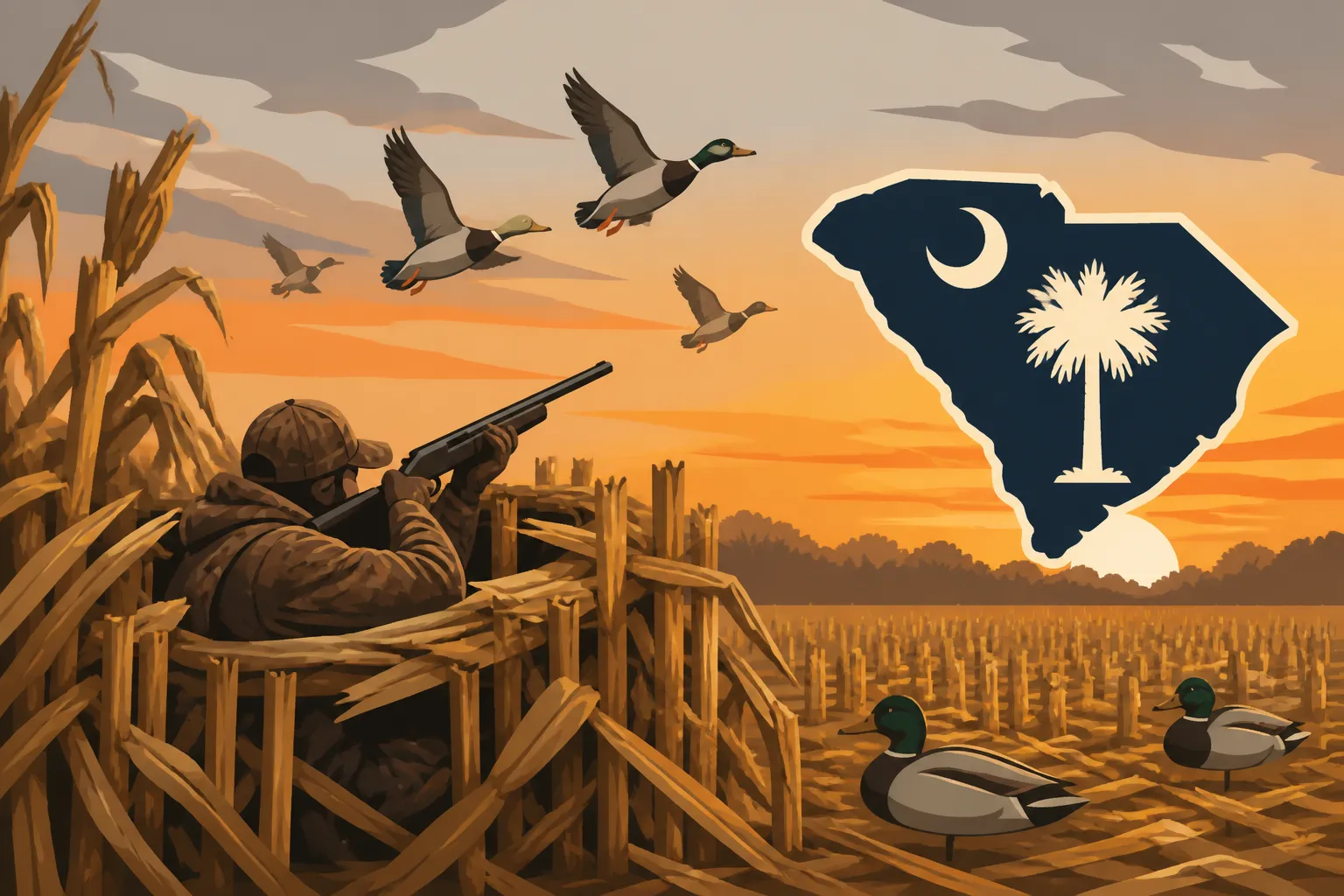
Layout Blinds for South Carolina Cut Corn
The frustration of trying to hide in plain sight when the ducks and geese decide that a freshly cut cornfield is the buffet of choice is a feeling many South Carolina waterfowl hunters know all too well. You've scouted the birds, seen them pitching into that golden stubble, and now the challenge is getting close enough to them without sticking out like a sore thumb. This guide is all about mastering the art of concealment in those wide-open spaces, specifically by utilizing layout blinds in South Carolina's cut cornfields, turning a potential bust into a successful hunt.
The Power of the Low Profile: Why Layout Blinds Shine in Cut Corn
Imagine a crisp fall morning in the Pee Dee or a chilly afternoon in the Midlands, and you’re watching hundreds of ducks or a steady stream of geese funneling into a vast, flat expanse of cut corn. Traditional upright blinds or even natural cover might be miles away, or simply non-existent. This is precisely where layout blinds become your best friend. They offer a level of concealment that's simply unmatched in open field settings.
What Exactly is a Layout Blind?
At its heart, a layout blind is a low-profile, coffin-like hunting blind designed to allow a hunter to lie down in a field, staying completely out of sight. Most blinds consist of an aluminum or steel frame, covered with heavy-duty fabric, often in camouflage patterns designed to blend with agricultural fields. They usually have a hinged lid that can be quickly opened for a shot, and typically a headrest or back support for comfort during long waits. The idea is to become one with the stubble, completely disappearing into the landscape until the moment of truth.
Think about it: when a flock of mallards or a gaggle of Canada geese are circling high above, their eyes are incredibly sharp. They're looking for anything out of place – a vertical silhouette, a glint of sunlight off equipment, or a patch of unnatural color. A layout blind, properly brushed in, eliminates all of these giveaways by presenting a profile that's essentially flat to the ground, mimicking the natural contours and sparse cover of a harvested field.
Why They're Perfect for South Carolina's Cut Corn
South Carolina has its fair share of coastal marshes and flooded timber for waterfowl, but don't sleep on the agricultural fields, especially once the corn is cut. Ducks, particularly mallards and pintails, and geese, both resident and migratory, quickly learn to utilize these fields for waste grain, making them prime hunting locations.
The problem, as we discussed, is the lack of cover. A layout blind allows you to hunt these fields effectively by literally hiding in them. You can position yourself directly in the birds' flight path, right on the "X" where they want to land, without building a makeshift blind that might look suspicious. This direct proximity to the birds’ preferred feeding areas drastically increases your shot opportunities, turning an otherwise unhuntable field into a hot zone. It’s about adapting to the birds' behavior, rather than trying to force them to a traditional hide.
Picking the Perfect Layout Blind for Your South Carolina Adventures
Just like choosing the right call or the perfect shotgun choke, selecting a layout blind isn't a one-size-fits-all decision. South Carolina's varied conditions, from damp morning dew to sandy soil, and the specific crops you're hunting (like corn stubble) mean some features will be more beneficial than others.
Key Features to Look For
When you're sifting through the options, consider these points to ensure your blind stands up to the rigors of South Carolina field hunting:
- Comfort: You're going to be lying down for hours, sometimes in chilly, damp conditions. A comfortable backrest, ample padding, and enough room to shift positions are crucial. Trust me, a stiff neck or numb legs will make even the hottest shoot miserable. Some blinds offer adjustable backrests, which is a game-changer for long waits.
- Concealment Factor: This is paramount. Look for blinds with a low profile that naturally blends into the ground. Integrated stubble straps or loops on the blind are incredibly useful for attaching natural vegetation from the field, like corn stalks or dried weeds, to break up the blind's outline. This is where your personal brushing-in efforts really pay off.
- Durability and Weather Resistance: South Carolina weather can be unpredictable. You need a blind made from tough, waterproof or highly water-resistant materials to keep you dry and protect against wear and tear from rough corn stubble. Reinforced stress points and sturdy zippers are indicators of quality that will last more than a season.
- Portability: You might need to move your blind around the field based on scouting or changing wind directions. Look for blinds that fold up relatively compactly and aren't excessively heavy. Straps or handles for carrying are a bonus, especially when you're hauling decoys and a shotgun across a muddy field.
- Ease of Setup and Takedown: The last thing you want to do in the predawn chill is wrestle with a complicated blind. Simple, intuitive designs that pop up and fold down quickly are a blessing.
Camouflage Patterns for Cut Corn
While many general-purpose field camo patterns will work, aim for one that specifically mimics dried vegetation and corn stubble. Think patterns with tans, browns, and faded yellows, along with darker "shadow" elements. These colors will blend seamlessly with the remaining stalks and soil of a cut cornfield. Brands like those sometimes featured by GoHunt or other outdoor retailers offer a range of specialized patterns designed for agricultural environments, ensuring you disappear into the field, not stand out.
You want the pattern to break up your shape effectively. A solid color, even a drab one, can still appear as an unnatural blob to wary waterfowl. The best patterns imitate the random, broken textures of dry stalks and dirt, making your blind visually "melt" into the field.
| Feature | Ideal for South Carolina Cut Corn Hunting |
|---|---|
| Profile | Ultra-low profile to mimic flat ground contours, minimizing shadow. |
| Camo Pattern | Faded tans, browns, and yellows with dark elements; patterns mimicking corn stubble or dry grass. |
| Stubble Straps | Abundant and well-placed straps/loops for attaching generous amounts of local vegetation for ultimate disguise. |
| Material | Heavy-duty, waterproof or water-resistant fabric (e.g., 600D polyester) with reinforced stress points. |
| Comfort | Padded backrest, floor, and headrest; adequate interior room for shifting positions; easy-entry zipper access. |
| Frame | Durable, lightweight aluminum or steel frame that sets up and folds down quickly and easily. |
| Portability | Compact folding design with carry straps or handles for easy transport across fields. |
Mastering the Art of Setup and Concealment
Having the best layout blind in the world won't do you any good if you don't set it up correctly. In South Carolina's open cornfields, proper placement and meticulous brushing-in are absolutely non-negotiable for success.
Strategic Placement in the Field
Before you even think about laying out your decoys, consider your blind placement. This is where careful scouting, perhaps with the aid of tools like the GoHunt app to view aerial photos, truly pays off.
- Scout the "X": The most critical step is knowing exactly where the birds want to be. Are they landing on a particular ridge in the field? Is there a subtle dip where water collects? Are they favoring one corner over another? Watch them, and try to place your blinds as close to their preferred landing zone as possible without spooking them.
- Wind Direction is Key: Always set your blinds with the wind at your back, or at least a quartering wind. Ducks and geese almost always land into the wind, meaning they'll cup their wings and approach your spread from the front, giving you clear shot opportunities as they commit.
- Avoid Silhouettes: Even a low-profile blind can silhouette if placed on a slight rise with the sun behind it. Try to find the lowest spot, a slight depression, or even a small clump of weeds to help break up your outline naturally. Pay attention to how the light will hit the field during your hunting window.
- Decoy Spacing: Your blinds should be positioned just outside your primary decoy spread, typically 15-25 yards from the "kill hole" you've created. This puts the birds right in your effective shooting range when they commit. Consider how your Decoy Spreads for ACE Basin Divers might be adapted for a dry field.
Brushing In: Your Ultimate Camouflage Trick
This is the make-or-break step. A layout blind, fresh out of the bag, is still a distinct shape. You need to make it disappear.
- Gather Local Vegetation: Before you even set your blind up, walk around the edges of the cut cornfield and gather plenty of corn stalks, dried weeds, and any other natural vegetation that matches the surrounding environment. You'll need more than you think!
- Cover Every Inch: Once your blind is in position, start tucking the gathered vegetation into the stubble straps or loops on the blind. Pay special attention to the edges and any areas where the blind's fabric is most exposed. You want to break up the hard lines of the blind, making it look like a random pile of field debris. Think about creating depth and texture, not just a flat blanket of cover.
- Check from All Angles: Step back and observe your blind from different directions, especially from the vantage point of incoming birds. Get low to the ground. Is there any shiny fabric? Does it look like a lump? Are there any shadows that give it away? Adjust and add more cover until you're truly satisfied that it's invisible. This might mean crawling on your hands and knees to get the right perspective. This attention to detail is what separates a mediocre hunt from a successful one.
- Consider Your Gun: Even your gun can give you away. Lay it flat in the gun trough of the blind, or cover it lightly with a piece of camouflaged netting or more stubble. A dark, unnatural shape or a glint of metal can easily flare birds at the last second.
Hunting Tactics and Safety in Layout Blinds
Once your blinds are perfectly brushed in and your decoy spread is set, it's time to wait. But the hunt doesn't end with concealment; it continues with smart tactics and unwavering safety.
Effective Calling and Bird Movement
Calling is crucial when hunting ducks and geese over cut corn. Your calls are what draw the birds in, convince them your spread is a safe place, and guide them to your kill hole.
- Realistic Calling: For ducks, use a variety of calls – greeting calls, chuckle, comeback calls, and feeding calls – to mimic a contented flock. For geese, a mix of honks, clucks, and murmurs will sound inviting. Practice being realistic; erratic or overly aggressive calling can do more harm than good.
- Read the Birds: Pay close attention to how the birds respond. Are they locking up and coming straight in? Or are they flaring at a certain point? Adjust your calling volume and intensity based on their reactions. Sometimes, less is more, especially with pressured birds. You might be hunting the same birds that hunters in other parts of the state have been chasing, so subtle approaches often work best. Check out Hunting the South Carolina Rut by Zone for how important reading animal behavior is, even for different species.
- Patience is a Virtue: Sometimes the birds will circle multiple times, wary of anything amiss. Hold your calls, let them work, and only call when they turn or seem to lose interest. Don't rush them. Let them commit fully.
Shooting Lanes and Safety First
When hunting from a layout blind, safety is paramount. You're lying down, often in close proximity to other hunters, and shooting over decoys at incoming birds.
- Define Your Shooting Lane: Before the birds arrive, mentally (or even physically, with a quick glance at your neighbors) define your safe shooting lane. Know exactly where your muzzle is pointing and ensure it's clear of other hunters, dogs, or equipment. In a multi-hunter setup, clear communication is essential.
- Muzzle Control: Always maintain strict muzzle control. When the lid of your blind pops open, your gun should already be pointing safely downrange. Never sweep your muzzle across other hunters or point it skyward unnecessarily.
- Communicate the Shot: In a group hunt, decide beforehand on a "shooter" or a signal for when to take the shot. Often, the leader or the person who spots the birds first will call the shot. Everyone should wait for that signal to ensure a coordinated, safe, and effective volley.
- Blaze Orange for Entry/Exit: While you're concealed during the hunt, remember to wear blaze orange or blaze pink when walking to and from your blinds, especially during legal shooting hours. Even though you're duck hunting, other hunters may be in the area, and safety is always first. Review South Carolina Blaze Orange Requirements to be sure you're compliant.
- Retrieve Cripples Immediately: A wounded bird needs to be retrieved quickly and humanely. Have a plan for this, whether it's having a dog handler ready or designating someone to sprint out and get the bird. This reduces suffering and ensures you recover your game.
By combining meticulous setup, smart calling, and unwavering safety, your layout blind hunt in a South Carolina cut cornfield can be incredibly rewarding. It's about respecting the birds, the environment, and your fellow hunters. While you might typically think of Hunting Coastal Marsh Waterfowl with different gear, adapting your approach to these agricultural fields opens up a whole new world of opportunity.
Beyond the Shot: Respecting the Resource
Successfully harvesting waterfowl from a layout blind in a South Carolina cut cornfield is a thrilling experience. But as responsible hunters, our commitment extends beyond pulling the trigger. It's about ensuring we leave the field as clean as we found it and respecting the game we pursue.
Post-Hunt Field Etiquette
Once the hunting is done, or if you're packing up for the day, take a few minutes to ensure the area is clean and tidy.
- Pack Out Everything You Packed In: This should go without saying, but it's astonishing how often trash is left behind. Shell casings, snack wrappers, empty water bottles – all of it needs to come out with you. Leave no trace of your presence. This goodwill helps maintain access to private lands and preserves the integrity of public hunting areas.
- Remove All Decoys and Blinds: Don't leave your setup out overnight unless you have explicit permission and a solid plan to protect your gear. Not only is it a risk for theft or damage, but it can also deter birds from returning to the field. Leaving blinds out can also cause unnecessary questions from landowners or other hunters.
- Check for Leftover Stubble: If you used a lot of natural vegetation to brush in your blind, try to scatter it back into the field or remove any large clumps that might look out of place. The goal is to make it seem as though you were never there.
Managing Your Harvest
After a successful day in the layout blind, you'll likely have some birds to process. In South Carolina, there are specific requirements you need to be aware of.
- Game Check: Remember, migratory birds, including ducks and geese, are often subject to federal reporting requirements. Make sure you understand how to register your harvest, typically through a system like HIP (Harvest Information Program) certification when you purchase your South Carolina Migratory Bird Certification. This data helps wildlife agencies manage populations.
- Proper Care of Birds: Especially in warmer South Carolina weather, proper field dressing and cooling of your birds are essential to preserve the meat quality. Get them on ice quickly. If you're hunting in a remote area, having a plan for this ahead of time, such as bringing coolers with ice, is critical. This is similar to the importance of Meat Care Gear for South Carolina Hunters for larger game.
- Bag Limits: Always be mindful of your daily and possession limits for each species. Know your South Carolina Duck and Goose Bag Limits before you head out, and count your birds carefully. Exceeding limits can lead to serious legal trouble and impacts conservation efforts.
Hunting from a layout blind in South Carolina's cut cornfields offers a unique and often highly productive waterfowl experience. It demands attention to detail, adaptability, and a deep respect for the resource. By mastering these techniques, you'll not only enjoy more successful hunts but also uphold the traditions and ethics of responsible hunting.
Disclaimer
This article is for general informational purposes only and does not constitute professional advice. Laws, prices and regulations vary by location and change over time. Consult a qualified professional for guidance on your specific situation.