South Carolina Beaver Population and Damage
If you're a landowner, farmer, or even just a homeowner with a pond or creek nearby in South Carolina, chances are you've either dealt with or worried about beavers. These industrious rodents, while fascinating creatures, can quickly turn a peaceful waterway into a flooded nightmare, damaging valuable timber, crops, and critical infrastructure. This guide will walk you through understanding South Carolina's growing beaver population, the specific types of damage they inflict, and, most importantly, actionable strategies to manage them effectively.
The Growing Presence of Beavers in South Carolina
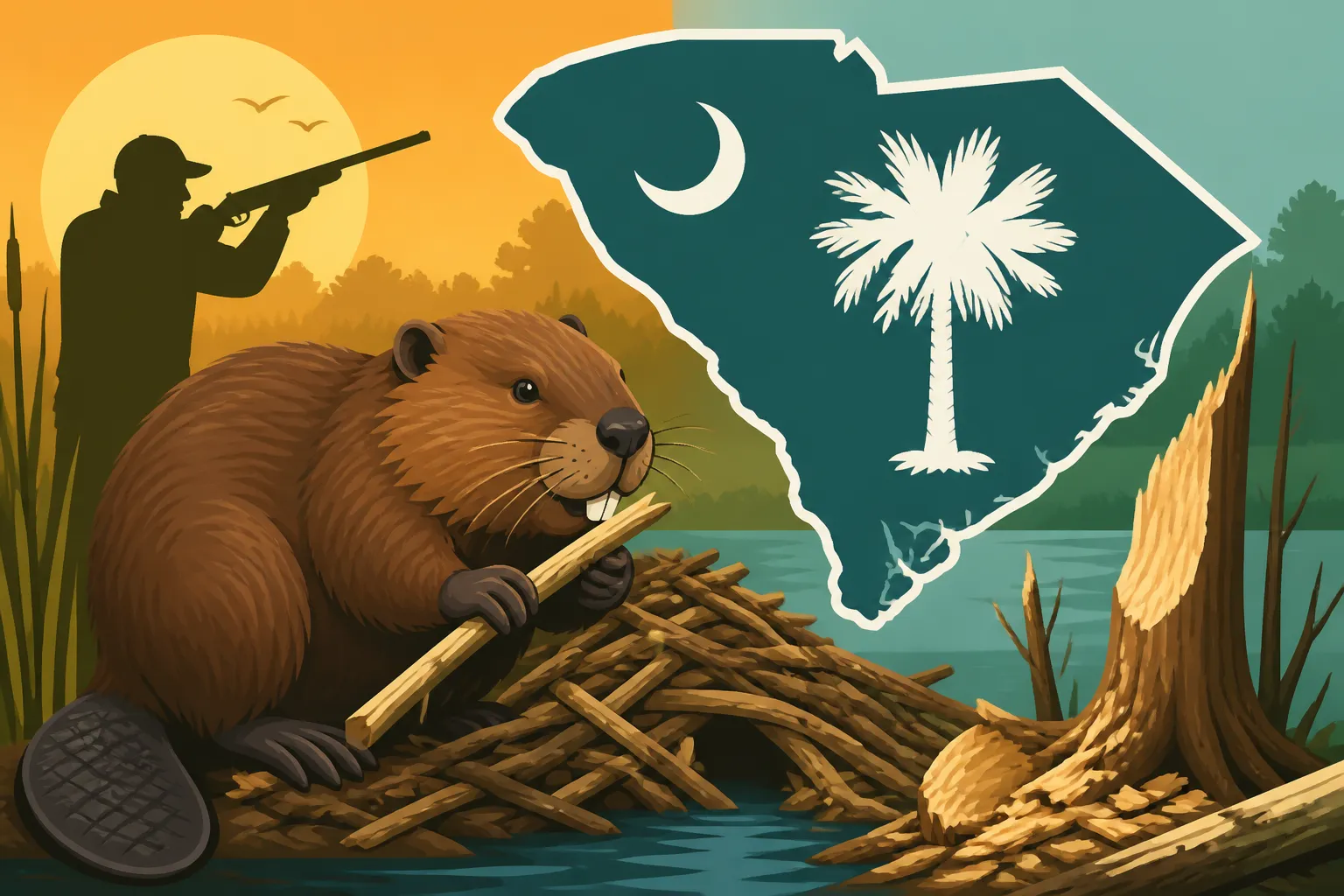
Beavers, with their distinctive flat tails and relentless work ethic, are a significant part of South Carolina's wildlife, and their numbers have been steadily on the rise. While they play a vital role in wetland creation, their unchecked expansion often leads to conflict with human interests.
Historical Context and Current Population Trends
It's hard to imagine now, but North American beavers were actually hunted to near extinction across much of the continent, including South Carolina, by the late 19th and early 20th centuries. Their valuable fur was a primary driver of the fur trade for centuries. However, through conservation efforts, reintroductions, and adaptable nature, beaver populations have made a remarkable comeback. In South Carolina, they are no longer a rarity; in many areas, they are abundant. You might even call their recovery a resounding success story, at least from the beaver's perspective.
Today, beavers are found in nearly every county where suitable water sources exist, from the mountain streams of the Upstate to the low-lying swamps and agricultural ditches of the Coastal Plain. Their numbers are robust, and they continue to expand their range, particularly into areas with increased human development where new waterways are created, and old ones are maintained. This resurgence means that encounters and conflicts are becoming more common, making it crucial for landowners to understand their behavior and impact.
Why Beavers Thrive in the Palmetto State
South Carolina's diverse landscape offers an almost perfect environment for beavers to flourish. Our state is crisscrossed by countless rivers, creeks, and smaller streams, dotted with ponds and lakes, and blessed with vast tracts of wetlands, especially in the Lowcountry. This abundance of water is the primary ingredient for a thriving beaver population.
Beyond just water, beavers need food and building materials. South Carolina's prevalent hardwood trees – like sweetgum, maple, and willow – are prime choices for both their diet and their dam construction. Even pine, while not preferred for eating, can be incorporated into dams if hardwoods are scarce. Agricultural areas, with their irrigation ditches and cultivated fields, also inadvertently create inviting habitats, offering both water and often easy access to food sources. The mild climate also allows for year-round activity, meaning their dam-building and foraging efforts are rarely slowed by harsh winters.
Understanding Beaver Damage: More Than Just Chewed Trees
When most people think of beaver damage, they envision a tree gnawed at its base. And while that's certainly part of it, the true scope of destruction wrought by beavers in South Carolina goes far beyond a few felled trees. Their innate drive to build and maintain dams can lead to widespread flooding and significant economic losses.
Agricultural and Timber Impacts
For South Carolina's farmers and foresters, beaver activity can be a persistent and incredibly frustrating problem. Beavers damming up drainage ditches or small creeks can quickly flood low-lying fields. This waterlogging can destroy row crops like corn, soybeans, and cotton, leading to substantial financial losses as planting windows are missed or entire harvests are ruined. Pastures can become submerged, rendering them unusable for grazing livestock. Farmers often face the difficult choice of investing in costly beaver removal or losing valuable acreage.
In timberland, the damage is equally severe, though often slower to manifest. When beavers flood a forested area, trees adapted to drier conditions, such as many species of pine and some hardwoods, will slowly die from root rot and lack of oxygen. This can wipe out stands of valuable timber that represent decades of investment and growth, impacting future harvests and property values. Young pine plantations, in particular, are highly susceptible to inundation, making beaver control a critical aspect of forest management. South Carolina Deer Damage Permits for Farmers often deal with ungulates, but the principle of wildlife damage to agriculture is the same.
Infrastructure and Property Damage
Beyond agricultural and timber losses, beavers pose a significant threat to public and private infrastructure. Their dams, often built with remarkable speed and engineering prowess, can block culverts under roads and driveways, causing water to back up and eventually wash out sections of pavement. This leads to costly repairs, road closures, and can even create dangerous driving conditions. Drainage systems designed to protect homes and businesses can become utterly ineffective once a beaver decides to set up shop upstream.
Homeowners near beaver activity might find their lawns, gardens, or even septic systems flooded. Ornamental trees, shrubs, and fruit trees can be gnawed down overnight, ruining years of careful landscaping. In extreme cases, sustained water saturation from beaver flooding can compromise the foundations of structures. Furthermore, the felling of larger trees by beavers can sometimes lead to downed power lines, creating safety hazards and widespread power outages. It's a truly underestimated impact on our daily lives.
Ecological Concerns and Benefits
It's important to remember that beavers, in their natural state, are ecosystem engineers. Their dam-building creates wetlands that provide habitat for a diverse array of wildlife, from ducks and wading birds to amphibians and fish. These wetlands can also improve water quality by filtering pollutants and recharging groundwater. So, while we focus on the damage, there's an undeniable ecological benefit when their populations are balanced.
However, when beaver populations become overabundant or establish themselves in areas unsuitable for their activity, these benefits can turn into ecological problems. Flooding can alter natural drainage patterns, converting diverse habitats into monocultures of wetland plants. While some fish species thrive, others might be negatively impacted by blocked migration routes or altered water temperatures. The introduction of non-native vegetation can also occur as new water regimes favor different plant communities. It's a delicate balance, and often, in developed or agricultural areas, human needs dictate intervention. You can often see the evidence of their work if you go Scouting South Carolina Public Land Before Season along waterways.
Managing Beaver Populations and Mitigating Damage
Dealing with beavers is rarely a one-and-done solution; it often requires a combination of strategies and a proactive approach. Understanding the legal framework and employing effective control methods are key to protecting your property and resources.
Legalities and Regulations for Beaver Control
In South Carolina, beavers are classified as furbearers, but due to their propensity for causing extensive damage, they are generally treated as nuisance animals. This means that on private property, landowners typically have considerable flexibility in managing them. Unlike some other game species, you usually don't need a special permit to remove a beaver that is causing damage to your property. They can be trapped or even shot year-round on private land without specific season restrictions.
However, it's always prudent to check the most current regulations with the South Carolina Department of Natural Resources (SCDNR) or local authorities, especially if you're considering methods beyond basic trapping or are on public land. Rules can sometimes change, and knowing the specifics ensures you're operating within the law. If you're planning to run a trapline, a South Carolina Trapping License Requirements will definitely be needed, and GoHunt can be a useful tool for tracking down regulatory updates or connecting with local wildlife professionals who can clarify these points. It’s also crucial to be aware of South Carolina Trespass and Permission Law if you need to access neighboring properties to address a beaver problem that originates there.
| Type of Land | Specific Regulations | Typical Actions Allowed |
|---|---|---|
| Private Land | Year-round; no permit generally required for nuisance removal. | Trapping, shooting (within legal discharge limits), dam removal. |
| Public Land (WMA) | Requires a WMA permit; specific regulations may apply. Check with SCDNR. | Trapping often restricted; shooting usually by special permit or during specific seasons for other game. |
| Roadside/Public R.O.W. | Contact local county/state highway department. | Usually handled by professional contractors; public intervention discouraged. |
Effective Damage Control Methods
Once you've determined that beaver management is necessary, there are several effective methods at your disposal. The best approach often depends on the scale of the problem, the specific type of damage, and your resources.
-
Trapping: This is often the most effective and direct method for removing problem beavers. Various types of traps can be used, including Conibear-style traps, which are designed for a quick, humane dispatch, or live traps that allow for relocation (though relocation options are often very limited and generally discouraged by wildlife agencies due to disease concerns and simply moving the problem). Leg-hold traps and snares can also be effective. Proper trap placement is critical, typically in active runs, dam breaches, or near lodge entrances. Many experienced trappers, some of whom share their insights on platforms like GoHunt, swear by proper trap selection and placement for success. Learning to set a trap correctly and safely is paramount, especially when you consider Running a Trapline in Rural South Carolina.
-
Dam Removal: Simply tearing out a beaver dam might seem like a straightforward solution, but without removing the beavers themselves, it's often a temporary fix. Beavers are incredibly persistent and will often rebuild a dam overnight, sometimes making it even stronger than before. Dam removal is labor-intensive and can be dangerous, especially if the dam is large or in a precarious location. If you do remove a dam, be prepared for potential flooding downstream if the water level drops too quickly. It's usually best to combine dam removal with beaver removal.
-
Exclusion and Deterrents: For protecting individual trees or specific culverts, exclusion methods can be very effective. Wrapping the base of valuable trees with heavy-gauge wire mesh (hardware cloth) at least 3 feet high can prevent beavers from gnawing them. For culverts, installing a "beaver deceiver" or similar flow device can keep the water flowing through the culvert while still allowing the beaver to maintain a certain water level, reducing their incentive to dam the culvert directly. These devices require ongoing maintenance but can be a long-term solution in specific locations. Fencing can also be used, but given the beaver's ability to dig and chew, it needs to be robust and properly installed.
Long-Term Management and Integrated Approaches
Beaver management is rarely a one-time event, especially in areas with abundant water and food sources. A successful strategy often involves ongoing monitoring, a combination of control methods, and sometimes broader land management changes. Just like with Feral Hogs Across South Carolina, which also reproduce rapidly and cause significant damage, consistent effort is key.
Proactive measures, such as regularly inspecting vulnerable culverts and drainage ditches, can help identify and address new beaver activity before it becomes a major problem. This might involve setting traps early in the season or after a known removal to catch new arrivals. Platforms like GoHunt offer a great way to connect with other landowners or local experts to share strategies and best practices for long-term beaver management. Understanding how South Carolina Wildlife Management Areas deal with similar issues can also provide valuable insight into effective public land management.
Consider the landscape: are there old ditches or low-lying areas that constantly attract beavers? Sometimes, altering the landscape slightly, or implementing more robust drainage solutions, can deter them. For agricultural producers, participating in programs that address wildlife damage, such as those that might offer options like South Carolina's Year-Round Hog Rule on Private Land for other nuisance animals, can provide resources or guidance. Ultimately, managing beavers in South Carolina is an ongoing dance between nature's persistence and human ingenuity, requiring patience and a willingness to adapt your strategies. You can even consider some of the tactics used for South Carolina Hog Hunting Permit Requirements, as sometimes the tools and mindsets overlap for nuisance animals.
Disclaimer
This article is for general informational purposes only and does not constitute professional advice. Laws, prices and regulations vary by location and change over time. Consult a qualified professional for guidance on your specific situation.