Lancaster County Public Land Access
Finding good public hunting land in South Carolina can feel like searching for a needle in a haystack, especially in counties that aren't known for sprawling national forests. Many hunters in places like Lancaster County often face the frustration of limited access, navigating a patchwork of private properties and smaller public tracts. This guide is here to walk you through understanding what public hunting opportunities exist in Lancaster County and how to make the most of them, even when options seem scarce.
The Landscape of Public Land in Lancaster County
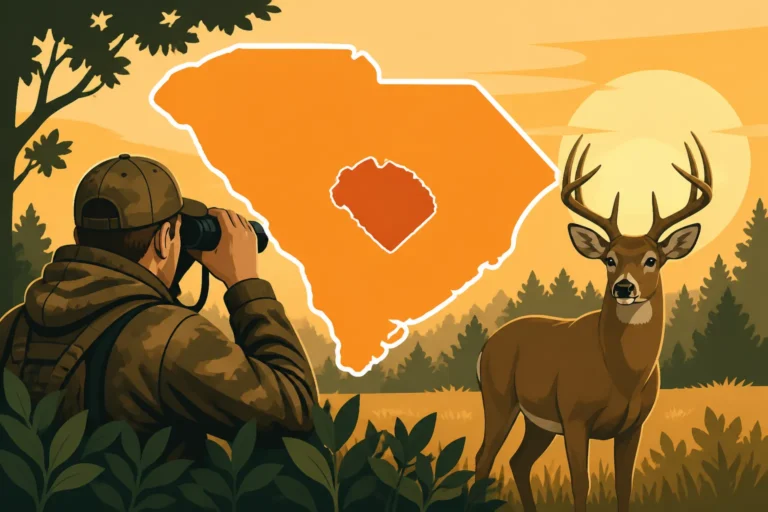
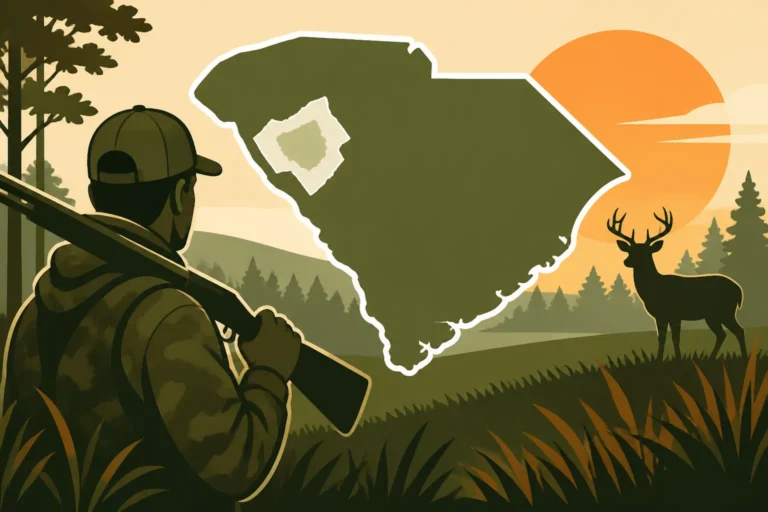
Lancaster County, nestled in the central part of South Carolina, isn't typically defined by vast, continuous stretches of public hunting land like some of the coastal or mountain regions. Instead, hunters often encounter a mix of privately owned timberland, agricultural fields, and residential areas, making the search for accessible hunting grounds a bit more challenging. Understanding this landscape is the first step to a successful hunting season.
Understanding the Limited Options
The reality for hunters in Lancaster County is that large, contiguous blocks of public land are not as common as they might be in, say, the Francis Marion National Forest or parts of the Sumter National Forest. Much of the land in the county is either privately owned, managed for timber production, or dedicated to agriculture. This isn't to say public land is nonexistent, but it requires a more diligent approach to locate and understand. You won't typically find miles of untouched wilderness right at your doorstep. Instead, you'll be looking for smaller, often fragmented parcels managed by the state as Wildlife Management Areas (WMAs), or perhaps specific state forest lands that might offer limited access. It's a different kind of hunting puzzle, one that rewards detailed scouting and a keen eye for overlooked corners.
The prevalence of private ownership means that securing permission for private land access is a critical skill for many local hunters. When public options are few and far between, a friendly conversation with a landowner can open up significant opportunities. However, for those focused solely on public ground, it means working within tighter constraints and often facing more hunting pressure on those limited acres. The key is to manage expectations and be prepared to put in the effort to find the spots that others might miss or deem too small to bother with.
Key Areas and What to Expect
While Lancaster County might not boast massive national forest acreage, it does have specific Wildlife Management Areas (WMAs) that offer hunting opportunities. These WMAs are often smaller in scale but can provide excellent hunting if you do your homework. These areas might include tracts like the Canal Bridge WMA or segments along the Catawba River, which offer unique habitat. Expect these areas to be a mix of river bottomland, hardwood hammocks, and sometimes younger pine stands. The terrain isn't usually as rugged as the Upstate, but you can find plenty of thick cover and creek drainages that deer and turkeys love.
When you're hunting these local WMAs, think about what makes them attractive to wildlife in an otherwise developed or agricultural landscape. Often, it's the water sources, the thickest cover, or the natural food sources that draw animals in. You might encounter rolling hills and open timber in some spots, transitioning into dense undergrowth along creek beds. These areas are magnets for white-tailed deer, wild turkeys, and various small game like squirrels and rabbits. Because these spots can be limited, they often see a fair amount of hunter traffic, especially on opening days. This means early scouting, stealthy entry, and a willingness to get off the beaten path are crucial. Being prepared for diverse terrain, from dry pine needles to muddy creek crossings, is always a good idea. You can also glean a lot of valuable insight by checking out Reading Aerial Photos for Upstate Deer even though Lancaster is not strictly "Upstate", the principles of identifying features like drainages, old logging roads, and changes in timber type are universal.
Navigating Public Land Regulations and Access
Hunting public land in South Carolina, especially within WMAs, comes with its own set of rules and requirements. These aren't just suggestions; they're legally binding regulations designed to manage wildlife populations, ensure hunter safety, and maintain healthy ecosystems. Understanding them thoroughly is paramount before you ever step foot in the woods.
Licensing and Permits for South Carolina Public Land
Before you can even think about chasing game on public land in Lancaster County, you need to ensure all your paperwork is in order. Every hunter, resident or nonresident, needs a valid South Carolina hunting license. Beyond that, if you plan to hunt deer or turkey on most public lands, you'll also need a Big Game Permit. And specifically for WMAs, you absolutely need a WMA Permit. These permits are separate from your base license and are critical for legal access. It's not uncommon for hunters, especially those new to public land, to forget a specific permit, only to find themselves in a bind if checked by a game warden.
The good news is that acquiring these licenses and permits has become much more straightforward thanks to online platforms. You can typically purchase everything you need through the South Carolina Department of Natural Resources (SCDNR) "Go Outdoors SC" platform. It’s important to remember that these licenses and permits are often valid for a specific license year, so always double-check expiration dates before heading out. For a full breakdown of what you might need, you can refer to South Carolina Hunting Licenses and What They Cost or South Carolina WMA Permit Requirements. Don't forget that if you're hunting migratory birds, you'll also need a migratory bird permit and a federal duck stamp, even on public land.
Understanding Specific WMA Rules
Each Wildlife Management Area in South Carolina often has its own unique set of regulations that can differ significantly from general statewide rules. This is particularly true for WMAs near populated areas like Lancaster County, where management strategies might be tailored to specific local conditions or hunter pressure. These rules can dictate everything from specific season dates, legal weapons, hunting hours, and even whether or not certain types of blinds or stands are allowed. Some WMAs might operate under a quota hunt system, requiring hunters to apply and be drawn for specific hunting periods. Others might simply require a sign-in/sign-out procedure at designated kiosks. It's vital to check the SCDNR WMA regulations brochure each year, as rules can and do change.
For instance, a particular WMA might have an archery-only season for deer, while another might allow primitive weapons or even modern firearms during specific windows. You might find that some areas prohibit the use of ATVs or limit access to foot traffic only. Ignoring these specific WMA rules isn't just a minor infraction; it can lead to hefty fines, loss of hunting privileges, and a negative impact on the local hunting community. Always consult the official SCDNR website or the current WMA brochure for the specific WMA you intend to hunt. Resources like South Carolina WMA Quota Hunt Sign-In Process can offer further insights into how these systems operate, helping you avoid any surprises in the field.
Tools and Strategies for Finding Access
Even with limited public land in Lancaster County, the right tools and strategies can unlock hunting opportunities you might otherwise overlook. Modern technology has revolutionized how hunters scout and locate public access, making it easier than ever to differentiate public from private land and find those overlooked pockets.
Utilizing Digital Mapping Resources
In a county with fragmented public land, digital mapping apps are your best friend. Services like onX Hunt have become indispensable for countless hunters. These apps overlay public and private land boundaries directly onto detailed topographic maps and aerial imagery, allowing you to instantly see where public access exists. Imagine being able to zoom in on a small WMA tract, identify its boundaries, and then pinpoint nearby public access points, all from your phone. onX Hunt can also show you land ownership, helping you identify buffer zones or areas where approaching a landowner for permission might be feasible. It’s a game-changer for understanding the complex land mosaic of counties like Lancaster.
Beyond simply showing property lines, these apps allow you to mark waypoints for potential stand locations, track your movement, and even download maps for offline use, which is crucial if you find yourself in an area with spotty cell service. Another excellent resource is GoHunt, which offers similar robust mapping features tailored for hunters, often integrating hunting unit boundaries, historical harvest data, and specific regulations. Before you even set foot in the woods, you can spend hours digitally scouting, identifying pinch points, dense cover, water sources, and potential bedding areas. This saves you valuable time and effort, ensuring that when you do hit the ground, you're doing so with a well-researched plan. You can also explore the functionalities of Using the Go Outdoors SC Map Tool which is an official resource and often has the most up-to-date WMA boundaries and regulations.
Scouting and On-the-Ground Reconnaissance
While digital maps are powerful, there's no substitute for boots-on-the-ground scouting. Especially in areas like Lancaster County where public land can be tucked away or less obvious, physical scouting is critical to understanding the nuances of the terrain and game movement. Think of digital maps as your blueprint, and on-the-ground scouting as the process of bringing that blueprint to life. Start by identifying likely entry points and then walking the perimeter of the public land, looking for fresh sign: rubs, scrapes, tracks, and droppings. Pay close attention to transition areas where different habitat types meet, or where thick cover borders more open feeding areas.
When you're out there, look for signs of other hunters. If you see numerous boot prints, old stand locations, or discarded scent wafers, you know that area gets pressure. This is where the strategy of Finding Ground Others Walk Past becomes incredibly valuable. Often, the best spots are a little harder to reach, involve crossing a creek, or are just a bit farther from the road than most hunters are willing to walk. These overlooked pockets of public land can hold surprisingly good numbers of deer and turkey. Always consider the wind and thermals, especially near water sources or elevation changes, as these factors dictate how you approach a stand location without spooking game. Scouting South Carolina Public Land Before Season is not just a good idea; it's a necessity for success, allowing you to adapt your strategy to the specific conditions you find.
General Hunting Considerations for Lancaster County
Hunting in Lancaster County, like anywhere else, requires a thoughtful approach to seasons, species, and the challenges presented by sharing the landscape with private landowners. Understanding these overarching considerations will help ensure a safe, legal, and ultimately more successful hunting experience.
Game Species and Seasonal Focus
For most hunters in Lancaster County, the primary focus will be on white-tailed deer and wild turkeys. Deer populations are generally healthy throughout the state, and Lancaster offers opportunities for both archery and firearm seasons. The county is part of South Carolina's Game Zone 3, which typically means a specific set of deer season dates that often open earlier than the Upstate but later than the coastal zones. This zone structure dictates when you can pursue deer with various weapons. You’ll find deer utilizing the mixed pine and hardwood forests, creek bottoms, and agricultural edges. Turkeys are also present, offering exciting spring hunting opportunities. South Carolina Deer Season Structure Explained provides a comprehensive look at how these zones work, and South Carolina Spring Turkey Season Rules will detail specific regulations for those gobblers.
Beyond big game, Lancaster also provides good opportunities for small game hunting. Squirrels are abundant in mature hardwood areas, and rabbits can be found in thick brushy cover and fencerows. Dove hunting is popular in agricultural areas, particularly around harvested fields where private land access is often sought. While not as common, some predator hunting for coyotes can also be pursued year-round, often as a way to help manage their populations, which can impact deer and turkey fawn/poult survival. Always consult the most current SCDNR regulations for specific season dates, bag limits, and legal methods of take for each species, as these can vary year to year.
Respecting Private Land Boundaries
In a county like Lancaster, where public and private lands are often interwoven, respecting property boundaries isn't just a courtesy—it's a legal and ethical imperative. Hunters on public land must be acutely aware of where their hunting grounds end and private property begins. A stray step, an unrecovered animal, or even a missed shot could lead to an unintentional trespass or conflict with a landowner. This is where digital mapping tools, like onX Hunt, shine, providing clear visual boundaries that can be invaluable in the field. But even with technology, having a keen eye for physical markers like fences, posted signs, or property line paint is essential.
If an animal you've legally harvested crosses onto private property, South Carolina law generally allows for the retrieval of game, but it often requires that you first make a reasonable effort to contact the landowner for permission. Walking onto private land without permission, even to retrieve an animal, can be considered trespassing. Building good relationships with landowners in areas adjacent to public land, if possible, can make these situations much smoother. Always err on the side of caution. If you are unsure about a boundary, stay on the public side. For detailed information, you should review Finding South Carolina Property Lines and South Carolina Trespass and Permission Law to understand your rights and responsibilities. Being a responsible hunter means not only following game laws but also being a good steward of the land and a respectful neighbor.
| Aspect of Public Land Hunting | Consideration for Lancaster County | Importance |
|---|---|---|
| Land Type | Primarily WMAs, smaller tracts | High |
| Terrain | Mixed hardwoods, pine, river bottom, agricultural edges | Moderate |
| Hunter Pressure | Can be high due to limited options | High |
| Key Species | Deer, Turkey, Squirrel, Rabbit, Dove | High |
| Licensing | SC Hunting License, Big Game Permit, WMA Permit | Critical |
| Mapping Tools | onX Hunt, GoHunt, SCDNR Map Tool | Critical |
| Scouting | Essential for finding overlooked areas | Critical |
| Private Land Awareness | Crucial due to interwoven properties | Critical |
| Access Points | Often limited, requires planning | Moderate |
| Regulations | Varies by WMA, check annually | Critical |
Disclaimer
This article is for general informational purposes only and does not constitute professional advice. Laws, prices and regulations vary by location and change over time. Consult a qualified professional for guidance on your specific situation.