Frame Packs for Boning Out a Deer
There’s nothing quite like the rush of a successful hunt, especially when you’ve put in the scouting and effort to bring down a deer in the challenging terrain of South Carolina. But let’s be honest, that initial excitement can quickly turn into a sinking feeling when you realize the long, arduous task of getting your harvest back to the truck or camp. Dragging a whole deer through dense palmetto thickets, across muddy creek bottoms, or up a steep ridge, especially when the mercury is climbing, is a back-breaking ordeal that can quickly sour an otherwise perfect day. This guide is all about making that retrieve manageable, efficient, and most importantly, about preserving the quality of your hard-earned venison by embracing the strategy of boning out your deer and carrying it out in a purpose-built frame pack.
Why Boning Out is Essential in South Carolina's Hunting Environment
South Carolina offers incredible hunting opportunities, but it also presents unique challenges, particularly when it comes to game recovery. The heat and humidity, coupled with diverse and often difficult terrain, make getting a deer out quickly and efficiently paramount. This is where the practice of boning out your deer on site, rather than attempting to drag it whole, truly shines. It’s not just about making the hike easier; it’s about respect for the animal and ensuring you bring home the best possible meat.
Beating the South Carolina Heat and Humidity
Picture this: you've dropped a nice buck in late August or early September in the Lowcountry, maybe near the ACE Basin. The air is thick, humid, and every movement makes you sweat. Leaving that deer whole for hours while you struggle to drag it out means the internal body temperature stays high, creating a perfect breeding ground for bacteria. This is often how good venison can turn gamey or even spoil quickly. Boning out allows you to immediately separate the muscle tissue from the bone, trim away fat, and get that meat into breathable game bags, which drastically improves cooling. You can even place ice packs strategically in your frame pack around the bagged meat if you’re meticulous, a trick many seasoned hunters, much like the experts at GoHunt, advocate for maintaining quality in warm climates. The quicker you can get that heat out of the meat, the better it will taste on the table. For more on this, check out Field Dressing a Deer in Warm Weather.
Navigating Challenging Terrain with Ease
South Carolina's landscape is incredibly varied, from the steep, rocky ridges of the Upstate's Sumter National Forest to the sprawling, marshy swamps of the Coastal Plain. Trying to drag a 150-pound deer through head-high briars, over fallen logs, or across a boggy creek can feel impossible. It's exhausting, dangerous, and can damage the meat if you're dragging it through mud or sharp debris. When you bone out a deer, you reduce its total weight significantly, and more importantly, you break it down into manageable, packable pieces. Instead of a cumbersome, immovable object, you're carrying quarters, backstraps, and tenderloins – items that fit neatly into a pack designed for heavy loads. This transformation makes traversing even the gnarliest terrain, like a thick cypress swamp you might encounter when Hunting a Funnel Between Two Swamps, much more feasible and less taxing on your body.
Maximizing Meat Quality and Yield
Beyond the practicalities of transport, boning out your deer on the spot helps you maximize the quality and yield of your venison. By removing the hide and breaking the animal down, you have the opportunity to meticulously inspect the meat, remove any bruised or damaged tissue, and ensure that only the prime cuts make it into your cooler. You're not losing meat to excessive dragging damage or spoilage from slow cooling. Additionally, by separating the bones, you save weight and space in your pack, focusing solely on the edible protein. This method means less waste and a higher quality product for your dinner table. For those considering the full process, understanding Butchering a Deer at Camp is a valuable next step after the field.
What Makes a Good Frame Pack for Boning Out Deer
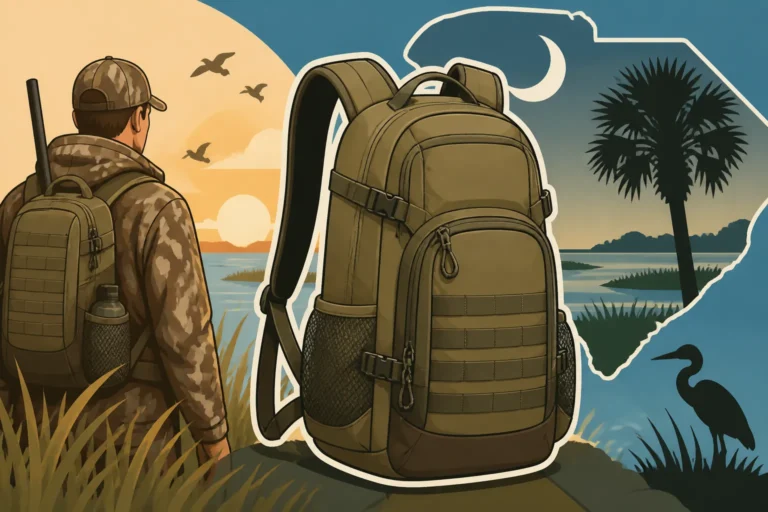
Choosing the right frame pack isn't just about buying a big backpack; it's about investing in a piece of gear specifically designed to handle the heavy, awkward, and often messy reality of packing out boned-out game. There are distinct features that separate a true game-hauling frame pack from a typical backpacking rig.
Frame Types and Their Advantages
The "frame" is the backbone of these packs, literally. It’s what allows the pack to transfer heavy loads from your shoulders to your hips, protecting your back and making a heavy haul possible.
-
External Frame Packs: These packs feature a rigid external frame, often made of aluminum, to which the pack bag is attached. Many traditional external frame packs also have a "load shelf" – a platform above the hip belt where you can secure items directly to the frame, beneath or outside the main pack bag. This design is exceptionally good for carrying very heavy, bulky, or oddly shaped loads, like boned-out deer quarters. The external frame creates a space between your back and the load, which can be a blessing in South Carolina's hot climate, allowing for better ventilation. While they might feel a bit more rigid, their ability to handle uneven, heavy loads makes them a top choice for serious game retrieval.
-
Internal Frame Packs with Load Shelf Capability: Modern internal frame packs have come a long way, with many high-end models now incorporating robust internal frames (often aluminum stays or carbon fiber rods) and innovative load-carrying features. Some designs allow the main pack bag to be detached or expanded, creating a "load shelf" or compression zone directly against the internal frame. This allows you to sandwich boned-out meat directly against the frame, close to your back, then reattach or cinch the pack bag over it. These packs tend to hug the body more closely, offering greater stability on uneven terrain, which can be advantageous when traversing the steep grades of the Blue Ridge Escarpment. Many hunters find these more versatile for general backpacking outside of hunting season as well. When looking at these, GoHunt's reviews often highlight specific models known for their robust load-carrying capabilities.
Capacity and Comfort Considerations
You're going to be carrying a lot of weight – easily 50-80 pounds or more for an average South Carolina whitetail. Therefore, capacity and comfort are non-negotiable.
- Carrying Capacity: For boning out a deer, you'll need a pack with a substantial load-carrying capacity, not necessarily in liters (though 3,500-6,000 cubic inches is common for multi-day hunts), but in its ability to support and stabilize extreme weight. The true measure isn't just how much it can hold, but how much it can comfortably hold. The load shelf and robust compression straps are key here. You want to ensure there's enough room to keep your essential gear (first aid, water, extra layers, knives) separate from the meat, typically in the main pack bag, while the meat itself is secured externally or in a dedicated compartment.
- Adjustable Fit and Padding: A pack that doesn't fit properly is a misery waiting to happen. Look for packs with adjustable torso lengths, allowing you to fine-tune the fit to your specific body. The hip belt is your best friend here; it should be wide, thickly padded, and designed to transfer the majority of the weight directly to your hips, not your shoulders. Shoulder straps should also be well-padded and contoured to prevent chafing. Try on packs with weight in them – even if it's just sandbags – to get a real feel for how they distribute a heavy load. This is a critical step that many overlook, but can make or break your hunt, especially if you’re Hunting into the January Zone 1 Close and need to cover a lot of ground in colder weather.
Durable Materials and Smart Features
A pack for packing out game needs to be tough. It will be subjected to sharp bones, abrasive surfaces, and all the elements South Carolina can throw at it.
- Robust Materials: Look for heavy-duty nylon fabrics like 500D or 1000D Cordura. These materials are incredibly resistant to punctures, tears, and abrasion. Double-stitched seams and reinforced stress points are also indicators of a well-made pack that will stand up to the rigors of hauling meat. Cheap materials will rip, fray, and fail when you need them most, leaving you in a real bind miles from the truck.
- Effective Compression Straps: This is paramount. A good frame pack will have multiple, strong compression straps, both vertical and horizontal, that allow you to cinch down the load tightly. This prevents the meat from shifting, which can throw off your balance and cause undue fatigue. Wide, durable buckles are also essential – flimsy plastic will crack under pressure.
- Load Shelf System: As mentioned, a dedicated load shelf (whether integrated into an external frame or as part of a convertible internal frame design) is a game-changer. It creates a space between your pack's contents and the meat, keeping blood and grime off your spare clothes and other gear.
- Meat Bags: While not part of the pack itself, high-quality, breathable game bags are absolutely vital. They protect the meat from dirt, insects, and provide a clean surface for placing on the pack. Many hunters carry a set of sturdy, reusable meat bags specifically designed for boned-out quarters and backstraps. These are a crucial part of your Meat Care Gear for South Carolina Hunters.
| Feature | Description | Why it Matters for Boning Out |
|---|---|---|
| External Frame | Rigid frame provides structure outside the main pack bag. | Excellent for heavy, irregular loads like boned-out meat; distributes weight. |
| Load Shelf | A dedicated platform between the frame and pack for securing meat. | Keeps meat separate from your personal gear; allows for flexible loading. |
| Compression Straps | Numerous strong straps to cinch down the load. | Essential for stabilizing heavy, shifting meat and preventing sway. |
| Durable Fabric | Heavy-duty nylon (e.g., 500D or 1000D Cordura) or similar. | Resists punctures from bones and abrasion from tough terrain. |
| Adjustable Torso | Allows the pack to be fitted precisely to your body length. | Crucial for comfort and efficient weight transfer, especially with heavy loads. |
| Hip Belt & Padding | Thick, supportive hip belt that transfers weight to your hips. | Prevents shoulder fatigue; critical for carrying heavy loads over distance. |
| Meat Bags (external) | While not part of the pack, essential for sanitary transport of meat. | Keeps meat clean and free from debris; often carried with the frame pack. |
Using Your Frame Pack Effectively in the Field
Having the right gear is only half the battle; knowing how to use it is where you truly gain the advantage. Boning out a deer and loading it into your frame pack efficiently requires a systematic approach.
The Boning Out Process
Once your deer is down, secured, and has been properly field-dressed (if you choose to do a partial gut before boning), the boning-out process begins. This isn't a detailed butchering lesson, but a quick overview for field expediency:
- Skinning: Lay the deer on its back or side. Start with an incision along the belly, taking care not to puncture the gut. Work the knife to separate the hide from the muscle, pulling the hide back as you go. You don't need to be surgically precise; focus on getting the hide off the major muscle groups.
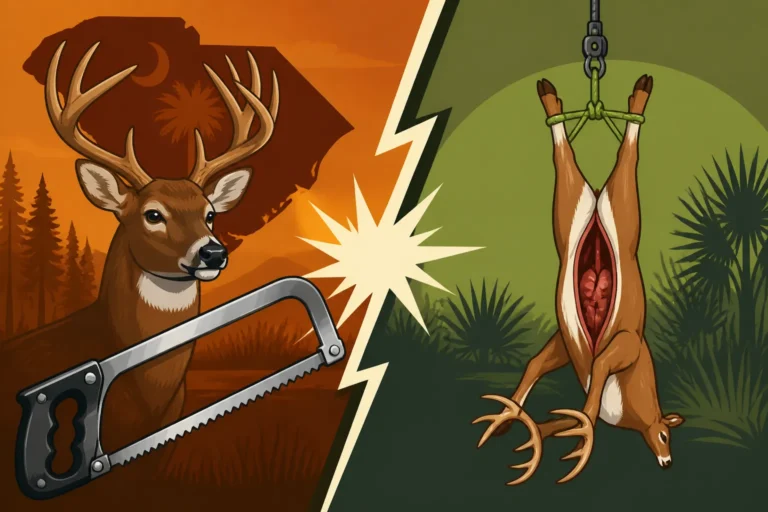
- Removing Quarters: Once skinned, locate the natural joints. Separate the front shoulders by cutting the muscle attachments to the rib cage – there's no bone joint here, just muscle and connective tissue. For the hindquarters, separate at the hip joint. You can bone out the large muscles directly from the femur and pelvic bones, or carry the entire bone-in quarters if preferred (though boneless is lighter).
- Backstraps and Tenderloins: These are prime cuts. The backstraps run along either side of the spine, from the neck almost to the tail. Carefully cut them free. The tenderloins are found inside the body cavity, tucked along the underside of the spine.
- Other Meat: Don't forget neck meat, trim, and any other desirable cuts. Every pound counts!
- Bagging: Place all boned-out meat immediately into clean, breathable game bags. This protects the meat and keeps it sanitary for transport. You can find excellent quality meat bags reviewed by companies like GoHunt. Remember, for warm South Carolina days, Game Bags for Warm September Days are essential.
Loading and Securing Your Harvest
This is where the frame pack truly shines. Proper loading makes all the difference for comfort and stability.
- Layering for Comfort and Stability: If your pack has a dedicated load shelf or can be converted, place the heaviest, bulkiest pieces (like hindquarters) directly against the frame and closest to your back. This keeps the center of gravity optimal. Then, add smaller pieces, like backstraps or front shoulders, building the load upward and outward.
- Using Compression Straps: Once the meat is in place, pull those compression straps TIGHT. This is not optional. You want the load to be absolutely immobile, acting as one with the pack. Any shifting will quickly lead to discomfort and wasted energy. Cinch down both horizontal and vertical straps until you can’t get them any tighter.
- Keeping Personal Gear Separate: Use your main pack bag for all your other gear – water, first aid, extra layers, snacks, flashlight. This keeps it clean and accessible. If you can, keep the meat entirely separate from your personal gear, either on an external load shelf or in a dedicated game compartment. This is important for hygiene, especially if you end up with a bit of blood from your South Carolina Deer Harvest Online registration.
Balancing the Load for the Hike Out
Even with the best pack and proper loading, balancing the load is key to a comfortable (or at least tolerable) hike out.
- Center of Gravity: Aim to keep the heaviest part of the load as close to your back as possible, ideally between your shoulders and hips. This prevents the pack from pulling you backward or leaning to one side.
- Even Distribution: While some pieces will naturally be heavier, try to distribute the weight as evenly as possible from left to right. This prevents your body from compensating, which can lead to muscle strain and fatigue.
- Adjusting on the Go: Don't be afraid to stop and adjust your pack if it feels off. Loosen and re-tighten straps, especially the hip belt, shoulder straps, and load lifters (if your pack has them). These minor adjustments can make a world of difference over a long hike. When you’re miles deep in the Sumter National Forest Hunting and facing a long walk out, every bit of comfort helps.
Care and Maintenance of Your Pack
Your frame pack is an investment, and like any other critical piece of hunting gear, it needs proper care to perform season after season. Especially in South Carolina's climate, neglecting maintenance can lead to mildew, odors, and premature wear.
Post-Hunt Cleaning Rituals
After a successful pack out, your frame pack will likely have blood, sweat, and dirt on it. Don't just throw it in the corner of the garage.
- Remove All Contents: Take everything out of your pack, including any forgotten snacks or trash.
- Spot Clean Blood and Grime: For fresh blood, cold water is your best friend. Use a soft brush or sponge with mild soap (like a scent-free dish soap or specific gear cleaner) to scrub away blood, mud, and other grime. Avoid harsh detergents or bleach, which can damage fabrics and waterproof coatings. Pay special attention to the load shelf, hip belt, and any straps that came into contact with the meat.
- Rinse Thoroughly: Rinse the pack completely with clean water, ensuring no soap residue remains.
Proper Drying and Storage
Humidity is a major factor in South Carolina, making proper drying essential to prevent mildew.
- Air Dry Completely: Hang your pack upside down in a well-ventilated area, preferably out of direct sunlight, to air dry. Make sure all pockets are open to allow air circulation. Do NOT put it in a dryer or use direct heat, as this can damage the frame, buckles, and fabric coatings. Give it a few days to ensure it's bone dry, even if it feels dry to the touch. This is especially crucial for Warm-Weather Sitting Strategy in South Carolina gear, as anything left damp will quickly develop mildew.
- Store in a Dry, Cool Place: Once completely dry, store your pack in a cool, dry place away from direct sunlight and pests. You can loosely stuff it with old towels or newspaper to help it maintain its shape. Avoid storing it in a sealed plastic bag, which can trap any residual moisture and promote mildew growth.
Inspecting and Repairing Your Gear
Before and after each season, give your frame pack a thorough inspection.
- Check for Wear and Tear: Look for frayed straps, loose stitching, worn spots on the fabric, or damaged buckles and zippers. The sooner you catch small issues, the easier and cheaper they are to fix.
- Frame Integrity: Inspect the frame itself for any bends, cracks, or loose connections. A compromised frame can lead to discomfort and potential failure under load.
- DIY Repairs: Many minor issues, like loose stitching or minor tears, can be repaired with a heavy-duty sewing kit, gear repair tape, or specialized adhesives. For more significant damage, consider taking it to a professional gear repair shop. Investing a little time in maintenance will ensure your pack is ready to perform when you finally get that shot and need to pack out your next South Carolina trophy. You'll thank yourself when you're loaded down with venison and miles from the truck.
Disclaimer
This article is for general informational purposes only and does not constitute professional advice. Laws, prices and regulations vary by location and change over time. Consult a qualified professional for guidance on your specific situation.