Scouting South Carolina Public Land Before Season
Pre-season scouting on South Carolina public land helps hunters confirm habitat conditions, find food sources, and avoid other hunters.
Close the distance.
Archery, muzzleloader, and firearm techniques — calling, stand placement, still-hunting, spot-and-stalk, and the weapon rules that change at the state line.
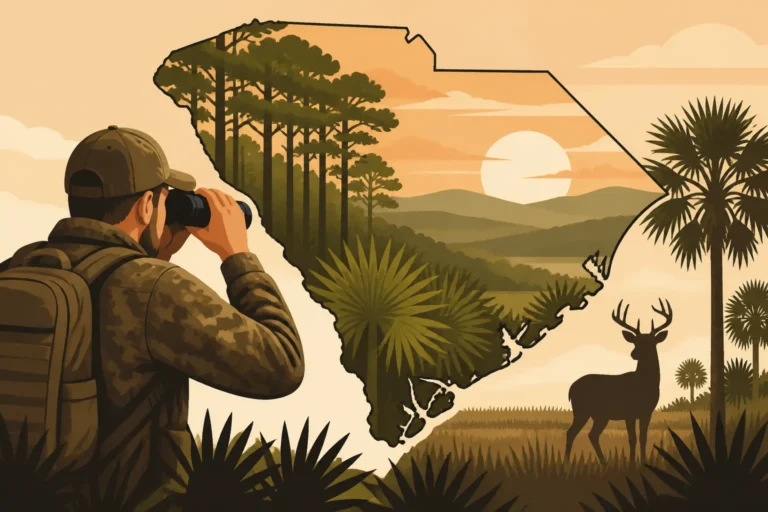
Pre-season scouting on South Carolina public land helps hunters confirm habitat conditions, find food sources, and avoid other hunters.
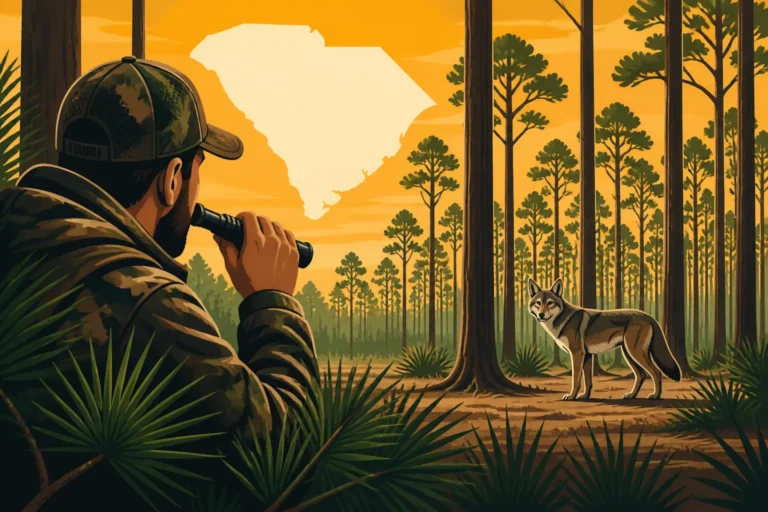
Predator calling strategies in South Carolina pine plantations help hunters target coyotes, bobcats, and foxes near timber habitats.
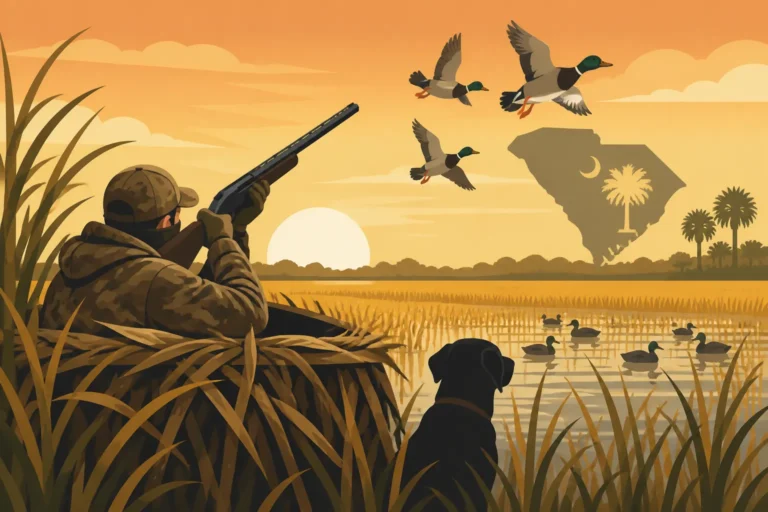
Layout blind hunting in South Carolina Lowcountry rice fields explains how to conceal blinds and position decoy spreads.
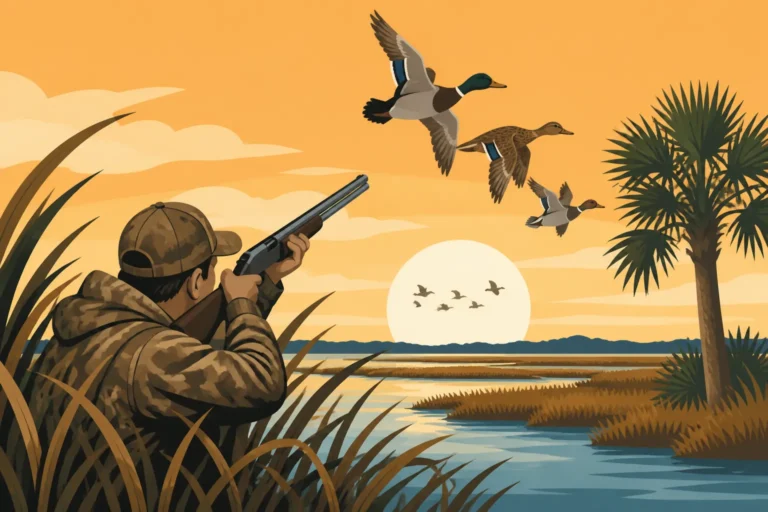
South Carolina tidal marsh waterfowl hunting requires tracking shifting tides, navigating deep mud, and handling dense Spartina grass.
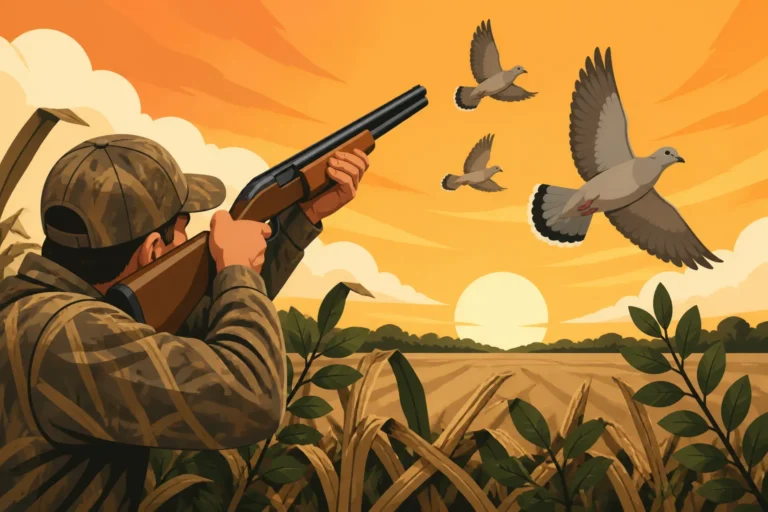
South Carolina dove hunting strategies help hunters locate active flight paths, public fields, and food sources like sunflowers and milo.
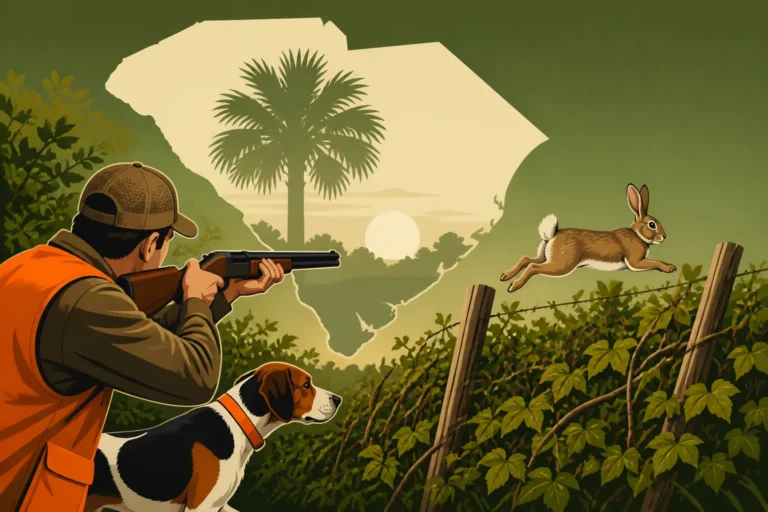
South Carolina fencerows provide tangled honeysuckle and briars that concentrate cottontails near soybean and corn fields for hunters.
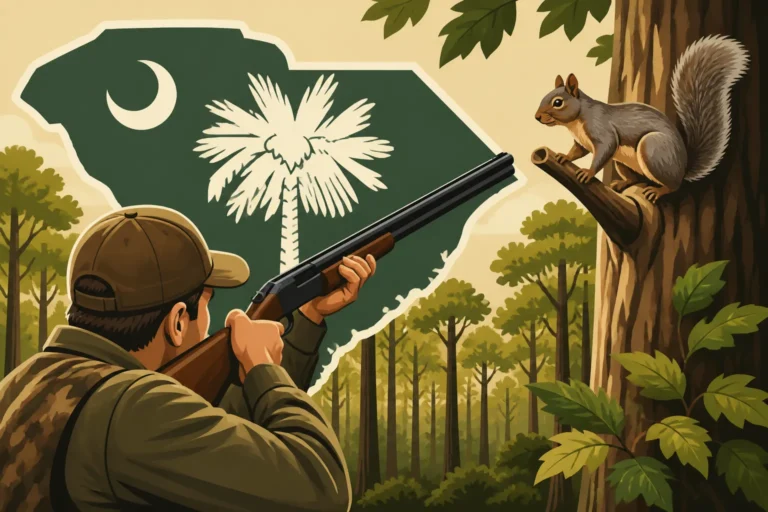
Squirrel hunting in South Carolina bottomland hardwoods involves locating mature mast trees, water features, and higher elevation terrain.
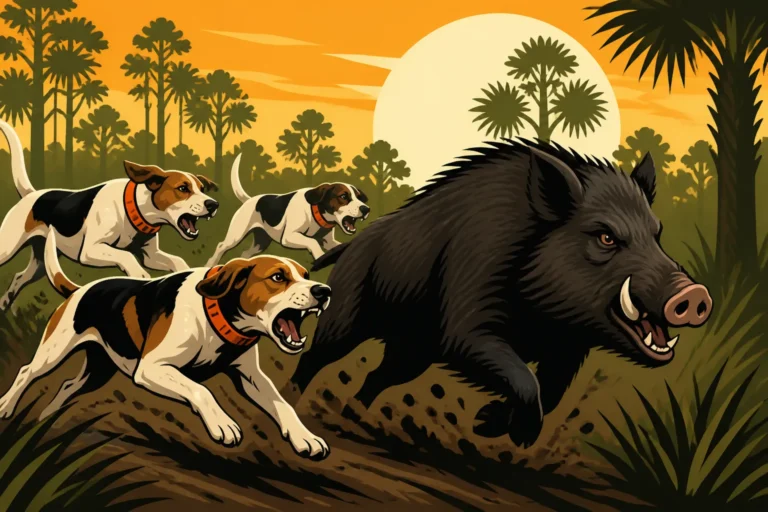
Running dogs on feral hogs in South Carolina offers hunters an effective method to control destructive invasive wildlife.
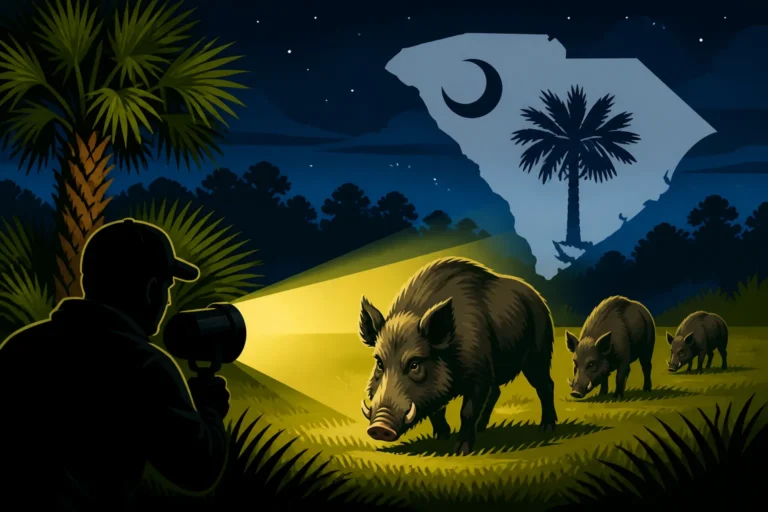
South Carolina private land hog hunting rules allow artificial lights and night vision devices year round without bag limits.
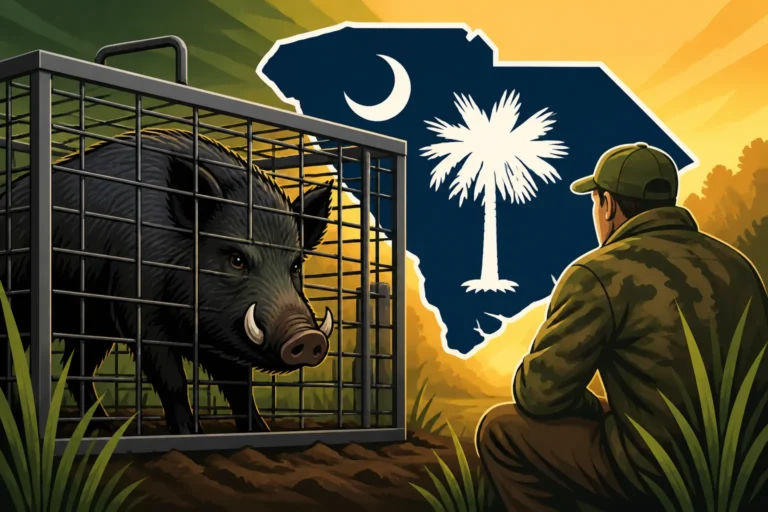
Trapping feral hogs in South Carolina requires effective year round methods to catch sounders and reclaim agricultural land.