Why the Nonresident Antlered Limit Is Lower
South Carolina nonresident antlered deer limits protect herd health and prioritize residents who fund local conservation.
Close the distance.
Archery, muzzleloader, and firearm techniques — calling, stand placement, still-hunting, spot-and-stalk, and the weapon rules that change at the state line.
South Carolina nonresident antlered deer limits protect herd health and prioritize residents who fund local conservation.
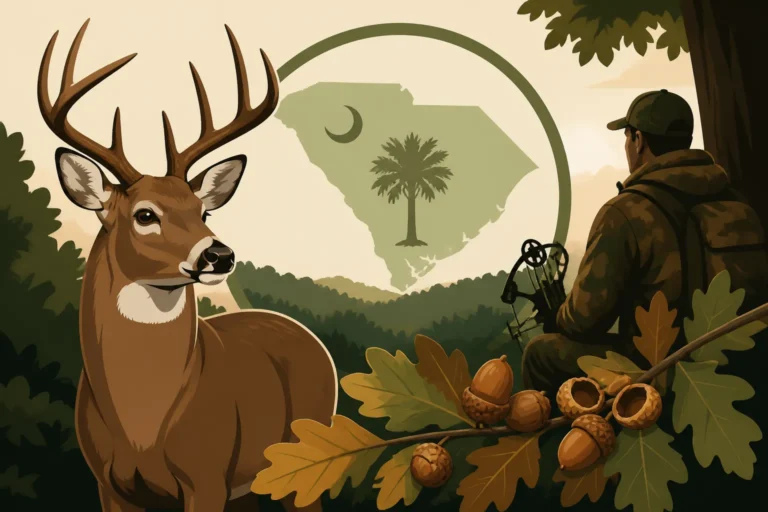
Failed acorn crops alter white-tailed deer movement patterns, requiring hunters to locate alternative food sources in South Carolina.
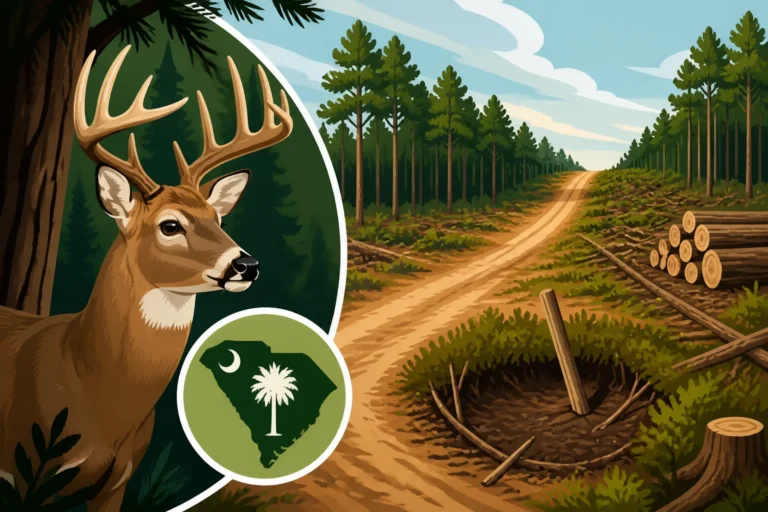
South Carolina deer hunters learn to interpret logging road scrape lines, finding primary scrapes and licking branches to locate whitetails during the rut.
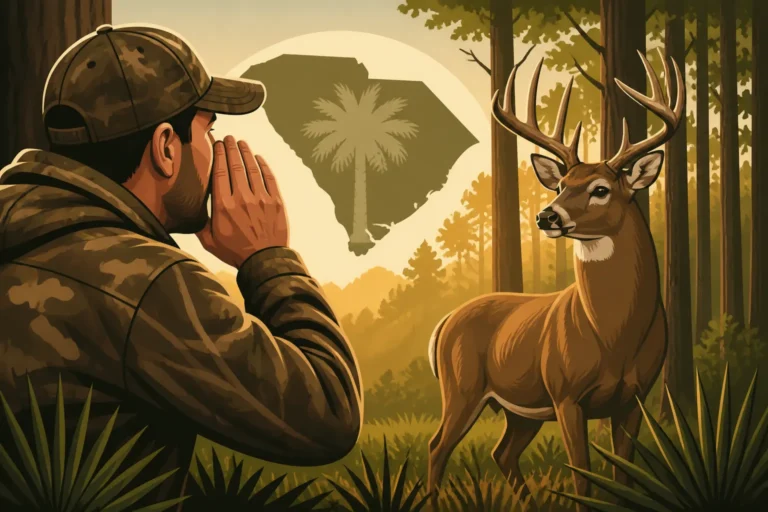
Grunt calls in South Carolina timber help hunters break silence, mimic natural deer sounds, and draw in wary bucks.
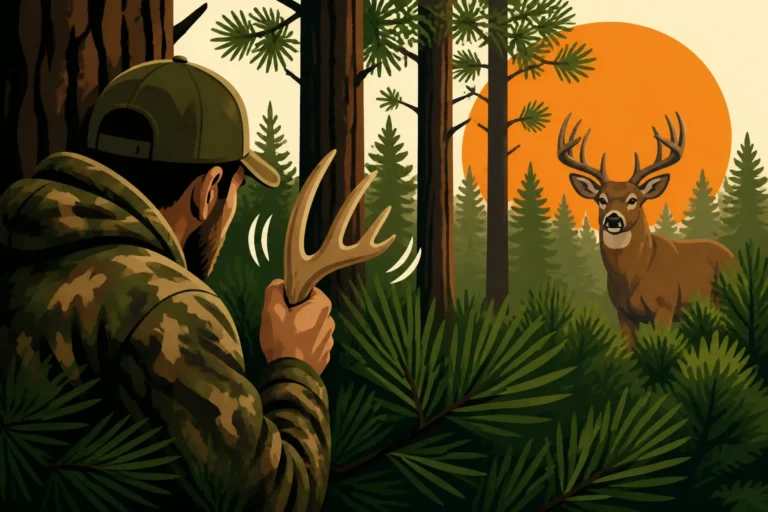
South Carolina pine plantations and thick swamps muffle rattling antlers, requiring specific tactics for deer hunters at fifty to seventy yards.
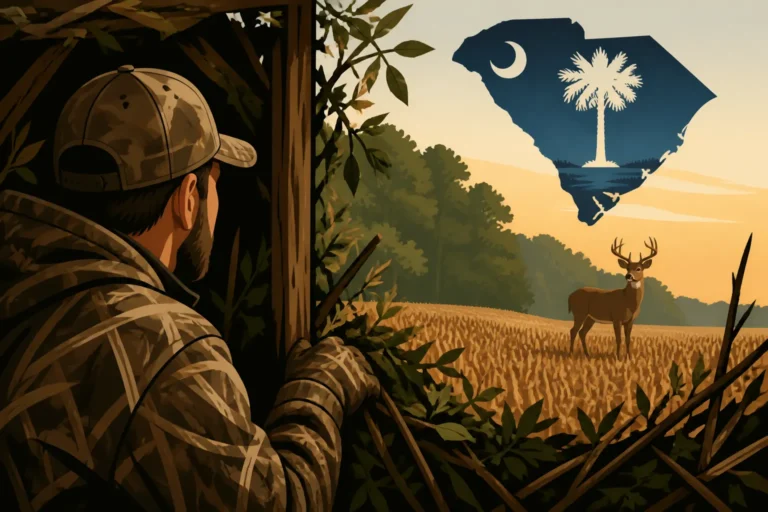
Properly brushing ground blinds on South Carolina field edges prevents wary deer from spotting unnatural shapes and ruining your hunt.
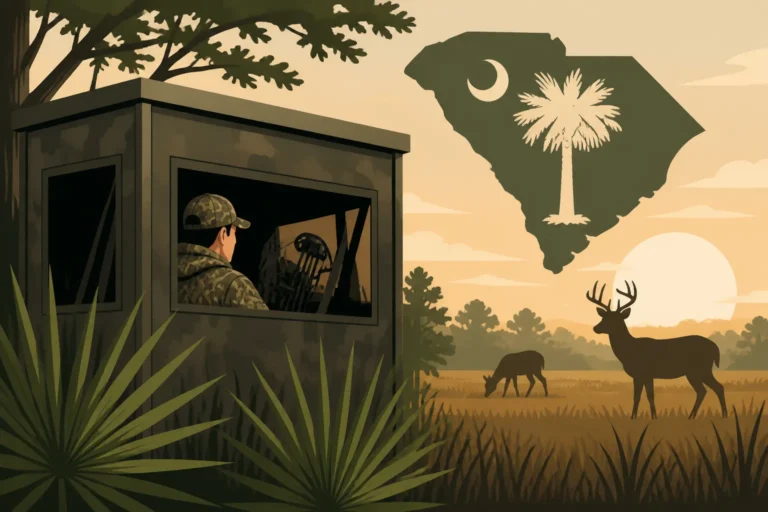
Using a ground blind on South Carolina public land helps hunters overcome treestand limitations, severe weather, and youth weekend constraints.
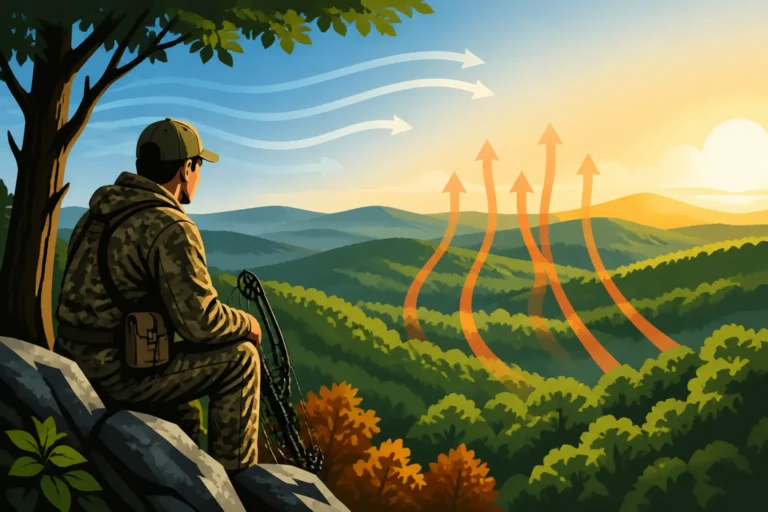
Wind and thermals on South Carolina ridges create complex air currents and micro-currents that affect deer hunting success.
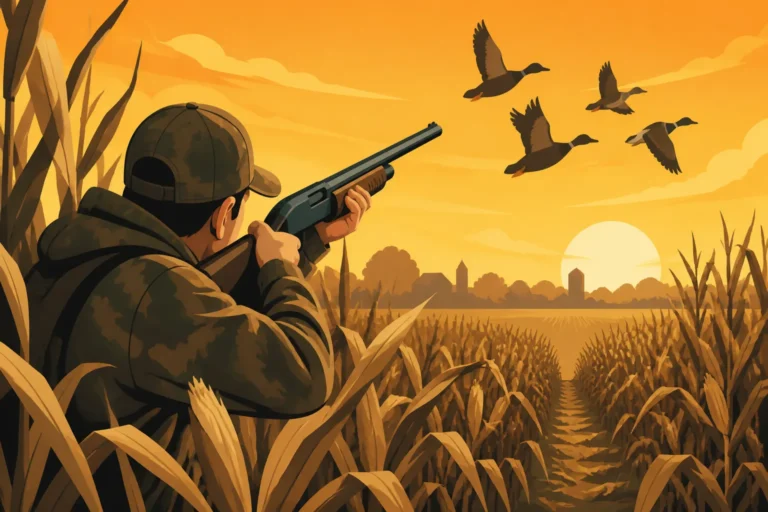
South Carolina whitetail deer behavior in standing cornfields explains strategies for hunting agricultural havens and finding game.
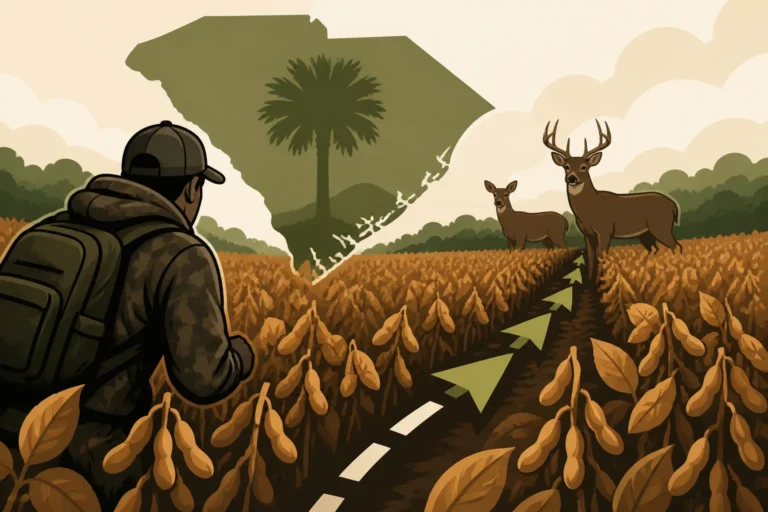
Silent entry routes through standing soybeans help South Carolina deer hunters avoid detection during archery and gun seasons.