Why Red Wolves Vanished From South Carolina
Red wolves vanished from South Carolina through centuries of human expansion, agricultural clearing, and widespread habitat fragmentation.
Know what you’re after.
Big game, small game, upland birds, and waterfowl — identification, behavior, rut and migration timing, and how each species moves through the season.
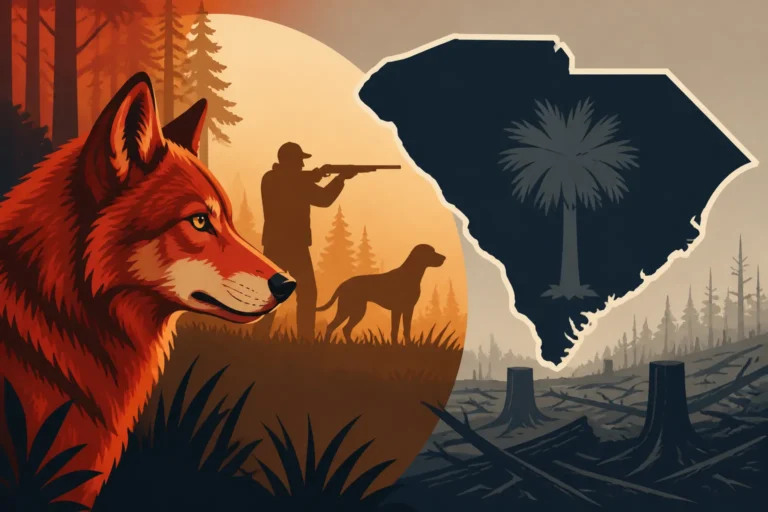
Red wolves vanished from South Carolina through centuries of human expansion, agricultural clearing, and widespread habitat fragmentation.
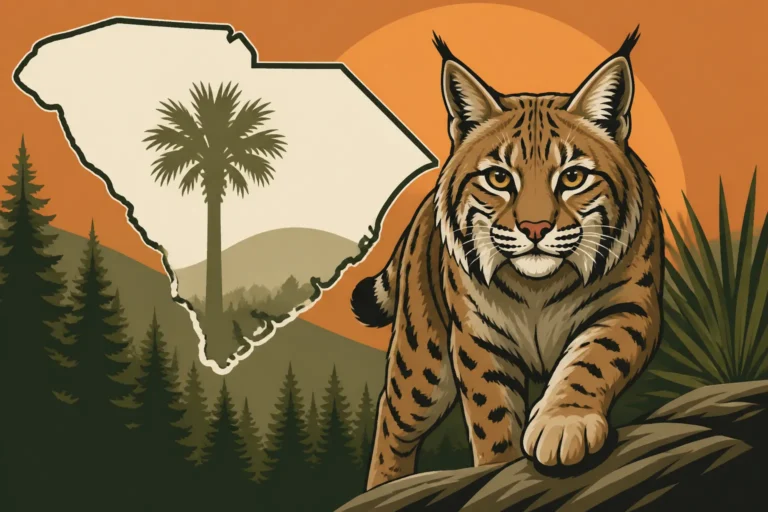
South Carolina bobcats are recovering across the state due to conservation efforts, habitat preservation, and sustainable management practices.
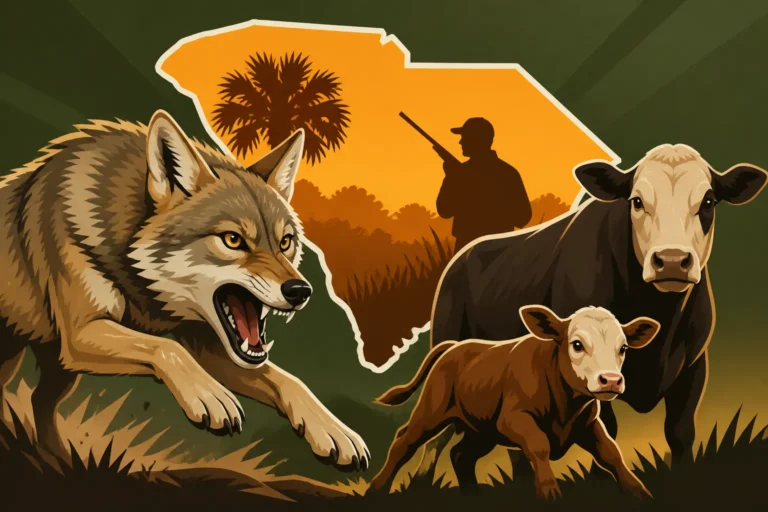
South Carolina coyote attacks on livestock threaten farms, but practical steps help identify predators and protect vulnerable animals.
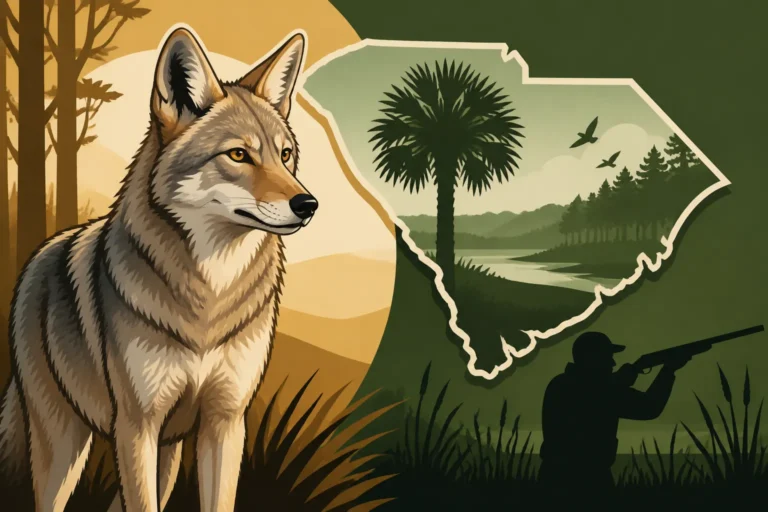
Coyote colonization of South Carolina through natural western expansion and human intervention, tracing their arrival in the twentieth century.
South Carolina coyote populations remain uncounted because these adaptable predators are nocturnal, elusive, and widely distributed.
South Carolina duck harvest numbers show hunter success trends, migratory patterns, and conservation efforts across the state.
Resident geese in Charleston create property damage and mess, explaining why these non-migratory birds multiply rapidly across local urban landscapes.
South Carolina resident Canada geese populations thrive year round, offering hunters unique local opportunities and specific management rules.
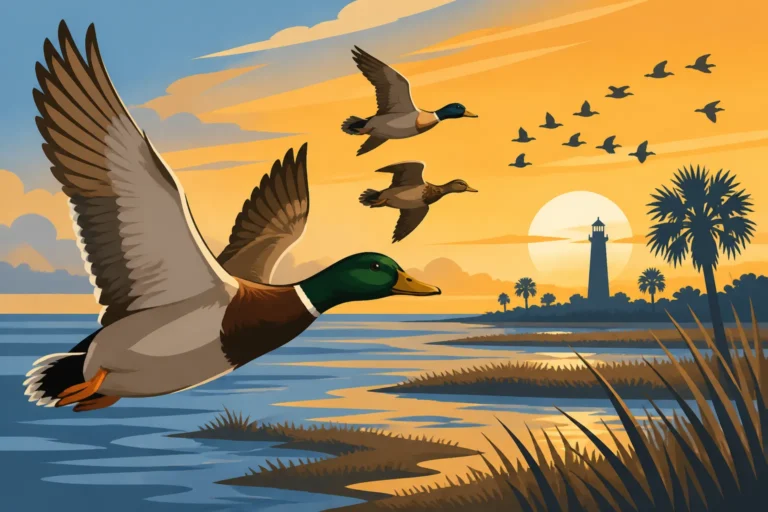
South Carolina coastal marshes, freshwater swamps, and agricultural fields provide migratory ducks and geese abundant winter food and shelter.
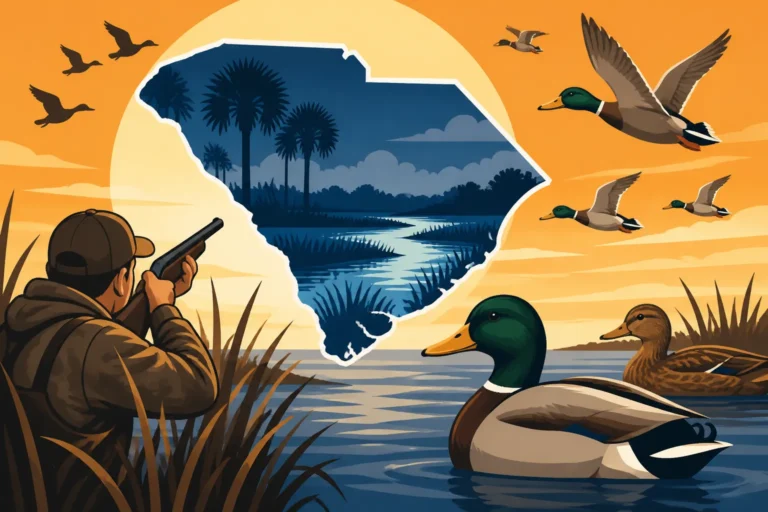
Wintering duck populations in the ACE Basin depend on managed wetlands, tidal marshes, and diverse food resources along the Atlantic Flyway.