Mange in South Carolina Coyotes and Foxes
Sarcoptic mange in South Carolina coyotes and foxes causes severe skin damage from parasitic mites that spread through direct contact.
Know what you’re after.
Big game, small game, upland birds, and waterfowl — identification, behavior, rut and migration timing, and how each species moves through the season.
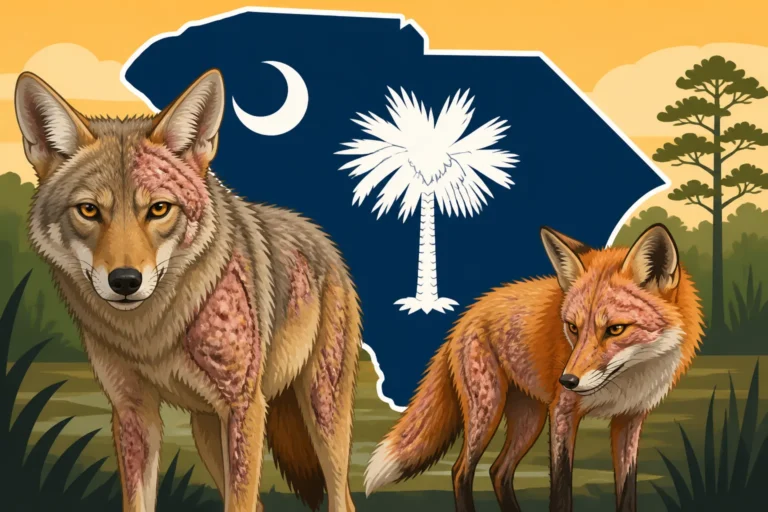
Sarcoptic mange in South Carolina coyotes and foxes causes severe skin damage from parasitic mites that spread through direct contact.
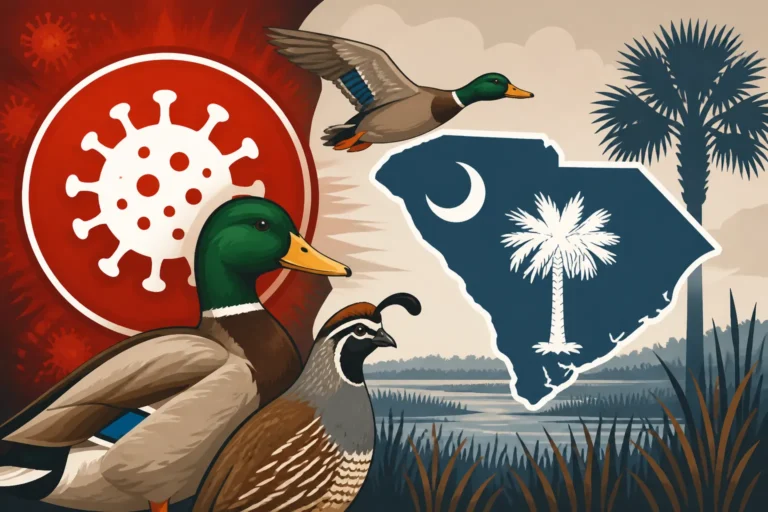
Avian influenza in South Carolina wild birds explains virus strains, migratory spread patterns, and safety steps for hunters.
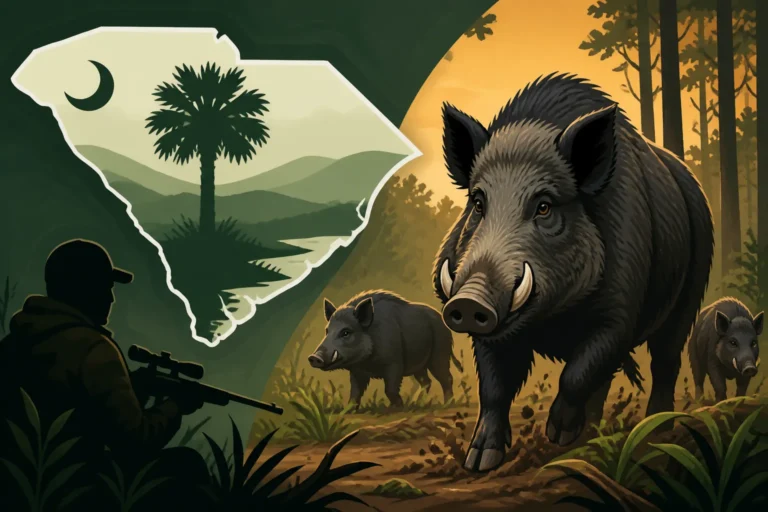
Feral swine expanding into the Upstate of South Carolina cause agricultural damage and require new management strategies.
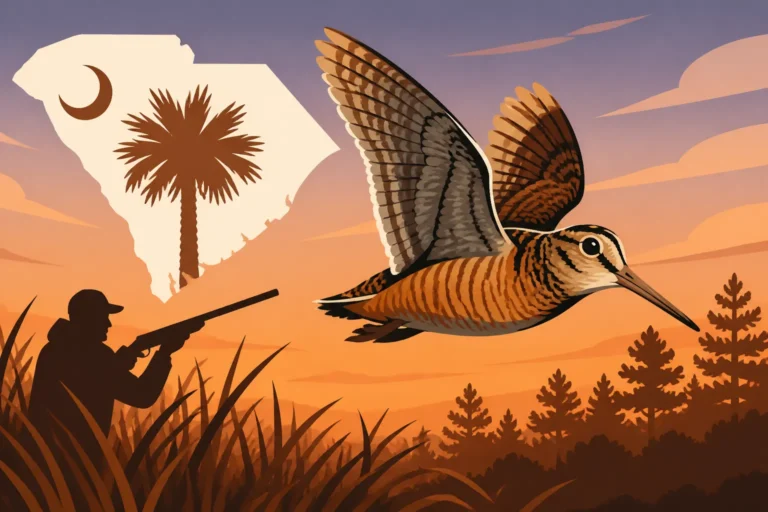
American woodcock migration timing across South Carolina, driven by winter freezes, earthworms, and the Atlantic Flyway route.
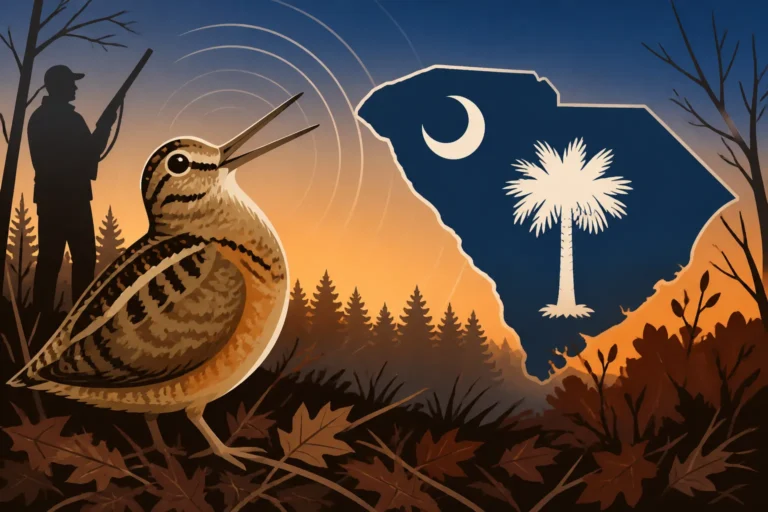
South Carolina woodcock singing ground surveys track breeding male populations and monitor long term bird migration trends.
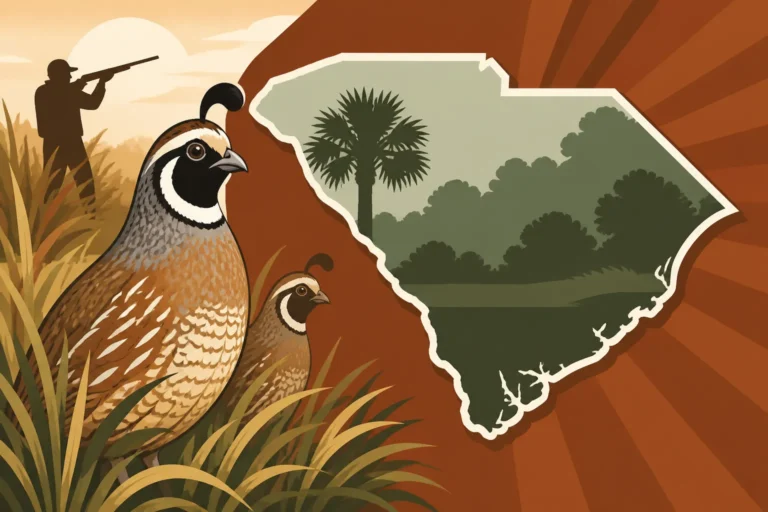
Wild quail strongholds in Aiken, Barnwell, Allendale, and Hampton counties offer hunters the best odds for finding coveys.
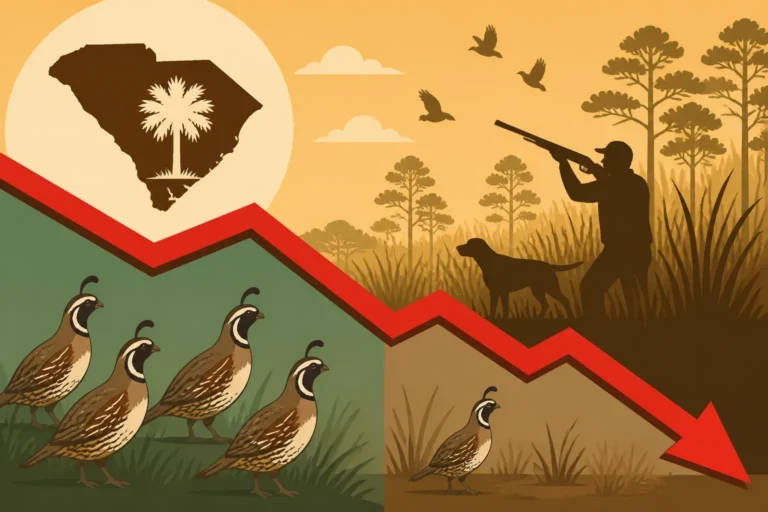
South Carolina bobwhite quail populations declined since the 1960s due to landscape transformations and the loss of small farms and pine plantations.

South Carolina cottontail rabbit populations and local hunting traditions face challenges from habitat loss, development, and modern agricultural practices.
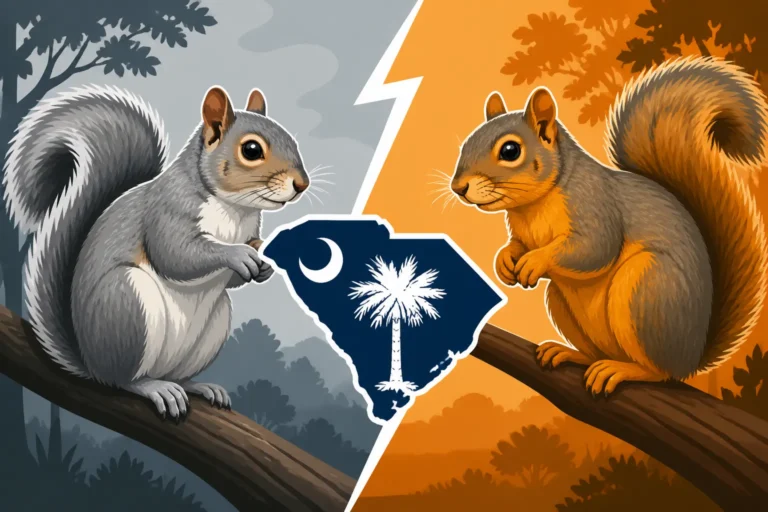
South Carolina gray and fox squirrels have distinct differences in size, weight, and habitat preferences to help hunters identify them.
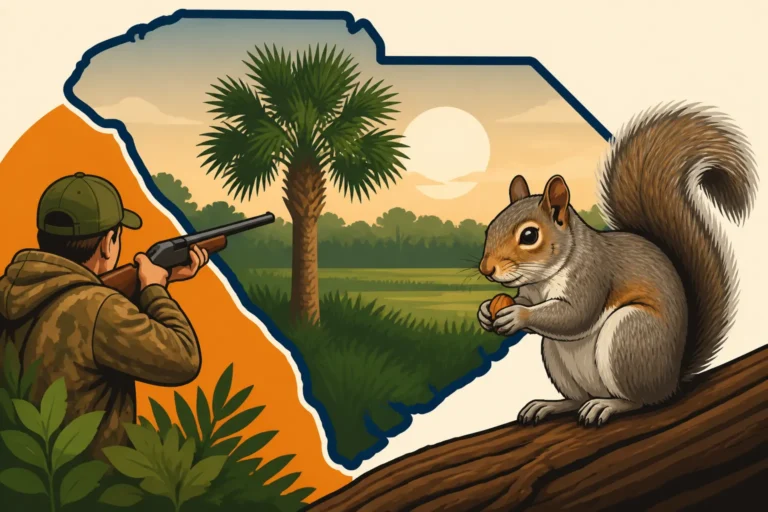
South Carolina squirrel harvest numbers rely on hunter surveys to estimate population trends and manage game sustainably.