Canada Geese on South Carolina Farmland
Canada geese on South Carolina farmland offer hunting opportunities through understanding resident and migratory flocks.
Know what you’re after.
Big game, small game, upland birds, and waterfowl — identification, behavior, rut and migration timing, and how each species moves through the season.
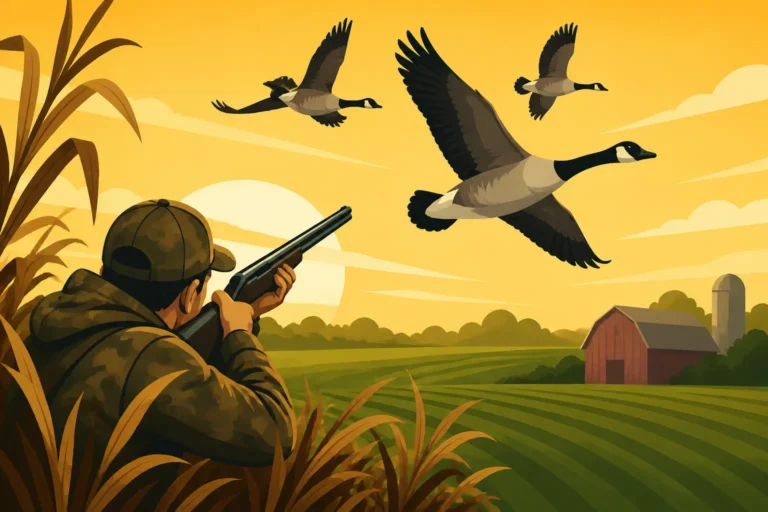
Canada geese on South Carolina farmland offer hunting opportunities through understanding resident and migratory flocks.
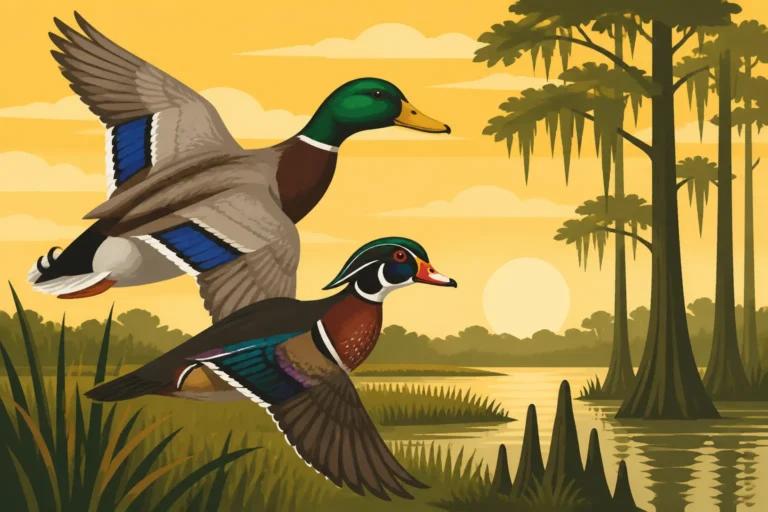
Mallards and wood ducks in the ACE Basin provide South Carolina hunters unique challenges across diverse marshes and impoundments.
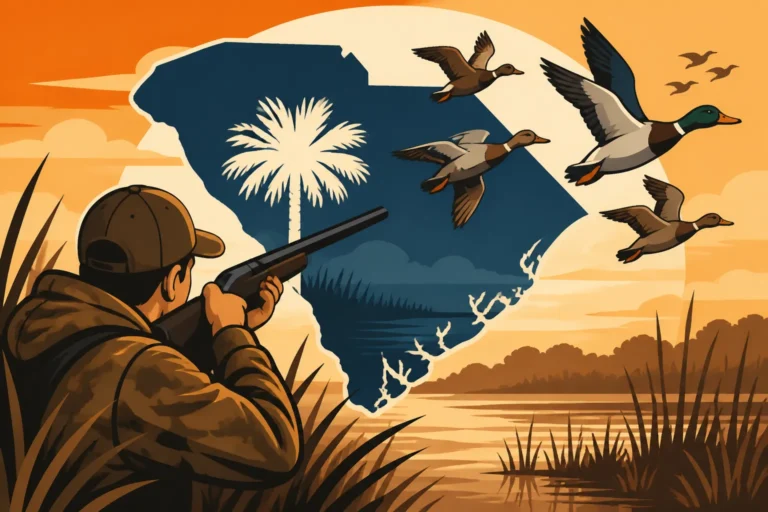
South Carolina waterfowl migration timing patterns, Atlantic Flyway routes, and early arrival dates for teal and wood ducks.
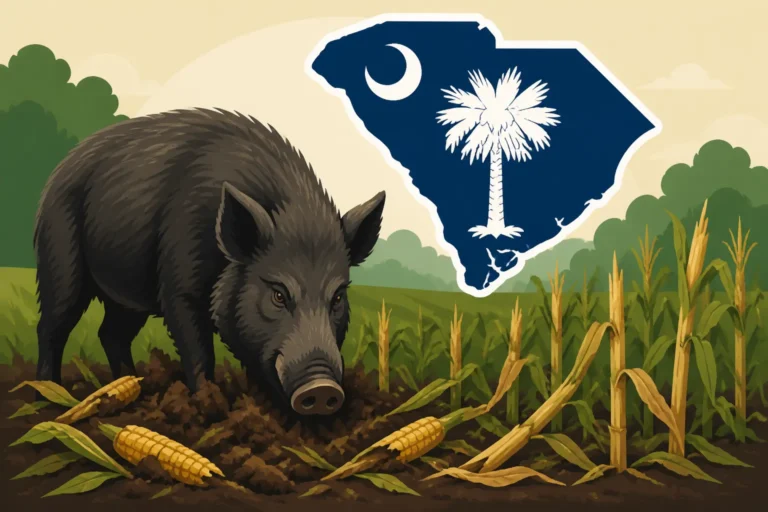
Feral hogs cause severe agricultural damage across South Carolina by wiping out entire crop yields and devastating pastures.
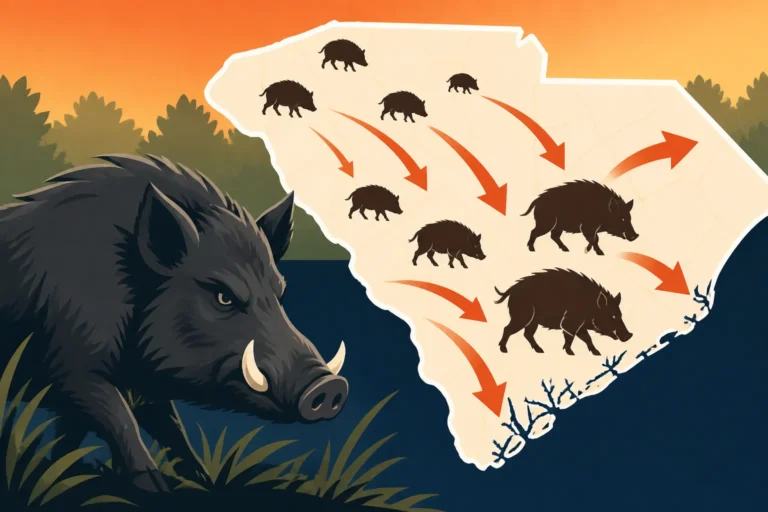
Wild hogs in South Carolina expanded through early European introductions, free-range domestic escapes, and Eurasian boar hybridization.
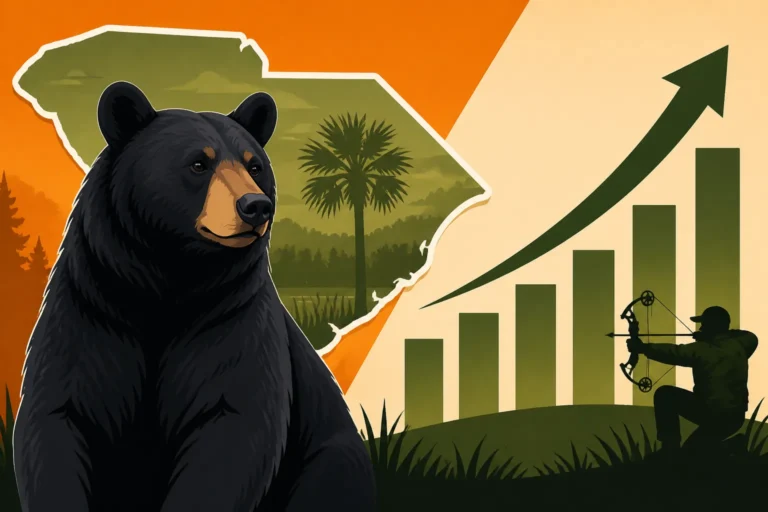
South Carolina black bear population dynamics, harvest trends, and regional differences across the Upstate and Coastal Plain zones.
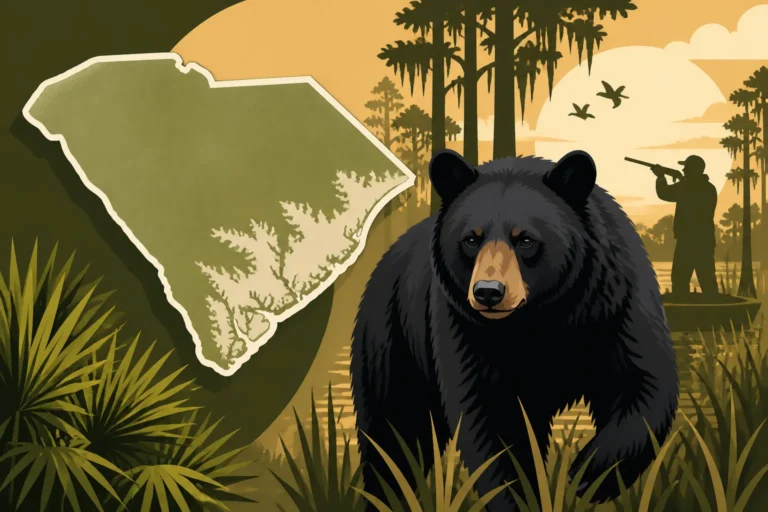
South Carolina coastal swamp bears range across maritime forests, cypress-tupelo swamps, and pocosin thickets from Georgetown to Beaufort counties.
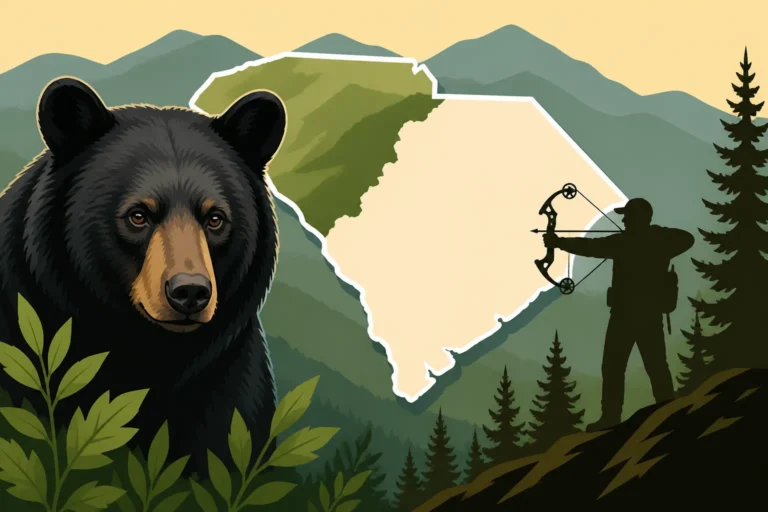
South Carolina mountain black bear habitats and seasonal food sources define where animals range in the Blue Ridge Escarpment.
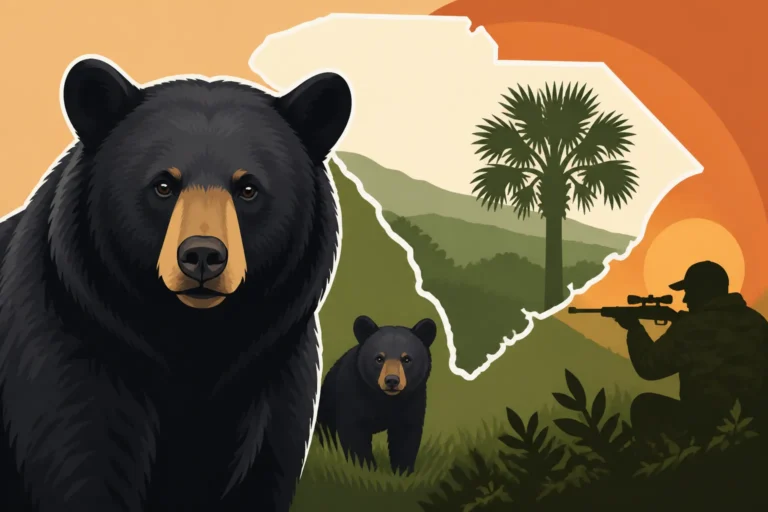
South Carolina black bear population estimates, counting challenges, and scientific tracking methods used by wildlife biologists.
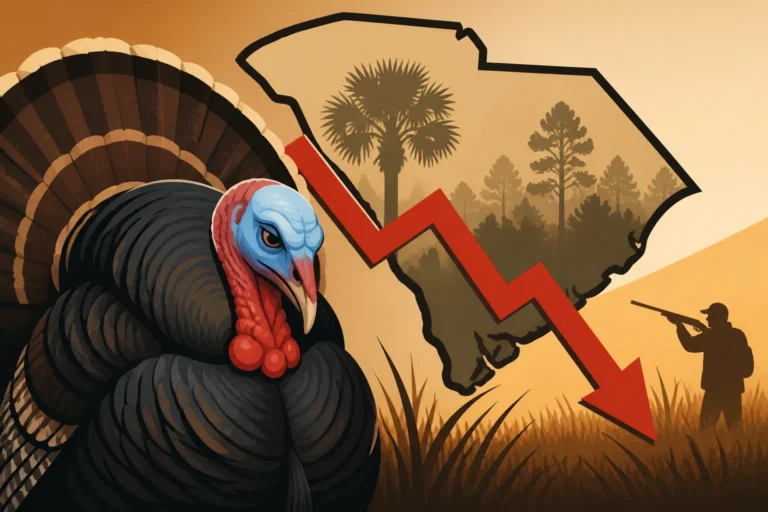
South Carolina wild turkey population trends explain why numbers declined from peak levels after reaching carrying capacity in the mid 2000s.