South Carolina Feral Swine Genetics and Origin
South Carolina feral swine genetics and origins explain how historical European wild boar introductions created destructive agricultural pests.
Know what you’re after.
Big game, small game, upland birds, and waterfowl — identification, behavior, rut and migration timing, and how each species moves through the season.
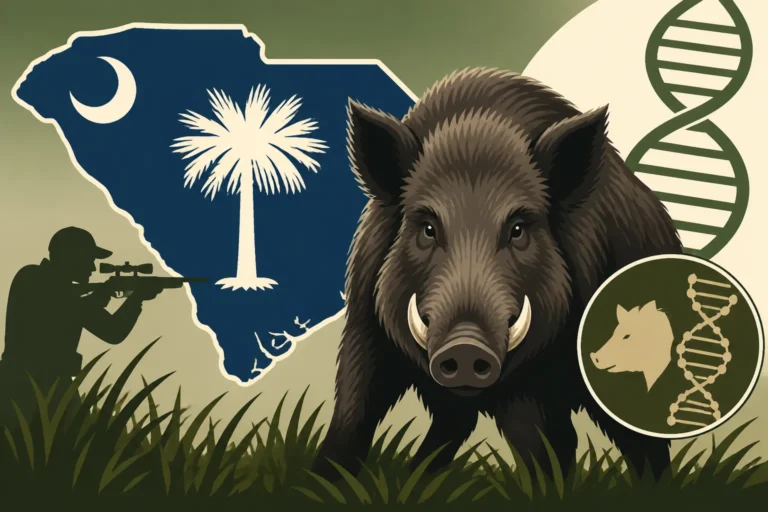
South Carolina feral swine genetics and origins explain how historical European wild boar introductions created destructive agricultural pests.
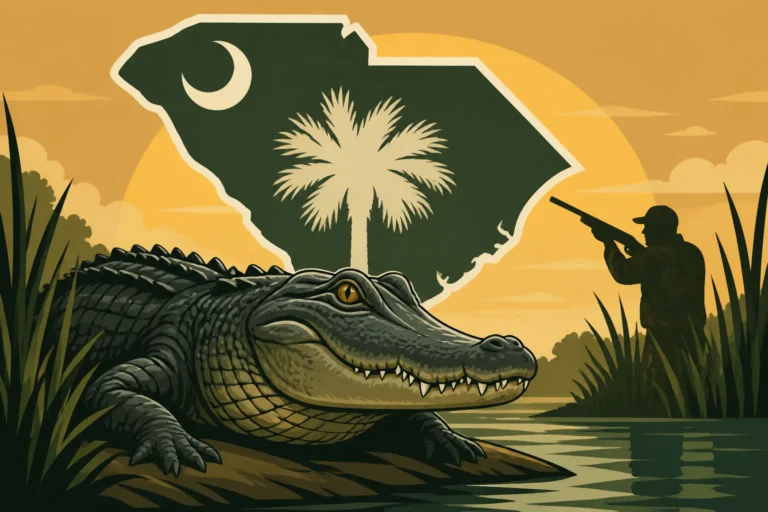
South Carolina alligator habitats, including coastal marshes, freshwater swamps, and inland lakes, explained alongside conservation efforts.
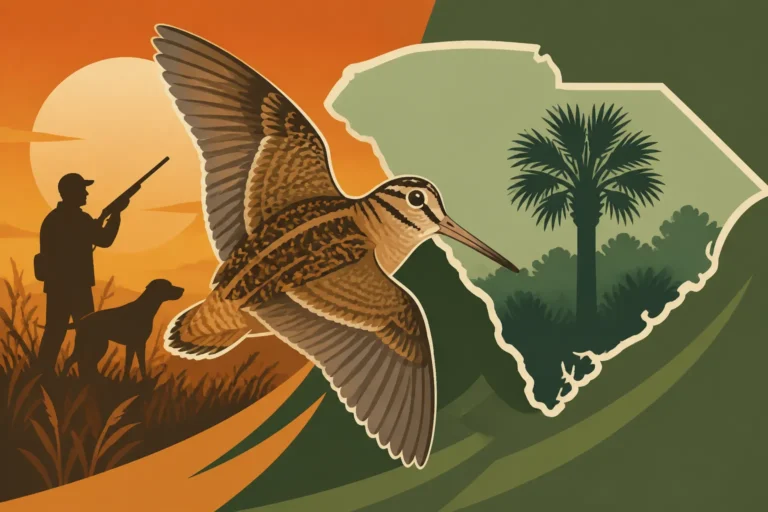
South Carolina woodcock migration patterns, arrival timelines, and habitat factors help hunters predict bird movements and seasonal dates.
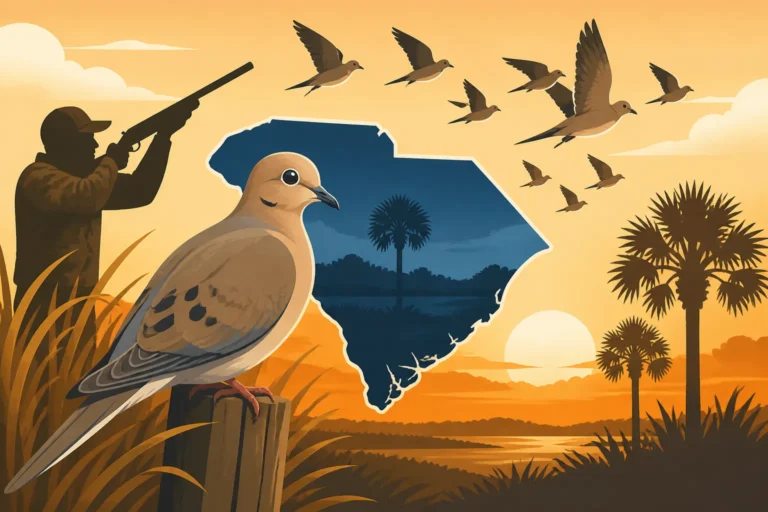
South Carolina mourning dove migration patterns, resident populations, and weather factors determine the timing of seasonal bird movements.
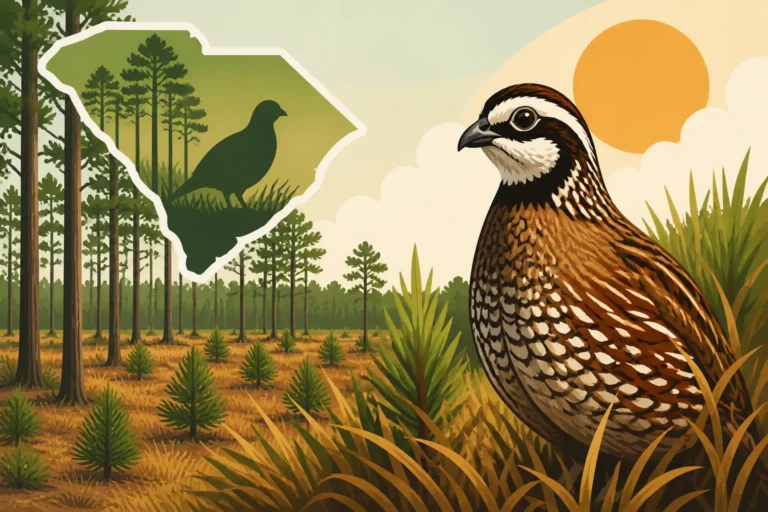
Managed pine forestry and longleaf pine habitats can restore dwindling bobwhite quail populations across South Carolina.
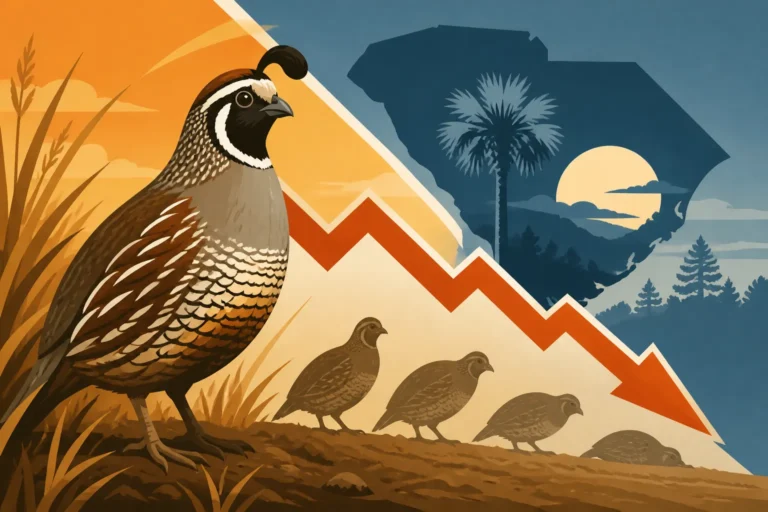
South Carolina bobwhite quail populations show a historic decline driven by habitat loss, modern forestry practices, and changing land use.
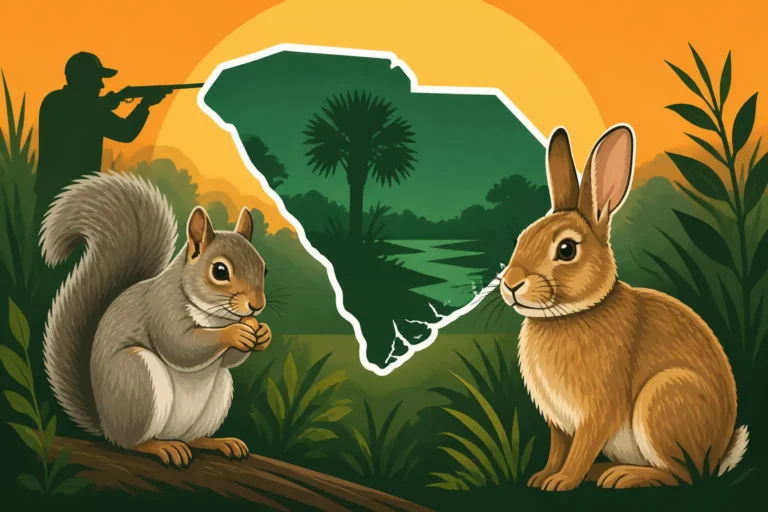
South Carolina squirrel and rabbit populations, current animal numbers, and updated hunting strategies for successful small game seasons.
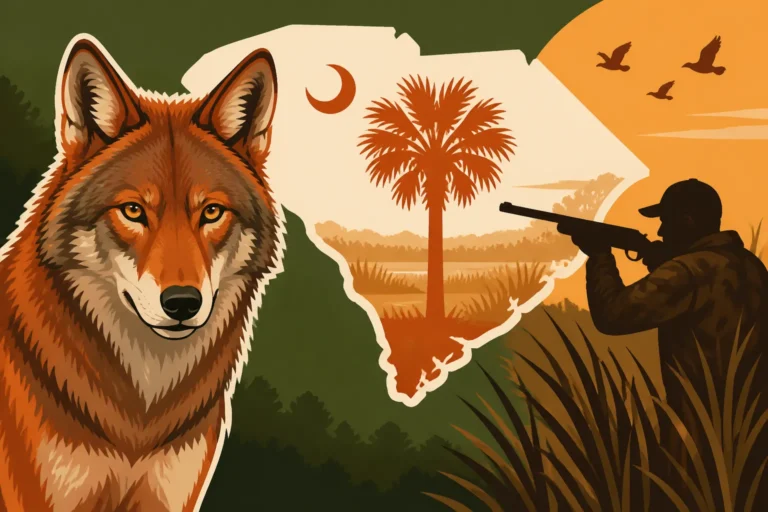
Red wolf history in South Carolina explains the past presence, disappearance, and ongoing conservation efforts for the species.
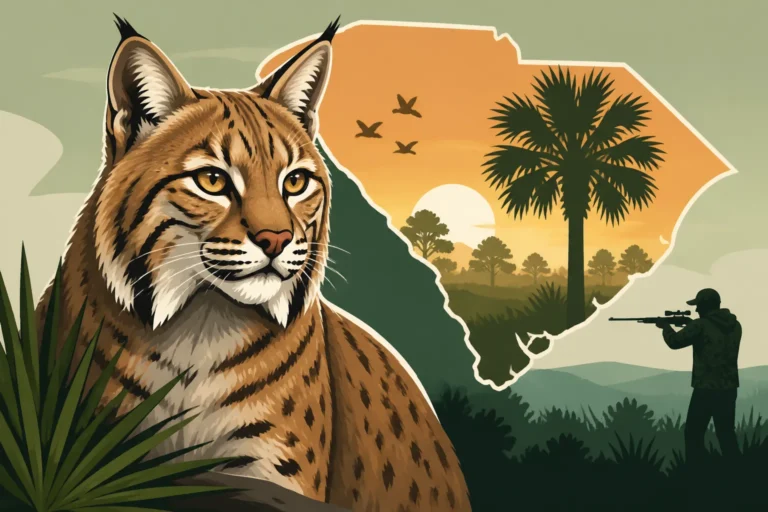
South Carolina bobcat populations have staged a remarkable comeback, with their recovery driven by adaptability and natural stealth.
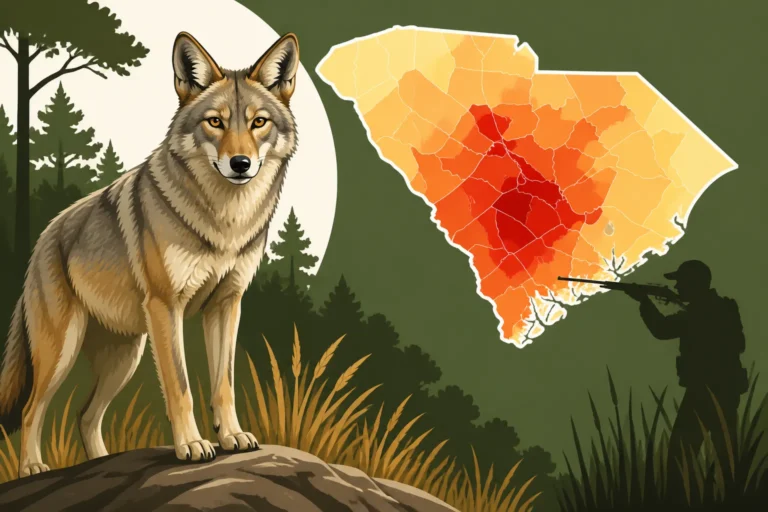
South Carolina coyote range and density details reveal how these predators colonized all forty six counties since the late 1970s.