South Carolina Coyote Diet in Farm Country
If you're a farmer, a landowner, or just a hunter out in South Carolina's rural areas, you've likely seen the signs of coyotes. These adaptable predators have a knack for showing up where food is plentiful, and our rich farm country certainly fits that bill. Understanding exactly what South Carolina coyotes are eating in these agricultural landscapes is crucial, not just for managing their populations but also for protecting livestock and game animals. This guide will take a deep dive into the diverse and often surprising diet of coyotes in our fields and farmlands.
The Opportunistic Nature of South Carolina Coyotes in Farm Country
Coyotes are, above all else, incredibly opportunistic eaters. They aren't picky, and that's precisely why they thrive in such varied environments, from the edges of bustling suburbs to the most secluded corners of our national forests. But it's in farm country, with its mosaic of fields, woodlots, hedgerows, and water sources, that their adaptability truly shines. They're constantly evaluating what's available, easy to catch, and provides the most calories for the least effort.
Think about a typical South Carolina farm. You've got row crops like corn and soybeans, pastures for cattle or goats, often bordered by ditches, creek bottoms, or stands of pine and hardwood. Each of these micro-habitats offers a smorgasbord for a coyote. They're not just looking for one type of meal; they're sampling from every corner. This incredible versatility means that what a coyote eats can shift dramatically from season to season, or even week to week, depending on what bounty the land offers. It’s this very trait that makes them such a challenge to manage effectively, as their dietary targets are always moving.
Their diet is also heavily influenced by their territory and the specific resources within it. A coyote denning near a cattle pasture might focus more on calves or afterbirth, while one closer to a dense woodlot might key in on deer fawns or rabbits. This localized variation means there isn't a single, monolithic "coyote diet" for all of South Carolina's farm country. Instead, it's a dynamic menu that reflects the unique offerings of each piece of land, making local observation key to understanding their impact. This is why tools that let you see the lay of the land, like those offered by GoHunt, can be so helpful in understanding potential food sources and travel corridors.
Primary Food Sources: Game Animals and Livestock Concerns
When most people think of coyotes and their diet in farm country, their minds immediately jump to deer and livestock. And for good reason: these are often the most impactful and emotionally charged aspects of coyote predation for farmers and hunters alike. The reality is that both deer, particularly fawns, and various forms of domestic animals can indeed be significant parts of a coyote's diet, especially when easy opportunities arise.
Impact on Deer Populations, Especially Fawns
Deer are a consistent target for coyotes, especially the youngest and most vulnerable. Springtime, when white-tailed does are dropping fawns across the state, is a crucial period for coyote predation. A newborn fawn, still wobbly on its legs and relying heavily on camouflage, is an easy meal for a hungry coyote. Research has consistently shown that coyote predation can be a major factor in fawn recruitment rates, meaning fewer young deer survive to adulthood. This is a real concern for hunters in South Carolina who are invested in healthy deer populations. Even adult deer, if injured, sick, or very old, can fall victim, though it's much less common for healthy adults to be taken by a single coyote. However, packs of coyotes can certainly take down an adult deer if they work together. Understanding South Carolina Predator Impact on Fawn Recruitment is a topic many landowners grapple with annually.
Beyond fawns, coyotes also feed on deer carrion. If a deer is hit by a car, dies from EHD, or succumbs to old age, coyotes are often among the first scavengers on the scene. This scavenging behavior is important to remember because seeing a coyote on a deer carcass doesn't automatically mean they killed it. However, it does mean they are benefiting from the deer population, one way or another, and it further integrates them into the local ecosystem's food web. For hunters, this means coyotes are also often present around gut piles or wounded game that wasn't immediately recovered, making them a common sight during deer season.
Predation on Domestic Livestock
This is perhaps where coyotes cause the most direct economic and emotional stress for South Carolina farmers. While they might prefer wild prey, domestic livestock, especially smaller or younger animals, can be easy targets. Calves, lambs, and goat kids are particularly vulnerable. It's not just the direct loss of an animal, but the stress and financial impact on operations that makes coyote predation such a serious issue. Farmers spend countless hours and resources caring for their herds, only to have them threatened by these clever predators. Many stories circulate in our rural communities about the frustration of finding a newborn calf taken overnight.
It’s not just the young, either. Coyotes can also harass and injure larger livestock, leading to stress, decreased productivity, and veterinary bills. Poultry, of course, is another prime target. Any farmer with chickens, ducks, or turkeys knows the heartbreak of finding their flock decimated. While protective measures like secure fencing, guard dogs, and night housing can help, coyotes are incredibly intelligent and persistent, often finding ways around defenses. Addressing South Carolina Coyote Attacks on Livestock is a constant battle for many in our state’s farm country, and it requires a multi-faceted approach to mitigate the damage.
Secondary and Seasonal Food Sources: Rounding Out the Menu
While game animals and livestock might get the most attention due to their economic and recreational importance, a coyote's diet in South Carolina farm country is much broader. These clever animals take advantage of almost any available food source, often shifting their focus based on seasonality and abundance. This flexibility is a huge part of their success as a species.
Rodents, Rabbits, and Other Small Game
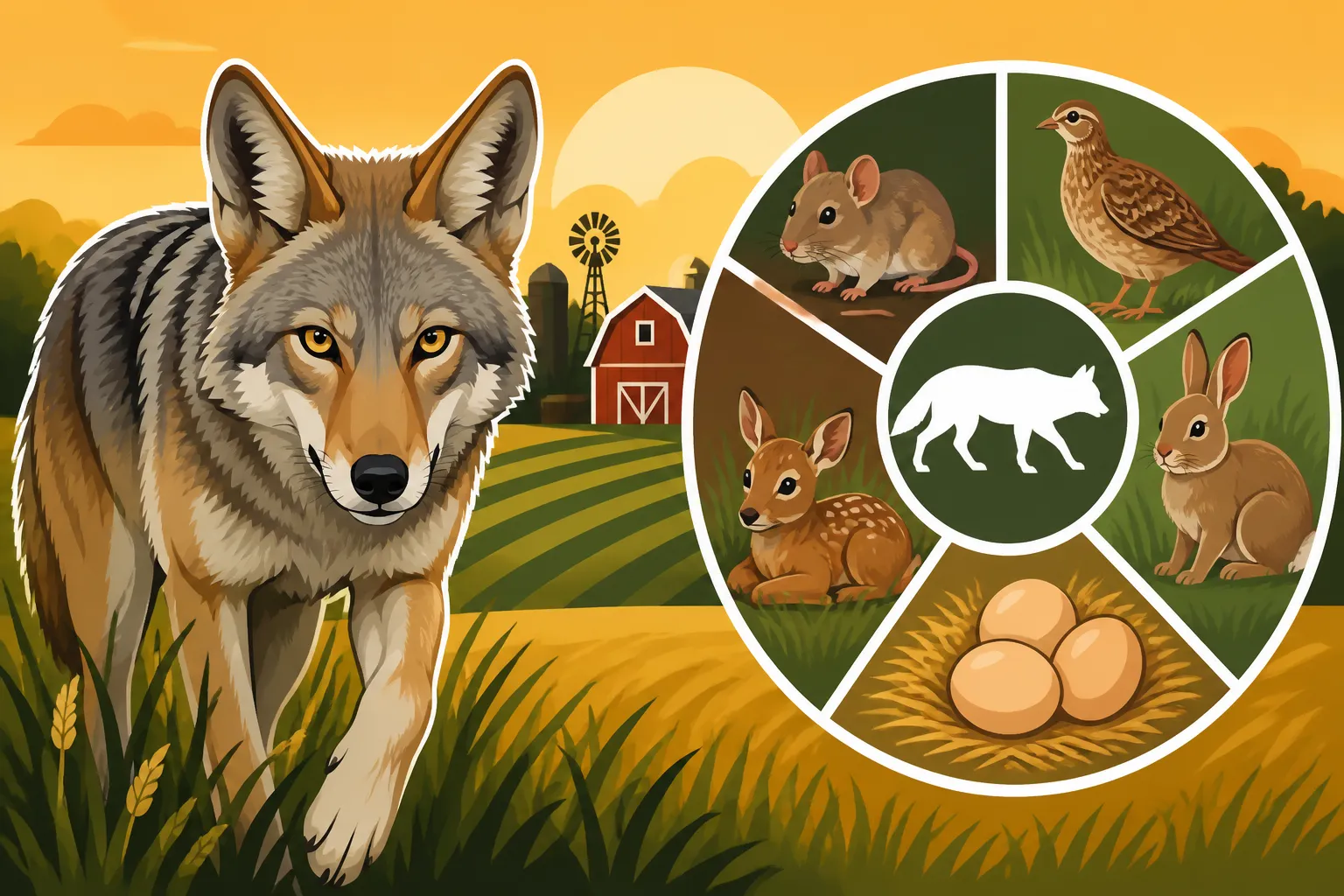
This category forms a foundational part of the coyote's diet, especially when larger prey is less available or harder to catch. Farm fields and their borders are absolutely teeming with mice, voles, rats, and various other small rodents. These small mammals reproduce rapidly and provide a consistent, if small, food source. A coyote can spend hours patiently mousing in a freshly cut hayfield or along a ditch bank, scarfing down dozens of these tiny meals. This also means that areas with good cover and plenty of small game, like fencerows or brush piles, are prime coyote hunting grounds.
Rabbits are another significant item on the menu. South Carolina's farm country, with its mix of fields and dense cover, is perfect rabbit habitat. A cottontail or a swamp rabbit, while faster than a vole, is still a relatively easy catch for a swift coyote. During the warmer months, when vegetation is thick, rabbits provide ample sustenance. The presence of South Carolina Squirrel and Rabbit Populations directly translates to a reliable food source for our local coyote populations. These small game animals offer a good energy return for the effort, making them a staple.
Insects, Fruits, and Plant Material
You might be surprised to learn that coyotes aren't strictly carnivorous, especially in farm country. During certain times of the year, their diet includes a significant amount of plant matter and even insects. In the late summer and fall, wild berries, grapes, and even cultivated fruits from orchards can become a temporary but important food source. If a coyote finds a patch of ripe muscadines or a dropped apple from a tree, they'll certainly take advantage. This dietary flexibility allows them to supplement their meat-heavy diet with carbohydrates and nutrients from plants.
Insects, too, play a role. Large grasshoppers, beetles, and even cicadas can be gobbled up by opportunistic coyotes. While not a primary food source, they provide quick, easy protein during periods of high insect abundance. This goes to show just how resourceful these animals are – nothing goes to waste if it offers a bit of energy. It's a testament to their survival instincts that they'll switch from chasing a deer fawn to munching on berries or beetles, depending on what the local landscape provides.
Scavenging and Opportunistic Feasting
Farm country often presents unique scavenging opportunities for coyotes. This isn't just limited to deer carrion; it extends to anything edible that might be discarded or overlooked. Roadkill is a major draw for coyotes, as are discarded animal carcasses from farms. Even livestock feed, if left accessible, can become a coyote buffet. This opportunistic scavenging means that a coyote might spend its day cleaning up remnants from human activity, whether it's a deer hit by a truck on a rural highway or spilled grain near a barn.
Another aspect of scavenging in farm country involves waste from agricultural practices. For instance, after a harvest, if certain crops are left behind or discarded, coyotes might feed on them. They'll also follow hog operations, looking for opportunities to scavenge on leftover feed or even smaller, weaker hogs, much like they might predate on wild South Carolina Feral Swine Genetics and Origin. This behavior makes them integral, albeit often unwelcome, members of the farm ecosystem, constantly seeking out the easiest meal available.
Here's a quick look at how a coyote's diet might shift across the seasons in South Carolina farm country:
| Season | Primary Food Sources | Secondary/Opportunistic Foods | Key Vulnerable Prey |
|---|---|---|---|
| Spring | Deer fawns, rabbit kits, small rodents | Insects, bird eggs | Newborn fawns, rabbit kits |
| Summer | Rodents, rabbits, birds (fledglings) | Berries, fruits, insects, carrion | Young domestic livestock |
| Autumn | Small rodents, rabbits, adult deer | Berries, nuts, corn (after harvest), carrion | Injured/sick deer |
| Winter | Small rodents, rabbits, carrion | Limited plant matter, sick/weak deer | Weakened domestic livestock |
Impacts and Management Considerations for Farmers and Hunters
Understanding the diverse diet of South Carolina coyotes in farm country isn't just an academic exercise; it has real-world implications for how we coexist with or manage these predators. For both farmers and hunters, the presence of coyotes and their varied eating habits can lead to significant challenges, from economic losses to impacts on game populations. Effective management strategies often stem directly from knowing what coyotes are targeting.
Addressing Concerns for Farmers
For farmers, the primary concern revolves around livestock depredation. Knowing that coyotes are highly opportunistic means that preventive measures are paramount. Simply hoping they won't target your calves or chickens isn't a viable strategy. This might involve improved fencing, night housing for vulnerable animals, or employing guard animals such as dogs or donkeys. Constant vigilance and prompt removal of dead livestock or afterbirth can also reduce attraction. Understanding how coyotes use the surrounding landscape to access fields, perhaps by studying aerial maps or using apps like GoHunt to mark potential travel corridors, can help in strategically placing deterrents.
Furthermore, managing habitat around farm properties can influence coyote presence. Dense brush piles or overgrown fencerows that offer excellent cover for rabbits and rodents—which are primary coyote food sources—also provide excellent cover for coyotes themselves. Balancing wildlife habitat with predator control is a delicate act. Farmers often need to weigh the benefits of certain habitats against the potential for attracting predators that could impact their livelihood. It's a tough decision, but one that directly relates to the coyote's opportunistic dietary habits.
Considerations for Hunters and Game Management
For hunters, the coyote's diet, particularly their reliance on deer, prompts a different set of concerns. While coyotes don't typically decimate an entire healthy deer herd on their own, their impact on fawn survival can be noticeable, especially in areas with already struggling deer populations. This is why many hunters view coyotes as a legitimate competitor for game. For those interested in South Carolina Deer Population Estimate and fostering healthy herds, managing coyote numbers can be a component of broader deer management plans.
Hunting coyotes, often through methods like Predator Calling South Carolina Pine Plantations or trapping, can be a way to help alleviate some of this pressure. While it's unlikely to eliminate coyotes entirely, targeted removal can help protect fawns during critical birthing seasons or reduce pressure on small game. It's an ongoing effort, and one that requires understanding coyote behavior, including their movement patterns and, crucially, what they're looking for to eat in a given area. For example, if you're scouting for deer sign, remember that coyotes are likely scouting for deer, too, making it a good idea to factor them into your overall strategy, especially when thinking about South Carolina Predator Impact on Fawn Recruitment.
Ultimately, the South Carolina coyote's diet in farm country is a complex tapestry of wild prey, domestic animals, and even plant matter, all woven together by an incredible sense of opportunism. By understanding what drives these adaptable predators, both farmers and hunters can make more informed decisions about how to manage them and, in turn, better protect our state's valuable wildlife and agricultural resources.
Disclaimer
This article is for general informational purposes only and does not constitute professional advice. Laws, prices and regulations vary by location and change over time. Consult a qualified professional for guidance on your specific situation.