South Carolina Wildlife Rehabilitation for Injured Game
It's a moment that can stop any hunter or outdoor enthusiast right in their tracks: you're walking through the woods, maybe scouting for deer sign or just enjoying a peaceful hike, and you come across an animal that's clearly hurt. Your heart sinks. Whether it's a fawn limping, a turkey struggling to fly, or a small squirrel shivering on the ground, the instinct to help is powerful, but so is the uncertainty of what to do next. This guide is here to walk you through the complex, often emotional, process of how to approach and assist with South Carolina wildlife rehabilitation for injured game, ensuring both your safety and the best possible outcome for the animal.
Understanding the "Why": When and Why to Intervene (or Not)
That gut feeling to help a struggling creature is completely natural, and it's a testament to our shared connection with the wild. However, when it comes to wildlife, sometimes our best intentions can inadvertently cause more harm than good. It's a delicate balance, and understanding when to step in and when to let nature take its course is the first, and perhaps most crucial, step.
The Difficult Decision: When to Step In
The wilderness isn't a fairy tale, and animals face harsh realities every day. Not every animal you see alone or seemingly struggling needs human intervention. In fact, many wild animals, especially young ones, are often simply waiting for a parent to return, and our presence can actually scare the parent away. It's a hard truth, but sometimes the most compassionate thing we can do is to observe from a distance and not interfere.
However, there are clear signs that indicate an animal genuinely needs help. Obvious injuries like a broken limb, a gaping wound, visible bleeding, or an animal caught in a fence are unmistakable calls for assistance. If an animal is disoriented, circling, or unresponsive to its surroundings, these could be signs of serious illness or neurological damage. For young animals, a clear sign of true abandonment might be finding a fawn still with its umbilical cord, indicating it was born very recently, or a nest of baby birds on the ground after a storm, with no parents in sight for an extended period. In these situations, your intervention can be critical for the animal's survival. Remember, while the state has robust systems for South Carolina Wildlife Disease Monitoring, individual instances of injury still often rely on public awareness.
The Dangers of Good Intentions
While the desire to help is admirable, untrained intervention can pose significant risks, both to the animal and to you. Wild animals, by their very nature, are not domesticated pets. They view humans as predators, and even an injured animal will instinctively try to defend itself, leading to potential bites, scratches, or kicks. These aren't just minor nicks; wild animals can carry a host of diseases, some of which are transmissible to humans (zoonotic diseases), like rabies, distemper, or various parasites. For example, in our warm South Carolina climate, diseases can spread quickly.
Beyond the risk to human health, improper handling can inflict further trauma on an already stressed animal. The act of capture itself can lead to a condition known as "capture myopathy," a severe and often fatal muscle breakdown caused by extreme stress and exertion. Trying to feed an injured animal the wrong food can cause digestive upset, malnutrition, or even choking. Housing them in an unsuitable environment can lead to hypothermia, overheating, or further physical injury. It's why there are strict laws against possessing wildlife without proper permits; trained, licensed wildlife rehabilitators have the specific knowledge, facilities, and medical supplies to provide the correct care and minimize harm. If you come across something truly alarming, like a deer acting strangely, it's always best to err on the side of caution and reach out to the authorities, as detailed in Reporting a Sick Animal in South Carolina.
What to Do Immediately After Finding Injured Game
You've assessed the situation and determined that, yes, this animal really does need help. Now what? The next steps are critical for ensuring both your safety and the animal's well-being. Panic won't help, but a calm, methodical approach can make all the difference.
Safety First for You and the Animal
Before you do anything else, prioritize safety. This means your safety first, followed by the animal's. Take a moment to survey your surroundings. Are you near a busy road, where you or the animal could be hit? Are there other animals, like dogs or predators, that could pose a threat? Consider what might have caused the injury. If it was a vehicle collision, for instance, be extra wary of traffic, as South Carolina Deer Vehicle Collisions are unfortunately common.
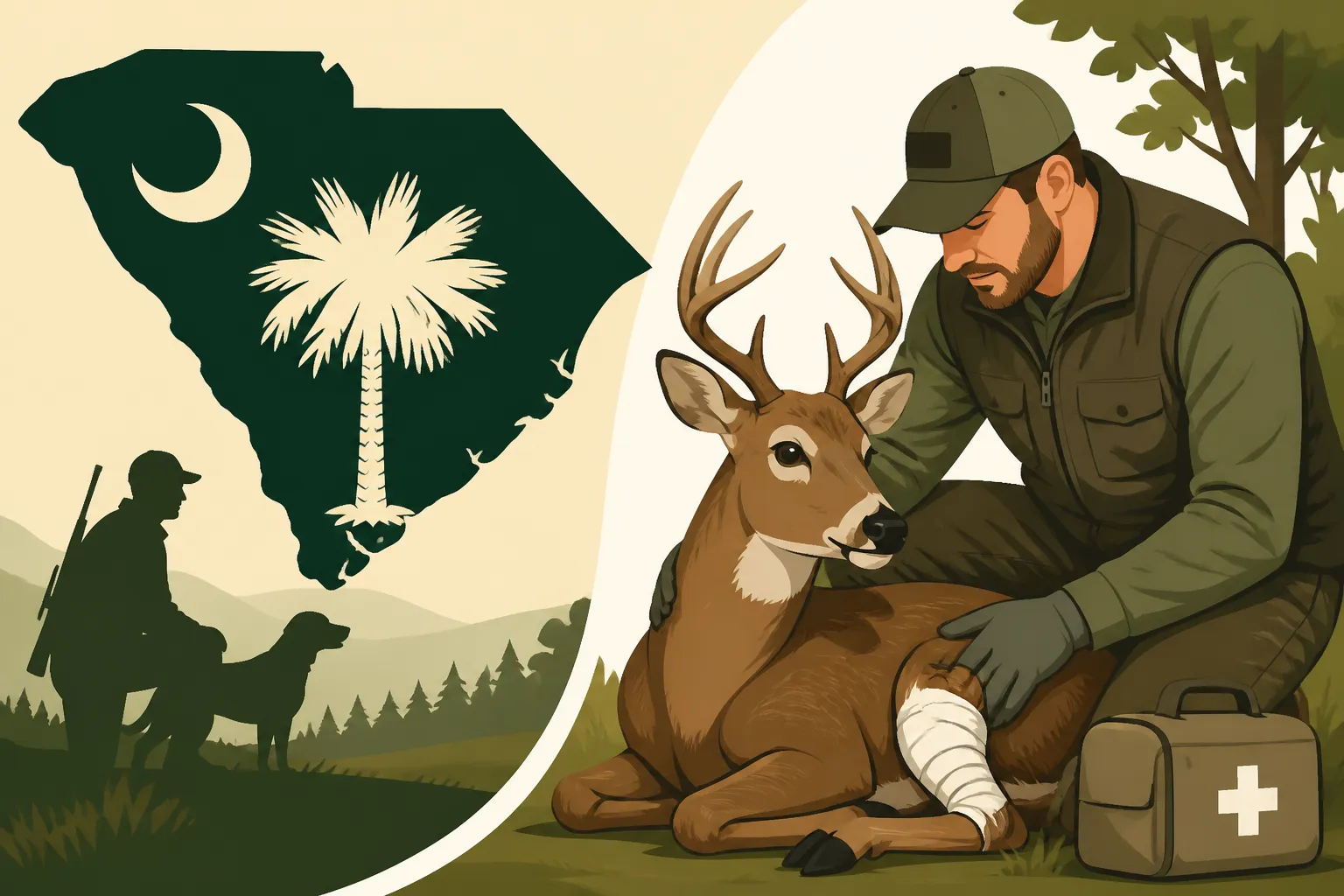
Never approach a wild animal without extreme caution. Even a small squirrel can bite surprisingly hard, and a deer, with its powerful legs, can cause serious injury. Resist the urge to pet, comfort, or directly touch the animal with your bare hands. If containment is absolutely necessary to prevent further injury (for instance, moving a stunned bird from a roadway), use gloves, a towel, or a cardboard box. Gently cover the animal with a blanket or towel to reduce visual stimuli, which can help calm it down. Place it in a dark, quiet, well-ventilated container, like a cardboard box with air holes, and secure the lid. Keep pets and curious children away from the container. Your goal here isn't to provide long-term care, but simply to stabilize the situation until professional help can arrive.
Making the Initial Call: Contacting SCDNR and Rehabilitators
Once the immediate safety concerns are addressed, your very next step should be to contact the appropriate authorities. In South Carolina, the Department of Natural Resources (SCDNR) is usually the first point of contact for injured game species. They are the regulatory body responsible for wildlife management, and they can provide guidance on whether intervention is necessary, what your next steps should be, or direct you to a licensed rehabilitator in your area.
When you call SCDNR or a rehabilitator, be prepared to provide as much detail as possible. This includes:
- Your exact location: Use landmarks, road names, and if you have a mapping app like GoHunt on your phone, you can pinpoint your precise GPS coordinates, which can be invaluable for directing someone to a rural or remote spot.
- The species of animal: Is it a deer, a turkey, a squirrel, or something else?
- The apparent injury: Is it a broken leg, visible bleeding, or just acting strangely?
- The circumstances: Did you see it get hit by a car? Is it a young animal found alone?
- Your contact information: So they can follow up with you.
It's important to remember that not all veterinarians are equipped or licensed to handle wild animals. Wildlife rehabilitation requires specialized permits, training, and facilities. SCDNR can connect you with licensed individuals or organizations that are authorized to care for wild animals and have the expertise to provide species-specific treatment. This system is crucial, especially when considering complex issues like EHD Die-Offs in South Carolina Deer, which require expert assessment beyond individual first aid.
| Scenario | Recommended Action | Why |
|---|---|---|
| Fawn Alone in a Field | Observe from a distance for several hours. Do NOT approach. | Fawns are often left alone by their mothers, who return periodically. Intervention can scare mom away. |
| Baby Bird Out of Nest | If nest is intact and accessible, gently return the bird. Otherwise, contact a rehabilitator. | Parents may still feed birds on the ground; direct intervention can be dangerous if the bird is a nestling. |
| Deer with Visible Injury | Do NOT approach. Call SCDNR immediately. | Deer can be dangerous when injured. SCDNR can assess and guide next steps. |
| Bird with Broken Wing | If safe, gently place in a dark, ventilated box. Call a rehabilitator. | Reduces stress and prevents further injury. |
| Rabbit Nest Disturbed | Gently cover babies with original nesting material. Leave area. | Mother rabbits only visit nests a few times a day; human scent usually isn't a deterrent. |
| Animal Caught in Fence | Do NOT attempt to free it. Call SCDNR or a rehabilitator. | Animals can injure themselves or you further while struggling; specialized tools may be needed. |
The Rehabilitation Process: What Happens Next
Once you've made the call and the animal is on its way to a licensed rehabilitator, you might wonder what actually happens behind the scenes. It's a journey filled with specialized care, dedication, and the ultimate goal of returning the animal to its natural habitat.
Initial Assessment and Care
When an injured animal arrives at a licensed wildlife rehabilitation center, it undergoes a meticulous initial assessment, much like a patient in an emergency room. The rehabilitator, often with veterinary support, will first perform a thorough physical examination to identify all injuries, assess the animal's overall condition, and check for signs of disease or parasites. They're looking for everything from broken bones and lacerations to dehydration, hypothermia, or malnutrition. This initial triage is critical for stabilizing the animal.
Immediate care might include administering fluids to combat dehydration, providing warmth for a hypothermic animal, cleaning and dressing wounds, and offering pain medication to alleviate suffering. Specialized enclosures are often used, designed to minimize stress and prevent further injury. For instance, a bird with a wing injury might be placed in a soft-sided enclosure to prevent feather damage, while a mammal might need a quiet, dark space to recover from shock. Every species has unique dietary needs as well, requiring specialized formulas for young animals or specific foods for adults. They know that proper nutrition is paramount for healing. This kind of specialized care is what sets licensed rehabilitators apart from well-meaning but untrained individuals who might just try to improvise. For hunters especially, understanding the biology of the game you pursue, such as South Carolina Fawn Survival Rates, offers insight into why certain species may be more vulnerable.
The Path to Recovery and Release
The journey from injury to release is often a long and demanding one, requiring immense patience and resources. Once stabilized, the animal enters a period of intensive care and recovery. This can involve anything from weeks of hand-feeding orphaned youngsters to months of physical therapy for a fractured limb. The goal is not just to heal the injury but to ensure the animal regains all the necessary skills for survival in the wild.
A crucial aspect of rehabilitation is preventing habituation to humans. Wild animals that become too comfortable around people lose their natural fear, making them vulnerable to predators, vehicles, or even intentional harm if they approach human dwellings. Rehabilitators strive to minimize human contact, often using specialized feeding techniques, camouflage, and indirect interaction to ensure the animal remains wild. As the animal recovers, it moves to outdoor enclosures, where it can practice natural behaviors like foraging, climbing, or flying. For animals like young coyotes, found potentially injured from, say, South Carolina Coyote Attacks on Livestock, their eventual success depends on maintaining their wild instincts.
Finally, when the animal is deemed fully recovered, healthy, and capable of fending for itself, the release planning begins. Rehabilitators consider factors like the appropriate season, suitable habitat, and the presence of other individuals of the same species. The animal is typically released back into its native territory, or as close as possible to where it was found, giving it the best chance for successful reintegration. Witnessing a rehabilitated animal run, fly, or swim back into the wild is the ultimate reward for everyone involved, a powerful reminder of the importance of these dedicated efforts. Understanding the life history of species, from South Carolina Black Bear DNA Tracking Study to South Carolina Feral Hog Diet and Rooting Damage, helps rehabilitators provide targeted care that aligns with natural behaviors.
Disclaimer
This article is for general informational purposes only and does not constitute professional advice. Laws, prices and regulations vary by location and change over time. Consult a qualified professional for guidance on your specific situation.