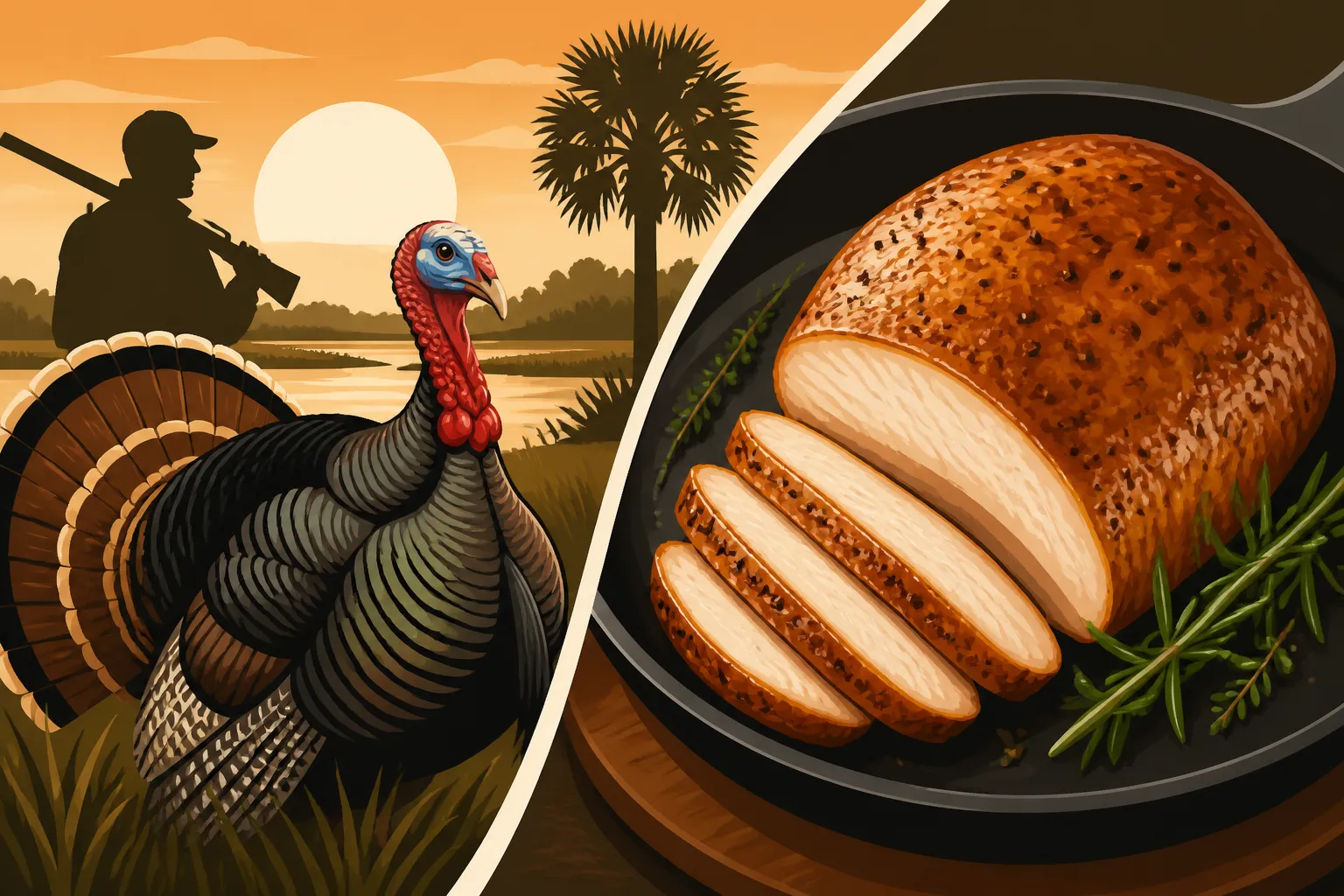
Cooking a Wild Turkey Breast
There's nothing quite like the feeling of bringing home a wild turkey after a challenging spring hunt in the South Carolina woods. You've put in the scouting, deciphered the gobbler's moods, and finally made it happen. But then comes the moment of truth in the kitchen, and let's be honest, wild turkey breast can sometimes be a bit… uninspiring. Many folks struggle to keep it from drying out, ending up with a tough, bland meal that doesn't do justice to the effort put into the hunt. This guide is all about transforming that hard-won wild turkey breast into a tender, flavorful centerpiece that your family and friends will rave about.
The Unique Challenge of Wild Turkey Breast
You know, one of the biggest misconceptions I hear from hunters, especially those new to processing their own game, is that wild turkey is just like the store-bought bird you pick up at the grocery store. I wish it were that simple! If you treat a wild gobbler's breast like a Butterball, you're setting yourself up for disappointment, and frankly, a dry, tough meal. It’s a common frustration, and it’s completely understandable if you haven’t quite nailed it yet.
Why Wild is Different from Store-Bought
Think about the life a wild turkey lives in our South Carolina forests. These birds are lean, mean, fighting machines, constantly on the move, flying up to roosts, running through the timber, and scratching for food. That intense physical activity means their muscles are much leaner, with significantly less fat marbling than their domesticated cousins. Farm-raised turkeys are bred for size and tenderness, often living a much less active life, resulting in a higher fat content that naturally keeps them moist during cooking.
When you're dealing with wild game, you're working with pure, unadulterated muscle. This means the meat has a tighter grain and can become tough if not handled and cooked correctly. The flavor profile is also richer, more intense, and distinctly "gamey" in the best possible way, a testament to its natural diet of acorns, insects, and whatever else it forages in the Palmetto State. It’s a flavor you simply can’t replicate in a store-bought bird, but it requires a different approach to truly shine.
Common Pitfalls and How to Avoid Them
The biggest enemy of a delicious wild turkey breast is overcooking. Because it’s so lean, there’s very little margin for error. Just a few minutes too long, and you’ll end up with meat that’s dry and stringy, practically begging for a gallon of gravy to choke it down. We've all been there, and it’s a shame to waste such a hard-earned protein.
Another common pitfall is rushing the process from field to table. Proper field dressing and cooling are absolutely critical, especially in South Carolina’s often warm spring weather. If the breast meat isn't cooled quickly and kept clean, it can affect both its texture and flavor, regardless of how well you cook it. Lastly, many folks just toss it straight into a hot pan or oven without any pre-treatment, neglecting crucial steps like brining or marinating that can make all the difference in tenderizing and moisturizing the meat. It's about respecting the animal and understanding its unique qualities to ensure a truly satisfying meal.
Essential Prep for a Tender Wild Turkey Breast
The journey to a tender, juicy wild turkey breast begins long before it ever hits the pan or oven. It starts literally moments after you pull the trigger, and continues through careful handling and thoughtful pre-cooking preparation. This isn't just about cooking; it's about honoring the bird and the hunt.
Field Dressing and Cooling Considerations
Let's talk about the initial steps right there in the woods. You’ve just bagged a magnificent gobbler, maybe on public land in the Francis Marion National Forest or a private lease along the Pee Dee River. It’s a moment of triumph, but don't let the excitement overshadow the importance of proper meat care. Especially in South Carolina, where spring turkey season often means warm, humid days, quick cooling is paramount.
As soon as possible, you want to get that breast meat cooled down. Many hunters choose to breast out the bird in the field, which means carefully removing the breast plates, leaving the rest of the carcass. This minimizes weight for the walk out and allows the meat to start cooling much faster than if you hauled the whole bird back. Get it into a cooler with ice as quickly as you can. I’ve seen hunters try to drag a whole bird around for hours in 80-degree weather, and by the time they get it home, the meat is already compromised. If you’re hunting early in the morning, and the temperatures are still cool, you might have a bit more time, but generally, faster is better. Keeping it clean is also vital. Try to avoid dirt, leaves, or anything else that could contaminate the meat. A clean harvest translates to clean, better-tasting meat. Remember, sanitation is key, and it prevents bacterial growth that can spoil your hard-earned meal.
Brining: Your Secret Weapon for Moisture
Once you've got those beautiful wild turkey breasts home and properly cooled, your next step should almost always be brining. This is, hands down, the most effective way to combat the natural leanness and potential dryness of wild turkey. Think of brining as an insurance policy for a juicy meal. It's a simple process that involves soaking the meat in a saltwater solution, often with added sugars, herbs, and spices.
What does brining do? Through osmosis, the salt in the solution helps the muscle fibers absorb and retain moisture, even during the cooking process. It also helps to break down some of the muscle proteins, which further tenderizes the meat. Plus, it infuses flavor right into the core of the breast, leading to a much more seasoned and delicious end product.
Here’s a basic brine recipe to get you started:
- For every 4 cups of water:
- ¼ cup kosher salt
- 2 tablespoons brown sugar (optional, for flavor and browning)
- Flavorings: a few sprigs of fresh rosemary or thyme, a bay leaf, a few crushed garlic cloves, a tablespoon of whole peppercorns.
Heat about a cup of the water with the salt, sugar, and flavorings until the salt and sugar dissolve. Let it cool completely, then add the remaining cold water. Submerge your turkey breasts in the cold brine, ensuring they are fully covered. Place them in the refrigerator. For individual cutlets, 2-4 hours is often enough. For a whole, intact breast, you might go 4-8 hours, or even overnight for a very large bird. Just don't over-brine, as the meat can become too salty or develop a cured texture. After brining, rinse the breasts thoroughly under cold water and pat them completely dry with paper towels before cooking. This dryness on the surface is essential for getting a good sear or crispy skin.
Pounding and Marinating for Tenderness and Flavor
Beyond brining, there are other fantastic ways to prepare your wild turkey breast for optimal tenderness and flavor, especially if you plan to cut it into smaller portions or cutlets.
Pounding the meat is a technique often used for chicken or veal, and it works wonders for wild turkey breast, particularly if you’re making schnitzel or quick-cooking cutlets. Take your turkey breast, place it between two sheets of plastic wrap, and gently pound it with a meat mallet (the flat side, not the spiked side) to an even thickness, usually about half an inch. This not only tenderizes the meat by physically breaking down some of the muscle fibers but also ensures even cooking, which is crucial for lean game. An unevenly thick piece of meat will have thinner edges that overcook before the center is done.
Marinating is another excellent choice, especially if you're skipping the brine or want to add another layer of flavor. Marinades typically include an acidic component (like citrus juice, vinegar, or buttermilk), oil, and seasonings. The acid helps to further tenderize the meat by denaturing proteins, while the oil helps carry fat-soluble flavors and keeps the surface moist.
Consider a simple marinade with olive oil, lemon juice, garlic, fresh herbs like sage or parsley, salt, and black pepper. You could also go with a buttermilk marinade, which is fantastic for tenderizing and can be used before frying. Submerge your pounded turkey cutlets in the marinade for at least 30 minutes, or up to 2-3 hours in the refrigerator. Just like with brining, don’t marinate for too long with acidic marinades, as the acid can start to "cook" the meat, making it mushy or tough. Once marinated, remove the meat, pat it dry, and proceed with your chosen cooking method. These preparatory steps, like those involved in planning your hunting strategy using a tool like GoHunt to scout Hunting the Rut in the Coastal Zones or find optimal areas to Roost Hunting South Carolina Gobblers, are the foundation of success, whether in the field or the kitchen.
| Preparation Method | Purpose | Best Use Case | Duration | Key Benefit |
|---|---|---|---|---|
| Brining | Adds moisture & flavor, tenderizes | Whole breasts, larger cuts | 2-8 hours (or overnight) | Prevents dryness, adds internal seasoning |
| Pounding | Tenderizes, evens thickness | Cutlets, schnitzel, quick-cooking portions | Immediate | Ensures even cooking, breaks down fibers |
| Marinating | Adds flavor, tenderizes (acidic) | Cutlets, grilling, frying, stir-fry | 30 min – 3 hours | Infuses surface flavor, adds tenderness |
Top Cooking Methods for Delicious Wild Turkey Breast
Now that your wild turkey breast is properly prepped and ready to go, let's dive into the actual cooking. The method you choose can drastically impact the final outcome, and each has its own strengths for bringing out the best in this lean, flavorful game meat. No matter which you pick, remember to treat wild turkey gently; it’s not meant to be cooked aggressively like a beef steak.
Pan-Seared Perfection
Pan-searing is one of my favorite methods for wild turkey breast, especially if you've cut it into nice, even cutlets. It’s quick, creates a beautiful crust, and seals in moisture. This method is fantastic for a weeknight meal or when you want to impress without a lot of fuss.
First, ensure your brined or marinated and patted-dry turkey cutlets are at room temperature. A cold piece of meat hitting a hot pan can cause it to seize up and cook unevenly. Heat a heavy-bottomed skillet, like cast iron or stainless steel, over medium-high heat. Add a tablespoon or two of a high smoke-point oil, such as grapeseed or avocado oil, or even a mix of butter and olive oil for flavor. You want the oil shimmering, almost smoking.
Carefully place the turkey cutlets in the hot pan, making sure not to overcrowd it. Cook for about 3-5 minutes per side, depending on thickness, until a beautiful golden-brown crust forms and the internal temperature reaches 160-165°F. Use a meat thermometer to be precise; don't guess! This is where you avoid the dry, stringy turkey. If you want extra flavor, throw in some minced garlic and a sprig of fresh thyme or rosemary during the last minute of cooking, basting the cutlets with the infused oil.
Once cooked, remove the turkey from the pan and, this is crucial, let it rest for at least 5-10 minutes on a cutting board, lightly tented with foil. This resting period allows the juices to redistribute throughout the meat, resulting in a much juicier and more tender bite. If you cut it immediately, all those precious juices will run out onto your board. Slice against the grain for maximum tenderness.
Roasting for a Whole Breast
If you have a larger, intact wild turkey breast, roasting can be a wonderful option, creating a dish that feels more substantial and elegant. The key here is to keep it moist and avoid high, dry heat.
After brining and patting dry, consider rubbing the breast with a flavorful compound butter or simply wrapping it partially with bacon or thin slices of pancetta. This adds much-needed fat and flavor, acting as a basting agent throughout the roasting process. Place the breast in a shallow roasting pan.
For optimal moisture, I often recommend a low-and-slow approach, or an initial high-heat sear followed by a lower temperature. For instance, start in a preheated oven at 400°F for 15-20 minutes to get some browning, then reduce the temperature to 325-350°F. Continue roasting, basting every 15-20 minutes with pan juices or broth, until the internal temperature in the thickest part reaches 160-165°F. Again, a meat thermometer is your best friend here. Total cooking time will vary greatly depending on the size of your breast, but a typical 2-3 pound breast might take anywhere from 45 minutes to an hour and a half.
Once it reaches temperature, remove it from the oven, tent loosely with foil, and let it rest for a good 10-15 minutes before carving. This is particularly important for larger cuts, as it allows the carry-over cooking to bring the temperature up to a safe 165°F while ensuring all the juices are locked in. The resulting meat will be tender, flavorful, and perfect for slicing and serving as a main course.
Grilling Wild Turkey Cutlets
South Carolina weather practically begs for grilling, and wild turkey cutlets are fantastic over an open flame, offering a lovely smoky char. However, grilling is notorious for drying out lean meats quickly, so extra care is needed. This method truly shines when your turkey has been marinated and cut into thin, even pieces, perhaps after you've spent the morning trying Run-and-Gun Turkey Tactics on Public Land and were successful!
Ensure your grill is clean and well-oiled to prevent sticking. Preheat it to medium-high heat. You're looking for quick cooking to get those beautiful grill marks without turning the inside to sawdust. Place your marinated and patted-dry turkey cutlets directly over the heat.
Cook for just 2-4 minutes per side, again, until they develop nice grill marks and reach that 160-165°F internal temperature. If you have thicker pieces, you might want to finish them on indirect heat to ensure they cook through without burning the outside. Keep a close eye on them, as wild turkey can go from perfectly cooked to overcooked in a flash.
Just like with pan-searing, let those grilled cutlets rest for 5-7 minutes off the grill before slicing. This will make all the difference in moisture and tenderness. A squeeze of fresh lemon juice or a drizzle of a light sauce can elevate the grilled flavor even further.
Slow Cooking for Ultimate Tenderness
Sometimes, you just want meat that falls apart at the touch of a fork, and for that, slow cooking is your absolute best friend. This method is incredibly forgiving and guarantees super-tender wild turkey, making it perfect for pulled turkey sandwiches, tacos, or casseroles, especially on a day when you’re scouting out new spots using information you found with GoHunt to plan Hunting the Pee Dee River Bottoms.
For slow cooking, you can use a whole breast or larger chunks. You don't necessarily need to brine if you're slow cooking in a flavorful liquid, though a short brine certainly won't hurt. Place the turkey breast in your slow cooker or a heavy Dutch oven.
Add enough liquid to at least partially submerge the turkey – this could be chicken broth, vegetable broth, a can of crushed tomatoes, or even a mix with some white wine. Then, pile on the aromatics: sliced onions, garlic cloves, carrots, celery, and your favorite herbs like thyme, bay leaves, and rosemary. Season well with salt, pepper, and perhaps a touch of paprika or chili powder for a little kick.
Cook on low for 4-6 hours or on high for 2-3 hours, or until the turkey is incredibly tender and shreds easily with two forks. The exact time will depend on your slow cooker and the size of the breast. Once it's fall-apart tender, remove the turkey to a cutting board, shred it, and return it to the cooking liquid to keep it moist and infuse more flavor. This is an excellent way to prepare a batch of turkey for multiple meals throughout the week, offering unmatched versatility.
Beyond the Basics: Flavor Pairings and Serving Ideas
Once you've mastered the art of cooking a tender wild turkey breast, the culinary possibilities are endless. It's time to get creative with flavors and serving ideas that truly celebrate the unique taste of this wild game. The effort you put into hunting this bird, perhaps even understanding South Carolina Turkey Population Trends to maximize your chances, deserves a fantastic meal.
Herbs, Spices, and Sauces that Shine
Wild turkey, with its lean and robust flavor, pairs beautifully with a wide array of herbs, spices, and sauces. Moving beyond just salt and pepper, here are some combinations that truly make it sing:
- Earthy & Aromatic: Sage, thyme, and rosemary are classic poultry partners for a reason. They complement the natural richness of the turkey without overpowering it. Try rubbing your roasted breast with a mixture of minced fresh sage, garlic, and olive oil.
- Bright & Citrusy: Lemon, orange, or even a hint of lime can cut through the richness and add a refreshing zest. A pan sauce made with white wine, lemon juice, butter, and capers is phenomenal with pan-seared cutlets.
- Smoky & Spicy: For grilled turkey, consider rubs with smoked paprika, cumin, and a touch of cayenne. A chipotle-lime marinade can add a fantastic south-of-the-border flair, perfect for Turkey Tactics for Lowcountry Field Edges where you might bring in a bird.
- Sweet & Savory Glazes: Fruit-based glazes work wonderfully, especially those with a slight tang. A cherry or blackberry glaze, perhaps with a hint of balsamic vinegar, can be brushed on during the last few minutes of roasting or searing, providing a beautiful caramelization and burst of flavor.
- Mushroom Sauces: The umami depth of mushrooms, whether sautéed wild mushrooms collected from the woods or cremini from the store, simmered in a creamy sauce, complements wild game exceptionally well. Serve a rich mushroom gravy over your roasted turkey for a truly satisfying dish.
Don't be afraid to experiment! The beauty of cooking wild game is adapting to its unique characteristics and enhancing them with thoughtful flavor combinations.
Creative Ways to Enjoy Your Harvest
Beyond the traditional main course, wild turkey breast is incredibly versatile. It’s a lean protein that can be incorporated into countless dishes, ensuring that none of your hard-earned harvest goes to waste.
- Gourmet Sandwiches: Leftover sliced roasted turkey breast makes incredible sandwiches. Think gourmet with artisanal bread, a spread of cranberry aioli, some fresh arugula, and perhaps a slice of provolone. Or, for a more rustic feel, a pulled turkey sandwich made from slow-cooked meat with a tangy BBQ sauce.
- Fresh Salads: Shredded or diced cold turkey breast is a fantastic addition to salads. A hearty Cobb salad, a refreshing Caesar, or a vibrant grain bowl all benefit from the lean protein. It's a great way to enjoy a light lunch after spending a morning trying to Call a South Carolina Gobbler Off the Roost.
- Stir-Fries and Tacos: If you've got smaller pieces or thin strips, a quick stir-fry with your favorite vegetables and an Asian-inspired sauce is a fast and healthy meal. Similarly, wild turkey tacos or fajitas, especially with the slow-cooked, shredded meat, are always a crowd-pleaser.
- Comforting Casseroles: Layer slices of turkey breast with pasta, vegetables, and a creamy sauce for a comforting baked casserole. A wild turkey pot pie, with its flaky crust and savory filling, is another fantastic use for cooked turkey.
- Soups and Stews: Any leftover bits and pieces, even the juices from roasting, can be saved and added to a homemade turkey noodle soup or a hearty stew, stretching your harvest even further.
Remember, the goal is not just to cook the meat, but to savor the experience and the bounty that comes from a successful hunt. Whether you're enjoying a simple pan-seared cutlet or an elaborate holiday meal, these methods and ideas will help ensure your wild turkey breast is always a delicious tribute to your time in the South Carolina wilds.
Disclaimer
This article is for general informational purposes only and does not constitute professional advice. Laws, prices and regulations vary by location and change over time. Consult a qualified professional for guidance on your specific situation.