Upstate Deer Density
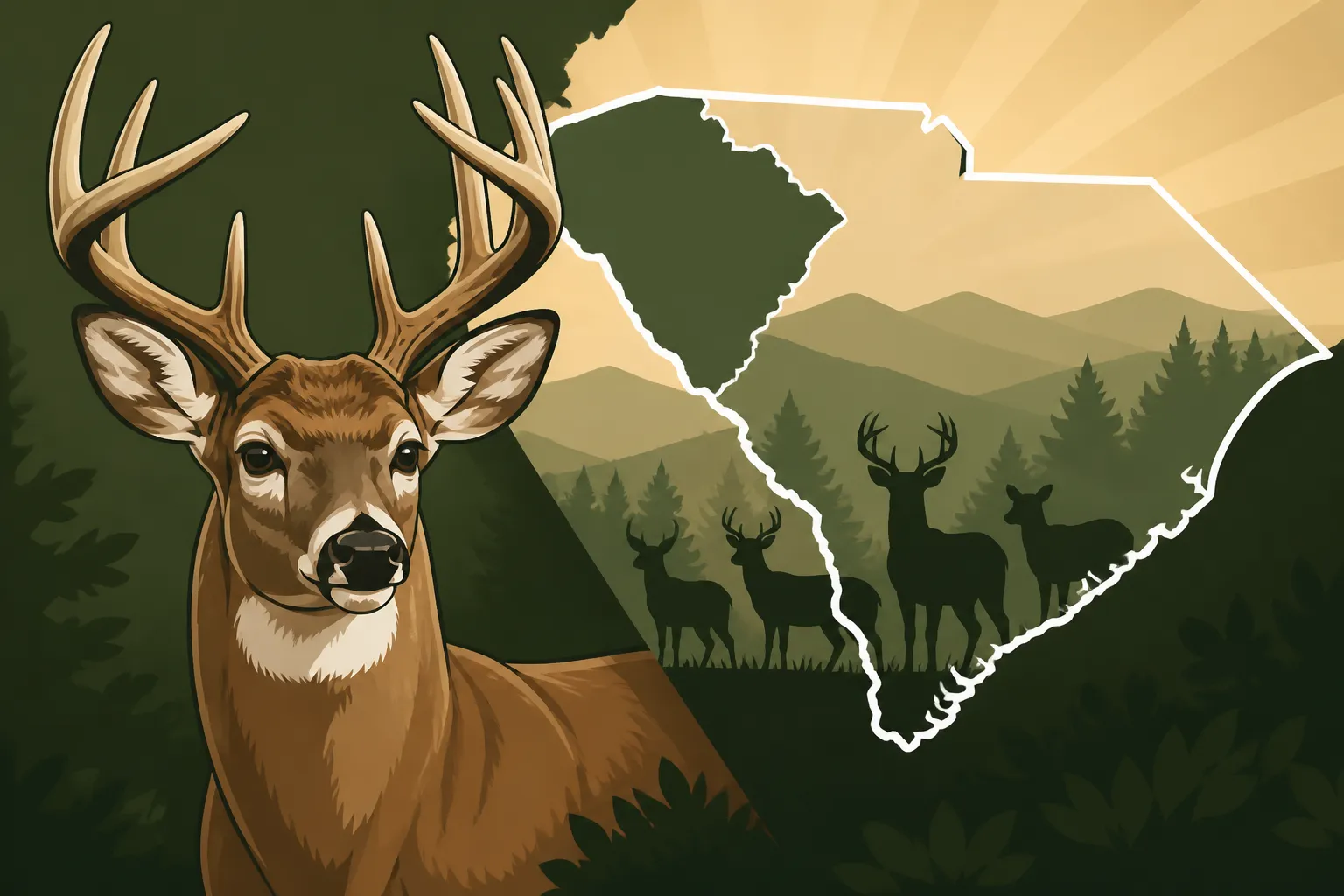
It can be incredibly frustrating to hit the woods in the South Carolina Upstate, put in the miles, and feel like the deer just aren't there. You might be seeing fewer deer, or maybe you're just not finding the same robust sign you once did. It leaves you wondering: just how dense is the deer population up here, and am I hunting in the right way for these conditions? This guide will dive deep into what deer density truly means for the South Carolina Upstate, exploring the factors that shape it and offering practical ways you can adapt your hunting strategies to these unique realities.
Understanding Deer Density in South Carolina's Upstate
When we talk about "deer density" in a place like the South Carolina Upstate, it’s easy to get lost in academic statistics. But for us, the boots-on-the-ground hunters, it really boils down to how often we encounter deer, how much fresh sign we're finding, and how consistently we're seeing activity. It's about the feeling you get when you're walking through the timber, knowing there's a good chance of a deer being around, versus that nagging feeling of hunting a ghost forest.
What 'Density' Really Means for a Hunter
Forget the charts and graphs for a moment. For a hunter, density translates directly to opportunity. If you're walking through a section of the Sumter National Forest and you're constantly cutting fresh tracks, finding rubs, and spotting droppings, that’s high density to you. Conversely, if you're slogging through acres without seeing any recent activity, it feels like low density, even if a wildlife biologist could point to a certain number of deer per square mile in the broader area. The key is understanding that deer aren't evenly distributed. They concentrate in certain areas based on food, cover, and water, making some pockets feel incredibly dense while others seem barren.
What's often missed is that "density" isn't always about overall numbers. Sometimes, it’s about accessibility and visibility. A forest with a healthy population of deer, but very thick undergrowth, might feel less dense than one with slightly fewer deer but more open visibility, simply because you see more of them in the latter. For us in the Upstate, with those rolling hills and thick timber, it's a constant puzzle to find those pockets of concentration. If you're wondering about the big picture, our article on South Carolina Deer Population Estimate goes into statewide trends.
The Unique Landscape of the Upstate
The South Carolina Upstate, specifically Game Zone 1, is a completely different beast than, say, the Lowcountry coastal plain. We're talking about the foothills of the Blue Ridge Mountains here. The terrain is characterized by steeper ridges and valleys, often covered in mature hardwood and pine forests. You'll find fewer expansive agricultural fields compared to the Midlands or the coast, and water sources are typically creeks, small rivers, and mountain springs, not sprawling swamps or tidal marshes. This varied topography and vegetative cover play a huge role in how deer utilize the landscape.
Deer here have to work a little harder for their food, often navigating dramatic elevation changes. This creates distinct travel corridors, bedding areas high on ridges, and feeding areas in creek bottoms or secluded clearings. Unlike the flat, open expanses where deer might move across a field, Upstate deer often stick to cover, using the contours of the land to their advantage. This makes scouting and understanding terrain features absolutely critical, even more so than in flatter regions.
Factors Influencing Upstate Deer Numbers
Deer density isn't a static number; it's a dynamic ecosystem at play. In the Upstate, several factors constantly shape the local deer population.
- Habitat Quality and Quantity: This is huge. Areas with a diverse mix of food sources – acorns, various browse, small agricultural plots – along with thick cover for bedding and security will naturally hold more deer. Clear-cuts, for instance, can temporarily boost deer numbers due to the explosion of new growth, while mature, unmanaged timber can become biological deserts.
- Hunting Pressure: Public lands, especially those easily accessible, often see higher hunting pressure, which can disperse deer and make them more nocturnal. Deer become educated quickly. You might be hunting an area that could hold more deer, but consistent human activity pushes them into thicker, harder-to-reach pockets.
- Food Source Availability: Hard mast (acorns) is a primary driver. A bumper crop of acorns can draw deer from miles around, concentrating them in specific oak bottoms. A poor acorn year, however, will scatter them as they search for alternative browse.
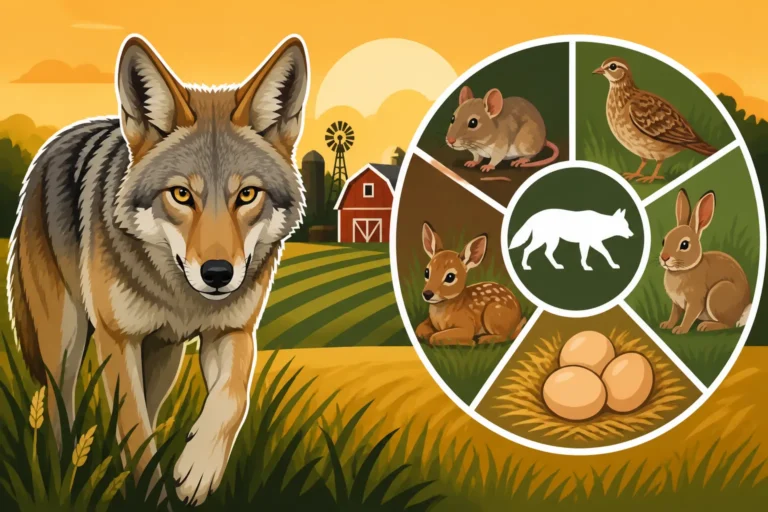
- Predator Populations: Coyotes are firmly established throughout South Carolina, including the Upstate, and their impact on fawn survival is a topic of ongoing discussion among hunters and biologists alike. While healthy adult deer are often less impacted, fawn recruitment can be affected, which in turn influences overall density over time.
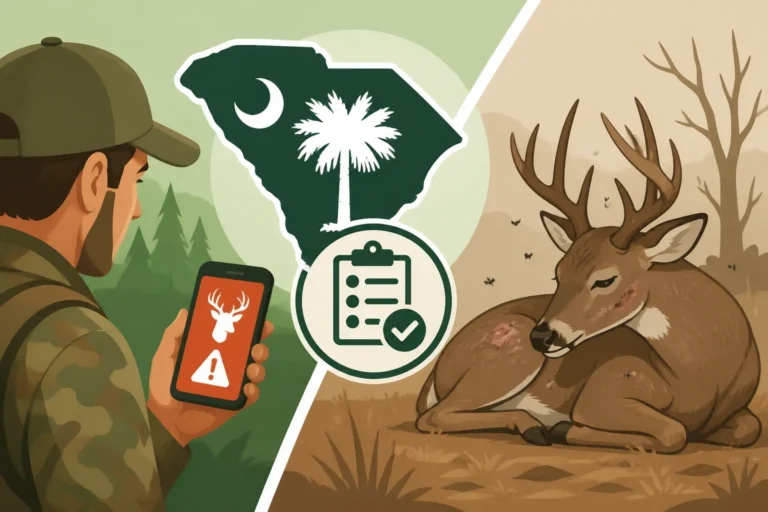
- Disease: While South Carolina has commendably remained free of Chronic Wasting Disease (CWD), other diseases like Epizootic Hemorrhagic Disease (EHD) can periodically cause localized die-offs, temporarily reducing deer numbers in specific areas. Our article on Why South Carolina Stays CWD-Free details the state's efforts in this area.
Historical and Current Trends in Upstate Deer Density
It's easy to look back with rose-tinted glasses and remember the "good old days" when deer seemed to be everywhere. Understanding the historical context helps us grasp the current situation in the Upstate.
Looking Back: How Deer Populations Rebounded
Like much of the Southeast, South Carolina's deer population, including the Upstate, experienced a remarkable rebound from critically low numbers in the early 20th century. Habitat restoration, strict regulations, and reintroduction efforts brought deer back from the brink. For decades, hunters saw a steady increase, leading to what felt like incredibly high densities in many areas. This period set a certain expectation among hunters that deer numbers would continually rise. The success of these early conservation efforts is truly a testament to dedicated wildlife management.
During this peak, seeing deer frequently, even multiple deer in a single sit, was not uncommon. This period shaped many hunters' perceptions of what "normal" deer density should look like. However, any population, left unchecked, can outgrow its habitat's carrying capacity, leading to smaller, less healthy deer.
Current Realities: What the SCDNR Data Suggests
The South Carolina Department of Natural Resources (SCDNR) monitors deer populations closely across the state. While they don't typically publish exact "deer per square mile" figures for every small parcel, their data often indicates that many areas, including parts of the Upstate, have reached or are stabilizing at a level that balances deer health with habitat capacity. What this means for us is that while deer numbers are healthy, they might not be at the hyper-dense levels some remember from years past.
The goal of modern wildlife management isn't necessarily maximum numbers, but a healthy, sustainable population that thrives within its environment. This can sometimes mean that densities are lower than some hunters would prefer, especially in regions like the Upstate where habitat can be more fragmented or challenging. It’s a balance of deer numbers, herd health, and the ecological impact on the land.
Comparing Zones: Upstate Versus Other Regions
It's helpful to put Upstate deer density into perspective by comparing it to other regions within South Carolina. Our state is divided into South Carolina's Four Game Zones, and each has its own characteristics.
- Zone 1 (Upstate): Generally characterized by lower overall densities compared to the coastal plain. The terrain and less contiguous prime habitat play a role here. Deer populations are healthy but often more dispersed.
- Zone 2 (Midlands): Often considered to have a very healthy, sometimes higher, density, benefiting from a mix of agriculture, diverse timber, and river bottoms. Many consider the Midlands to be a hotbed for deer.
- Zone 3 (Central/Pee Dee): Similar to the Midlands in many respects, with good habitat diversity and a strong deer population.
- Zone 4 (Coastal Plain): Historically, this zone has boasted some of the highest deer densities in the state due to its vast, fertile agricultural lands, extensive swamps, and milder winters. It's not uncommon for hunters here to report seeing many deer in a day, especially during the early season.
This table gives a general comparison, but remember, every parcel of land is unique:
| Characteristic | Zone 1 (Upstate) | Zone 2/3 (Midlands/Pee Dee) | Zone 4 (Coastal Plain) |
|---|---|---|---|
| Terrain | Rolling hills, mountain foothills, steep ridges | Rolling hills, river bottoms, mixed timber, agriculture | Flat, extensive swamps, large agricultural fields, timber |
| Habitat Diversity | Good, but often more fragmented | Excellent, rich mix of ag, timber, bottomland | Excellent, vast contiguous habitat, diverse food sources |
| General Density | Moderate to lower, deer often more dispersed | Moderate to high, strong populations | Historically highest, often very high deer numbers |
| Primary Food | Acorns, natural browse, small ag plots | Ag crops, acorns, natural browse, river bottom forage | Ag crops (soybeans, corn), extensive natural browse, mast |
| Hunting Pressure | Can be high in accessible areas, but rugged country helps disperse hunters | Varies, high on popular public lands, extensive private land | Can be very high on public lands, many large private tracts |
For a more detailed look at the differences, check out Upstate Versus Lowcountry Deer.
Impact of Habitat and Food Sources on Deer Density
Understanding the lay of the land and what's growing on it is paramount, especially when you're hunting in areas where deer density might feel lower. Habitat isn't just "woods" – it's a dynamic cafeteria and a sprawling network of safe havens.
Forest Management and Deer
In the Upstate, forest management practices have a significant impact on local deer density.
- Clear-Cuts and Early Successional Growth: A fresh clear-cut, while visually jarring to some, is a deer magnet. Within a year or two, these areas explode with new growth – saplings, briars, forbs – providing abundant browse and incredibly thick cover. Deer flock to these areas, and you'll find localized densities soar around their edges. As these clear-cuts mature, however, they eventually become too dense and shaded for quality browse, and deer will move on.
- Mature Hardwood Forests: These are crucial for mast production, especially acorns. When the acorns drop, deer will converge, making these spots temporary high-density zones. However, without understory management or timber stand improvements, mature forests can lack the diverse browse and bedding cover found in younger forests. Deer might feed there, but they often bed elsewhere.
- Pine Plantations: Young pine plantations offer good bedding cover, especially when they are dense. However, older, planted pines, especially those with little to no understory management (like thinning or prescribed burns), can become biological deserts for deer, offering little food and limited cover value. Hunting the edges of these plantations, or areas where they transition into hardwoods, can be more productive.
Knowing what timber work has been done recently in an area can give you a huge leg up in anticipating deer movement and density shifts.
Agricultural Influence: Small Plots and Orchards
While the Upstate might not have the massive corn and soybean fields of the Lowcountry, don't underestimate the power of smaller agricultural plots and even old fruit orchards.
- Small Grain Fields: Patches of winter wheat, oats, or clover, even if only an acre or two, become absolute deer magnets in the fall and winter. These concentrated food sources will draw deer from surrounding timber, creating localized high-density feeding areas. Farmers' fields, even those rotating crops, are critical to deer in many Upstate areas.
- Orchards and Food Plots: Abandoned apple or pear orchards can be goldmines, attracting deer when the fruit ripens. Similarly, private land food plots planted with clover, chicory, or brassicas can dramatically increase deer density on a specific tract. When you're scouting, keep an eye out for these pockets of concentrated food. They are often the key to finding deer in areas that otherwise feel sparse.
Natural Food Sources: Acorns and Browse
Beyond human-managed food, natural forage dictates much of the Upstate deer's movement and, consequently, their density patterns.
- Acorns: As mentioned, acorns are king. White oaks drop their acorns earlier, often in September and October, while red oaks provide forage later into the season. Deer will gorge themselves on acorns, and you'll see densities spike in good oak bottoms. When hunting the Upstate, especially during the fall, identifying which oak species are dropping and where is crucial. You can find deer concentrated in these areas. For more on this, check out our guide on Hunting After a Poor Acorn Year.
- Soft Mast: Persimmons, muscadines, and various berries provide seasonal boosts. While less consistent than acorns, finding a patch of dropping persimmons can offer an early-season hotspot.
- Browse: This refers to the leaves, twigs, and shoots of woody plants. Deer are browsers, not grazers. They constantly nibble on a wide variety of plants. Areas with abundant, diverse browse – think honeysuckle, greenbrier, various regenerating woody plants – will provide year-round sustenance and contribute to higher deer density. When you're Scouting South Carolina Public Land Before Season, pay close attention to the browse lines and what plants are being hit hard.
Hunting Strategies Adapted to Upstate Deer Density
Given the unique characteristics and often more dispersed nature of Upstate deer, your hunting strategies need to be sharp and adaptable. You can't always rely on seeing dozens of deer; sometimes, it's about making the most of a few encounters.
Scouting for Sparse Populations
When deer density isn't off the charts, intelligent scouting becomes your most powerful tool. You're not looking for any deer sign; you're looking for the right deer sign.
- Focus on Funnels and Pinch Points: Deer, even in lower-density areas, still prefer the path of least resistance. Look for saddles on ridges, creek crossings, edges where two different habitat types meet, or narrow strips of timber between open areas. These are natural funnels that concentrate deer movement. A great resource for identifying these is Reading a Ridge for Upstate Deer.
- Identify Bedding Areas: Upstate deer often bed on ridge tops or thick southern-facing slopes to catch the sun and prevailing winds. Finding these thickets or bench areas where deer feel secure is key. Look for trails leading in and out, and thick cover.
- Pinpoint Primary Food Sources: As discussed, find the acorns, find the browse, find the small grain plots. Deer will travel to feed, and being set up near an active food source, especially during prime feeding hours, drastically increases your odds.
- Leverage Topo Maps and Aerials: Before you ever step foot in the woods, use mapping tools to analyze the terrain. Contour lines will reveal saddles, benches, and steep drops. Aerial imagery can show you clear-cuts, mature timber, and potential agricultural plots. Tools like GoHunt can layer different maps, showing you property boundaries, topography, and recent satellite imagery, allowing you to scout effectively from your couch and identify potential hotspots before you commit time on the ground. You can also explore Using the Go Outdoors SC Map Tool for public land specifics.
Tactics for Higher Pressure Areas
While the Upstate might have lower overall density, specific accessible public land parcels can still experience high hunting pressure. This makes deer incredibly wary.
- Go Deeper, Go Thicker: Most hunters won't walk more than a mile or two from a road or parking area. If you're willing to put in the extra effort, hiking deeper into national forests like the Sumter National Forest can often lead you to less pressured deer. Look for thick, nasty cover that most people avoid. Deer seek refuge in these spots. Our guide on Still-Hunting Sumter Forest Ridges touches on this.
- Hunt Midday: Many hunters arrive at dawn and leave by mid-morning. Deer often learn this pattern. During the rut, or on cold days when deer need to feed, midday can be surprisingly productive, especially if you're set up in a travel corridor between bedding and feeding areas.
- Utilize Elevated Stands and Ground Blinds: Getting above their line of sight in a treestand, or hiding completely in a well-brushed ground blind, can minimize your footprint. Just remember the local regulations regarding Treestand Rules on South Carolina Public Land and Ground Blind Rules on South Carolina WMAs.
- Play the Wind and Thermals: In the Upstate's hilly terrain, wind and thermals are paramount. Warm air rises in the morning and cool air falls in the evening. Always be aware of how your scent is dispersing. Hunting a ridge line, for example, requires understanding Wind and Thermals on an Upstate Ridge.
Leveraging Technology for Density Insights
Modern hunting tools aren't just for fancy gadgets; they can genuinely help you understand and react to deer density. As mentioned earlier, platforms like GoHunt provide advanced mapping capabilities. You can mark deer sign you encounter, track your movements, and observe trends over multiple hunts. This personal data, combined with topographical and habitat layers, helps you identify those sweet spots where deer density feels higher due to consistent activity.
Consider using a GPS unit or a reliable hunting app to meticulously track your movements and mark every piece of sign: rubs, scrapes, tracks, bedding areas, and feeding zones. Over time, these data points will paint a picture of where deer are concentrating their activities, even if the overall numbers aren't astronomical. This is especially useful if you're trying to pattern deer during Hunting the Rut in the Upstate Zone.
Understanding the Numbers You See
Ultimately, while statewide and zone-wide deer density numbers are interesting, what truly matters is the density on the specific piece of ground you are hunting. Don't let broad statistics discourage you. Instead, use them as a backdrop to understand why your specific area might feel the way it does.
If you're seeing consistent sign and having encounters, your local density is good. If not, it's time to adapt your approach, double down on scouting, and focus on the habitat features that concentrate deer, rather than simply walking aimlessly through the woods. The Upstate offers challenging but rewarding hunting for those willing to learn its nuances.
Disclaimer
This article is for general informational purposes only and does not constitute professional advice. Laws, prices and regulations vary by location and change over time. Consult a qualified professional for guidance on your specific situation.