South Carolina Bear Checking Requirements
Stepping into the woods for a South Carolina bear hunt is an experience unlike any other, filled with anticipation and the thrill of the chase. However, the excitement of a successful harvest can quickly turn to confusion if you're not fully prepared for the essential, and legally mandated, bear checking process. Many hunters grapple with understanding the specific deadlines, required information, and where exactly to take their hard-earned game. This comprehensive guide is here to untangle those complexities, walking you through every critical step of South Carolina's bear checking requirements to ensure a smooth, compliant, and responsible end to your hunt.
The Foundation: Why Bear Checking Matters So Much
It might feel like just another piece of paperwork or an extra step after a long day in the field, but the South Carolina Department of Natural Resources (SCDNR) bear checking requirements are far more than bureaucratic red tape. They are the backbone of effective wildlife management and crucial for ensuring the health and sustainability of our state's incredible black bear population.
The Role of Data in Wildlife Management
Every bear that gets checked in provides invaluable data to SCDNR biologists. Think about it: when you bring your bear to a check station, trained personnel collect a wealth of information. They record the date and location of the harvest, the sex and weight of the animal, and often take biological samples like a tooth for aging. This isn't just for curiosity; it's vital intelligence.
This collected data allows the SCDNR to track population trends, understand the reproductive success rates of bears in different regions, and monitor the overall health of the herd. For example, if harvest numbers show a consistent decline in a particular area, or if the average age of harvested bears drops significantly, it's a red flag. This information directly informs decisions about future hunting seasons, bag limits, and whether adjustments need to be made to ensure the bear population remains robust and healthy for generations to come. Without this detailed, harvest-specific data, wildlife managers would be largely flying blind, making it impossible to implement sound conservation strategies. It helps us understand the true status of South Carolina's Black Bear Population and the impact of hunting pressure.
Ensuring Compliance and Ethical Hunting
Beyond the biological data, the checking process is a fundamental aspect of upholding hunting regulations and promoting ethical hunting practices. When you commit to checking your bear, you're not just complying with the law; you're also reaffirming your dedication to responsible hunting. This system ensures that every bear harvested is accounted for, preventing illegal takes and maintaining the integrity of our hunting heritage.
Failing to check in a bear is a serious violation and can result in significant penalties, including fines, loss of hunting privileges, and even confiscation of equipment. The SCDNR takes these regulations very seriously, and for good reason. The system is designed to prevent overharvesting and ensure that everyone plays by the same rules, which ultimately protects the resource for all. It's about accountability and being a good steward of the land and its wildlife. When you respect these rules, you contribute to the positive public perception of hunting and help secure its future.
Navigating the South Carolina Bear Checking Process
Successfully checking in your bear is a straightforward process once you understand the steps. It begins even before you pull the trigger and culminates at an official SCDNR check station. Being prepared and knowing what to expect can significantly reduce stress and ensure a smooth experience.
Pre-Harvest Tagging and Immediate Actions
Your journey to a compliant bear harvest actually begins long before you even spot a bear in your crosshairs. The absolute first step is to ensure you have the necessary South Carolina Bear Tag Requirements in hand. This isn't something you can buy after the fact. You must purchase your bear tag and have it in your possession while hunting. Each tag is unique, issued with your license, and corresponds to the specific bear hunting zone you're in. This is especially critical because South Carolina operates under South Carolina's Two Bear Hunting Zones, each with distinct regulations and tag requirements. Knowing which zone you're hunting in—whether it's the mountains of Zone 1 or the coastal plain of Zone 4—is paramount.
The moment you successfully harvest a bear, the clock starts ticking, and certain immediate actions are mandatory. Before you move the animal an inch, you must immediately attach your valid bear tag to the carcass. This tag needs to be securely fastened to a part of the bear that cannot be easily removed, typically a leg or ear. This is a non-negotiable step that prevents any confusion or potential for poaching. It legally identifies your harvested animal and links it to your specific permit. Take a moment to ensure it's firmly attached, as losing a tag before check-in can lead to serious headaches.
Locating an Official SCDNR Check Station
Once your bear is tagged and safely recovered, your next critical step is to get it to an official SCDNR bear check station within the designated timeframe. This is where your planning and preparation truly come into play. For hunters pursuing bears in the Upstate under Zone 1 Bear Still-Gun Season Rules or perhaps during Zone 1 Bear Dog Drive Rules, knowing the closest check stations to your hunting grounds is essential. Similarly, for those venturing into the Lowcountry under Zone 4 Coastal Bear Season Rules, having a plan for check-in is equally important.
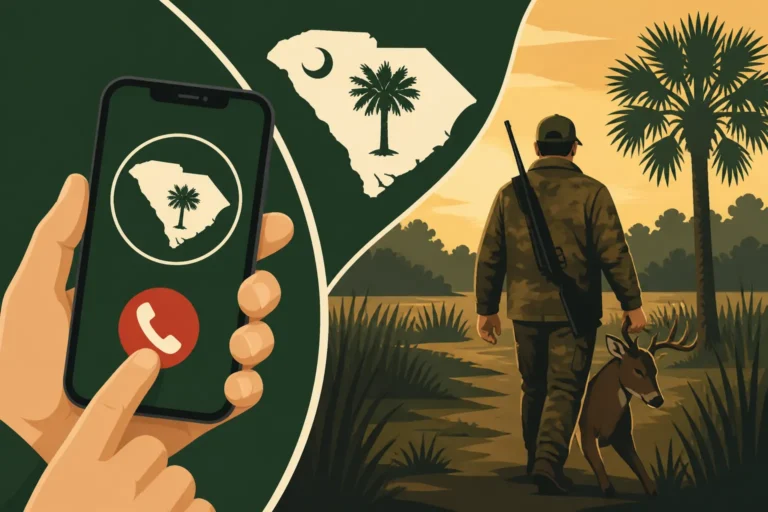
The SCDNR provides a list of these official check stations, which are typically found on their website. Many hunters also use mapping applications or hunting tools like GoHunt to pre-plan their routes to these stations, especially if they are hunting in remote areas with limited cell service. These resources can be incredibly helpful for identifying locations, operating hours, and even contact numbers in case you need to verify anything. It's a good practice to identify a primary and a backup check station, especially if you're hunting near a zone boundary or in an area with potentially limited access. Sometimes, these stations are staffed by local law enforcement or SCDNR personnel, and their hours can vary, so a quick verification call before you head out can save you a lot of time and frustration.
What to Bring and Expect at the Station
When you arrive at an official SCDNR bear check station, be prepared with all necessary documentation. This includes your valid South Carolina hunting license, your big game permit, and your filled-out bear tag. Having a form of personal identification, such as a driver's license, is also a good idea. The biologists and staff at the check station are there to assist you, but having everything organized will make the process much smoother for everyone.
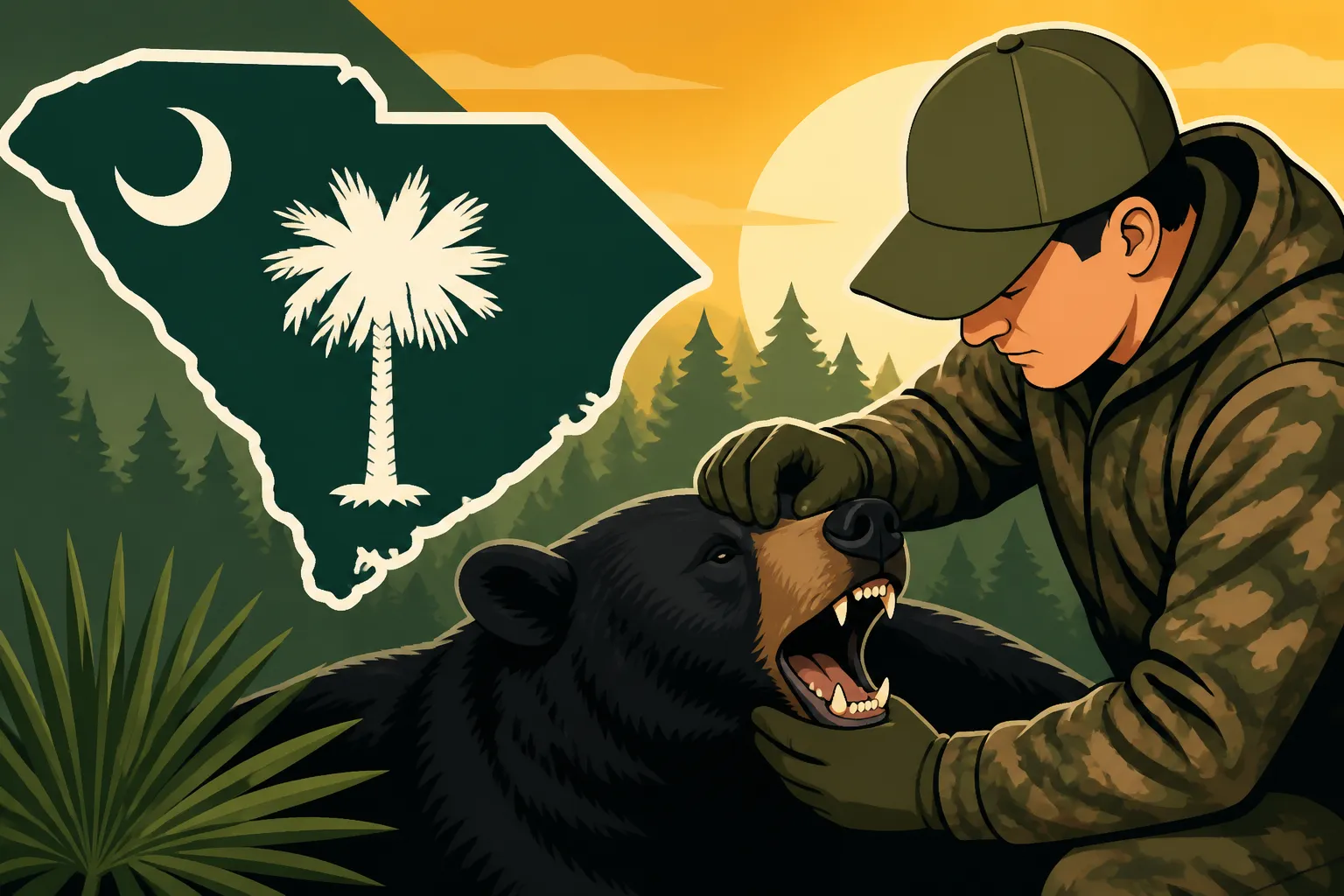
The physical check-in process itself is comprehensive. Biologists will examine your bear to verify the species, sex, and often take specific measurements. They will typically remove a premolar tooth for aging the bear, a non-invasive procedure that provides critical data on the bear population's age structure. They may also weigh the bear and collect other biological samples, such as hair or tissue, for DNA analysis or disease monitoring. This data collection is incredibly important for tracking South Carolina Bear Harvest Trends and informing future management decisions. You'll also be asked about the specific location of your kill, the date and time, and the weapon used. The more accurate information you can provide, the better. While it might take a few extra minutes, remember that every piece of information contributes to the conservation efforts that allow us to continue bear hunting in South Carolina.
Key Requirements and Strict Deadlines
South Carolina's bear checking regulations include crucial deadlines and specific pieces of information that you, as a hunter, are legally obligated to provide. Adhering to these is not just a suggestion; it's a requirement to ensure your harvest is legal and contributes positively to wildlife management.
The 24-Hour Rule: Time is of the Essence
Perhaps the most critical requirement for checking in a harvested bear in South Carolina is the strict 24-hour deadline. You must report and check in your bear within 24 hours of the kill. This rule is in place for several reasons, primarily to ensure the freshness of biological samples for accurate data collection and to minimize any potential for illegal activity. This means that if you harvest a bear late in the evening, you need to have a plan in place to get it to a check station the following day, often by mid-afternoon.
This strict timeframe necessitates careful planning. Consider the distance from your hunting location to the nearest official check station. If you're hunting deep in Francis Marion National Forest, for example, the drive might be considerable. Factor in travel time, potential delays, and the operating hours of the check station. It’s always a good idea to scout out these locations ahead of time, perhaps even using a tool like GoHunt or the SCDNR app to pinpoint them on a map and note their hours of operation. A hypothetical scenario might be harvesting a bear at dusk: you'll need to field dress it, possibly drag it out in the dark, and then immediately begin planning its transport for the next morning. Don't assume you can wait until the weekend; the 24-hour rule is firm.
Essential Information for the Biologist
When you arrive at the check station, SCDNR personnel will ask for a range of information about your hunt and the animal itself. Beyond your personal identification and license details, they'll want to know the precise date and time of the harvest. You'll also need to specify the exact location where the bear was taken, down to the county and, if applicable, the specific Wildlife Management Area (WMA). This granular data helps biologists map out bear distribution and harvest pressure across the state. They’ll also inquire about the method of take (e.g., rifle, archery, primitive weapon), which helps them understand different hunting pressures and success rates.
This information is far from trivial. It allows the SCDNR to create detailed harvest reports, track trends in specific areas, and correlate data with other factors like habitat changes or mast crop availability. It contributes to a comprehensive understanding of South Carolina Bear Harvest Numbers, helping the state manage this incredible species responsibly. Being honest and accurate with this information is paramount to sound wildlife management.
Handling Special Circumstances
Life in the field doesn't always go according to plan, and sometimes you might encounter special circumstances that make adhering to the 24-hour rule or typical check-in procedures challenging. For instance, what if you harvest a bear in an extremely remote location, far from any paved road, making immediate transport difficult? Or what if you're hunting during Hunting South Carolina Black Bear Without Bait and harvest a bear late on a Saturday, only to find the local check station is closed on Sundays?
In such situations, it's crucial to contact the SCDNR as soon as possible. Their wildlife officers and staff are there to help and can provide guidance on how to proceed legally. They may authorize an extension, suggest an alternative check-in method, or direct you to a private processor or taxidermist who can legally collect the necessary samples. Never assume it's okay to delay or bypass the checking process without official authorization. Having a backup plan, including SCDNR contact numbers saved in your phone (even if you need to drive to find service), is always a smart move, particularly when Scouting South Carolina Public Land Before Season. Understanding these regulations and knowing how to navigate potential roadblocks is part of being a prepared and responsible hunter.
| Requirement | Detail | Notes |
|---|---|---|
| Bear Tag | Must be purchased and possessed before hunting. | Essential for legal harvest. Each hunter needs one. |
| Immediate Tagging | Tag must be securely affixed to the bear immediately after harvest. | Before moving the carcass from the kill site. |
| Check-in Window | Within 24 hours of harvest. | Critical deadline; plan transportation and station visit accordingly. |
| Official Check Station | SCDNR designated stations or authorized personnel. | Check Go Outdoors SC app or GoHunt for current locations and operating hours. |
| Required Information | Hunter's license, big game permit, harvest date/time, precise location, weapon type. | Biologists collect biological data (sex, weight, tooth for aging). |
| Carcass Condition | Present the bear in a condition that allows for data collection. | Usually whole or field-dressed; avoid quartering extensively before check-in unless authorized. |
Disclaimer
The information provided in this guide is for general informational purposes only and is subject to change. Hunting regulations, seasons, and checking requirements are set by the South Carolina Department of Natural Resources (SCDNR) and can be modified at any time. It is the responsibility of every hunter to consult the most current SCDNR regulations and statewide hunting guide before participating in any hunting activity. This guide is not a substitute for official SCDNR publications or legal advice.